
American Mahjong Set for Small Tables: Size & Space Guide
Last updated: Nov 23, 2026
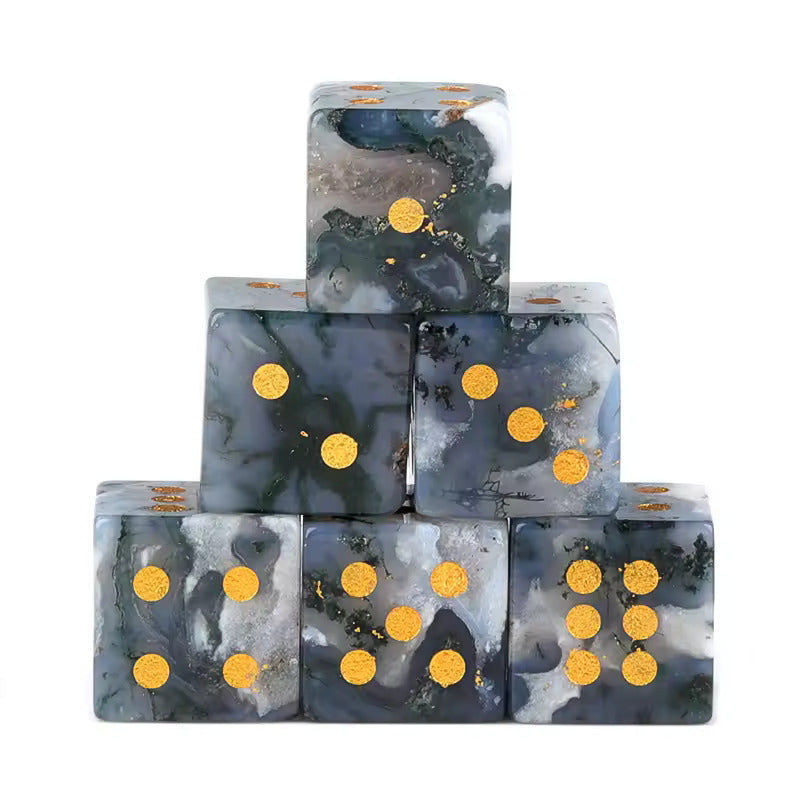
A standard American mahjong set works on small tables if tiles are compact (roughly ¾ inch face width), the mat is scaled to fit, and you use efficient racks. The 152-tile set includes all game tiles needed for one hand; play doesn't require more space than a card table. Acrylic tiles from Mahstead's best-selling collection are durable and come with mats sized for standard and compact play. Most home games fit a 27"×27" or smaller mat. Before ordering, measure your table length and width, decide whether you want a travel-friendly bag, and confirm tile grip (textured vs. smooth acrylic). Cost varies by design; see current pricing on the product pages.
Small-table mahjong is one of the fastest-growing formats among Dallas and national players. Not everyone has a dedicated card room, and many of us host weekly games in apartments, dorm rooms, or RVs. The right setup—a compact acrylic set, a properly fitted mat, and efficient tile storage—turns any 30"×30" surface into a working mahjong table. We'll walk you through the key decisions so you can play comfortably without sacrificing the game.
What size mat fits a small table?
A standard tournament mat measures 27"×27", and that's the sweet spot for tables narrower than 40 inches. For very tight spaces—think a folding card table or a 24" side table—look for mats under 24" square. Measure your table first: a mat should leave 2–3 inches of edge on each side so players can rest their hands and tile racks. If your table is rectangular rather than square (a common home setup), a 27"×34" mat works better than a square one. Mahstead mats are available in multiple dimensions; check the product specifications to confirm exact measurements before purchase. The mat's cushioning also matters on small tables—a thinner mat takes up less vertical space, leaving room for racks and hands without feeling crowded.

How compact are acrylic tiles compared to bamboo or bone?
Acrylic tiles from our best-selling sets measure approximately ¾" wide on the face, with a depth of roughly ½". Bamboo and bone sets are often thicker and bulkier, making them awkward on compact tables. The narrower acrylic profile means your four tile racks occupy less table real estate—critical when space is tight. Acrylic also won't warp or absorb moisture from beverage spills, a practical advantage in small, humid spaces. The tiles stack cleanly and feel good in hand despite the compact dimensions. If you've played traditional heavier sets before, expect a quicker shuffle on the mat and tiles that move smoothly; this actually improves play on smaller surfaces because everything glides more predictably.
Do you need a rack, and which one fits?
Absolutely—racks are essential on small tables. Without them, tiles scatter across the mat and leave no room for your hand. Racks with pushers do two jobs: they hold your concealed 13 tiles upright and the pusher mechanism lets you slide a drawn tile into place without fumbling. On a small table, use upright racks (not tilted ones); they take up roughly 6" of linear space per player rather than 8–9". When four players sit around a 27" mat with upright racks, each player gets about 3–4 inches of table edge to rest their hand and a notepad. Mahstead racks with pushers are lightweight acrylic and won't slide around if your table isn't perfectly level. Before buying, confirm the rack height (typically 3–4 inches); if your table has a thin edge, a taller rack may overhang awkwardly. Test the fit mentally: racks + mat + center discard area should leave each player at least 8–10 inches of clear space.
Should you choose a travel bag for setup and storage?
Yes, if you host rotating games or move the set between locations. Mahstead bags and cases are designed to fit a complete set (tiles, racks, mat, pushers, and dice) and pack efficiently. A well-organized bag cuts setup time from 15 minutes to 3–4 minutes, crucial when you're playing on a borrowed or shared table. Travel cases also protect acrylic tiles from corner cracks, which happens when tiles are stacked loosely in a box. If your small-table game is in a permanent location (your apartment every Thursday night), a stationary setup with a storage shelf nearby works fine. But if you shuttle between a friend's house, a community center, or an office break room, a bag is worth the investment—it's easier than carrying a box and loose components separately.

What's the real difference between sets by design type?
Design Type | Who It's For | Best for Small Tables? | Durability on Compact Play |
Solid color or minimalist engraved | Serious players, tournament-style | Yes—clean lines, no distraction | Excellent; simple design means no worn art |
Themed engraved (nature, animals, cultural motifs) | Gift-givers, collectors, casual groups | Yes, if tiles remain readable | Very good; Mahstead engraving is durable |
Luxury multi-color designs | Players who value aesthetics and investment | Yes, but visual clutter can slow small-table play | Excellent; premium acrylic resists wear |
The key difference is readability and hand fatigue. On a small mat with close tile positioning, your eyes work harder to identify suits and numbers. Minimalist designs and strong contrast between suit colors reduce eye strain. Themed sets are stunning but won't improve your game; they're wonderful for weekly casual play but less practical for tournaments or teaching beginners on limited space.
What to check before you buy
1. Confirm your table dimensions (length × width) and subtract mat overhang allowance. If your table is narrower than 24", a 24" mat is your maximum; anything larger will overhang dangerously.
2. Check rack compatibility. Order racks and set together to ensure they fit your mat width. Mahstead racks are standard depth, but verify the mat's stated rack slot width on the product page.
3. Verify tile count. All standard American sets contain 152 game tiles + 8 jokers. Mahstead sells 160-tile sets, which include spare tiles for backup. Do not add extra tiles to play—use only 152 tiles and 8 jokers per hand.
4. Measure your storage location if you're using a bag. A full set + mat occupies roughly 15"×12"×4" when packed. Confirm the bag dimensions match your shelf or closet space.
5. Test tile feel if possible. Acrylic texture varies—some players prefer textured (slightly rough) tiles for grip, others like smooth. If ordering remotely, read reviews carefully or ask the vendor's support team for texture details.
🀄 Shop best-selling mahjong sets →
Common mistakes on small tables (and how to avoid them)
Oversizing the mat. A 31" mat on a 28" table looks impressive but makes reach-and-play awkward. Stick to mat width ≤ table width minus 2 inches.
Mixing heavy and light tiles. If your set is old bamboo and you're playing with newer acrylic jokers or blanks, the weight difference slows shuffles and tile movement. Use a cohesive set.
Forgetting to reserve racks during checkout. Many players buy a set and assume racks are included—they're not. Order them as a separate item or as a bundle if offered.
Skipping the mat entirely. A table cover or bare wood won't give tiles the glide they need, especially in small quarters where every movement matters. A mat is non-negotiable.
Underestimating the discard pile size. On a 27" mat, the center discard area fills quickly. Plan to clear discards into a pile at the mat's edge after 10–15 rounds to keep the center playable.
Why acrylic sets work best for compact play
Acrylic's lightweight and compact profile make it the practical choice for small tables. Unlike traditional tile sets, acrylic won't wear unevenly, split, or absorb stains from a spill during a tight game. The surface is forgiving if tiles collide at speed during the Charleston (the pre-game tile-passing ritual). We've tested sets on tables as narrow as 22 inches; acrylic is the only material that doesn't feel cramped or clumsy. Plastic also doesn't require the maintenance that bone and bamboo demand—no oiling, no humidity control. For small-space players, this durability and low upkeep free up mental energy for the actual game.
🎁 See our most-loved mahjong sets & accessories →
If you're new to the game or hosting beginners on a small table, start with a minimalist engraved set—high readability and fewer distractions help newcomers learn faster. Experienced players often prefer themed or luxury designs, which add personality to routine games without slowing play. Whatever you choose, budget for a proper mat and racks; they're the difference between a workable game and a frustrating one. Mahstead's compact-friendly sets come with mats sized for real home play, not fantasy card rooms. Free US shipping makes it easy to test a setup without the logistics headache.
✨ Find your Mahstead set — free US shipping →

FAQ
Can four players realistically play on a card table (roughly 30" square)?
Yes, with a 27" mat, upright racks, and compact acrylic tiles. Each player gets about 3–4 inches of edge space. It's snug but entirely playable for casual weekly games.
Do I need a mat at all if I already have a smooth table surface?
The mat isn't just cushioning—it's engineering. It keeps tiles from sliding during shuffle, marks the discard area clearly, and protects your table from tile scratches. Skip it only if you're playing informally on a paper surface.
What's the smallest mat size that still accommodates a full game?
24"×24" works for tight spaces, though 27"×27" is the comfort minimum. Below 24", tile movement becomes cramped and shuffles slow significantly.
Should I buy spare tiles or jokers if my set is 160 tiles?
The spare tiles in a 160-tile set are backups only—use exactly 152 tiles and 8 jokers per hand. Order spares only if you lose or crack tiles after years of play, not upfront.
Are engraved tiles harder to read on a small mat?
Not if the engraving is high-contrast (dark on light or vice versa). Avoid sets where the design color matches the tile base; those are harder to read at a glance, especially on compact tables.
How long does setup actually take with a travel bag?
With practice, 3–4 minutes: unpack the bag, lay the mat, position racks, place the wall tiles. Without a bag and organized system, you'll spend 12–15 minutes organizing loose components.
Can I use a small mahjong set if we're only playing with two or three players?
Yes, though American mahjong is designed for four players. Two and three-player rules adapt the game, and a small-table set works fine—you'll actually have more space per player.
What's the difference between a mat and a table cover?
A mat has padding, raised edges, and a marked discard zone; it's built for play. A table cover is fabric only—it doesn't provide the glide or organization a mat does. For small-table play, a mat is essential.


View More
View More
View More
