
American Mahjong Set Care Guide: Clean, Store & Protect
Last updated: Nov 23, 2026
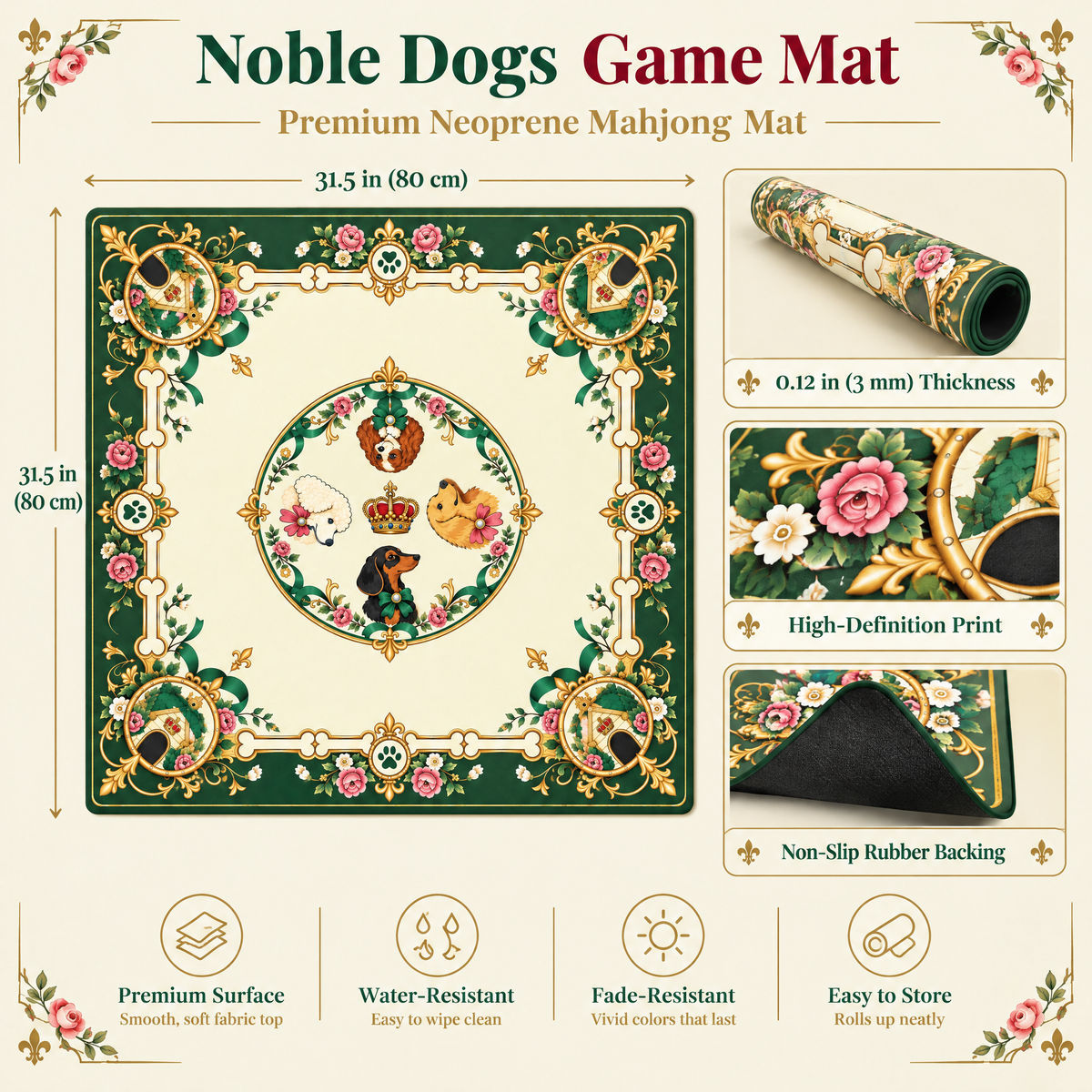
American mahjong sets live through dozens of games, spilled drinks, and basement storage—yet most people never clean or maintain them. Acrylic tiles resist staining better than bone or bamboo, but they scratch, dull, and crack under neglect. Clean tiles monthly with a soft, lint-free cloth and mild soapy water (never abrasive pads); dry immediately to prevent water spots. Store sets in cool, dry conditions away from direct sunlight, heat, and humidity—ideally in an acid-free bag or case. Replace missing or damaged jokers promptly; they're essential to American play. Inspect racks and pushers for warping and mats for mold or stains. A well-maintained Mahstead acrylic set lasts decades if kept out of extreme temperatures and protected during transport. 🀄 Shop best-selling mahjong sets →
How do you clean acrylic mahjong tiles safely?
Water and mild detergent are your only tools. Mix a few drops of dish soap into room-temperature water, dampen a microfiber cloth—never saturate it—and wipe each tile gently in the direction of the engraving. Dry immediately with a second lint-free cloth to prevent spots and residue buildup. Never use paper towels (they're abrasive), solvents, alcohol, or bleach; these dull the surface and can damage the engraving or the joker symbols. Test your cleaning cloth on a joker tile first—it should leave no streaks or dust. For stubborn dust trapped in character grooves, a soft brush or old toothbrush works, then wipe clean. Store the set only after tiles are completely dry; moisture trapped in a closed bag invites mold.

Why do tiles get cloudy or dull?
Acrylic dulls from three sources: water spots and mineral deposits, scratches from contact with rough surfaces, and UV exposure. Hard water leaves white chalky residue if tiles dry unwashed; wipe spills immediately. Stacking tiles carelessly or sliding them across unpadded tables scratches the surface and gradually erases the printed numbers and suit marks. Sunlight and heat fade colors and can warp racks or mats. If dullness is light, try buffing gently with a microfiber cloth. Deep scratches cannot be removed—they're cosmetic only and don't affect play, but they signal that storage conditions or handling need improvement. Store sets in a cool, dark place and use a padded mahjong mat to protect tiles during play.
What's the best way to store a mahjong set long-term?
Cool, dry, and dark beats everything. A basement corner or closet works better than an attic (which heats up in summer) or under-sink cabinet (humidity spikes). Ideally, keep the set in its original travel bag or rigid case—these are designed to block light, regulate temperature, and cushion tiles during moves. If you don't have a case, place the complete set (all 160 tiles, racks, and mat) in an acid-free storage box with a desiccant packet to absorb moisture. Never store sets in plastic bags; they trap condensation. Check your set every 6–12 months: open the bag, air it out for an hour, inspect for mold or warping, and reseal. If your storage area floods or experiences temperature swings above 75°F or below 55°F, consider a climate-controlled cabinet or even a small dehumidifier—this is especially critical in humid regions like Texas summers.
How do you fix cracked or missing tiles?
Missing or broken jokers must be replaced; American mahjong requires exactly 8 jokers, and any incomplete set is unplayable. Acrylic tiles occasionally chip at the corner if dropped or crushed—light chips don't affect play but signal rough handling. Minor cracks sometimes repair with clear epoxy or acrylic cement (test on a spare tile first), but most players replace the tile entirely. When you order a replacement set or spare tiles, match the engraving style and tile thickness to your original set. Keep two or three spare jokers on hand from the start; they come with most 160-tile sets as extras. Store them in the same environment as your playing tiles so the acrylic ages uniformly. Cracked racks and pushers are harder to repair—warped racks should be replaced if tiles no longer sit flat or the pusher binds.
How often should you inspect your set for wear?
Before every game and after every season. A 30-second pre-play scan catches missing jokers, cracks, and tiles that stick to each other (a sign of moisture or mold). Once monthly during heavy play seasons, wipe all tiles, check rack hinges and pusher slides, and air out the storage bag. Once per season, inspect the mat for stains, mold, or tears—especially if you play outdoors or in humid rooms. Watch for warping: lay the mat flat on a level table; if it stays flat and edges don't curl, it's fine. If racks feel sticky or grind when you slide the pusher, the hinge may be damp—wipe the assembly, dry thoroughly, and leave it unsealed overnight. Replace any mat or mat edge that shows mold (black or green spots); mold spreads to tiles. If you host weekly games, this inspection rhythm becomes automatic and catches problems before they ruin tiles or spread to other players' sets.
Seasonal Care: A Quick Checklist
Issue | Season | Check | Fix |
Humidity, mold | Summer, rainy | Tiles, mat, bag interior | Open to air, desiccant, new case |
Cold, warping | Winter (unheated rooms) | Racks, mat edges | Move to 65–72°F environment |
Dust, fading | Dry months | All tiles, jokers | Gentle wipe, store away from window |
Water exposure | After spills or play outdoors | Every tile, underside, racks | Dry immediately, air set for 1 hour |
🎁 See our most-loved mahjong sets & accessories →
What should you look for when buying a replacement set?
Match the original: same engraving style (numbers vs. characters), tile thickness, and color depth. Most American sets use acrylic, which is easier to clean and more durable than bone or bamboo. Confirm the new set includes 160 tiles (152 playing tiles plus 8 jokers as spares) so you always have backups. Check that racks with pushers are included and the mat is the right size for your table (typically 40" × 40" to 42" × 42"). If you play frequently or in a group, an engraved set adds personality and makes it easy to identify your set during club play. Avoid sets without a padded bag or case—travel and storage protection is worth the extra cost. Buy from sellers who stock spare jokers and replacement parts; you'll need them eventually.
✨ Find your Mahstead set — free US shipping →
Common mistakes that damage sets
Storing in plastic bags without ventilation: Traps moisture and promotes mold within weeks, especially in humid climates.
Mixing old and new sets mid-game: Acrylic ages differently—tiles may have different friction or stickiness. Keep each set together.
Leaving the set in a hot car or attic: Heat softens acrylic and can warp racks permanently. Tiles become brittle after years above 80°F.
Stacking heavy objects on the closed case: Cracks corner tiles or presses tiles together, making them stick.
Using abrasive cleaners or rough cloths: Scratches the surface and fades engraving faster than time alone.
Ignoring water spills: Let a spill sit for an hour and mold begins. Wipe and dry every tile immediately.
What to check before you buy
Set contents: Confirm 160 tiles (152 + 8 jokers), racks, pushers, mat, and a padded bag or case.
Tile thickness & weight: Match your current set if replacing; consistency matters for shuffling and play feel.
Engraving clarity: Tiles should have sharp, readable numbers or characters—test a few under good light.
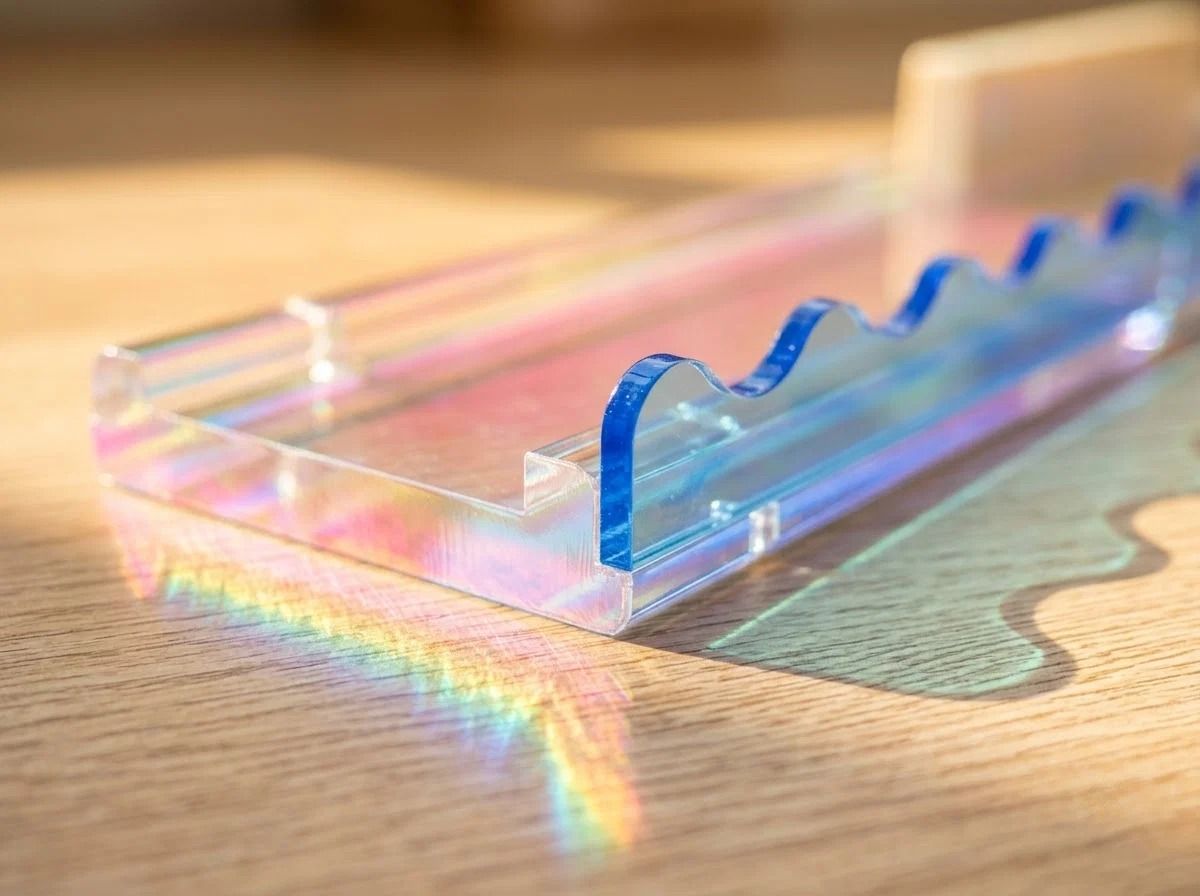
Rack condition: Hinges shouldn't squeak or bind; pushers should glide smoothly.
Mat material: Rubber or microfiber backing? Check that it grips your table; some mats slip on laminate.
Storage included: A case or bag rated for frequent travel is worth the investment; check zipper quality.
Spare jokers: Confirm extras are included; you'll replace them over time.
We also offer engraved mahjong sets with custom titles if you want a set that's unmistakably yours and easier to protect during group play. For the holidays, Christmas mahjong sets make great gifts and often include protective cases designed for long-term storage. Browse our new arrivals to find sets with the latest acrylic finishes and engraving options.

FAQ
Can you use vinegar or rubbing alcohol to clean acrylic tiles?
No. Alcohol dulls acrylic and may dissolve the tile finish or fade engraving. Vinegar leaves streaks and a smell. Stick to mild soap and water, wiped dry immediately.
How do you remove mold from a mahjong mat?
Wipe the surface with a cloth dampened in equal parts white vinegar and water, then air-dry in sunlight for 2–3 hours. If mold returns or staining persists, replace the mat—mold spreads to tiles and bags.
What's the ideal temperature and humidity for storing a mahjong set?
55–72°F and 30–50% relative humidity. Basements often exceed 60% humidity in summer; use a desiccant packet or small dehumidifier to stay in range.
Do acrylic tiles warp if they get too hot?
Yes, sustained heat above 80°F softens acrylic over months. Racks and mat edges are most vulnerable. Never leave a set in a hot car or uninsulated attic.
How often do you need to replace jokers in an American mahjong set?
Every few years with heavy weekly play. Jokers wear fastest because they're handled the most. Keep spare jokers in the same storage conditions as your set so they age together.
Can you repair a chipped tile corner with glue?
Minor chips can be sealed with clear acrylic cement, but the repair is cosmetic and may feel rough. For playability, replacement is safer—the chip won't affect gameplay, but a sharp edge can catch on other tiles.


View More
View More
View More
