
American Mah Jongg Tournament Rules: Official Play & Penalties
Last updated: Nov 23, 2026
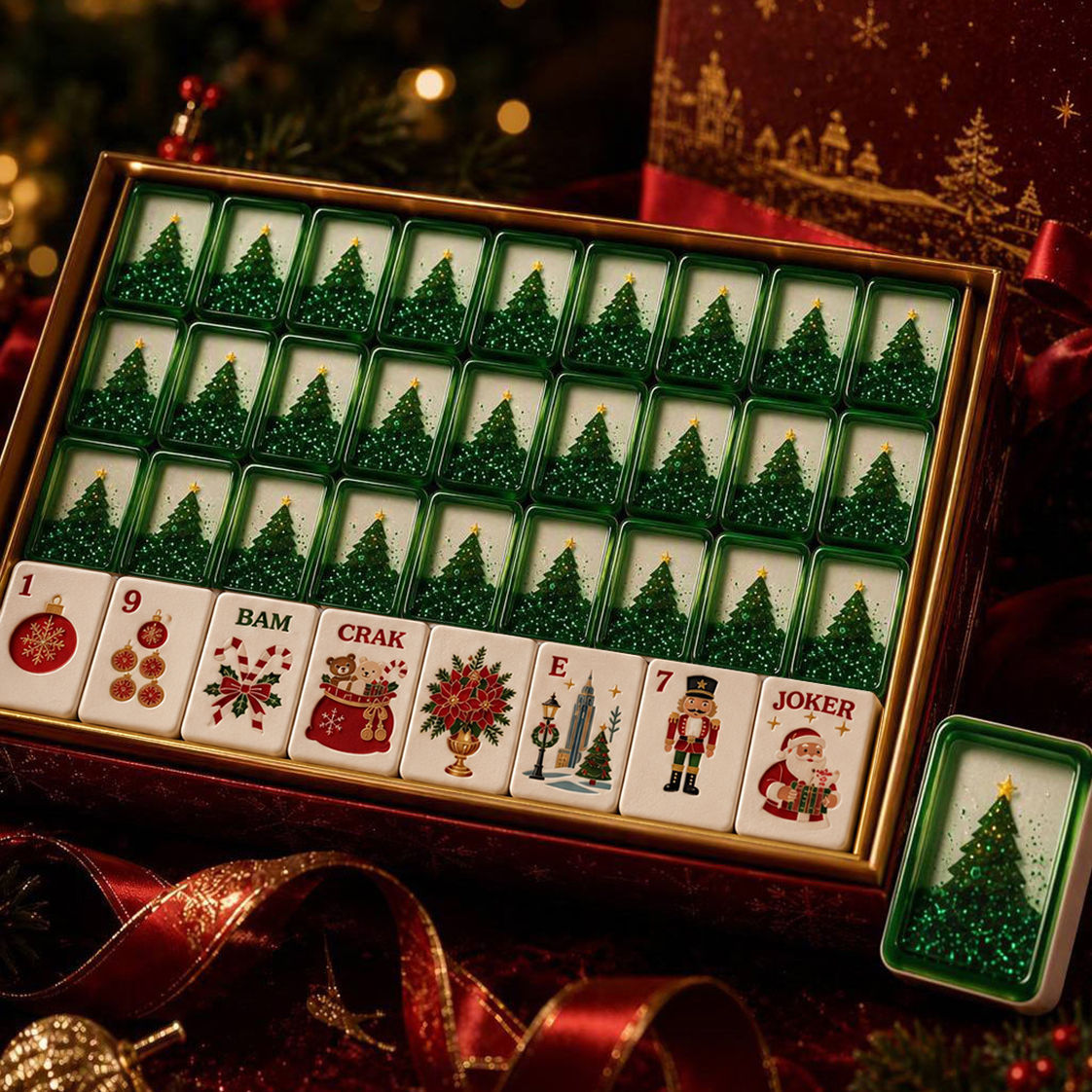
American tournament mahjong is governed by the National Mah Jongg League (NMJL) rulebook, used in sanctioned events across the US and internationally. Play uses exactly 152 tiles plus 8 jokers; hands come only from the current year's official card, issued each spring. A game lasts roughly 2–3 hours for multiple rounds. Hands must be exact matches to the card—no variations allowed—and tiles called or exposed follow strict visibility and legality rules. Penalties range from dead hand (automatic loss) to point deductions for misexposed tiles, wrong discards, or failure to declare mahjong. Most tournaments require players to purchase or bring their own acrylic tiles and mats; our best-selling sets meet NMJL standards for competitive play.
Tournament mahjong is governed by the National Mah Jongg League (NMJL) rulebook, used in sanctioned events across the US and internationally. Play uses exactly 152 tiles plus 8 jokers; hands come only from the current year's official card, issued each spring. A game lasts roughly 2–3 hours for multiple rounds. Hands must be exact matches to the card—no variations allowed—and tiles called or exposed follow strict visibility and legality rules. Penalties range from dead hand (automatic loss) to point deductions for misexposed tiles, wrong discards, or failure to declare mahjong. Most tournaments require players to purchase or bring their own acrylic tiles and mats; our best-selling sets meet NMJL standards for competitive play.
What makes a hand legal in tournament play?
A legal hand must match a pattern on the current year's NMJL card exactly—no more, no fewer tiles; no substitutions; no mixing patterns. If your hand matches a card pattern, it's legal. If it doesn't, it's dead and you pay all players. Many players hand-check their tiles against the card before declaring to avoid this penalty. The card is organized by symbol (like "2 Like Numbers" or "Consecutive Pungs"), number of tiles, and joker allowance—always verify your pattern's exact requirements before calling mahjong, because one extra joker or a tile from the wrong suit nullifies the hand instantly.

How strict are exposure rules during play?
Tournament rules strictly govern what tiles you can show and when. You may expose and lock a pung (three identical tiles), kong (four identical), quint (five), or sextet (six)—but only if you called them from another player's discard or drew the completing tile from the wall. Exposure happens when it's legally your turn; once exposed, a tile group stays locked and counts toward your melds. Jokers in exposed sets must be in positions that make logical sense (filling gaps in sequences or extra copies of numbered tiles). If you expose tiles that don't follow these rules—for example, jokers as singles or in improper spots—you face a penalty and the hand may become dead. Tournament chairs watch for this carefully, so know your group's composition before locking tiles.
What happens if you call the wrong tile or expose illegally?
Calling a tile you cannot legally claim (one not yet discarded, or calling someone else's tile) results in a dead hand and payment to all players. Exposing tiles that violate exposure rules typically costs you points or may trigger a hand penalty depending on the infraction's severity. If you discard the wrong tile—for example, a tile that breaks a required exposure or matches a pattern you're working toward—you cannot take it back once it touches the table or discard pile. Some tournaments allow a brief window to correct a discard if it hasn't been picked up, but most are strict: once tabled, it stands. The best defense is to play slowly, double-check your tile before releasing it, and ask the chair or other players if you're unsure about a call or exposure rule.
How do scoring and penalties affect tournament standings?
In tournament play, each hand is scored according to the NMJL's points scale—typically based on the hand's difficulty, the number of jokers used, and whether it was called or hand. Penalties reduce your score: paying all players for a dead hand, losing points for an illegal exposure, or forfeiting a round for repeated violations. Tournament standings rank players by total points across all rounds, and ties are often broken by head-to-head records or a playoff hand. If you incur a serious penalty—such as declaring mahjong when you don't actually have a legal hand—you may be ejected from the tournament. Most tournaments publish their penalty matrix in the rules packet before play begins, so read it carefully and ask the chair before the first round.

What's the difference between tournament and casual play rules?
Casual home games often relax strict hand-matching or allow house variants (like accepting hands one or two years old, using informal scoring, or permitting chow-like patterns), but tournaments enforce only the current year's official card and NMJL rulings without exception. Tournament play requires a chair or scorekeeper to monitor compliance, whereas casual games rely on player agreement. Casual games may allow take-backs or informal corrections; tournaments do not. The pillar guide to how to play American mahjong covers both casual and tournament fundamentals, but tournament rules are non-negotiable—ignorance is not a defense. If you plan to compete, study the official NMJL rulebook or attend a clinic before your first sanctioned event.
What equipment do tournament organizers expect players to bring?
Most tournaments require or strongly recommend that each player bring their own set of acrylic tiles (152 tiles plus 8 jokers) and a personal mat to play on. This ensures tile consistency and reduces disputes over tile wear or clarity. Organizers may provide mats as a courtesy, but many players prefer their own for comfort and familiarity. A strong acrylic set from our best-selling mahjong sets collection is durable enough for tournament play and meets official standards. If you're hosting or chairing a tournament, confirm in advance whether you'll provide sets and mats for all players or ask everyone to bring their own; this affects your prep significantly.
🀄 Shop best-selling mahjong sets →
Common tournament mistakes and how to avoid them
Mistake | Result | Prevention |
Mixing tiles from two different sets | Inconsistent marks, disputes over tile identity | Bring one complete set; label it clearly |
Calling a tile before it's fully discarded | Dead hand, payment to all players | Wait until the discard lands; ask chair if unsure |
Exposing jokers in a single tile or pair | Hand dead or penalty | Jokers only in melds of 3+; never as pairs |
Forgetting the current year's card | Hand mismatch; dead hand | Carry a copy of this year's card; verify before declaring |
Discarding too hastily | Wrong tile tabled; cannot retract | Pause, look at your rack, confirm your discard matches your strategy |
Mis-scoring your hand afterward | Dispute; loss of trust | Record score immediately; have chair or all players verify |
Before you join or host a tournament: what to check
Bring your own set? Confirm whether the tournament expects you to bring acrylic tiles and a mat. Most do; some larger events provide them. Pack your tiles in a sturdy mahjong bag and case to avoid damage during transport.
Card year. Tournaments use only the current year's NMJL card. Bring a printed or digital copy; don't rely on memory.
Rules packet. Request the tournament's specific rules, penalty matrix, and scoring system before you play. NMJL tournaments follow the official rulebook, but some events add house rules—know them in advance.
Tile condition. Before play, inspect your tiles and those in the wall for wear, marks, or foreign objects that might affect play. Report damage immediately.
Chair or scorekeeping. If you're hosting, assign one trusted player to track scores and adjudicate disputes. This role is not optional in tournament play.
Table setup. Use a mahjong mat with clearly marked walls and edges to prevent confusion over tile placement and calling validity.
🎁 See our most-loved mahjong sets & accessories →
Tournament American mahjong rewards precision, memory, and respect for the rules. The NMJL card changes annually, so even experienced players must study the new patterns each spring. Penalties are enforced to protect the integrity of the game—not to be punitive, but to keep play fair for all. If you're new to tournaments, attend a clinic or play a casual round with a tournament-experienced player to learn the rhythm and expectations. Keep your tiles clean, know your card, discard with intention, and call only when you're certain. Most tournament communities are welcoming to newcomers who show respect for the game and readiness to learn.
✨ Find your Mahstead set — free US shipping →

FAQ
Can I use a hand from last year's card in a tournament?
No. Tournaments accept only hands from the current year's official NMJL card issued each spring. Using an older hand is an illegal play and results in a dead hand.
What's the penalty for exposing tiles incorrectly?
Penalties vary by severity. Minor infractions may cost a few points; major illegal exposures can result in a dead hand and payment to all players. The tournament's rules packet specifies exact penalties.
If I accidentally discard the wrong tile, can I take it back?
Once a tile touches the discard pile or table, it cannot be retracted in tournament play. Some casual games allow a brief window; tournaments do not. Play carefully.
Who decides if my hand is legal—me or the chair?
Both should verify. Check your hand against the card yourself; then announce it. The chair (or all players, depending on tournament format) confirms legality before scoring. If there's a dispute, the chair's decision stands unless the official rulebook clearly contradicts it.
Can I use jokers in a pair or single tile in tournament play?
No. Jokers can only be used in exposed melds of three or more tiles and must occupy positions that make logical sense (like replacing a missing tile in a sequence or adding copies to a numbered tile). Jokers as singles or pairs make the hand illegal.
How do I find or join a tournament in my area?
Check community centers, libraries, synagogues, and country clubs in your city for mahjong clubs and tournament calendars. Many host NMJL-sanctioned events; ask staff or search online mahjong meetup boards for dates and registration details.


View More
View More
View More
