
2 Bam Tile in Chinese Mahjong: Meaning, Role & Rules
Last updated: Nov 23, 2026
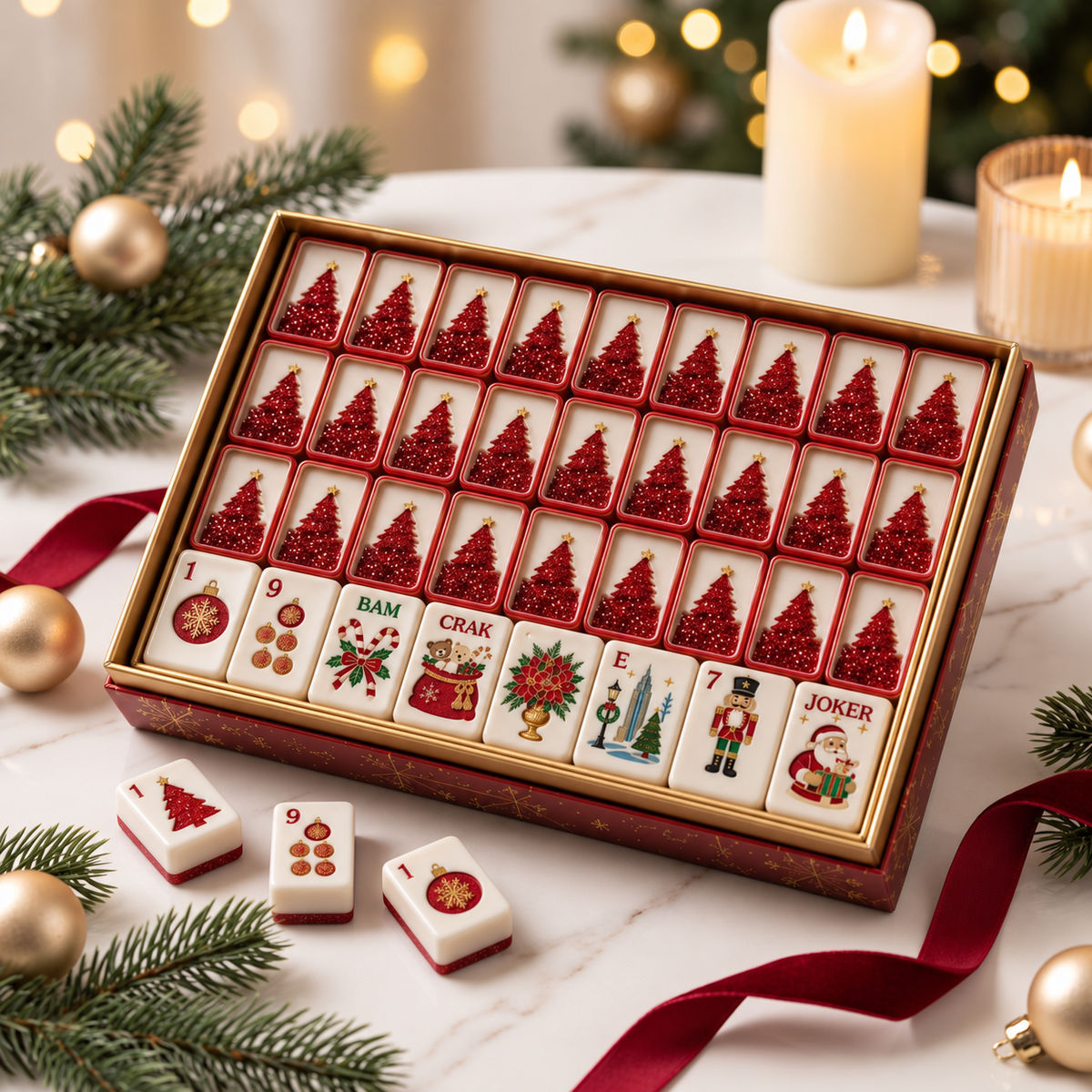
The 2 Bam (also called "two bamboo") is one of nine number tiles in the Bam suit, representing two bamboo stalks on a traditional mahjong tile. In American mahjong, the 2 Bam is one of four identical copies in a standard 152-tile set and can only be played as part of a pung (three identical tiles), kong (four), quint (five), or sextet (six)—never in a sequence. In Chinese and Hong Kong mahjong, the 2 Bam is part of chow sequences (like 1–2–3), so its value and tactical importance differ significantly. The 2 Bam's scoring and hand eligibility depend entirely on which year's National Mah Jongg League card you're using in American play, or which regional ruleset governs Chinese play. Beginners often confuse how the 2 Bam combines across variants—this article clears up those rules so you can build valid hands without costly errors. When you're ready to host a game with clarity and confidence, a quality set with legible tiles makes learning these distinctions much faster.
What does the 2 Bam look like on an actual tile?
The 2 Bam displays two bamboo stalks (or "sticks") as its symbol on the tile face, usually rendered as vertical lines or a stylized bamboo plant. The tile is printed with the Arabic numeral "2" and the Chinese character for bamboo (竹). American mahjong tiles use acrylic or bone with engraved or printed artwork; Chinese sets may use bone, bamboo, or plastic. The color of the Bam suit is traditionally green or teal on the tile background or outline. When you pick up a mixed hand, the 2 Bam is easy to spot because it sits between the 1 Bam (often featuring a bird, especially in American sets) and the 3 Bam in numerical sequence—but remember, in American play, you cannot use that sequence to form a chow; only identical copies of the 2 Bam form valid groupings.

How does the 2 Bam function in American mahjong?
In American mahjong, the 2 Bam serves as a number tile only—it has no special rank or wind-like status. You must collect four identical 2 Bams to form a kong, three to form a pung, five to form a quint, or six to form a sextet. It cannot appear in any sequence (chow) because American mahjong prohibits exposed chows entirely. The hand pattern you can form using 2 Bams depends on that year's National Mah Jongg League card; for instance, a pattern might call for "two pungs of 2 Bams" or a "sextet of 2 Bams plus a pair," but you look up legality on the card, not by intuition. Jokers can substitute for any 2 Bam in a pung, kong, quint, or sextet—a critical difference from Chinese variants. New American players often mistakenly try to chain a 1–2–3 sequence, which is invalid; the 2 Bam only combines with other identical 2 Bams or jokers covering for a 2 Bam.
🀄 Shop best-selling mahjong sets →
How does the 2 Bam differ in Chinese and Hong Kong mahjong?
In Chinese mahjong, the 2 Bam is a core part of chow sequences—you can legally pair it with a 1 Bam and a 3 Bam to form a chow (called a "run" or "sequence"), which is one of the primary winning combinations. The 2 Bam can also combine with two other 2 Bams to form a pung. In Hong Kong mahjong, the 2 Bam operates similarly but under different scoring rules; certain chows or pungs of 2 Bams score higher or lower depending on regional conventions. Neither Chinese variant uses the National Mah Jongg League card—hand validity is determined by memorized winning patterns and suite-specific rules. Crucially, no jokers or wild tiles exist in traditional Chinese mahjong, so the 2 Bam cannot be replaced; you must draw or retain the actual tile. This fundamental difference means a hand-building strategy in Chinese play (where you hunt for sequences and flexibility) is completely incompatible with American play (where you rely on identical pungs and joker substitution).
Can jokers replace a 2 Bam in American mahjong?
Yes—in American mahjong, a joker can substitute for any 2 Bam within a pung, kong, quint, or sextet. For example, if you need three 2 Bams to form a pung but have only two actual 2 Bams in your hand, you can use one joker as the third. However, jokers have strict limits: you cannot use a joker to form a pair, and you cannot use a joker as a single tile by itself. If a hand pattern requires, say, "a pair of 2 Bams and a pung of 2 Bams," you must have at least two actual 2 Bams for the pair; jokers fill only the pung. This rule prevents beginners from wildcarding their way to false wins. When you're building a hand, count your actual 2 Bams first, then ask whether jokers can legally fill the gaps—checking against the current year's card ensures you're legal before you call "mahjong." Understanding joker placement is so critical that most weekly players keep a cheat sheet handy during their first season.
Why does the 2 Bam matter when choosing a mahjong set?
Tile clarity and size directly affect how quickly you spot and sort 2 Bams during play. If your set has small, poorly engraved tiles or dim colors, confusion over the Bam suit—especially confusing 2 Bams with 2 Craks or 2 Dots—costs time and leads to errors. Acrylic tiles with deep engraving and bold color separation (green for Bams, red for Craks, white for Dots) let you organize your hand at a glance. Racks with built-in tile holders also matter: when your 2 Bams are neatly stacked by suit and number, you can instantly confirm whether you have enough identical copies for a valid grouping. A high-quality acrylic set with legible engraving and a matching mat makes learning the rules faster and hosting games more professional. Poor tile legibility often frustrates new players more than rule complexity; the 2 Bam should be unmistakable at a glance.
🎁 See our most-loved mahjong sets & accessories →

Comparison: 2 Bam Across Game Variants
Variant | Sequences Allowed | Jokers Available | 2 Bam in Pair | Typical Groupings with 2 Bam | Hand Source |
American | No | Yes (8 in play) | Joker cannot form a pair | Pung, kong, quint, sextet only | Annual League card |
Chinese | Yes (1–2–3) | No | Actual tile only | Pung, chow, single | Memorized patterns |
Hong Kong | Yes (1–2–3) | No | Actual tile only | Pung, chow, single | Regional ruleset |
What to check before you buy a mahjong set for learning the 2 Bam rule
Tile size: Confirm the set is standard size (¾ inch or larger), so numbers and suit symbols are readable under game lighting.
Suit color consistency: All Bams should display the same green or teal tone; Craks (red), Dots (white/blue) must be visually distinct.
Engraving depth: Run your finger over a 2 Bam; the number and bamboo symbol should be raised or cut clearly, not a flat print that fades with use.
Complete tile count: A 160-tile set contains 152 playable tiles (including four 2 Bams) plus spare tiles; verify the packing list before play.
Matching rack and mat: If you're hosting, pair your tiles with a mat that divides player areas clearly and racks that organize tiles by suit.
When does the 2 Bam appear on the National Mah Jongg League card?
The 2 Bam appears in dozens of hand patterns on each year's card, but specific patterns change annually. For example, one year's card might feature a hand like "two pungs of 2 Bams, a kong of 3 Craks, and a pair of Winds," while the next year's card might eliminate that exact pattern or shift the 2 Bam's role. You cannot memorize 2 Bam placement across years—you must consult the current year's card every time you play American mahjong. This is why new players should bookmark or print their League card before the season starts. Beginners often ask if older cards work; the answer is no—the rules require the current card to settle all disputes. Knowing when a 2 Bam is legal comes down to reading the card quickly, which is a skill in itself; our guide to reading the card walks you through the sections and notation so you can confidently verify any hand.
✨ Find your Mahstead set — free US shipping →
Setting up your first game with 2 Bams in mind
When you sit down to host, sort your tiles by suit and number before the Charleston (the tile-passing ritual that opens the game). Lay out all four 2 Bams in a visible pile so players can verify the count—many groups do this for all number tiles as a confidence check. During play, remind beginners that the 2 Bam can only join with other 2 Bams or jokers covering a 2 Bam; it cannot bridge to a 1 Bam or 3 Bam. If someone claims a hand using a 1–2–3 sequence, politely remind them that American mahjong does not allow exposed sequences, and ask them to recheck the card. These small pauses prevent arguments and help newcomers internalize the core rules. A clear, durable mat with marked player zones and organized racks for each player make this teaching moment smooth and professional.

FAQ
Can I use a 2 Bam in a sequence like 1–2–3 in American mahjong?
No. American mahjong prohibits exposed sequences (chows) entirely. The 2 Bam can only combine with other identical 2 Bams or jokers within a pung, kong, quint, or sextet.
How many 2 Bams are in a standard American mahjong set?
Four. A 160-tile set contains 152 playable tiles, including exactly four identical 2 Bams (one for each of the four game copies of every number tile).
If I have two 2 Bams and two jokers, can I form a pung?
No. You can form a pung of two 2 Bams plus one joker (totaling three). A joker cannot be used in a pair, and a pung must be exactly three identical tiles (or jokers covering them).
Does the 2 Bam score more or less than other number tiles in American mahjong?
Scoring depends on the pattern on the current year's National Mah Jongg League card, not the tile itself. Some patterns containing 2 Bams may score higher, others lower; consult the card for the specific hand.
In Chinese mahjong, what sequences can I make with the 2 Bam?
The 2 Bam forms a chow (sequence) with a 1 Bam and a 3 Bam. It also forms a pung with two other 2 Bams. No jokers replace it; you must hold the actual tile.
What's the easiest way to avoid confusing the 2 Bam with other tiles?
Choose a set with distinct suit colors—green for Bams, red for Craks, white for Dots—and arrange your tiles by suit and number on a clearly marked rack before the Charleston begins.
If I'm playing with mixed variants (some American, some Chinese players), which 2 Bam rule applies?
Agree on one ruleset before the game starts. American and Chinese mahjong are incompatible; mixing them creates disputes. Pick one, stick with it, and use the appropriate card or rulebook.


View More
View More
View More
