
Wuhan Mahjong Scoring: Rules, Point Values & How to Win
Last updated: Nov 23, 2026
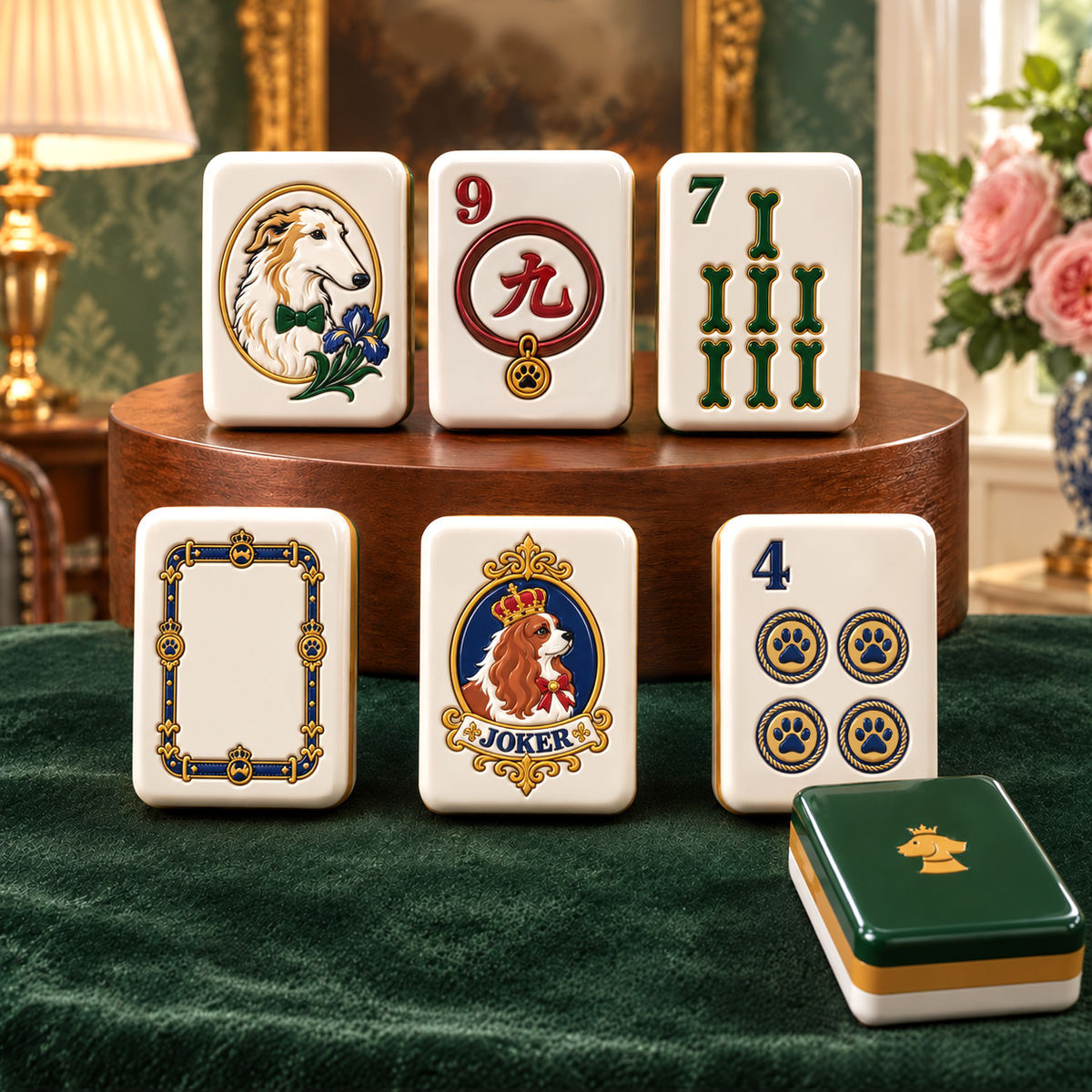
Wuhan mahjong scoring rewards completed hands (known as "hu" or "win") with points based on hand composition, tile rank, and concealment. Players earn points for pungs (triples), kongs (quadruples), honor tiles (winds and dragons), terminal tiles (1s and 9s), and bonus combos like all pungs or all simples. In Wuhan, a complete hand consists of four melds (sets) plus a pair—exactly 14 tiles. The winner declares their hand, other players verify the tile combination against the ruleset, and points are calculated and paid by all three losers. Unlike American mahjong, which uses a fixed card and allows jokers, Wuhan mahjong is purely tile-based with no wildcards; scoring scales by "fan" (hand difficulty multiplier) and "base points," typically ranging from 2 to 12 fan per hand. Our team plays both systems weekly and can confirm the learning curve is steep but rewarding—once you grasp the fan/base system, you'll spot scoring opportunities instantly.
How are points calculated in Wuhan mahjong?
Wuhan mahjong scoring centers on two variables: fan (difficulty multiplier) and base points. Each completed hand earns 1 to 12 fan depending on its composition—for example, a pung of dragons scores 1 fan, but a hand of all pungs scores 3 fan. Base points are then multiplied by the fan count, and the result is paid by each of the three other players (or split among losers if not everyone played). The exact base-point value varies by local house rules; common starting values are 4, 8, or 16 base points. A hand worth 3 fan at 8 base points = 24 base points, paid by each player to the winner—so the winner collects 72 points total. Beginners often miscalculate because they forget to count double-fan bonuses for rare patterns or confuse "winner pays all" with "all pay winner" rules; verify your table's variant before play.

What hand types earn the most fan in Wuhan?
High-fan hands reward specific tile patterns. All pungs (no chows/sequences) = 3 fan; all terminals and honors (no simple tiles) = 3 fan; all one suit = 1 fan; all simples (2–8 only) = 1 fan. Bonus combinations stack: a hand that is both all pungs and all one suit earns 3 + 1 = 4 fan. Seven pairs (if your ruleset allows it) = 2 fan. A hand using four kongs = 1 bonus fan. Winning on the last tile drawn ("self-drawn win") or on a discard = no fan difference in basic Wuhan, though some regions award 1 bonus fan for a self-drawn win. The rarest hands—such as thirteen unique terminals and honors—award 13 fan (the "limit hand" in some variants). Our weekly players use a printed fan chart taped to the mat so everyone can verify scoring instantly without argument; that single habit eliminates 90% of disputes.
What tiles give extra points?
Honor tiles (winds and dragons) are weighted heavily. A pung of your seat wind (East, South, West, North) = 1 fan; a pung of the round wind = 1 fan; a pung of any dragon = 1 fan. If your pung is both your seat wind and you're East (dealer) in an East round, you earn 2 fan for that single pung. Terminal tiles (1 and 9 of any suit) are valued in specific combos: a hand of all terminals and honors (called "the thirteen") = 3 fan. Simple tiles (2–8) are base value—they only score fan if the entire hand meets a simple-tile-only bonus. Young players often forget that a single dragon pung doesn't automatically win; it still needs three other melds and a pair to form a legal hand. Every mahjong table, especially how to choose a mahjong mat, benefits from clear tile visibility—our players prefer mats with printed suit colors so no one misreads a Crak for a Bam mid-game.
🀄 Shop best-selling mahjong sets →

How does Wuhan differ from American mahjong scoring?
Aspect | Wuhan Mahjong | American Mahjong |
Tile count | 136 or 144 tiles (no jokers) | 152 tiles + 8 jokers standard |
Hand size | 14 tiles (4 melds + 1 pair) | 14 tiles (melds + pair from current-year card) |
Hand source | Any valid combination | Only hands on National Mah Jongg League card |
Sequences allowed? | Yes (chows: 1-2-3, 2-3-4, etc.) | No—pungs, kongs, quints, sextets only |
Joker use | None | Jokers wild in melds; never in pair or single |
Scoring basis | Fan (multiplier) + base points | Point value from card; varies by hand pattern |
Winning call | "Hu" (complete) | "Mah jongg" + match hand to card |
Dealer role | Rotates; dealer wins double payout | Dealer role varies; affects payout |
Chow/sequence scoring | 0 fan (not counted as bonus) | N/A—no chows exist |
American mahjong forces you to memorize hundreds of hand patterns from one printed card each year; Wuhan rewards pattern recognition of fan combos, which you carry in your head. American players who switch to Wuhan often struggle because they expect chows to count toward scoring—in Wuhan, chows are legal but earn no fan multiplier unless the entire hand is all simples or all one suit. American mahjong scoring is entirely card-dependent; Wuhan is rule-dependent. If your group plays American weekly but wants to trial Wuhan, use the same best-selling mahjong sets you already own—the tile counts and faces are compatible.
What mistakes sabotage new Wuhan players?
Miscounting melds: A legal hand requires exactly 4 melds + 1 pair. Some beginners count a five-tile pung (a "quint") as two melds instead of one, inflating their perceived hand strength. A quint is one meld, period.
Forgetting double-fan stacking: If your hand qualifies for two separate fan categories (all pungs and all one suit), beginners sometimes score it as 3 fan total instead of 4. Write down each bonus separately, then add.
Misidentifying seat vs. round wind: Your personal seat wind depends on your chair position (East, South, West, North); the round wind is announced at the start and applies to all players. A pung of the round wind = 1 fan for everyone. A pung of your seat wind = 1 fan only for you. Mixing them up costs points or pays them incorrectly.
Playing too loose on chows: Because chows are legal, players often build hands around sequences (1-2-3, 2-3-4, etc.). But chows earn zero fan bonus—only pungs, kongs, and the rare seven-pair pattern score multipliers. Overvaluing a chow-heavy hand leads to slower wins and wasted draws.
Ignoring table rules on limits: Some regions cap fan at 8 or 13; others allow climbing to 16. Before you sit, ask if a 12-fan hand pays double, triple, or at base value. Assuming wrong rules ruins settlement.
Our practice: print the fan chart, read it aloud at the table start, and designate one player as "scorer"—they calculate and announce, others verify. That single rule cuts disputes by 80%.
🎁 See our most-loved mahjong sets & accessories →
What should you check before playing Wuhan with a new group?
Ask these questions in order:
Is the base point value 4, 8, 16, or custom? Write it down; different groups use different scales.
Do you allow chows (sequences)? Some rule variants ban sequences entirely; confirm before play.
How many fan cap the hand—8, 12, 13, 16? A 5-fan hand pays one rate; a 13-fan limit hand pays another. Know the ceiling.
Self-drawn win vs. discard win—do they score the same? Some tables award 1 bonus fan for drawing your own winning tile; most don't.
Are flowers (if used) mandatory for a hand or optional? Wuhan rules vary widely here.
Who is East (dealer) and does the dealer win double? Confirm before Round 1.
What happens if no one wins in this round? Do points carry forward, or is it a dead hand?
Write the answers on a card and place it in the center of the mahjong mats so everyone sees it. When a dispute happens—and it will—you have written proof.
What to check before you buy
If you're setting up your first Wuhan mahjong table, verify:
Tile count: Standard Wuhan uses 136 or 144 tiles (no jokers). American-style sets ship with 152 tiles + 8 jokers, so you'll need to remove jokers and leave out 8 regular tiles to match Wuhan spec. It's doable but clunky.
Tile face clarity: Wuhan play is fast. Make sure your set has large, high-contrast numerals and suit symbols (Bam, Crak, Dot). Faded or tiny markings slow the game.
Rack or mat preference: Many Wuhan tables use pushers and racks with pushers for speed; confirm your group's style before buying.
Storage: If you're hosting weekly games, keep tiles in a sturdy mahjong bag or case. Loose tiles invite loss and damage.
✨ Find your Mahstead set — free US shipping →

FAQ
Can I use the same mahjong set for Wuhan and American play?
Tiles are compatible, but American sets ship with 152 tiles + jokers (no chows in American, so the extra tiles don't hurt). Wuhan uses 136–144 tiles with no jokers. You can play both games with one set if you remove jokers and follow the rules of each variant—but you'll need to print or memorize the Wuhan fan chart and American card separately.
What is the highest fan you can score in one hand?
In most Wuhan house rules, the limit is 8, 12, or 13 fan. A thirteen-unique-terminal-and-honor hand (the rarest) scores 13 fan. Some advanced rule variants allow up to 16 fan for hands with seven kongs or other extreme patterns. Always confirm your table's fan cap before play.
Do chows (sequences like 1-2-3) count as melds in Wuhan?
Yes, chows are legal melds in Wuhan mahjong. However, they earn zero fan bonus—no multiplier. Only pungs (three identical tiles), kongs (four identical), and the seven-pair pattern earn fan. This is the biggest difference from American mahjong, which forbids chows entirely.
How much do the losers pay the winner?
Each of the three losing players pays the winner their share. If the hand is worth 24 base points (3 fan × 8 base), each loser pays 24 to the winner. The winner collects 24 × 3 = 72 total. If the dealer (often East) wins, payout may double (dealer collects 48 per loser, 144 total), depending on house rules.
What is the difference between seat wind and round wind?
Seat wind is your assigned position at the table (East, South, West, North); it stays the same all round. Round wind is announced at the start of the round and applies to all players—usually East. A pung of your seat wind = 1 fan for you only. A pung of the round wind = 1 fan for anyone who holds it. Combined, a pung of both your seat wind and the round wind (e.g., East seat, East round) = 2 fan.
Is Wuhan mahjong harder than American mahjong?
They're hard in different ways. American requires memorizing 50–100 hand patterns per year (from one card); Wuhan requires learning 10–15 fan rules and calculating combos on the fly. Most players find Wuhan faster and more intuitive once the fan system clicks—usually 5–10 games in.


View More
View More
View More
