
Wright-Patterson Mahjong Tips: Rules, Setup & Game Strategy
Last updated: Nov 23, 2026
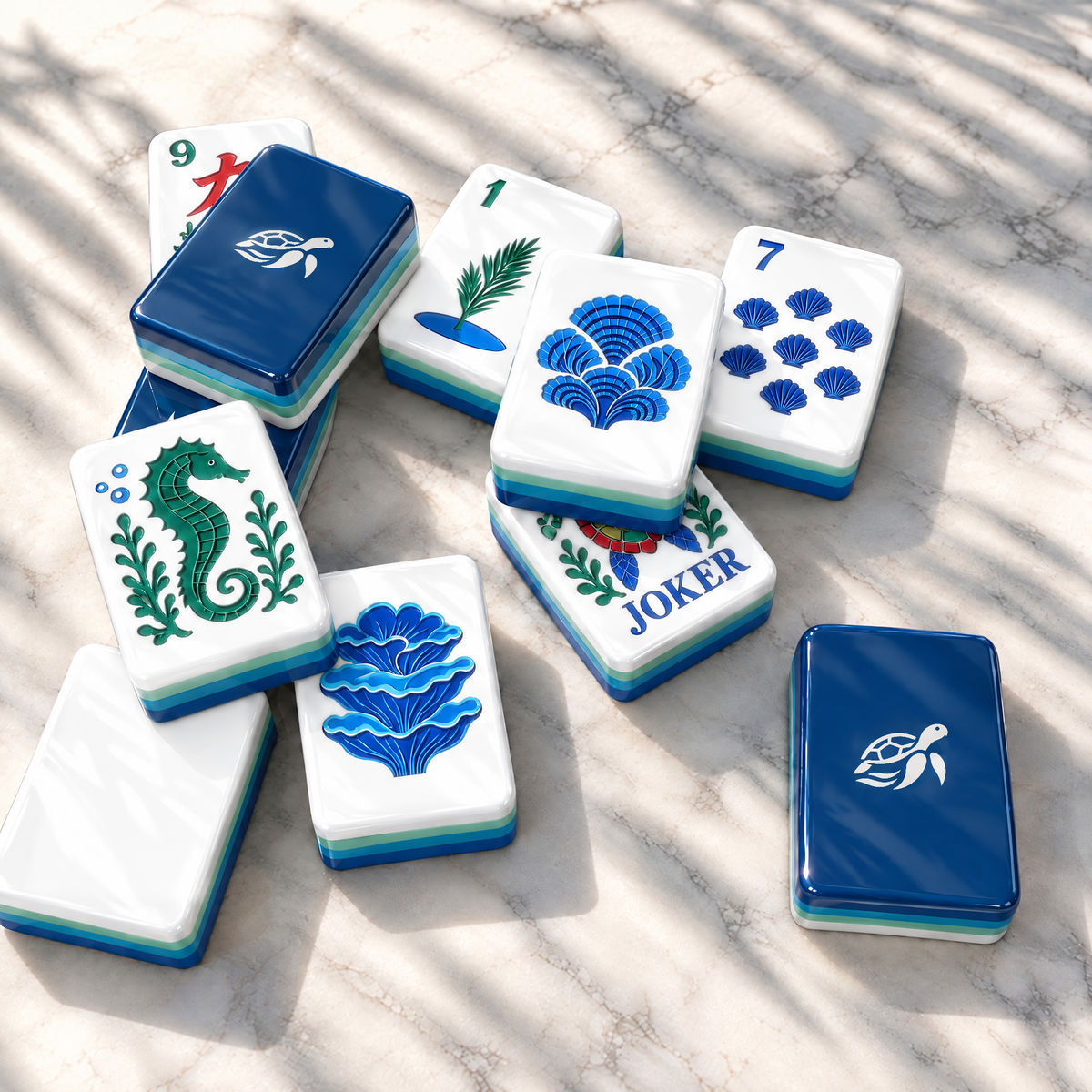
American mahjong, played at Wright-Patterson and military communities nationwide, uses 152 tiles (three suits × 1–9 numbers, four copies each; 16 winds; 12 dragons; 8 flowers; 8 jokers) plus a current-year hand card from the National Mah Jongg League. The game opens with a Charleston—a tile-passing ritual—then play proceeds counterclockwise; players expose only pungs (three identical tiles), kongs (four), or larger sets, never sequences. A winning hand matches the card exactly: tiles in the right groups, right numbers. We recommend 160-tile acrylic sets from best-selling collections because they withstand weekly play in any climate; mats prevent tile drift, and racks with pushers keep hands organized during long sessions. Most mistakes stem from misreading the hand card or treating jokers as wildcards in single tiles—both cost the game.
What exactly does American mahjong use, and why 160 tiles instead of 144?
American mahjong always plays with exactly 152 tiles: three Bam, Crak, and Dot suits (numbers 1–9, four copies each = 108 tiles); 16 winds (four N, E, W, S × four); 12 dragons (four Red, four Green, four White); plus 8 Flowers and 8 Jokers. A 160-tile set includes spares—extra jokers or blanks—that never enter play but replace damaged tiles over years of weekly games. Older 144-tile sets, common in Asia, omit flowers and run out too fast in a full group. Standard American play demands all 152 at the table; spares sit unused.

How do I avoid the most common setup mistakes?
The biggest error: assuming jokers work like wildcards in a single tile or pair. Jokers can only substitute in groups of three or more identical tiles—never in a single spot or the pair. Second mistake: misreading the hand card. Each section shows patterns (like "2468B 2468C 2468D"—a Quint each suit); the card lists hands for the current year only. Third: playing with incomplete tile calls. You may expose pungs, kongs, quints (five), and sextets (6), but never chows (sequences like 1-2-3), which exist only in concealed hands. A third player calling out when tiles move prevents confusion.
What's the step-by-step Charleston and why does it matter?
Before any hand begins, each of the four players passes three tiles to the right, then three more to the left, then one tile to the player opposite—a ritual called the Charleston. Exchange happens simultaneously, facedown. A few groups skip it or rush, which scrambles the tile distribution meant to keep luck balanced across seats. The Charleston takes two minutes. Set up your mahjong mat with marked zones (marked mats show where each player sits and where discard piles go), and use racks with pushers so hands stay hidden and organized—pushers let you draw and discard without dropping tiles. Many players at Wright-Patterson–area tables now use pushers because military families rotate bases and want familiar, reliable tools.
🀄 Shop best-selling mahjong sets →
How do I read a hand from the card and know if I've won?
The National Mah Jongg League card (issued every spring) shows hundreds of legal hands grouped by number of tiles in each group and suit pattern. A hand might read "2B 2C 2D" (pung each suit), then "3B 3C 3D", then "4B 4C 4D", then "1234B" (a sequence, concealed). To win, your tiles must match one exact hand line from the current card. If your tiles don't match any line—even if you hold three dragons and a pair of winds—you have not won. Beginners often think "I have a pretty pattern" is enough; it is not. Use mats with printed card guides or laminate a copy of the card at your table so all four players can reference it without disputes.

What tile set and accessories work best for weekly home games at military housing?
We recommend acrylic 160-tile sets because they resist temperature swings (hot summers, cold winters in Ohio dorms or base family housing) and don't crack or warp like bamboo or bone. Acrylic tiles also stay quiet during evening games so neighbors don't hear constant clacking. Include a padded bag or case for transport if you rotate hosting; many base families play at three or four homes during a season. A sturdy mat with marked seats prevents disputes over whose discard pile is whose, and racks with pushers (especially acrylic racks that match your set) make the table look professional and keep play fast. We've had customers report sets lasting 10+ years of weekly play if stored in a dry case and cleaned gently.
Item | Best for | Why it matters |
160-tile acrylic set | Weekly home play | Durable, quiet, temperature-stable over years |
Padded bag | Base rotations / travel | Protects tiles in car, moving truck |
Marked mat | 4-player clarity | Prevents seat and discard pile arguments |
Racks + pushers | Hand organization | Faster play, hidden hands, no dropped tiles |
Spare jokers (in the set) | Long-term play | Replace damaged jokers without buying a new set |
🎁 See our most-loved mahjong sets & accessories →
Should I buy engraved or custom tiles, and what does that mean?
Engraved tiles have names, dates, or callsigns carved or etched into the back or reverse. At military bases, many groups commission sets with flight squadron names, deployment years, or "Wright-Patterson 2026" to mark a team's time together. Custom engraving does not change gameplay—the front of every tile remains identical—but it turns a set into a keepsake. We offer engraved American mahjong sets as gifts for retiring officers or as a shared trophy set for long-standing game circles. Engraving takes time (order early) and costs more than standard acrylic, so reserve it for a set the group commits to keeping. A standard 160-tile set from our best-selling collection works perfectly for casual play.
What does the hand card mean by joker limits, and how do I check my hand quickly?
The card specifies how many jokers are allowed in each legal hand—often two or three per hand, sometimes zero (a "no-joker" hand). Some hands require a specific joker count; others allow up to the limit. If you hold a hand with more jokers than the card allows, that hand is dead—you must discard and keep playing. Check your hand against the card before you call mahjong; if you claim a win that breaks the joker rule, you lose points and your turn resets. Many groups use colored pen marks on a printed card to track which hands they've played that season, speeding up the check-and-verify step.
✨ Find your Mahstead set — free US shipping →
What to check before you buy
Tile count: Confirm the set has exactly 152 playing tiles (always). Spares vary; the set will note whether extras are jokers, blanks, or both.
Material: Acrylic resists warping; plastic wears faster. For weekly or bi-weekly play, acrylic pays off over three to five years.
Racks & pushers included: Some sets bundle racks, others don't. If your table doesn't have racks, order them separately or budget for them upfront.
Mat compatibility: Check that any mat you choose fits your table and has marked zones (so players sit and discard consistently).
Tile size & weight: Larger tiles (typically 25–27 mm) suit players with vision issues; lighter tiles reduce hand fatigue in long sessions. Handle samples if possible.
Storage: A padded case protects tiles in transit and during off-season storage, extending set life by years.

FAQ
Do I need to own a mahjong set to join a game at Wright-Patterson or local clubs?
No. Most established groups have one or two house sets. If you join regularly, consider owning a set so you can host and control the game pace. Ownership also signals commitment to the group.
Can I play American mahjong online, or is it only in person?
American mahjong is designed for in-person play—the Charleston, hand reading, and physical tile movement are integral. Online versions exist for casual fun but lack the social and strategic depth of table play.
How long does a full game (four hands or rounds) typically take?
Four hands usually take 90 to 120 minutes, depending on group experience and talking. Beginners take longer; experienced players with racks and a marked mat finish faster.
What if I own a 152-tile set but someone brings a 160-tile set to my table?
Use whichever set one group agrees on before play starts. Both sets contain the same 152 playing tiles; the difference is spare tiles. Never mix sets at one table.
Are there any mahjong variants besides American, and do the rules differ much?
Yes—Chinese, Hong Kong, Taiwanese, and Riichi mahjong all exist. Riichi, for example, allows sequences and uses a 136-tile set. American mahjong is unique in forbidding sequences in exposed hands and tying play to one annual hand card. Each variant has its own learning curve; most groups stick to one.


View More
View More
View More
