
Wooden vs Plastic Mahjong Tiles: Which Is Right for You?
Last updated: Nov 23, 2026
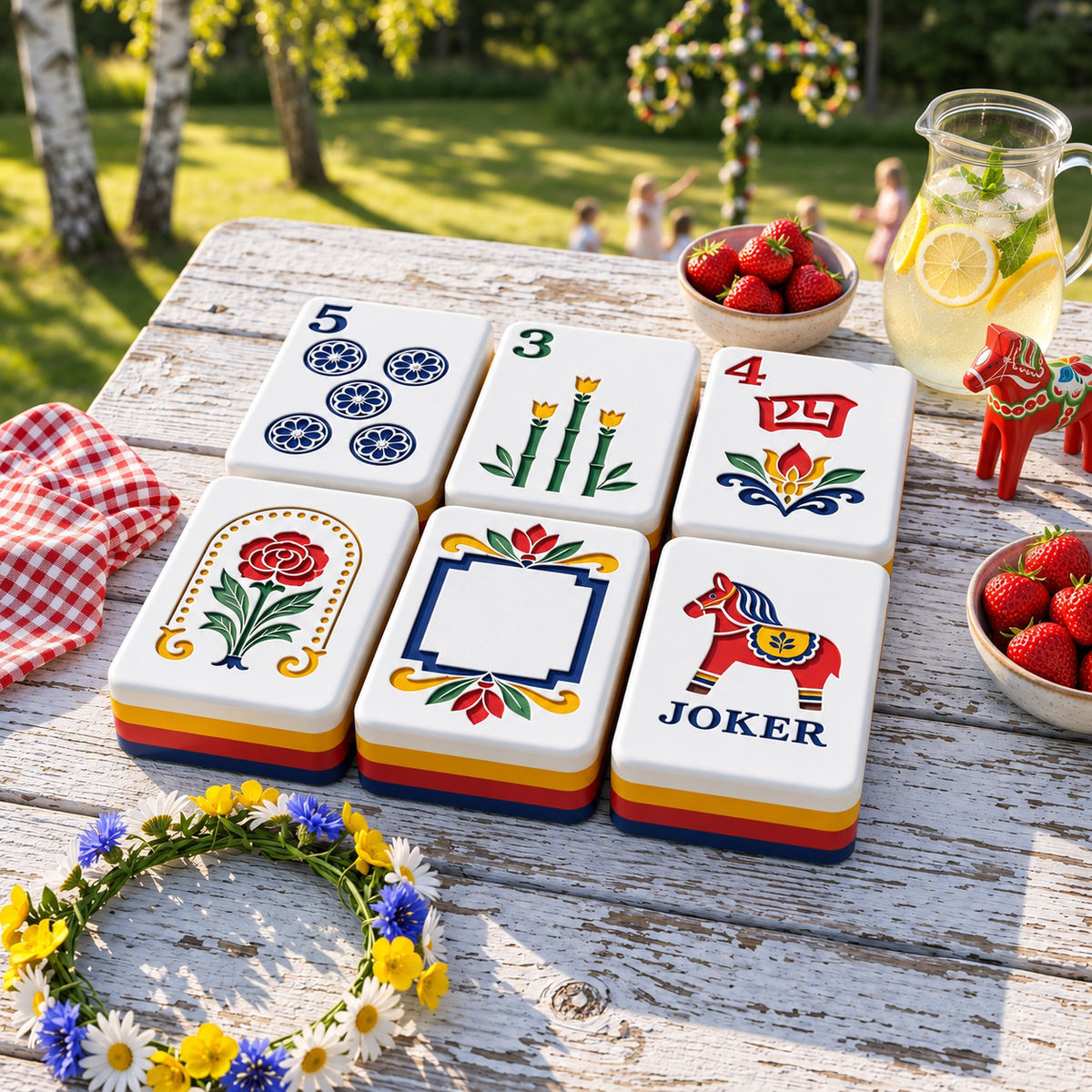
Wooden tiles feel heavier and sound crisper when shuffled—many players prefer the traditional tactile experience—but plastic tiles are lighter, cheaper, and durable enough for weekly home play. Wooden tiles hold their beauty longer if well cared for; plastic shows wear but resists water and warping. For American mahjong, the core game plays identically regardless of material, so your choice depends on budget (plastic costs less upfront), frequency of play (casual weekly games favor plastic; serious clubs often prefer wood), and storage space (plastic sets are lighter).
What's the weight and feel difference in practice?
Wooden tiles weigh roughly 8–10 grams each; plastic tiles weigh 3–4 grams. Hold wooden tiles, and you feel them settle into your palm—shuffling becomes rhythmic, deliberate, almost meditative. Plastic tiles clack faster and lighter, requiring less effort to push and stack on your rack. Neither material affects the rules or gameplay; your choice here is pure preference. After a night of shuffling, your wrist will feel the difference if you play 6–8 rounds back-to-back.

How long do wooden tiles actually last?
Wooden tiles last 10–20 years with regular weekly play if stored in a dry case. Humidity warps them; direct sunlight fades the paint. Over time, the edges dull, the face paint chips slightly, and the bamboo or bone backing darkens with hand oils. This aging often appeals to collectors—it tells a story. Plastic tiles show surface scratches and fading after 5–10 years of heavy use, but they rarely warp or crack. If you host 40+ games a year and live in a humid climate, plastic outlasts wood trouble-free.
Which material actually costs less?
Plastic American mahjong sets generally cost 30–50% less than equivalent wooden sets based on current retail pricing. That savings spreads across the entire set of 160 tiles plus case. You'll see the upfront gap immediately; over a decade, if wooden tiles need refinishing or replacement and plastic tiles need none, the total cost difference narrows. For a casual player buying one set, plastic makes financial sense. For a serious host buying a backup set to wear out, the extra investment in wood pays back in longevity and resale appeal.
Factor | Wooden Tiles | Plastic Tiles | Winner for You |
Feel & sound | Heavy, crisp shuffle | Light, fast clack | Preference-based |
Upfront cost | Higher (30–50% more) | Lower | Tight budget |
Durability (years) | 10–20 with care | 5–10 standard use | Serious play |
Water/humidity risk | Warps easily | Resistant | Damp climate |
Edge wear | Paint chips, dulls | Scratches visible | Neither ideal for 20+ years |
Storage ease | Heavier case | Lighter, portable | Frequent travel |
Resale appeal | Vintage tiles valued | Limited resale | Collector mindset |
What should you check before ordering?
Before you buy, ask yourself: How many games per year will I host? (If under 20, plastic works fine. Over 40, wood feels premium but requires care.) Is your storage humid or air-conditioned? (Plastic is humidity-proof; wood is not.) Will I refinish or replace tiles if they wear? (If no, plastic saves hassle.) Do I play only American, or do I travel to other variants? (Chinese or Riichi players often prefer plastic for portability and lower loss if tiles go missing.)
Read the product page carefully: Is the set 160 tiles (152 playing tiles plus spares)? Are the designs hand-painted or printed? For wooden tiles, check whether the case has felt lining or a soft bag inside—this protects the finish during storage. For plastic tiles, confirm they are acrylic or composite (not thin vinyl) so they don't flex or bend when stacked. Ask the seller: Are replacement tiles sold individually if one cracks? This matters more for wood than plastic.
🀄 Shop best-selling mahjong sets →

How do material choice and hosting style connect?
Your hosting style shapes what you need. If you're running a casual weekly game at your kitchen table (4 players, 6–8 rounds, once a week), plastic tiles in a soft case are ideal—they're affordable, require zero maintenance, and fit in a closet. If you host a rotating tournament (two tables, 12+ players monthly, formal scorekeeping), wooden tiles in a padded case signal care and respect to your guests; they justify the cost through durability and the premium feel. If you're a beginner or teaching new players, plastic removes the anxiety of "breaking something expensive," so learners relax faster.
For players who collect sets or rotate between American, Chinese, and Hong Kong variants, plastic is practical—you can own three sets without guilt over storage or cost. For a devoted American player who plays 100+ times yearly and has a dedicated mahjong table, wooden tiles become furniture-quality—an investment in a lifelong game rather than a purchase to wear out.
✨ Find your Mahstead set — free US shipping →
Real-world care differences: What you'll actually do
Wooden tiles need a dry, cool home. After each game, return them to the case immediately—don't leave them on the table overnight. Wipe them occasionally with a soft, dry cloth; never wash them. If you spill water on wooden tiles, dry them within an hour. This sounds fussy, but most weekly players find it natural—the ritual becomes part of hosting. Wooden tiles in a well-fitted storage case last decades.
Plastic tiles shrug off spills, dust, and humidity. Store them anywhere in your home. If they get sticky from snacks, rinse them gently under cool water and air-dry. You don't think about maintenance; you just play. This ease matters if you have kids, pets, or a humid basement. Over 15 years of hosting, your time savings with plastic tiles add up.
🎁 See our most-loved mahjong sets & accessories →
The resale and collecting angle
Used wooden tiles from known makers hold 40–60% of their original cost if well cared for. Vintage or hand-carved sets appreciate slightly. Collectors actively hunt for older wooden sets with specific design details. Plastic tiles typically resell for 20–30% of original cost—they're replaceable, not collectible. If you might sell your set later or pass it to a friend, wooden tiles retain value. If you're buying purely to play, plastic gives you the same game without the resale pressure.
Our engraved American mahjong sets in both materials let you personalize your choice: wooden tiles for the collector who values heirloom quality, plastic for the practical host who wants zero fuss.
What to check before you buy:
Tile material & weight: Confirm whether the set is wood or plastic; feel a sample if possible.
Case quality: Soft lining, padded interior, or hard exterior? This protects your tiles.
Tile count: 160-tile sets contain 152 playing tiles plus spares—standard for American mahjong.
Design: Hand-painted tiles (often wood) vs. printed tiles (often plastic)—each has aesthetic trade-offs.
Humidity tolerance: Plastic wins; wood needs climate control.
Replacement policy: Can you buy individual replacement tiles if one chips?
Your game frequency: Weekly casual play = plastic; 3+ times per week or collecting = wood.

FAQ
Do wooden and plastic tiles play differently in American mahjong?
No. The rules, hand patterns, and scoring are identical. Your choice is purely tactile and aesthetic. Shuffling speed, sound, and hand feel differ, but the game itself is the same.
Can I mix wooden and plastic tiles in one set?
Technically yes, but we don't recommend it. Mixed weights shuffle unevenly, making the draw feel unfair. Keep one set one material.
How should I store my tiles between games?
Wooden tiles need a dry case away from humidity and direct sun. Plastic tiles can go anywhere—a closet, drawer, or padded bag. Both benefit from a case that stacks neatly and stays sealed.
Will plastic tiles get sticky or attract dust?
Plastic tiles can pick up dust and occasional stickiness from snacks. Rinse gently under cool water if needed; air-dry completely before storing.
Are wooden tiles from Mahstead hand-carved or machine-cut?
Mahstead offers engraved American mahjong sets with machine-precision design for consistency and durability. See current design options on the product page.
Can I refinish wooden tiles if they wear out?
Light surface wear ages wooden tiles beautifully. Deep chips or cracks are hard to repair yourself without ruining the face. Professional refinishing is rare and costly—it's usually cheaper to buy a new set.
Which material is best for beginners?
Plastic tiles are best for beginners. They're affordable, require no special care, and reduce anxiety about breaking something expensive. Once you're confident, you can upgrade to wood if you want.


View More
View More
View More
