
Garden Mahjong Party Prizes: Gifts That Winners & Hosts Love
Last updated: Nov 23, 2026
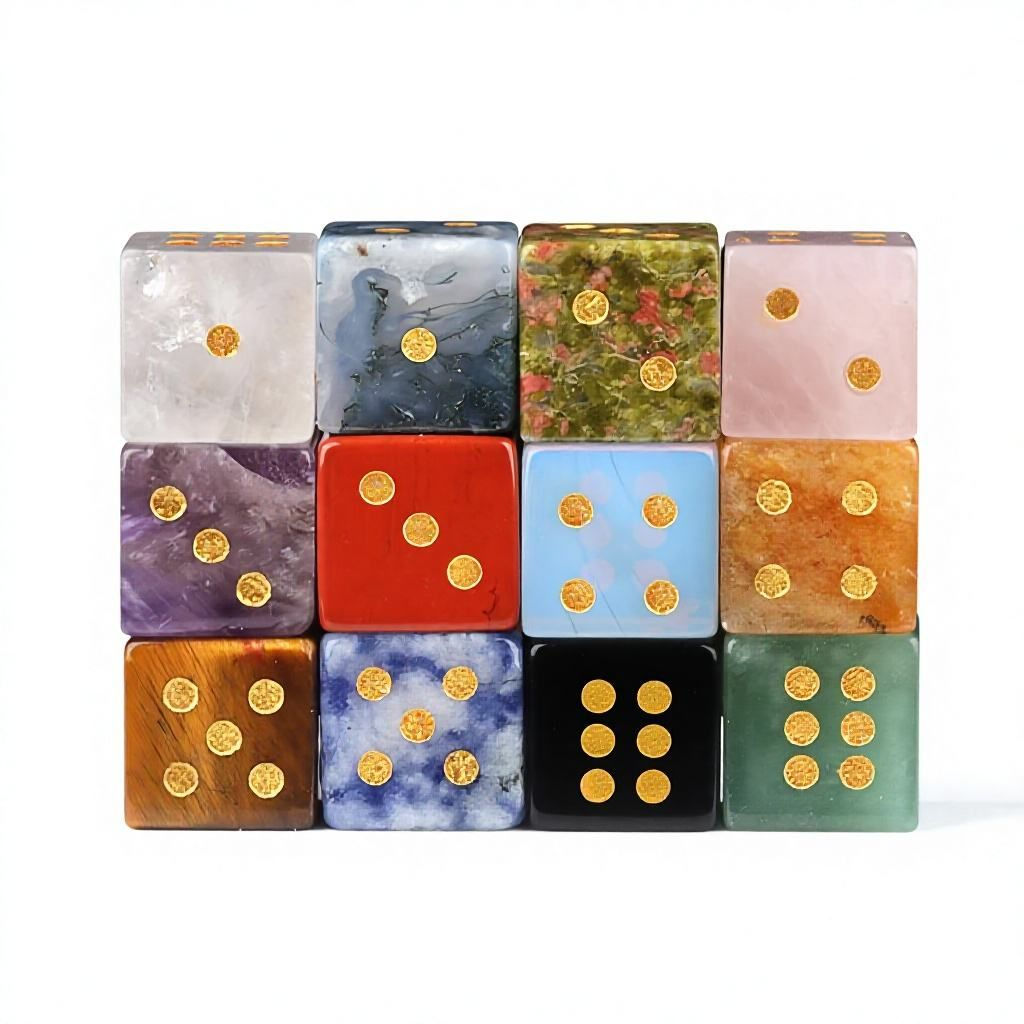
Garden mahjong prizes work best when they reflect both the casual spirit of backyard play and the real skill involved. Tier prizes by hand difficulty: hand winners get smaller tokens (dice, engraved tiles, or joke items), and end-of-day overall scores drive bigger rewards like a new set or travel case. For a typical four-player garden party, budget three to five prize categories over four hours of play. Most hosts choose a mix: joke/novelty items that spark laughter, practical gear (mats, racks, bags), and one showpiece set or case for the top scorer. Mahstead's best-selling mahjong sets include engraved and themed options ideal for prizes because they're both beautiful and functional—winners know they're getting real equipment they'll use immediately.
A garden mahjong party isn't just about tiles and winning hands—it's about making every player feel the game matters. Prizes anchor that feeling. Whether you're hosting four friends or a neighborhood tournament, the right mix of rewards keeps the energy high and gives people a reason to stay through the final hand.
What makes a good mahjong prize?
A good mahjong prize connects to the game itself or makes hosting easier for the winner. It shouldn't feel like a participation trophy—players can smell that a mile away. Instead, choose items that either expand someone's mahjong toolkit, add humor to the table, or celebrate the specific skill that won the hand. A new set, a protective case, or a premium mat are all things a serious player will use. A set of engraved pushers or funny custom tiles works for lighter prizes. The best prizes tell the story of the hand that won them.

How do you structure a multi-tier prize system?
Split prizes into three layers: hand winners (small, quick rewards), session or round leaders (mid-tier), and overall champion (the showpiece). Hand-winner prizes should be quick to award and fun to unwrap—think dice, individual joker tiles, or novelty items. Session prizes go to whoever leads after two hours of play and might include a mat, rack, or specialty bag. The champion gets the prize people will remember: a new set from our best-selling mahjong sets collection, or a travel case or bag for the serious player who's about to travel with their new gear. This structure keeps momentum going and makes the final hand feel climactic.
Prize Tier | Who Wins | Examples | Why It Works |
Hand winners (quick) | Winning hand each round | Dice, joke tiles, candy | Fast payout; keeps energy up |
Session leader | Highest score after 2 hrs | Premium mat or rack | Marks a milestone; functional |
Overall champion | Highest cumulative score | New set or travel case | Memorable; players use it weekly |
🀄 Shop best-selling mahjong sets →
What's the difference between novelty and practical prizes?
Novelty prizes make people laugh. Practical prizes make them grateful. Both matter at different moments. A custom engraved tile or a set of colorful pushers gets passed around the table and becomes a conversation piece—people snap photos, crack jokes about the inscribed winner's name or a funny saying. A protective case or premium rack with pushers speaks to someone's identity as a mahjong player. They'll take it home, set it up, and think of your party every time they host their own game. The strongest prize pools mix both: small novelties reward quick wins and build momentum, while the trophy prize recognizes real play and skill over the full event.
How do you award prizes without slowing down the game?
Prep your prizes before players arrive. Set up a "prize station" off to the side—a small table with everything sorted by tier and ready to hand over. Announce the winner, hand over the prize, snap a photo if people want it, and deal the next hand within 30 seconds. Keep notes on who's won what so you don't double-award someone in the same session. For hand prizes, keep them in a box and let the winner pick (adds a fun moment without ceremony). For session and champion prizes, present them when play pauses naturally—between major rounds or at the end of the day. This keeps the focus on tiles and hands, not logistics.

What if you're on a budget or hosting informally?
You don't need expensive prizes to make a garden party special. A single best-selling set as the overall champion prize is plenty; fill the rest with homemade or low-cost items. Bake cookies, print funny certificates, wrap individual dice or spare jokers from your own sets, and offer a "mystery prize" box where hand winners pick blindly (everyone loves the surprise element). Some of the best garden parties we've hosted award bragging rights and a handmade scoreboard as the "permanent trophy"—no cash outlay, huge pride. If you want one polished gift without overspending, engraved sets with custom titles make a single prize feel personal and premium.
🎁 See our most-loved mahjong sets & accessories →
Do prizes change for seasonal or themed parties?
Yes—and themes make hosting memorable. A summer garden party might award beach-themed or outdoor-ready items (lightweight travel cases, sun-friendly mats). A holiday gathering pairs well with Christmas mahjong sets as grand prizes. A milestone celebration (someone's birthday, a friendship anniversary, a new player's debut) calls for personalized gear—engraved sets feel like a rite of passage. The theme doesn't have to be elaborate; it just ties the prize to the occasion. A winter garden party where the champion wins a cozy mat or a warm-toned set feels intentional. Players remember that detail and look forward to your next event.
What to check before you buy:
Quantity math: Count players × rounds, then add 20% overflow for tie-breakers or surprise tie-winner scenarios.
Delivery timing: Order prizes at least two weeks before your party; verify you have them on hand before inviting people.
Quality for lasting impact: A set or case that feels sturdy and beautiful sends a stronger message than a cheap trinket. Players will tell their friends about a prize worth keeping.
Mix fun and function: A table of all novelty feels silly; all-practical feels stiff. Aim for 60% practical, 40% fun.
Photo moment: Set up a small space where hand and round winners can take a quick photo with their prize—people share these and talk about your party for weeks.
✨ Find your Mahstead set — free US shipping →
Scoring clarity speeds up prize decisions
If you're awarding prizes by hand or session score, make sure everyone agrees on the scoring system before the first hand. American mahjong uses the National Mah Jongg League card, which changes annually—players score by hand pattern, and higher-numbered hands are worth more points. If your group is informal and plays house rules, clarify that too. Post a simple score sheet on a clipboard so people don't dispute the final tally when prize time comes. Players respect transparent scoring; it removes the "did they really win?" doubt and makes the prize feel earned.
For step-by-step scoring guidance, check our American mahjong scoring guide before hosting.

FAQ
Can I use Mahstead sets as prizes if I'm hosting a first-time player garden party?
Absolutely. A beginner will be thrilled to win a new set—it signals they've crossed into "real player" territory. Our best-selling collection includes sets perfect for first-timers and veterans alike. If the winner is truly new, pair it with a quick tip card on how to read the annual card or set up the Charleston so they can host their own game.
How many hand-prize items do I need for a four-player, four-hour garden party?
Assume one hand every 15–20 minutes (three to four hands per hour), so 12–16 hands total across four hours. Multiply by four players, and someone wins roughly every 10 minutes in a large round-robin. Plan 15–20 small novelty prizes; you'll likely use 10–14 and have spares. Extras become consolation prizes or tie-breaker rewards.
What if someone wins multiple times—do they get multiple prizes?
Yes. If they're dominating, that's part of the fun. Some hosts cap it at two prizes per person per session to spread joy around, but that's your call. Mention the rule when you announce the prize structure, so no one feels robbed.
Are engraved sets too fancy for a casual outdoor party?
Not at all. Engraved mahjong sets with custom titles feel thoughtful without being pretentious. An engraved name or a joke phrase ("Undefeated Until Today" or a player's nickname) turns a set into a keepsake. Outdoor parties are where these shine—they're durable, they're conversation starters, and winners feel special.
Should I award a mat or a case along with a set prize?
If your champion winner is a regular player, pair a new set with a protective travel case or bag. They'll use both immediately. A premium mat is also a smart pairing if your garden venue gets wear on table surfaces—the winner gets functional beauty they'll remember. Either addition elevates the prize without doubling cost if you choose strategically.
How do I make prize announcements feel exciting without being corny?
Keep it brief and genuine. "Sarah's hand: hand 24—all in exposures—that's a premium hand. Sarah, you win [prize name]. Everyone playing that hand, you each take a joker from the consolation box." Announce the real win (the hand, the score, the skill), name the prize, and move on. Corny creeps in with flowery language and over-explanation. Players respect directness and speed.


View More
View More
View More
