
Where to Learn Hong Kong Mahjong: Clubs, Online, and Rules
Last updated: Nov 23, 2026
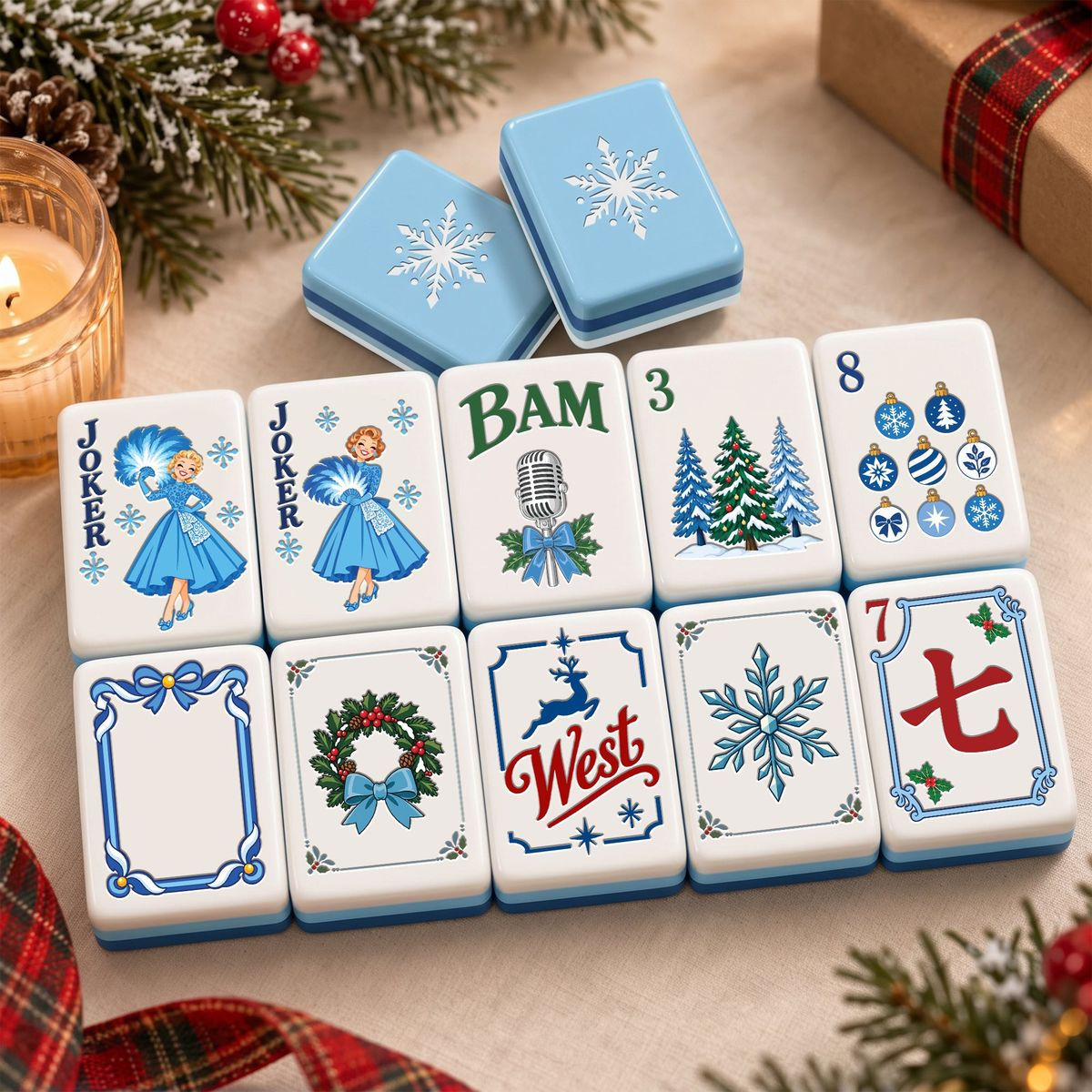
Hong Kong mahjong differs from American mahjong in speed, hand types, and tile-passing ritual. You learn best by playing with experienced players at a local club, community center, library, or synagogue—cities with large Cantonese populations have the most active scenes. Online tutorials on YouTube and mahjong forums teach the basics free; many learners practice one-on-one with a mentor, then join weekly games. The game uses 136 tiles (not 152), plays with four players only, allows chows and pungs to be exposed, and hand recognition is faster than reading an American card. Learning typically takes two to four weeks of weekly play. Mahstead's best-selling mahjong sets can be used for Hong Kong games with practice, though dedicated Hong Kong tile sets have different artwork and smaller tile counts.
How do I find a Hong Kong mahjong club in my area?
Local clubs are the fastest way to learn. Search community centers, public libraries, synagogues, and country clubs in neighborhoods with established Asian or Cantonese communities—these venues often host mahjong groups or can refer you to them. Many clubs run weekly or twice-weekly sessions; some are formal memberships, others casual drop-in groups. Post on community Meetup boards or Facebook groups for your city ("Hong Kong mahjong [your city]"). Churches and cultural centers often advertise game nights. If no club exists nearby, ask at dim sum restaurants or Asian grocery stores—regular players often gather there and may invite newcomers. The fastest path: ask a player you know. Most Hong Kong mahjong communities welcome beginners and will teach you hands-on during play.

What are the key rule differences from American mahjong?
Hong Kong mahjong plays by fundamentally different hand logic. American mahjong uses an annual card with set patterns and no chows; Hong Kong allows chows (runs of three consecutive numbers in one suit, like 4-5-6 Bamboo) and pungs (three identical tiles), exposed during play. Hong Kong uses only 136 tiles—no flowers, fewer dragons, no jokers. Hands don't require a specific pattern; you win when you have four melds (sets of three or four tiles) plus a pair. Speed is central: Hong Kong games move faster and require quick tile recognition. Discarding is rapid-fire; American play is more methodical. The Charleston (American tile-passing ritual) doesn't exist in Hong Kong. For American players picking up Hong Kong: forget the card, think in chows and exposed sets, and prepare for pace. The shift usually takes three to five games to feel natural.
Can I learn Hong Kong mahjong online?
Yes, but it's slower than in-person learning. YouTube channels and mahjong education websites offer free tutorials on Hong Kong rules, hand types, and strategy. Watch a few foundational videos to understand tile terminology (Bamboo, Craks, Dots, and Honors), then move to hand examples. Free online simulators let you play against AI opponents at your own pace—useful for drilling tile recognition and winning patterns. Discord communities and Reddit forums (r/Mahjong) connect you with other learners; post questions and join async discussions. The limitation: online play doesn't teach you the table rhythm, discard speed, or interpersonal reads that accelerate real learning. Treat online study as a foundation, then transition to in-person games as soon as you can. One week of video plus one weekly game beats eight weeks of video alone.
🀄 Shop best-selling mahjong sets →
Should I get a Hong Kong-specific tile set, or can I adapt an American one?
Hong Kong and American tile sets are not interchangeable in design, though both use the same tile names. A dedicated Hong Kong set has Cantonese numeral markers, smaller tiles (around 0.8 inches vs. 1 inch for American), and no American-style dragons or flowers. If you're just learning, a quality engraved American mahjong set works for practice—you'll recognize the suits and numbers, and the larger tiles are easier to handle as a beginner. Once you're playing weekly with a group, investing in a proper Hong Kong set matters: the tile size and weight are optimized for speed, and authentic markers reduce confusion during fast play. Many seasoned players own both. For your first month, borrow or play on a club set; after that, ask your regular group what tile quality and size they prefer, then match it. This prevents you from buying a set your game group won't use.

What's a realistic timeline to play confidently?
Most learners play a complete hand confidently after four to six weekly sessions. In your first game, expect to make slow decisions and ask for rule clarifications—experienced players at a club game expect this and will guide you. After two weeks of weekly play, you'll recognize common hand types (like pairs of Flowers, basic chow combinations) without thinking. By week four, you'll discard at near-table speed and read other players' tiles quickly. After eight to ten games, you move from "learning" to "playing"; you'll still refine strategy, but you're no longer slowing the game. Skill builds fastest in clusters: one game per week plateaus after six weeks; two games per week compresses learning into two weeks. The single biggest accelerant is playing with the same group, so their styles and tendencies become familiar. Commit to the same club or group for at least four weeks.
What should I study before my first game?
Go into your first session with three things clear: the tile names and suits (Bamboo, Crak, Dot, and Honors—Dragons and Winds), the win condition (four melds plus a pair), and the basic meld types (chow = three consecutive in a suit; pung = three identical; kong = four identical). Spend 20 minutes watching a "Hong Kong mahjong hand examples" video—no need to memorize; just see a few hands scored and won so the rhythm makes sense. Learn which Dragon is which: White (Soap), Red, Green. Understand that you draw one tile each turn and discard one, and that going out requires discarding a tile that completes someone's hand or your own. That's enough. Don't memorize scoring—let the group handle it your first game. Don't worry about strategy; focus on following the tiles. Bring a small notebook to jot down hand types the group explains. Ask questions freely; every club expects to field ten questions per newcomer, per game.
Learning Path | Best For | Time Investment | Why It Works |
Local club + weekly play | Fastest learners; those with nearby groups | 1 hr/week × 4 weeks | Real-time feedback; social accountability; table rhythm |
Online video + AI simulator | Isolated learners; rule review before club | 30 min/week × 2 weeks | Low cost; learn at your pace; no travel |
One-on-one mentoring + group games | Complete beginners; anxious about mistakes | 1 hr tutoring × 2, then weekly group | Personalized; confidence; gentle introduction |
In-person club only (no prior study) | Social learners; trusting in group teaching | 1.5 hrs/week × 6 weeks | Immersive; no analysis paralysis; natural learning |
🎁 See our most-loved mahjong sets & accessories →
What to check before you buy a set or join a game
Before committing money or time, verify three things with your club or group. First, ask what tile size and material they use—if they play on smaller ceramic tiles and you show up with large acrylic tiles, you'll feel out of sync. Second, confirm they teach newcomers; not all groups welcome beginners. Third, check whether they lend tiles or expect you to own a set; if you need your own, ask what brand or style they recommend before buying. Many clubs will lend you tiles for your first three games so you can decide if Hong Kong mahjong fits your schedule and play style. Never buy a full set on spec; play on borrowed tiles first, then buy once you know you'll play regularly. If you're hosting games in your home for learners, a quality mahjong mat levels the playing field—uniform surface, even tile movement, and a professional feel that signals serious play to newcomers.
Is there a "best" way for Americans to transition to Hong Kong mahjong?
The smoothest path: play American mahjong for a few months first. Learn tile names, hand-reading discipline, and the rhythm of a four-player game. Then pivot to Hong Kong by attending one club game with an open mind. Don't try to map American rules onto Hong Kong; they're separate languages. Let the group teach you. Spend your first two Hong Kong games observing as much as playing—watch discards, notice when players call tiles, see how quickly decisions flow. By game three, you'll sense the pace and decision-making. American players often find Hong Kong faster and less cerebral (no card, no long-term memory of annual patterns), which appeals to players who prefer social rhythm over strategic depth. Both games are worth learning; they train different skills.
✨ Find your Mahstead set — free US shipping →

FAQ
Can I learn Hong Kong mahjong if no one in my community plays?
Online tutorials and AI simulators teach the rules, but you need real players eventually. Try connecting via Reddit (r/Mahjong), Discord communities, or traveling to a city with a club once monthly for intensive games. Many players learned partly remote, then clustered their learning into weekend visits to an active club.
How different is Hong Kong scoring from American scoring?
Scoring in Hong Kong is simpler and point values are lower. American mahjong uses an annual card and complex multipliers; Hong Kong hand scoring depends on tile combinations and whether you draw the winning tile or claim a discard. Most clubs score by hand type, not totals, so games settle faster. You don't need to memorize scoring before your first game—the group calculates it.
Should I learn Cantonese to play Hong Kong mahjong?
No. Cantonese is helpful for flavor and understanding table talk, but games run in English in most Western clubs. You need to recognize tile names (Bamboo, Crak, Dot, Dragon, Wind) in English and understand the call words (pung, chow, kong, win), which take one game to learn. Cantonese speakers often call tiles in their language, but English speakers will translate for you.
What's the fastest way to get comfortable at my first club game?
Arrive 15 minutes early, introduce yourself as a newcomer, and ask to sit out the first hand and watch. Ask a player to narrate their decisions ("I'm discarding this Crak because I need Bamboo"). Sit out one more hand if you feel lost. By hand three, join in. Most mistakes your first game are forgiven; groups expect slow pace from beginners.
Do I need to own tiles to play, or can I always borrow or play at a club?
Most clubs provide tiles or expect players to bring personal sets they share. Ask your group before buying. If you play weekly and want your own set, invest in one that matches your group's size and style; otherwise, borrowing is standard for the first month. Many online retailers sell dedicated Hong Kong tile sets, though Mahstead's best-selling collections include versatile acrylic sets that work for learning with flexibility.


View More
View More
View More
