
Where to Buy a Mahjong Tote: Styles, Sizes & What to Check
Last updated: Nov 23, 2026
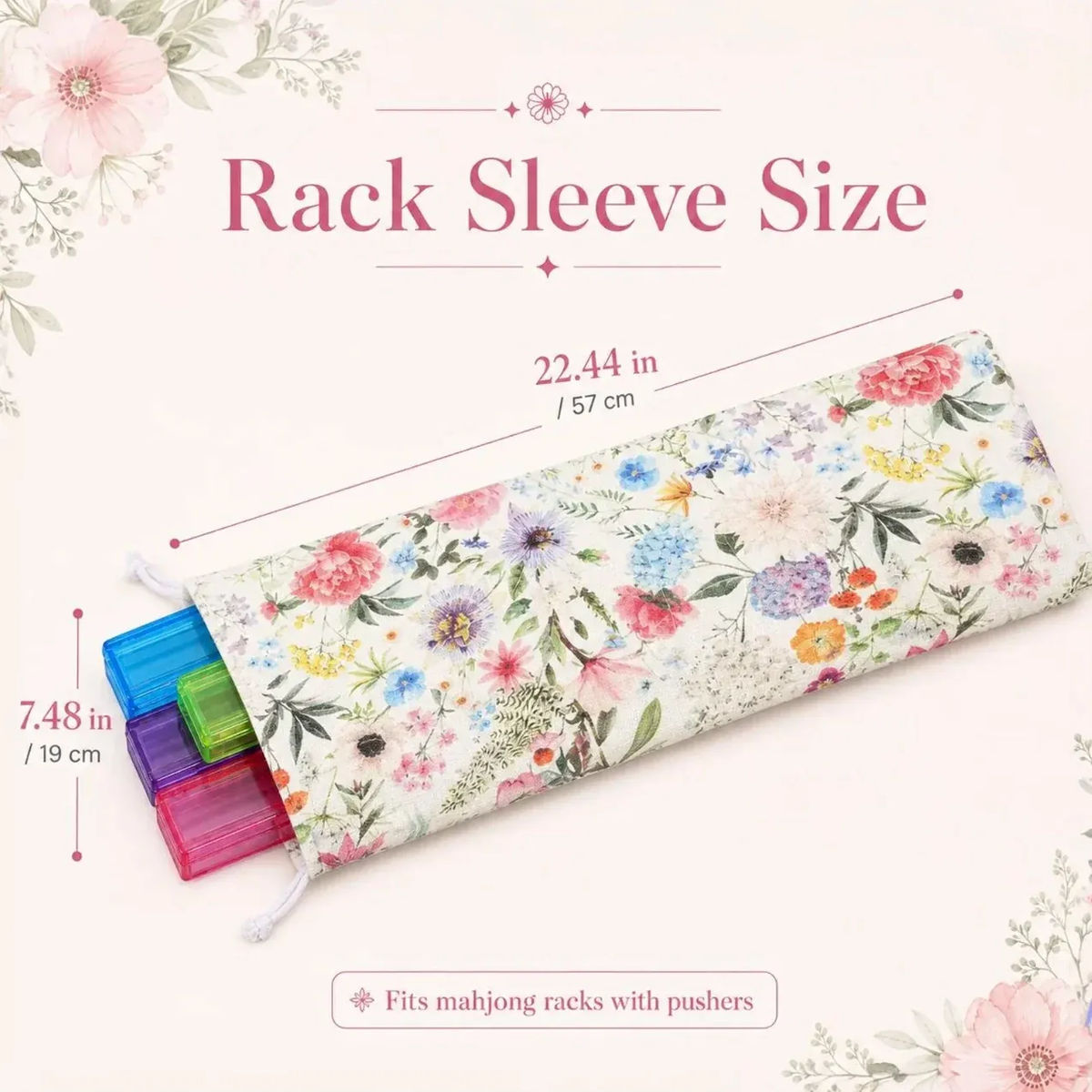
A mahjong tote is a padded carrier designed to hold a complete 160-tile American mahjong set, plus mats, racks with pushers, and dice. Sizes range from compact day-bags (fitting just a set) to large totes (holding set, mat, racks and extra tiles). Most quality bags use canvas, vinyl or nylon with zippered or flap closures and padded interiors to protect acrylic tiles from chipping during transport. We recommend buying from dedicated mahjong suppliers—including Mahstead—because they understand American set dimensions and design bags with the right compartments. Prices and materials vary; shop by your typical carry distance and how often you travel. Check interior measurements before ordering to ensure your mat (if rolled) fits lengthwise, and verify closure type matches your preference—magnetic flaps are quieter, zips are more secure.
What size tote actually fits your mahjong set?
The standard American 160-tile set (three suits, winds, dragons, flowers, jokers, spares) measures roughly 10–12 inches across when stacked in a wooden rack or acrylic organizer. A mat rolled lengthwise adds 18–24 inches. A tote that accommodates only the set itself is a "compact carrier"—ideal for solo players or short walks to a regular venue. A full-size mahjong tote should fit the set plus a rolled mat and racks; interior dimensions of 13 × 8 × 10 inches (depth × width × height) is a practical baseline, though actual bags vary. Measure your rolled mat end-to-end before comparing bag specs, because an inch of space makes the difference between snug and damaged. Browse our travel bag collection to see interior dimensions listed for each style.

Which bag material holds up best for weekly games?
Canvas is breathable and durable for light travel; it develops character over time and suits players who game once or twice weekly. Vinyl and coated nylon are wipe-clean, water-resistant and ideal if you transport your set in a car trunk or outdoor venue during rain or heat. Padded nylon with foam lining offers maximum tile protection on bumpy commutes or airplane trips. All three outlast paper or thin fabric; the choice depends on your climate and carry method. Canvas breathes better in humid climates; vinyl is easier to clean after spills. For weekly Dallas-area games in air-conditioned venues, canvas or light nylon works fine. For storage in a car or outdoor club where weather varies, vinyl or padded nylon is worth the investment.
Should you buy a bag with a mat holder or choose a separate case?
A tote with a dedicated mat slot keeps your mat visible and easy to grab before setup—you don't unfold it to confirm you packed it. A universal tote forces you to roll the mat inside or alongside other gear; you risk creasing it or leaving it behind. If you own multiple mats of different designs, a tote with a flat exterior pocket (often magnetic or velcro) lets you swap mats without reshuffling. A single-mat household can manage a universal tote fine; multi-mat players or those who rotate sets seasonally benefit from a dedicated slot. Consider also: do you carry a score pad, two decks of current-year cards, or snacks? A tote with small zippered pockets is worth the extra cost if you're organized and want everything in one place.
Compact tote vs. full-size: who needs which?
Use Case | Bag Type | Who It's For | What Fits | Key Tradeoff |
Walk to weekly game (same venue, storage there) | Compact day tote | Solo player, local regular | Set only, racks optional | No room for mat; must store mat at venue |
Rotate between 2–3 homes or clubs | Full-size tote | Active player, multi-venue lifestyle | Set + mat + racks + dice + cards | Heavier; takes up more closet space |
Tournament travel or weekend trip | Padded hard-shell or rolling case | Tournament player, frequent flyer | Set + mat + 2–3 backup sets + cards | Most expensive; overkill for casual play |
Store and protect (rarely travel) | Cardboard set box with tissue | Collector, ceremonial player | Set as-is; no transport | Not portable; for home storage only |
We host games where one player brings a compact tote (set lives in her car between Thursdays) and another carries a full-size canvas bag on the bus twice weekly. Both work—the difference is honesty about your schedule and venue geography.
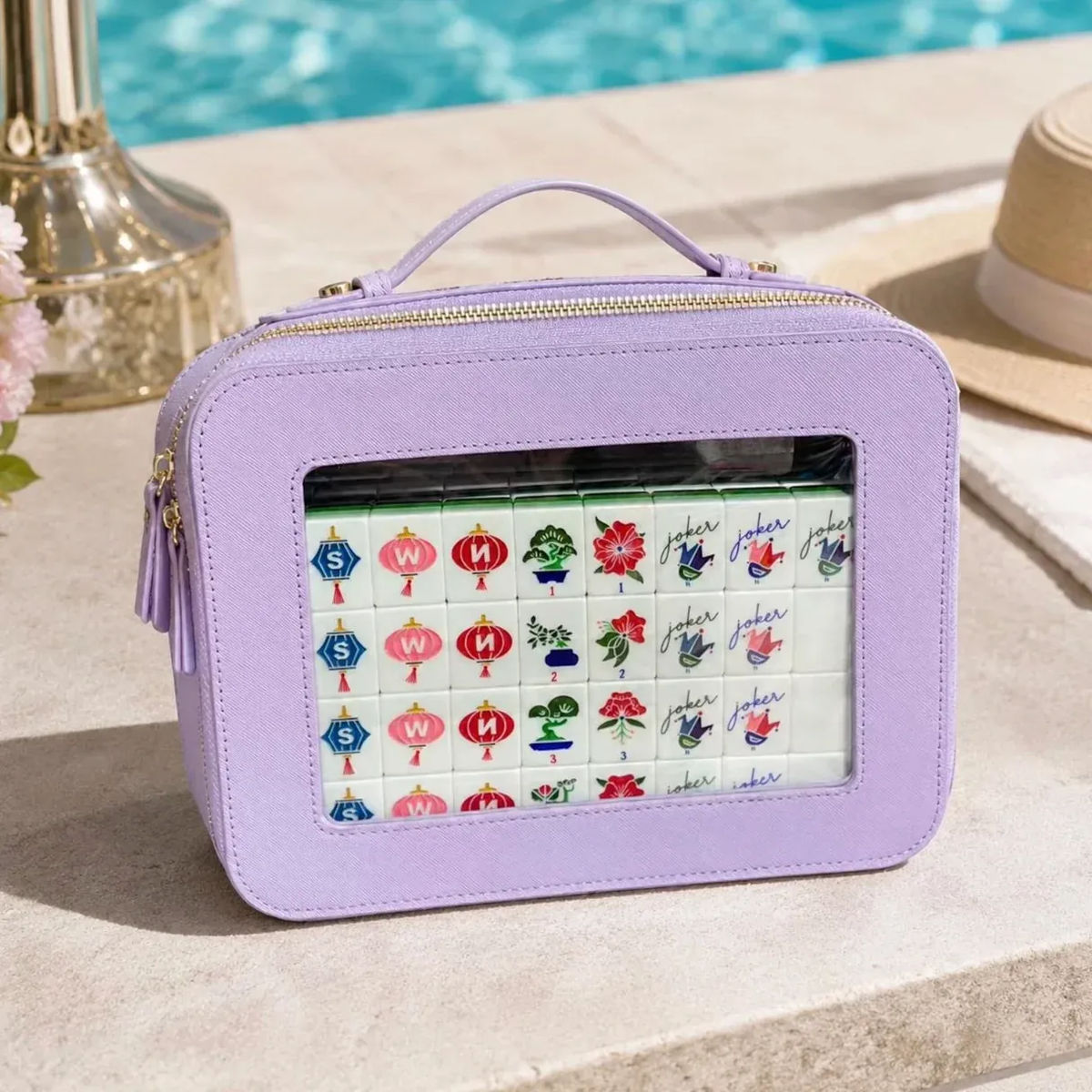
What specific features prevent tiles from chipping during transport?
Padded compartments separate the set from hard edges and other gear. Internal dividers keep tiles from sliding around during turns or sudden stops. A cushioned bottom absorbs shock if the bag is set down hard on pavement or a car door. Magnetic or secure-zip closures prevent accidental spills mid-commute. The best totes have a reinforced base (often nylon or vinyl) that doesn't flex when full. Check product photos for visible padding thickness—a bag that looks thin likely won't protect acrylic tiles (acrylic chips more easily than bone). We've seen tiles damaged by bags with no padding and hard plastic bottoms; even one cracked 5 Bam in a set of 160 tiles disrupts a hand and costs money to replace. If you commute by public transit or drive on rough roads, padded nylon or canvas with foam is non-negotiable.
How to choose a tote: your pre-purchase checklist
Measure before you order:
Measure your rolled mat from end to end (include the mat bag if you use one).
Measure your set in its default storage mode (stacked in rack or box).
Compare those numbers to the tote's interior depth and height (stated on the product page).
Test the closure:
Do you prefer a zippered bag (more secure, harder to forget) or a magnetic flap (faster, quieter)?
Will you open this bag multiple times per session (magnetic is frustrating), or once at the start and end?
Assess padding:
Hold the bag and feel for thickness around the bottom and sides (thicker = better protection).
Look at photos showing the interior; visible padding is a good sign.
Check carry comfort:
Does it have shoulder straps (easier for stairs or transit) or just handles (car-only)?
Is the strap adjustable? Fixed straps sometimes don't fit all body types comfortably.
Plan for your climate:
Rain or outdoor storage? Choose vinyl or coated nylon.
Dry, climate-controlled venues only? Canvas is lighter and sufficient.
Order from a mahjong specialist because they list interior dimensions, test bags with actual sets before selling them, and understand the protection you need. Generic luggage retailers often sell bags that fit the size but lack the specific padding mahjong sets require.
🀄 Shop our travel bag collection →
Real mistakes players make when buying a mahjong tote
Buying by external dimensions only. A bag that looks big from the outside often has thick walls or a hard interior frame that eats up actual usable space. Always compare interior measurements to your set and mat.
Choosing a bag with one compartment and no dividers. If tiles roll loose during transport, they'll crack each other or the bag. Compartments are not luxury; they're functional.
Skipping the closure test. A zipper that catches fabric every time you open it is maddening by week three. A magnetic flap that pops open in a bag loses it's all worthless. Ask the retailer (or read reviews) about daily ease-of-use, not just aesthetic.
Ordering from a general luggage site without mahjong-specific specs. A "card game tote" or "hobby organizer" sold on a mass marketplace may fit other things fine but won't protect acrylic tiles the way a mahjong-designed bag will. Mahjong retailers know where tile damage happens most (corners, bottom during impact) and pad accordingly.
Assuming free shipping means lower quality. Mahstead offers free US shipping on all bags and sets. Shipping costs are factored into our pricing, not subtracted from quality. Don't assume a lower-priced bag is the same as a premium one just because shipping is included.
We've replaced tiles for players who packed them in a generic bag, and we've had players use the same Mahstead tote for five years with zero damage. The difference isn't luck—it's compartments, padding and closure design.
🎁 See our best-selling mahjong sets and bags →
Where to buy: online, local, or specialty retailers
Online mahjong specialists (Mahstead included) display interior dimensions, often include sizing comparison photos, and allow you to read what players actually say about fit and durability. You can't physically test the bag, but you get transparency and return policies. Local game shops or community centers sometimes stock generic organizers but rarely carry mahjong-specific totes; you'll likely pay more for less protection. Big-box luggage retailers have hundreds of options but zero expertise in tile protection; staff can't answer whether a bag will actually work for your setup. Specialty mahjong shops (online and a few brick-and-mortar venues in major cities) offer the best match because they test bags with real sets, stand behind their gear, and often offer exchanges if a tote doesn't fit your mat or racks. For long-term value and peace of mind, specialty retailers are worth the slight extra effort.
✨ Find your mahjong tote & set — free US shipping →

FAQ
Can I fit a mat inside a mahjong tote without a dedicated slot?
Yes, if you roll the mat tightly and the tote's interior depth accommodates the roll's end-to-end length. Unrolled mats crease and take up too much space. A dedicated slot prevents creasing and makes setup faster.
What's the weight difference between a compact and full-size tote when loaded?
A 160-tile set weighs roughly 3–5 pounds; a mat adds 1–2 pounds. A compact bag carries ~5 pounds; full-size with set, mat, racks and dice is typically 8–12 pounds depending on material. Canvas is heavier than vinyl; padded nylon is in between.
Do I need a separate bag for my mat or racks with pushers?
Not if your tote has compartments and enough interior space. Many players keep one bag with set + mat + racks, and store dice and cards in a zippered pocket inside. Only buy a separate bag if you rotate multiple mats frequently or transport racks to a separate venue.
Can I use a mahjong tote for storing my set at home?
Yes, though a permanent storage box (like the set's original packaging) offers more compact closet storage. Totes are designed for transport but work fine for home storage if you have the space and want easy grabbing before game night.
What happens if my bag doesn't fit my mat?
The mat won't roll into the bag or will stick out and risk damage. Always measure your mat end-to-end before ordering a tote, and verify the interior depth on the product page. Contact the retailer if specs aren't clear; most will confirm fit before you buy.
Are padded nylon bags worth the extra cost over canvas?
Padded nylon is worth it if you commute by car over bumpy roads, travel by plane, or live in a humid climate. For local weekly games in a climate-controlled setting, canvas is durable and sufficient.
Can I wash a mahjong tote if it gets dirty?
Canvas totes can be spot-cleaned with mild soap and air-dried; full machine washing may shrink or damage padding. Vinyl and coated nylon wipe clean with a damp cloth and dry in minutes. Check the product care label before submerging any bag.


View More
View More
View More
