
What to Look for in a Mini Mahjong Set: Buyer's Guide
Last updated: Nov 23, 2026
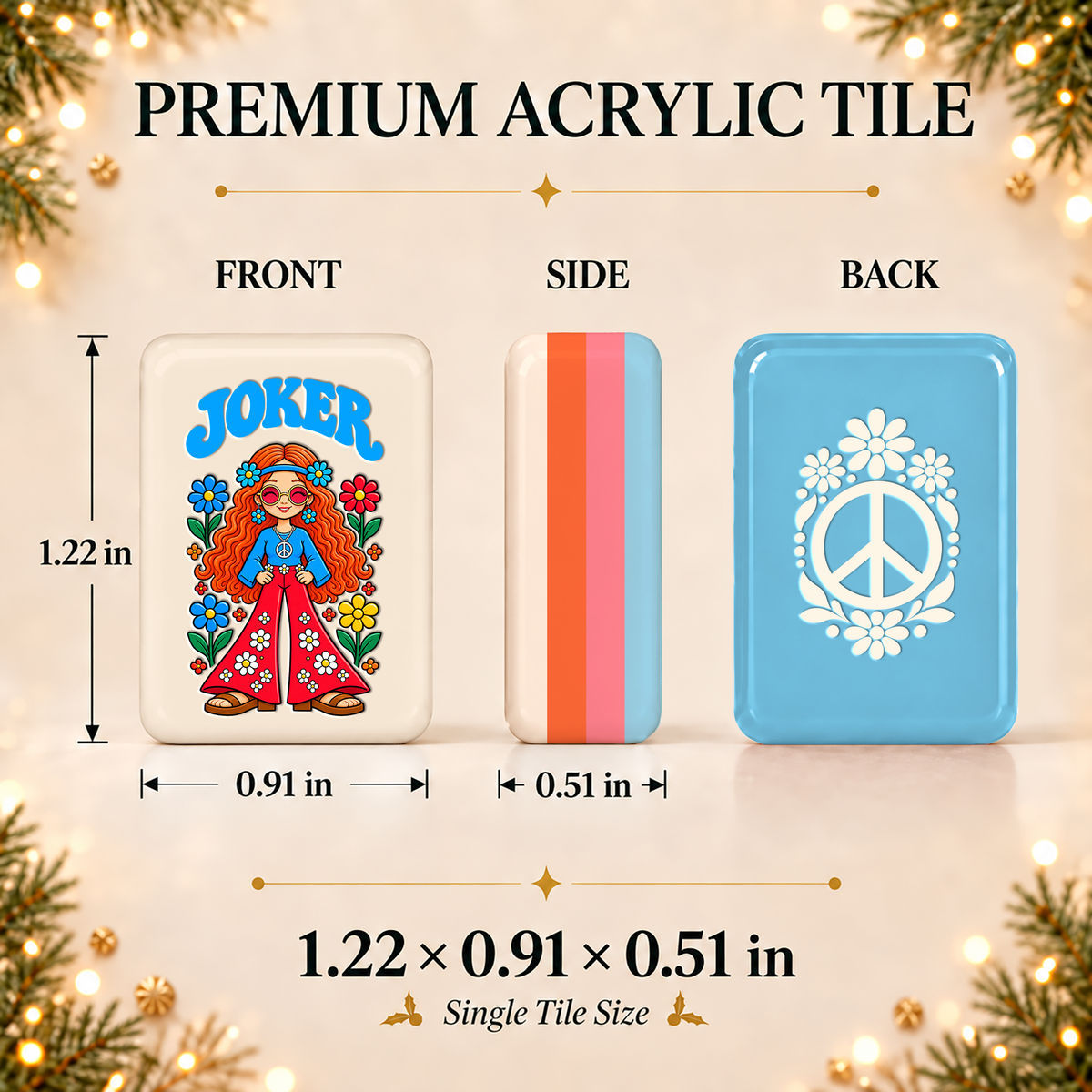
A mini mahjong set compresses the standard 152-tile American game into a portable package, typically 40–60% the size of a full set, with tiles reduced proportionally and housed in a compact carrying case. They include all standard elements: three suits (Bams, Craks, Dots), winds, dragons, flowers, and jokers—just smaller. Mini sets work best for intermediate players who already know the rules; beginners benefit from full-size tiles and mats for learning. Quality varies: acrylic mini sets offer durability and custom designs, while bamboo versions feel traditional but chip more easily. Check case construction, tile thickness (at least 8mm is playable), and whether jokers are included and usable. Common pitfall: buying a mini set as your only set—they're excellent for travel but exhausting for home games. Choose based on primary use: weekly home game (full-size better), occasional travel (mini ideal), or gift for a player with limited storage.
🀄 Shop best-selling mahjong sets →
Are mini tiles hard to read and shuffle?
Yes, mini tiles shrink the face markings and require shorter fingers or deliberate shuffling technique. Numbers and honor tiles become fuzzy for players over 50 or those with vision challenges; at 0.5–0.75 inches per tile, the symbols are legible in good light but not effortless. Shuffling is slower—stacks take longer to break and stack because you can't rake quickly. If you play weekly or have arthritis, mini sets turn a 15-minute shuffle into a 25-minute one, frustrating table flow. Test a set before ordering if you can; some players adapt in minutes, others find it irritating for extended games. Reserve mini sets for travel and casual play, not regular home groups.

What material lasts longest: acrylic, bamboo, or bone?
Acrylic mini sets hold up best through repeated shuffling and travel: they resist chips, don't yellow, and tiles slide smoothly on felt mats. Bamboo mini sets feel warm and traditional but crack or split at corners after 50–100 uses, especially in dry climates. Bone is rare in modern mini sets and costs more; it yellows but is tough. For durability in a travel set, acrylic wins. Bamboo suits travel players who replace sets every 2–3 years or collectors who display rather than shuffle. The case matters equally: hard plastic with foam inserts protects tiles; soft felt bags offer no shock absorption and tiles rattle loose. Our best-selling mahjong sets include acrylic mini options with molded cases designed to prevent tile migration.
How do I know if the case will actually protect tiles during travel?
Open the case in the store or request photos before ordering: look for molded compartments (not loose foam), a solid latch or magnetic closure, and padding thick enough that tiles don't shift when you shake it. Hard-shell cases protect better than soft bags; neoprene or reinforced canvas with dividers is acceptable. Cheap cases have tiles pressed directly against thin plastic, which cracks during plane travel or drops. Pack a mini set in a suitcase by nesting it in a padded pouch; loose sets in a backpack will leak tiles. If the case has no dividers, buy a separate small mahjong bag or case designed for compact sets—many stores offer slim canvas options that fit into a larger travel bag.
Should I buy a mini set for a beginner or a travel-only player?
Beginners should buy a full-size set and learn on a mahjong mat; mini tiles make it harder to spot patterns in the hand, understand symbols, and memorize tile order. Once they've played 10+ games, they can use a mini set comfortably. Travel-only players who already know American mahjong benefit immediately—mini sets are ideal for teaching friends on vacation or playing casually in a hotel room. Gift mini sets to experienced players with small apartments or frequent travelers; give beginners a full-size acrylic set and a basic mat instead. This matching ensures they master the game, not the hardware.

What size and weight actually fit in a carry-on bag?
Most airline carry-ons allow items up to 22 × 14 × 9 inches; a mini mahjong set case typically measures 10 × 6 × 3 inches and weighs 2–3 pounds, so it fits easily. Hard-shell cases add weight; soft cases compress slightly. The real question is case shape: rectangular cases slide into a backpack pocket or under a seat; cylindrical or oddly shaped cases take up more space. Weigh total luggage: a mini set plus mats and racks adds 5+ pounds, affecting your baggage allowance. For air travel, pack the mini set in your personal item or checked bag with cushioning around it; never check a loose set without protection. If flying with mahjong gear regularly, invest in a slim travel bag that doubles as a carry-on compartment.
🎁 See our most-loved mahjong sets & accessories →
Which mini sets work best for teaching friends casually?
Teaching players need clear tiles, a compact case, and jokers included and usable. Acrylic mini sets with crisp engraving beat bamboo in readability under varied lighting (coffee shops, outdoor patios). Include a mahjong mat—even a small 2×2-foot version—so learners can organize their hand visually; without a mat, mini tiles get lost on a table or in someone's lap. Keep a printed copy of the current-year National Mah Jongg League card handy so beginners can reference hands; small tiles make the card harder to cross-reference. Avoid bamboo mini sets for casual teaching: they feel fun but slow gameplay and break if learners drop them. A sturdy acrylic set with a protective case, plus a mat, turns a mini set into a teaching toolkit rather than a frustration.
Decision Table: Mini Set Type vs. Use Case
Mini Set Type | Best For | Primary Concern | Case Quality | Ideal Player |
Acrylic, engraved | Travel + casual teaching | Higher initial cost | Hard-shell, molded | Intermediate+ / frequent travelers |
Bamboo, traditional | Collectors, display | Durability; chips easily | Soft felt or basic hard case | Casual, nostalgic players |
Plastic, economy | Budget gift, trial set | Tile slipperiness; cheap case | Soft bag only | Beginners, one-time users |
What to Check Before You Buy
Tile thickness: Request or measure—minimum 8mm for smooth shuffling; anything thinner feels flimsy and cracks at corners.
Case type: Ask for photos of the interior. Molded foam or rigid compartments beat loose padding.
Joker count: Confirm jokers are included and are acrylic or bone, not cardboard inserts (which bend easily).
Magnets or latches: Test case closure—magnetic snaps feel secure; cheap plastic latches pop open during travel.
Tile clarity: Check engraving or paint depth; faded numbers on small tiles become unreadable after 20 games.
Return or exchange policy: Buy from sellers who allow returns if tiles rattle in the case after arrival.
Spare jokers: Some mini sets include one or two spares; confirm before ordering so you have backups.
Common Mistakes to Avoid
Buying a mini set as your primary set: They're excellent for occasional play or travel, exhausting for weekly games. Full-size tiles with a mat remain superior for regular home groups.
Assuming all mini sets are the same size: Sizes vary from 40% to 60% of full-size; smaller isn't always better—test readability first.
Skipping the case inspection: A broken case ruins a travel set. Photos of the interior matter as much as the tiles themselves.
Pairing a mini set with no mat: Tiles scatter on bare tables. Even a small 2×2-foot mat makes casual play 10× clearer.
Gifting a mini set to a beginner: They'll struggle to read tiles and lose interest. Full-size sets remain the right choice for learning.
✨ Find your Mahstead set — free US shipping →
For a mini set you'll actually use, prioritize acrylic construction with a hard-shell case and tiles at least 8mm thick. Match it to your primary use—if you travel monthly, mini is ideal; if you host weekly games, invest in a full-size set and keep a mini for travel. Browse engraved American mahjong sets to see compact options with custom designs, and pair your choice with a slim travel bag or case if carrying it on planes or in a car regularly. All orders ship free across the US.

FAQ
Can I use a mini mahjong set for a formal American mahjong game with the National Mah Jongg League card?
Yes, if the tiles are clear and the case holds all 152 tiles plus jokers intact. Mini sets meet official gameplay rules; the constraint is readability and hand comfort, not legality. Casual players and tournaments may prefer full-size tiles, but mini sets are regulation-compliant.
How many years does a mini acrylic mahjong set last with regular travel use?
Acrylic sets survive 5–10 years of monthly travel if the case remains intact and you shuffle gently. Bamboo mini sets wear out faster, typically 2–4 years. Longevity depends on tile thickness, case protection, and shuffling force—avoid aggressive shuffling on hard surfaces.
Should I buy dice and racks for a mini mahjong set?
Dice work fine at any set size. Racks designed for mini sets are rare; full-size racks may be too wide. If you use racks at home, stick to full-size sets; for travel, many players hand-hold mini tiles without racks. Test this before ordering a mini set and racks together.
What's the difference between a mini set and a travel set?
They're the same thing—"mini" and "travel" are marketing terms for compact sets. The distinction matters only in case durability: true travel sets have reinforced cases; mini sets sold for display or casual home use may have basic cases unsuitable for airport X-rays or drops.
Can I mix tiles from a mini set and a full-size set in the same game?
No. Mixing sets creates visual chaos and slows play. Keep mini and full-size sets separate and use one per game. If you travel with both, pack them in different bags so they don't get accidentally combined.
Is there a mini set with larger tiles than the standard small size?
Compact sets exist in a range of proportions, roughly 40–60% of full-size. Ask sellers if they offer "semi-compact" or "medium" sizes; some do. Standard mini sets are smaller, so if readability is your priority, a semi-compact option may suit you better, though it won't fit all carry-on cases.


View More
View More
View More
