
Vintage Style Mahjong Table: Mat or Cover – What to Buy
Last updated: Nov 23, 2026
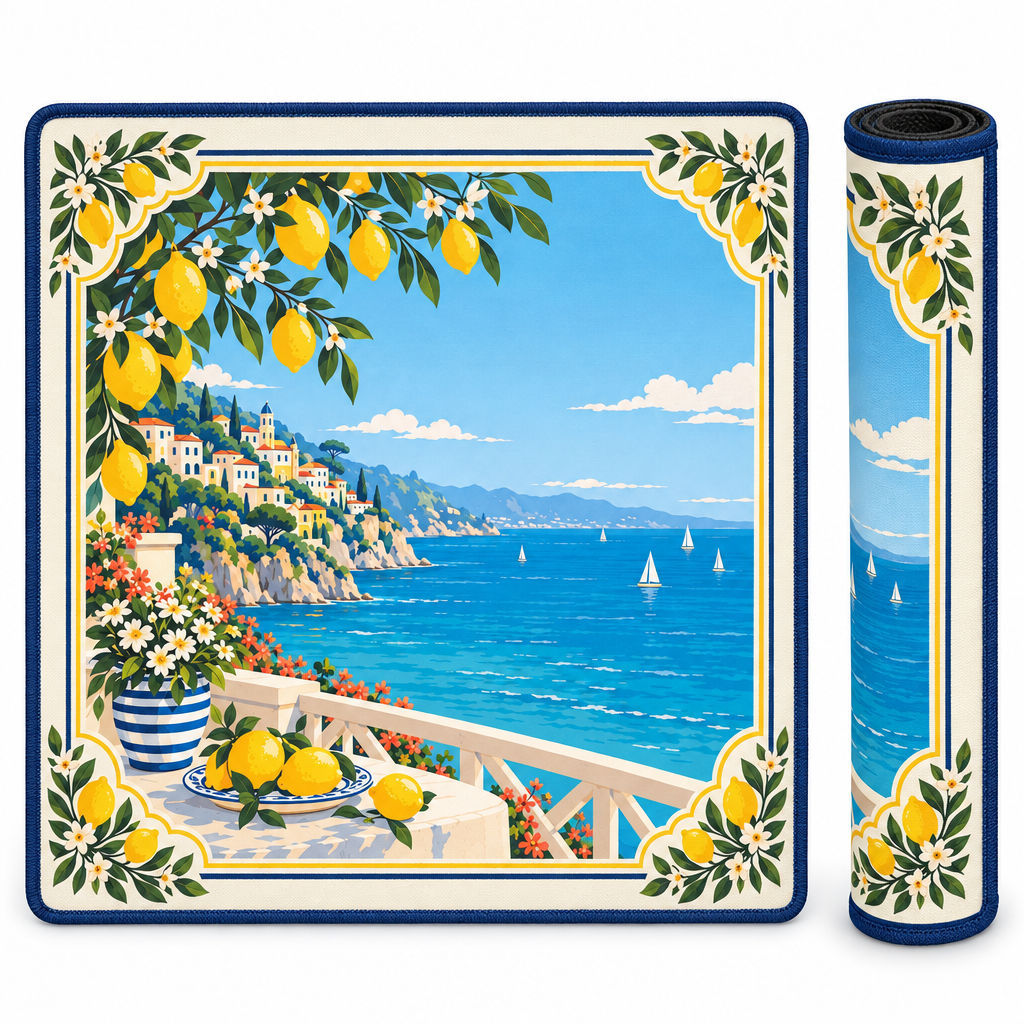
A vintage-style mahjong table surface typically means a protective mat or decorative cover in classic aesthetics—bamboo weave, felt damask, embroidered dragons, or retro geometric patterns. The mat sits under your tiles during play and pads the table; a cover protects the table between games. Mats range from 30"×30" (individual racks) to 36"–40" square, fold or roll for storage, and cost varies widely based on material and customization. A mat offers grip and tile protection; a cover offers table preservation. The key difference: mats are for play, covers are against wear. Most weekly players buy a mat; collectors or those with expensive furniture buy covers. Mahstead offers both in vintage-inspired designs through our mahjong mats collection, with options for embroidery, monogram, or solid vintage tones. 🀄 Shop best-selling mahjong sets →
Which size fits your space and game setup?
Mahjong mat size depends on table dimensions and whether you use racks or play loose-tile. A 36"×36" mat suits a standard dining table and four players with racks; a 40"×40" gives loose-tile room; a 30"×30" works solo or as a decor accent over a cocktail table. Measure your table first—mats don't shrink, and overhang looks sloppy. Wall-mounted or display-only? A smaller vintage mat (24"–28") works as art. Playing weekly? Go 36" minimum.
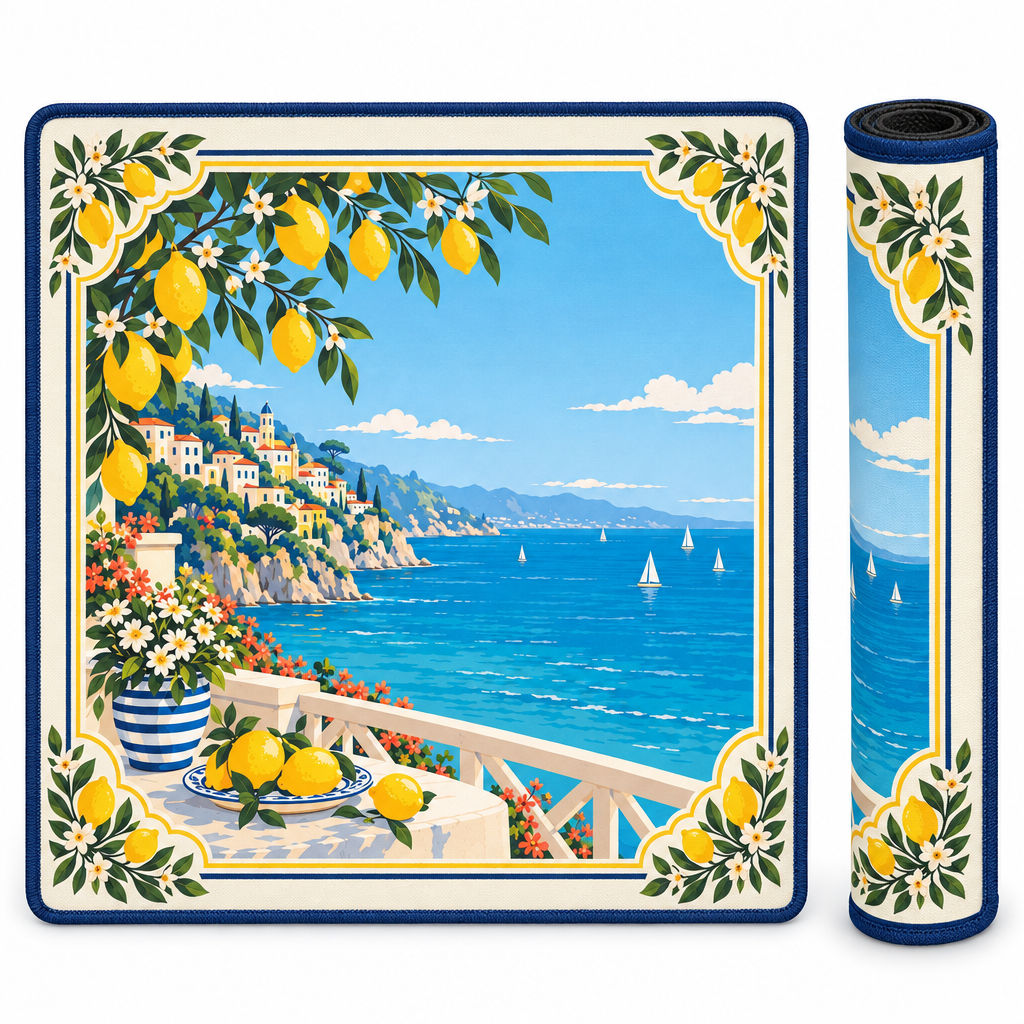
Does a mat or cover protect tiles better?
A mat is under the tiles and absorbs impact, moisture, and dust—it keeps your expensive set safe during play. A cover is over the table, protecting the wood or fabric from spills and fading when the game ends. A mat extends tile life; a cover extends table life. Most players use both: the mat stays out during the week, the cover drapes over between sessions. If your table is valuable, start with a cover; if your tiles are heirloom, invest in a mat.
What vintage styles work with different home décor?
Vintage mahjong designs range from 1970s earth tones (ochre, sage, rust), to Art Deco gold-and-black geometry, to Chinoiserie (embroidered dragons, landscape panels). Mid-century modern homes suit simple felt solids or minimal tile-motif patterns; traditional Asian décor calls for landscape or calligraphy embroidery; eclectic spaces carry retro florals or Op-Art geometrics. Choose a design that matches existing textiles—throw pillows, rugs, curtains—not against them. A monogrammed or engraved mat adds personal vintage charm without competing with décor.
✨ Find your Mahstead set — free US shipping →
Comparison: Mat vs. Cover vs. Combination Play
Feature | Mat | Cover | Both |
When used | During play | Between games | Alternating |
Tile protection | High (grip, padding) | None | Maximum |
Table protection | Low (mat covers table) | High | Maximum |
Storage | Folds/rolls | Drapes, stored easily | Mat rolled, cover folded |
Cost basis | Usually less | Varies widely | Additive |
Best for | Active players | Furniture-conscious | Weekly hosts |
Aesthetics | Visible, set tone | Hidden until use | Polished look |
Most casual players pick a mat; interior-conscious hosts or antique furniture owners choose a cover. Serious weekly players we know buy both—mat out during games, cover on between rounds.
What to check before you order
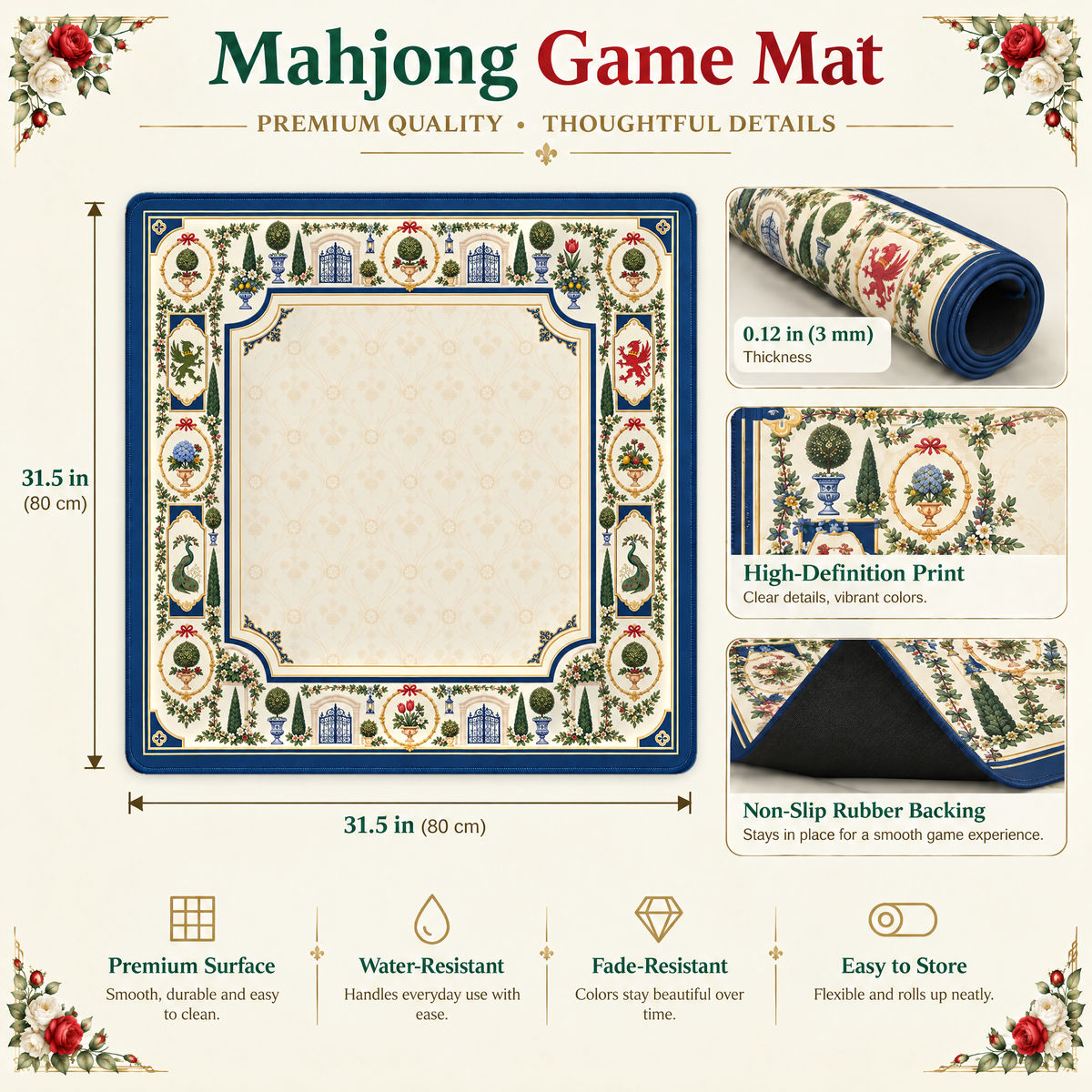
Size confirmation: Measure your table corner-to-corner (not side-to-side). A 36" mat on a 42" table leaves exposed wood; a 40" mat on a 36" table bunches. Order one size up if you're unsure.
Material feel: Felt mats grip tiles firmly; bamboo or rubber-backed mats slide less but cost more. Felt shows dust; embroidered or textured mats hide it.
Fastening: Does the mat have corner pockets, tie loops, or a non-skid base? Loose mats shift under tile-pushing. Ties or pockets anchor it to the table lip.
Cleaning: Ask the seller (or check product specs) if the mat is machine-washable or spot-clean only. Spilled tea happens—know the care before you buy.
Lead time: If ordering custom embroidery or engraving, confirm turnaround. Most Mahstead mats ship within standard US timeframes; custom work takes longer.
Personalization: Monogram, family name, or design initials add vintage flair and cost. Confirm placement (corner, center) and thread color (gold, silver, dark) before checkout.
Real-world scenario: Which option did we pick?
One of our regular game-hosting friends inherited a walnut dining table—beautiful, 1960s, but the top was vulnerable. She ordered a vintage-pattern cover (teal damask) to drape after each session. She plays with a standard felt mat during the week. The cover stays neatly folded in a closet; the mat rolls under the sideboard when guests leave. Cost: cover on the mid-range of pricing, mat a moderate spend. Result: table looks new, tiles stay clean, and she shows off the wood when the game ends. This setup suits anyone with furniture to preserve and weekly play habits.
Another player we know bought a mat from our collection in a burnt-orange vintage tone—no cover. He plays on a laminate kitchen table and stores the mat in a tube when not in use. Tiles grip well, mats easier to wash than a cover, and he doesn't worry about the table. His setup works for casual, kitchen-based play.
🎁 See our most-loved mahjong sets & accessories →
Why vintage-style mats pair with quality sets
A worn or plain mat undercuts a beautiful 160-tile engraved set or a set in rich colors. Conversely, a stunning mat makes a basic set look intentional and curated. Think of the mat as the stage—if you've invested in attractive tiles and racks with pushers, a coordinating vintage mat completes the picture. Color-match the mat to the suit theme, room palette, or tile trim. A gold-accented set shines on a gold-threaded or cream mat; a red-and-green set pops on black felt or deep teal. The mat is the first thing guests see—choose accordingly.
FAQ
Can I use a cover *during* play instead of a mat?
No. Covers are usually thick, non-grippy, and loose—tiles slide, pushers catch, and scoring gets messy. A mat's grip and padding are essential for handling and counting. Covers go on after you're done.
What's the typical size I should order if I don't know?
Start with 36"×36". It fits a standard four-top dining table and works with American mahjong play using racks. If your table is smaller (cafe-style, round), go 30"–32". Larger formal tables benefit from 40"×40". When in doubt, measure first.
Do custom embroidery or monogram mats take longer to ship?
Yes. Personalization adds production time. Standard Mahstead mats ship within normal US timelines; custom orders should be confirmed at checkout. Plan ahead if you need a monogrammed mat for a gift or event.
Should the mat match my tiles or my room décor?
Both, ideally—but room décor wins. Your guests see the full setup. A mat that clashes with curtains or rugs looks jarring, even if it matches your tiles. Choose a vintage tone that anchors the room, then pick tiles that complement it.
Is a non-skid base or tie-down system worth it?
Yes, especially on smooth tables (glass, polished wood, laminate). A mat that creeps throws off tile placement and annoys serious players. Corner pockets, elastic ties, or rubberized backing keep everything stable. Check this detail before ordering.
What's the difference between a mat for play and a decorative table runner or placemat?
A play mat is 30"+ square, thick enough to muffle tiles and protect them, and designed to anchor under racks or loose tiles. Runners and placemats are thin, decorative, and won't protect tiles or stay put during active play. Don't substitute a runner for a real mat.


View More
View More
View More
