
Vintage Style Mahjong Table Cover: Styles, Size & Setup Guide
Last updated: Nov 23, 2026
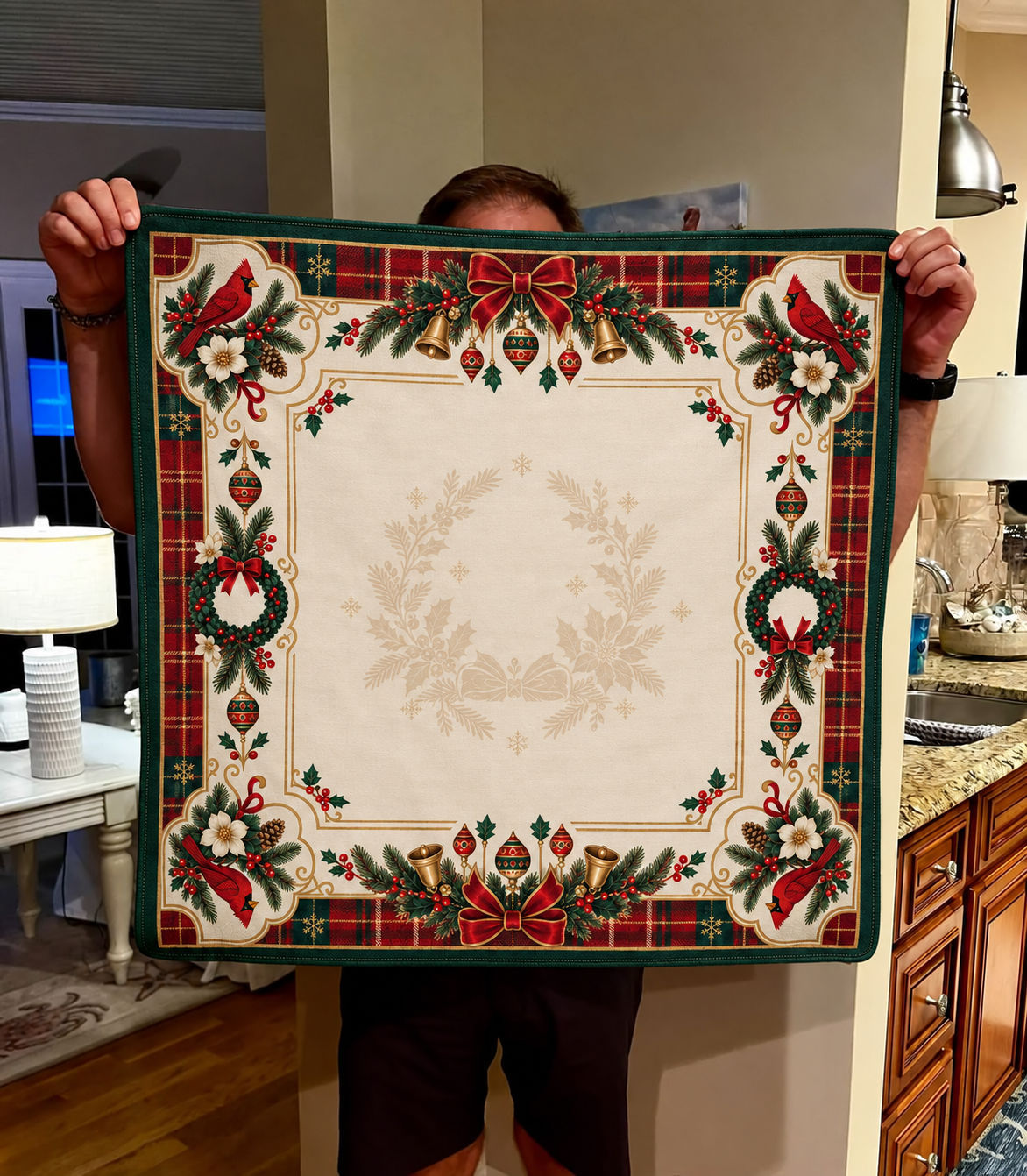
A vintage-style mahjong table cover is a decorative, protective layer that drapes or fits over your table surface—distinct from a mat, which sits on top and serves as the playing surface itself. Vintage designs typically feature retro color palettes (cream, jade, rust, gold), traditional motifs (bamboo, dragons, tiles, Chinese calligraphy), or nostalgic patterns inspired by mid-20th-century Asian aesthetics. Covers range from loose-fitting fabric drapes to fitted, elastic-edged versions; they're usually 52–60 inches square or rectangular to fit dining or gaming tables. Cost varies widely based on material (cotton, polyester, blended), thickness, and custom printing; many shoppers budget moderately for a cover that's durable enough for weekly use. The key mistake is confusing a cover (decorative, sits under the game mat) with a playing mat (functional surface where tiles live). We recommend measuring your table first, choosing a material that suits your climate (breathable for humid areas, sealed for spill-prone households), and checking that elastic hems won't slip during active play.
What's the difference between a table cover and a mahjong mat?
We often hear this, and it matters. A table cover is decorative protection that goes under everything—it sits flat on your dining table, then your playing mat goes on top. A mahjong mat is the actual game surface: it has wells for tiles, racks, and your hand, and it's where the action lives. Covers set the mood; mats make the game work.
🀄 Shop best-selling mahjong sets →
Which vintage-style designs work best for American mahjong nights?
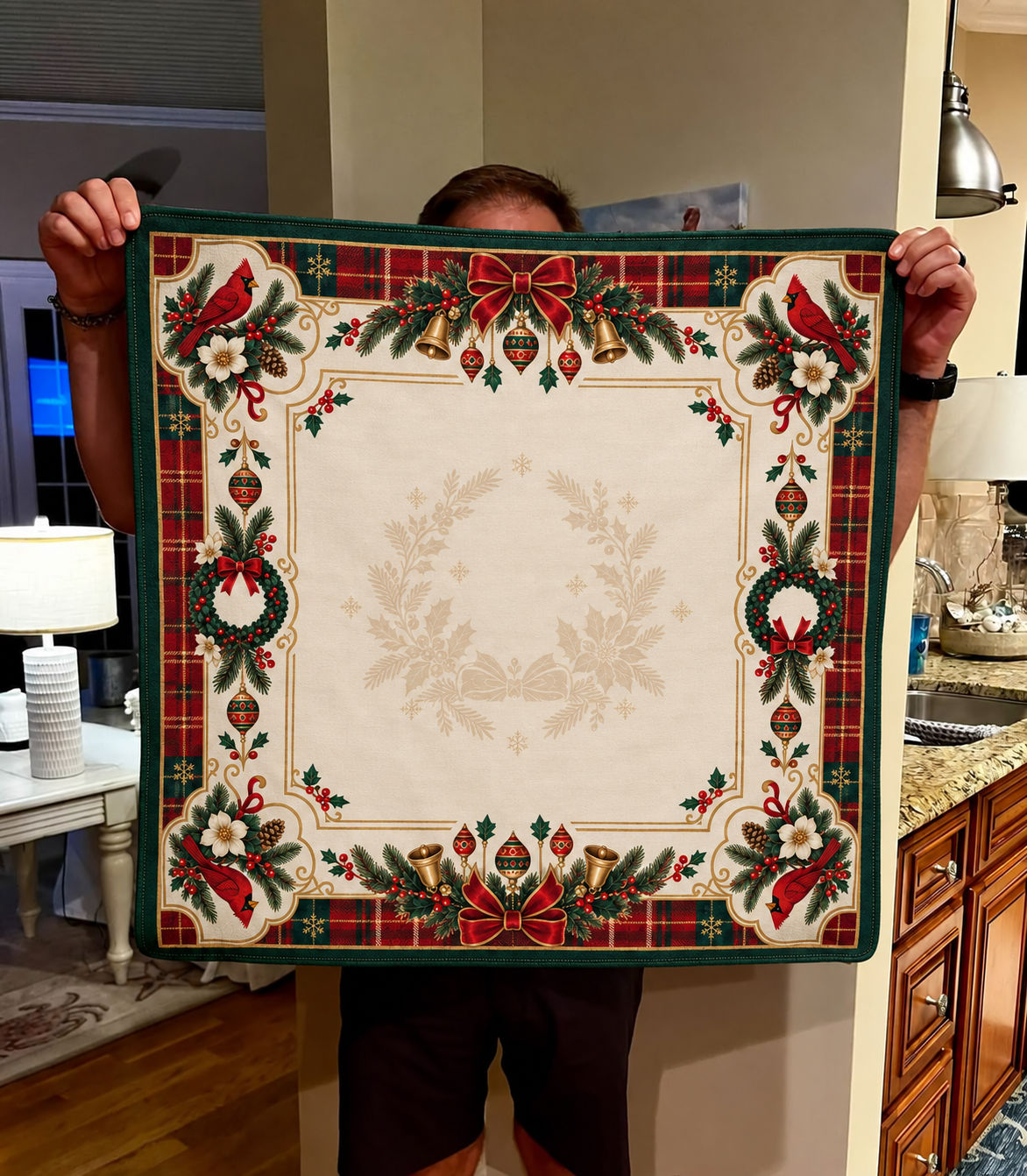
Vintage covers fall into two camps: motif-heavy (dragons, bamboo, tile patterns, calligraphy) and color-palette (jewel tones, pastels, earth tones that echo 1960s–80s décor). For American mahjong specifically, players tend to favor designs that echo mid-century game culture—gold and cream with geometric tile borders, or deep jade and burgundy with subtle dragons. These feel authentic without being costume-y. We've hosted games where a vintage gold cover with black tile motifs became the "house identity" players looked forward to. Match the cover's tone to your room's existing color story; a cover that clashes with your walls can feel staged.
How do you measure and fit a vintage table cover correctly?
Measure your table from edge to edge in both directions, then add 12–16 inches for overhang (so the cover drapes but doesn't drag on the floor). For a standard 48-inch round dining table, you'd want a 60–64-inch cover; for a 36×60-inch rectangular table, look for a 48×72-inch cover. Elastic-edged covers work best on tables with a distinct rim; flat drape covers suit any shape but can shift during play. The most common mistake is buying a cover that's too small—it looks skimpy and doesn't protect the legs and sides. When your mat sits on top, you want 2–3 inches of vintage fabric peeking out all around. Check the seller's sizing chart, not just the name; "standard" varies wildly.
🎁 See our most-loved mahjong sets & accessories →
What materials hold up to weekly mahjong games?
Cotton blends (65% cotton, 35% polyester) breathe well and age beautifully, but they stain easily unless treated. Polyester and poly-blends resist spills and are easier to clean—critical if you're serving snacks and tea. Heavier fabrics (10–12 oz) feel more luxe and stay in place; lighter ones wrinkle and slip. We recommend a stain-resistant or performance blend if your group plays year-round in a humid climate or tends toward beverages near the table. Linen looks vintage and classy but requires care. Check the care label before buying; machine-washable covers beat hand-wash-only for weekly players. Vintage-printed covers on synthetic blends often outlast 100% natural fiber; the dye-hold is more stable, and the fabric won't fray as quickly around the edges.
Should you layer a cover under your mat for full protection?
Absolutely. A vintage cover under your playing mat protects your table from tile dust, humidity, and spills while letting the mat do its job—keeping tiles upright, organizing racks, and allowing pushers to glide. The cover acts as a cushion, reducing noise and wear on the table finish. This setup also means you can swap covers (seasonal vintage designs, anyone?) without replacing your mat. If you're investing in both, the cover is the cheaper, faster refresh—you can change the mood of your game night in seconds by swapping a burgundy dragon cover for a cream tile-pattern one.
✨ Find your Mahstead set — free US shipping →
Scenario | Cover Material | Size Range | Best For | Why It Works |
Weekly casual play, humid climate | Poly blend, stain-treated | 54–60" square | Groups that prioritize cleanup speed | Dries fast, resists mold, easy to launder |
Monthly game night, low traffic | Cotton blend | 48–54" | Vintage lovers who don't mind hand-wash | Breathes, authentic feel, ages gracefully |
Permanent home setup, formal room | Heavy linen or performance cotton | 60–66" | Tables that stay covered between games | Professional look, durable, statement piece |
Temporary setup, small apartment | Compact drape or fitted elastic | 36–48" | Players moving tables often | Stores easily, versatile sizing, no wrinkles |
What to check before you buy a vintage-style cover
Measure twice. Edge-to-edge table width and length, plus 12–16 inches for drape. A cover that's too small defeats the purpose.
Confirm the fiber content. Blends (60+ % natural) feel vintage; synthetics (80%+) clean easier. Pick based on your lifestyle and the climate where you play.
Read the care instructions. Machine-washable beats hand-wash-only if you're playing weekly. Stain-treated fabrics are worth the premium for beverage-prone groups.
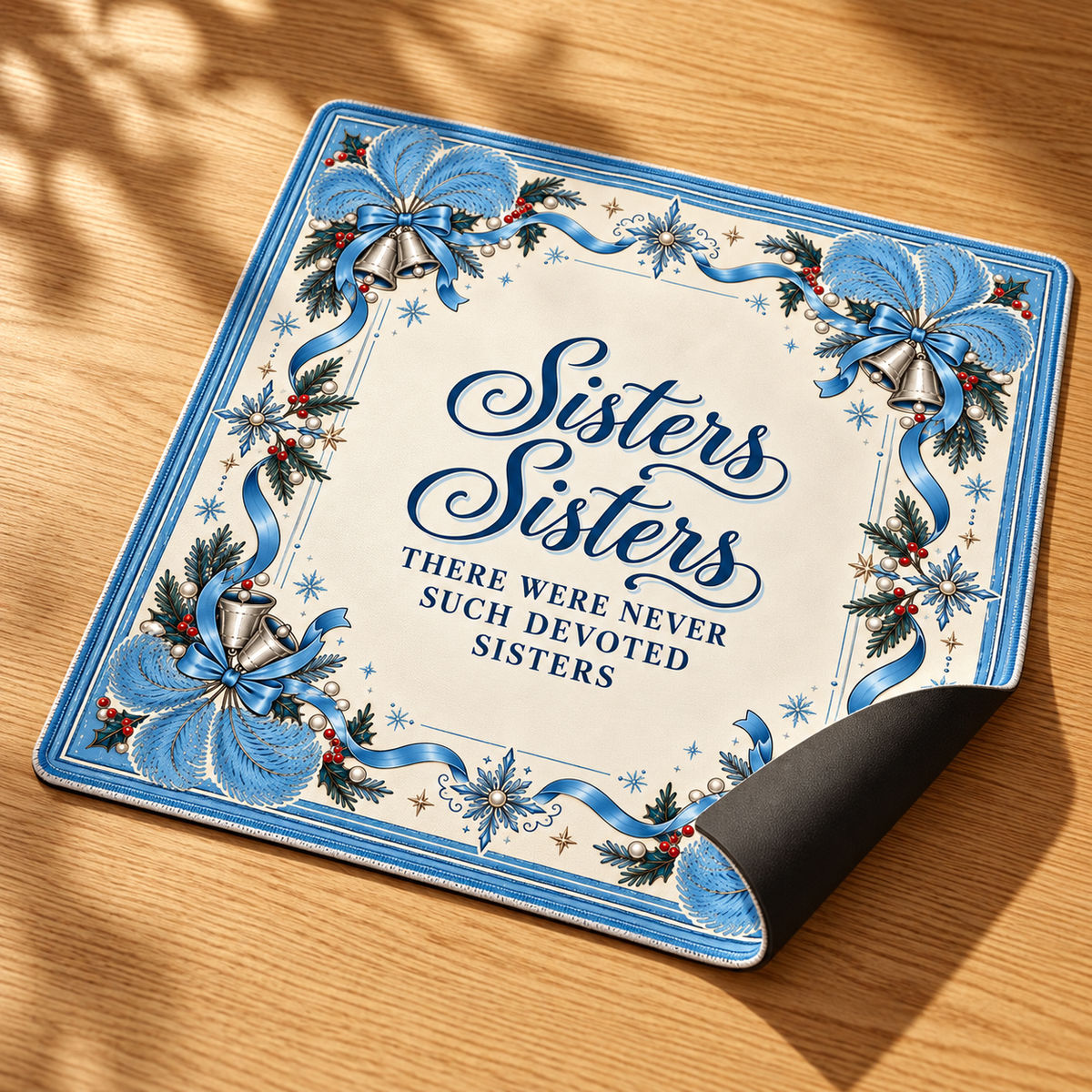
Check the listing images. Vintage prints vary wildly—some lean art deco, others mid-century modern, others explicitly retro 1970s. Make sure the aesthetic matches your vision.
Verify the return window. Colors can shift dramatically in person; a 30-day return policy gives you wiggle room if the vintage gold is too yellow or too orange for your space.
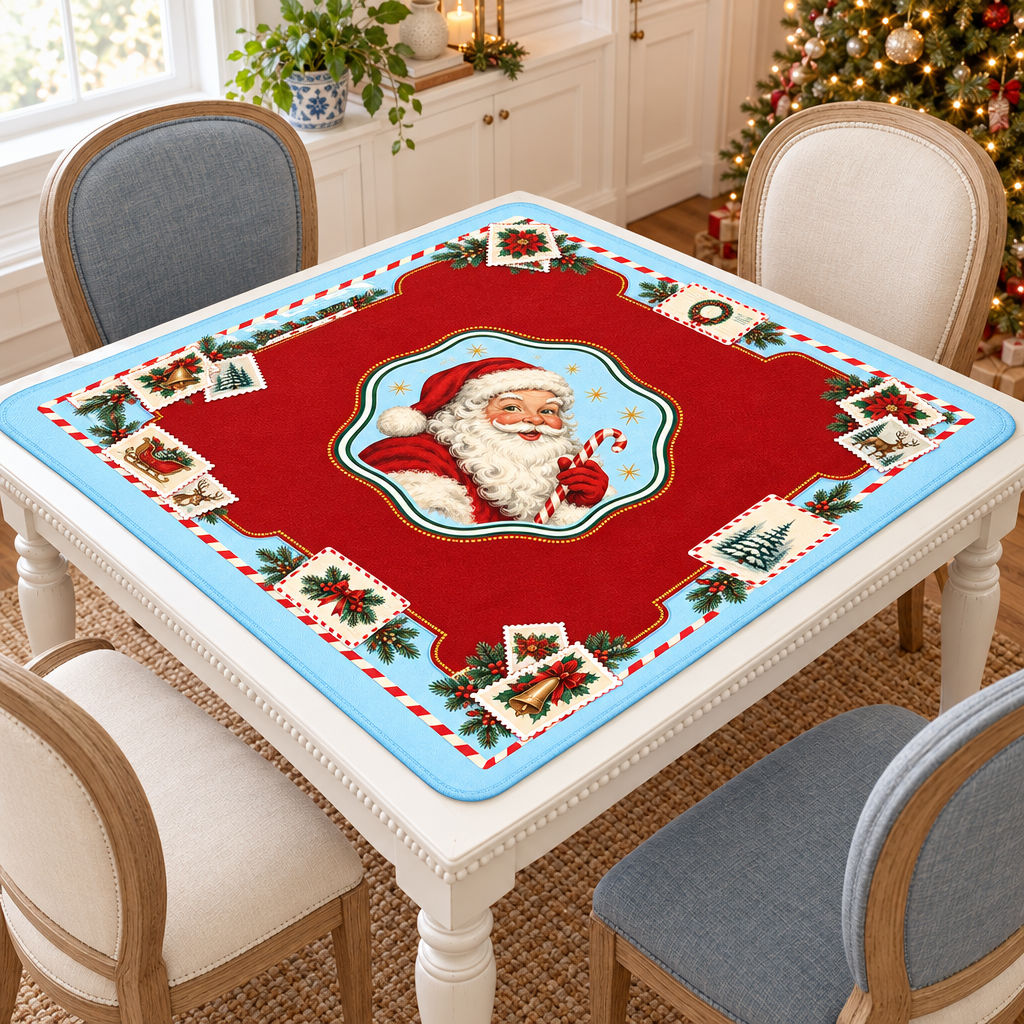
Plan for your mat underneath. If you already own a mahjong mat, check its footprint so the cover isn't too small or too large; you want 2–3 inches of fabric visible at all sides.
Which vintage covers pair with American mahjong sets?
If you're hosting American mahjong nights, your cover should complement—not compete with—your tile set. Neutral vintage covers (cream, soft gray, pale jade) work with any tile color; bold-motif covers (dragons, cranes, calligraphy) shine with solid-colored acrylic sets and complement traditional or engraved designs. A best-selling set in classic acrylic often looks stunning against a vintage cream cover with gold tile borders. Engraved or personalized sets deserve equal billing; pair them with covers in solid vintage tones or minimal motifs so the tile artistry remains the star.
Vintage cover styles for different table aesthetics
Modern minimalist room: Choose a cover in one solid vintage color (soft jade, warm cream, muted rust) with no pattern, or subtle geometric Art Deco borders in metallic thread.
Traditional or Asian-inspired décor: Dragon, bamboo, or plum-blossom motifs, deeper jewel tones (emerald, sapphire, wine), and perhaps calligraphy text.
Eclectic or retro space: Go bold—1970s-inspired color blocks, tile-print patterns, or vintage game-table aesthetics (gold and burgundy, cream and rust).
Formal dining room: Linen or heavy cotton blend, neutral tones, minimal pattern. This cover stays visible between games and should feel timeless.
Common sizing mistakes and how to avoid them
The number-one error we see: buying a cover that fits the tabletop but not the overhang. Your mat needs 2–3 inches of peeking fabric all around for a finished look, and your table legs need protection from tile dust and spills. If you're buying online, add 14–16 inches to your table's longest dimension and verify the seller's measurement method (some quote finished size, others quote flat lay). Elastic-edged covers work well on tables under 50 inches; above that, they may not stretch evenly. For rectangular tables, a drape cover often outperforms fitted versions because the fabric can settle naturally at the corners. Call or email if the sizing chart looks unclear; it's better to ask than to receive a cover that's an inch too small or too loose.
FAQ
Can I use a vintage table cover with any mahjong mat?
Yes. The cover goes under the mat; the mat's weight holds the cover in place. Just ensure your cover is at least 2–3 inches larger on all sides than your mat's footprint so the mat sits centered.
Will a vintage-printed cover fade in sunlight?
Natural sunlight fades most fabrics over time. Poly-blend covers with synthetic dyes hold color longer than 100% cotton or linen. If your table is in direct sun during game time, rotate the cover seasonally or choose a solid vintage tone that ages gracefully.
Is a table cover necessary if I already have a mahjong mat?
Not necessary, but highly recommended. A cover protects your table from dust, humidity, and spills, extends mat life, reduces noise, and lets you change the aesthetic without replacing the mat. It's a low-cost upgrade that pros appreciate.
What's the typical price range for a vintage-style mahjong table cover?
Prices vary based on material, size, and design complexity. See current pricing on the product page for specific options; vintage-printed blends are generally more affordable than heavy linen or custom designs.
How often should I wash a vintage mahjong table cover?
Monthly washing is normal for weekly players; more often if spills occur. Check the care label. Stain-treated poly-blends can handle frequent machine washing; delicate linens may benefit from spot-cleaning and occasional gentle wash cycles.
Can a table cover go inside a mahjong case or bag?
Small 36–48-inch covers fold compactly and fit in large travel bags; larger covers are better stored flat or rolled. If portability is your priority, choose a medium-weight, drape-style cover over a fitted elastic version.


View More
View More
View More
