
Vintage Style Mahjong Racks: Which Design Fits Your Game
Last updated: Nov 23, 2026
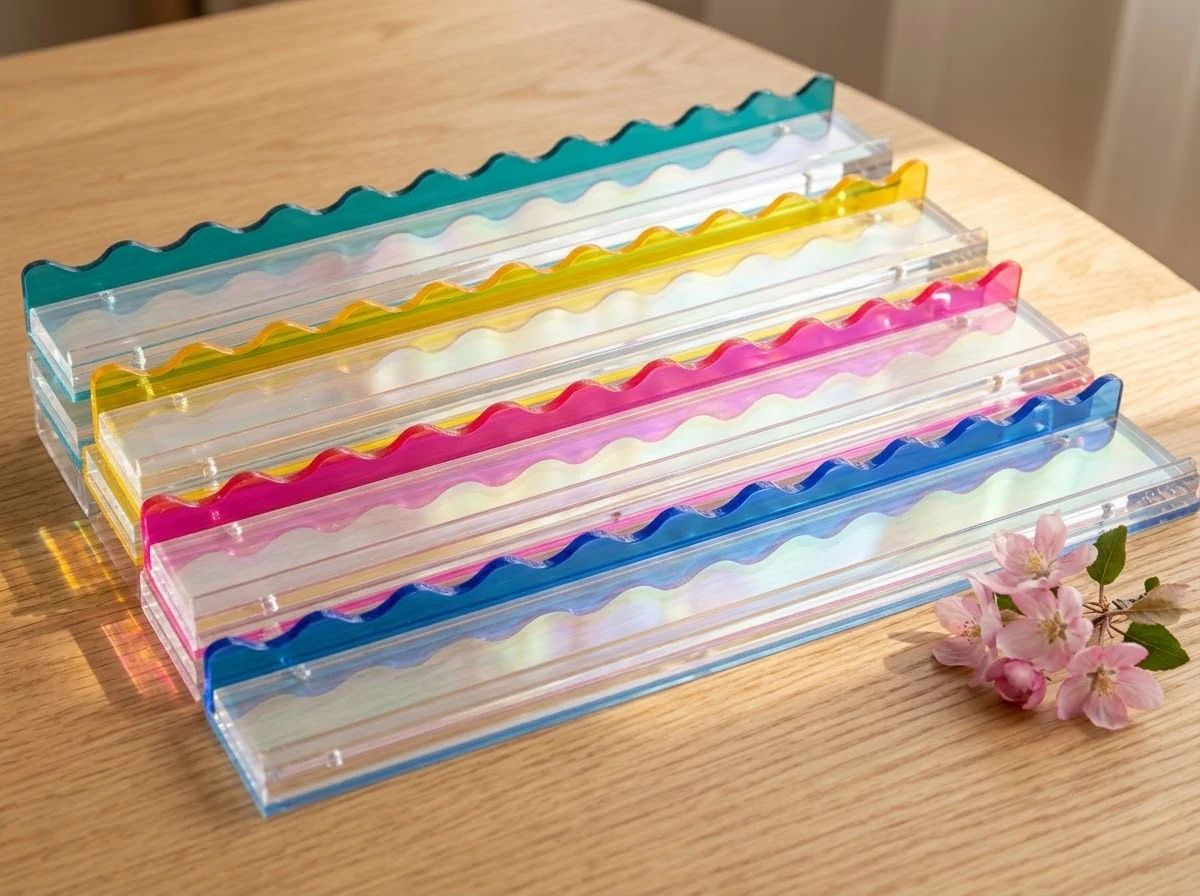
Vintage-style mahjong racks blend aesthetics with function: they hold tiles at an angle so players can see their hands without lifting, include pushers to slide tiles smoothly, and range from classic bamboo to carved wood finishes that evoke mid-century sets. Our mahjong racks with pushers collection offers styles from minimalist acrylic to ornamental wood, all compatible with standard American 160-tile sets. Cost varies by material and craftsmanship—bamboo typically costs less, hand-carved wood more. Key before buying: measure your table depth (most racks need 6–8 inches), confirm tile slot width (acrylic tiles are narrower than bone/bamboo), and verify the pusher slides smoothly without sticking. Avoid undersized racks that cramp hands or oversize designs that tip when tiles are removed.
What makes a rack "vintage style" versus modern?
Vintage-style racks draw from mid-20th-century Asian and Western designs—think natural bamboo with worn patina, hand-carved wooden frames, or lacquered finishes with brass accents. Modern racks prioritize minimalism and function: sleek acrylic, metal rails, or molded polymers without ornament. Vintage designs cost more because they use heavier materials and hand-finishing; modern racks optimize speed and durability for frequent players.
🀄 Shop best-selling mahjong sets →

Which material holds up longest at the table?
Bamboo racks are lightweight and beautiful but soften with age and humidity; they need occasional oiling. Wood (walnut, rosewood, cherry) is denser and resists warping if sealed properly—hand-carved pieces can last decades. Acrylic racks are virtually indestructible but lack the tactile warmth players love; they resist stains and scratches. At our weekly games, we've seen bamboo racks become cherished heirlooms and acrylic ones outlast five sets of tiles. For humid climates (Texas, Florida, Gulf regions), sealed wood or acrylic outlast bamboo; for dry climates, bamboo holds beautifully with minimal care.
How do you size a rack for your table and hands?
Measure three things before ordering. First, table depth: most racks occupy 6–8 inches of play space, so ensure your table is at least 24 inches deep. Second, hand span: if you're a tall player or play with large groups, try a standard rack at a friend's house first—undersized racks squeeze the hand. Third, tile width: acrylic tiles from our best-selling sets are narrower than vintage bone or bamboo tiles, so check the rack's slot width before mixing old sets with new racks. A mismatch means tiles slip or jam. At our table, one player inherited a 1970s brass-trimmed rack; we had to shim it with felt tape to fit modern acrylic tiles—a five-minute fix that could have been avoided with pre-purchase clarity.
What's the difference between pushers and rack design?
A pusher is a separate handle or blade that glides along a rail to move tiles forward as you draw. Vintage bamboo racks often have simple wooden pushers; hand-carved frames include ornate bone or wood pushers that match the aesthetic. Acrylic racks use smooth plastic pushers on metal rails for frictionless operation. Design matters less than fit: the pusher should slide without wobble, return smoothly when released, and not jam on corner tiles. Cheap vintage reproductions sometimes glue the pusher—if it cracks, the whole rack is compromised. Buy from makers who use dovetail joints or metal reinforcement.

Should you buy a matched set of four racks or mix styles?
A matched set (all four players with identical racks) looks cohesive and ensures everyone has equal comfort and tile management. Mixed vintage styles (one bamboo, one wood, one acrylic, one brass-accented) can look intentional and beautiful—like a curated table—but introduces inconsistency if one pusher sticks or one slot is slightly narrow. For tournament or serious weekly play, we recommend matching sets so no player has an advantage. For casual games where aesthetics matter more than uniformity, mixing works if all racks are in good repair.
Rack Type | Best For | Durability | Feel | Maintenance |
Bamboo (natural) | Collectors, gentle tables | 5–8 years with care | Warm, light | Oil 1–2× yearly |
Hand-carved wood | Heirloom players, humid homes | 20+ years | Solid, beautiful | Seal if worn |
Acrylic (modern) | High-frequency play, travel | 10+ years | Cool, crisp | Wipe clean |
Brass-accented (vintage reproduction) | Display, low-traffic games | 8–12 years | Heavy, formal | Dust brass monthly |
🎁 See our most-loved mahjong sets & accessories →
What to check before you buy
Before ordering, confirm five things with the seller or product page:
Exact slot width (in millimeters if possible): match your tile size. Acrylic American tiles are typically narrower than bone or bamboo vintage tiles.
Pusher material and mechanism: Is it glued or jointed? Does it slide on rails or sit loose? Ask for a photo of the pusher in motion.
Table clearance: How deep is the rack? Will it fit your play space without crowding the wall or another player's knees?
Finish or sealant: Is the wood sealed? Will bamboo darken with age? This affects how it looks after one year versus five.
Return policy: If the slot is too narrow or pusher sticks, can you return it? Vintage-style racks are often custom or limited stock.
At Mahstead, we pair custom-engraved American mahjong sets with quality racks so players have a cohesive setup. Measure, ask questions, and don't assume vintage = fragile or acrylic = cheap-looking. The best rack is the one your hands trust after the first draw.
✨ Find your Mahstead set — free US shipping →
Vintage racks work best with the right mat and tiles
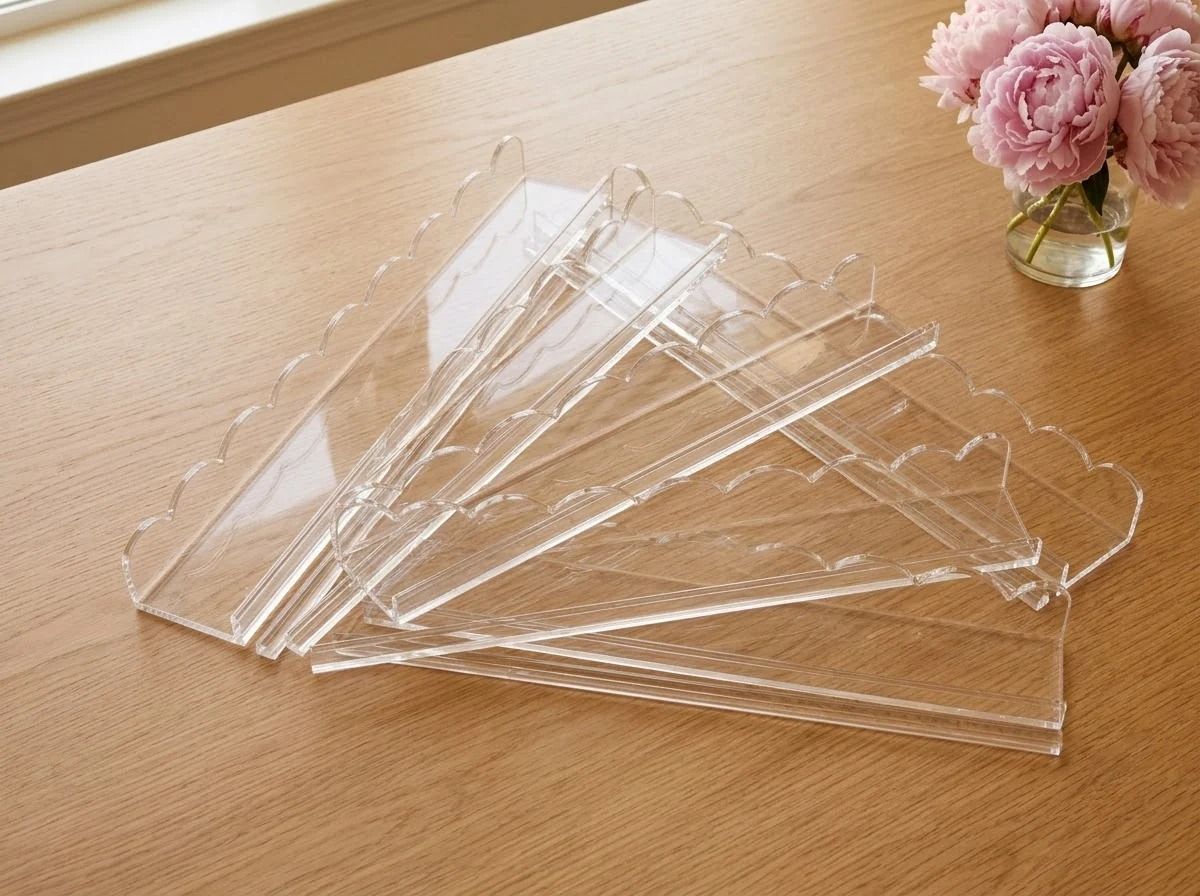
Pair your rack with a complementary mahjong mat and tile set for visual harmony. A hand-carved wooden rack looks stunning on a silk or bamboo mat with bone tiles; a sleek acrylic rack suits a modern rubber mat and acrylic tiles. Our new arrivals often combine racks and mats in coordinated collections. Also consider a quality travel bag or case if you transport your racks between homes or games—racks are delicate and deserve protection.
FAQ
Can I use an old vintage rack from the 1970s with modern acrylic tiles?
Yes, but check the slot width. Vintage racks are cut for thicker bone or bamboo tiles; modern acrylic tiles are narrower and may slip or rattle. Felt tape or custom shims can fix this in minutes.
Do I need four identical racks or can each player use a different style?
Mixing styles works for casual play and looks intentional. For serious games, matching racks ensure equal comfort and avoid one player gaining an edge from a smoother pusher or wider slot.
How do I clean and maintain a vintage bamboo rack?
Wipe with a dry cloth weekly. Oil lightly (food-safe mineral oil) every 6–12 months. Avoid soaking or dishwasher. Store in a cool, dry place; humidity can warp bamboo over time.
What's the ideal rack depth for a standard mahjong table?
Most racks occupy 6–8 inches of table space. Measure your play surface before buying; undersized racks (under 5 inches) cramp larger hands, while oversize racks tip easily.
Are acrylic racks as elegant as wood or bamboo for a formal game?
Acrylic racks are sleek and modern but lack the tactile warmth of natural materials. For heirloom aesthetics, choose wood or bamboo; for durability and low maintenance, acrylic wins.
If a pusher gets stuck or cracked, can I replace just that part?
Sometimes, if the rack uses dovetail joints or replaceable rails. Glued pushers mean buying a new rack. Check the construction before ordering—buy from makers who support repairs.


View More
View More
View More
