
Vintage Style Mahjong Card Holder: What to Know Before Buying
Last updated: Nov 23, 2026
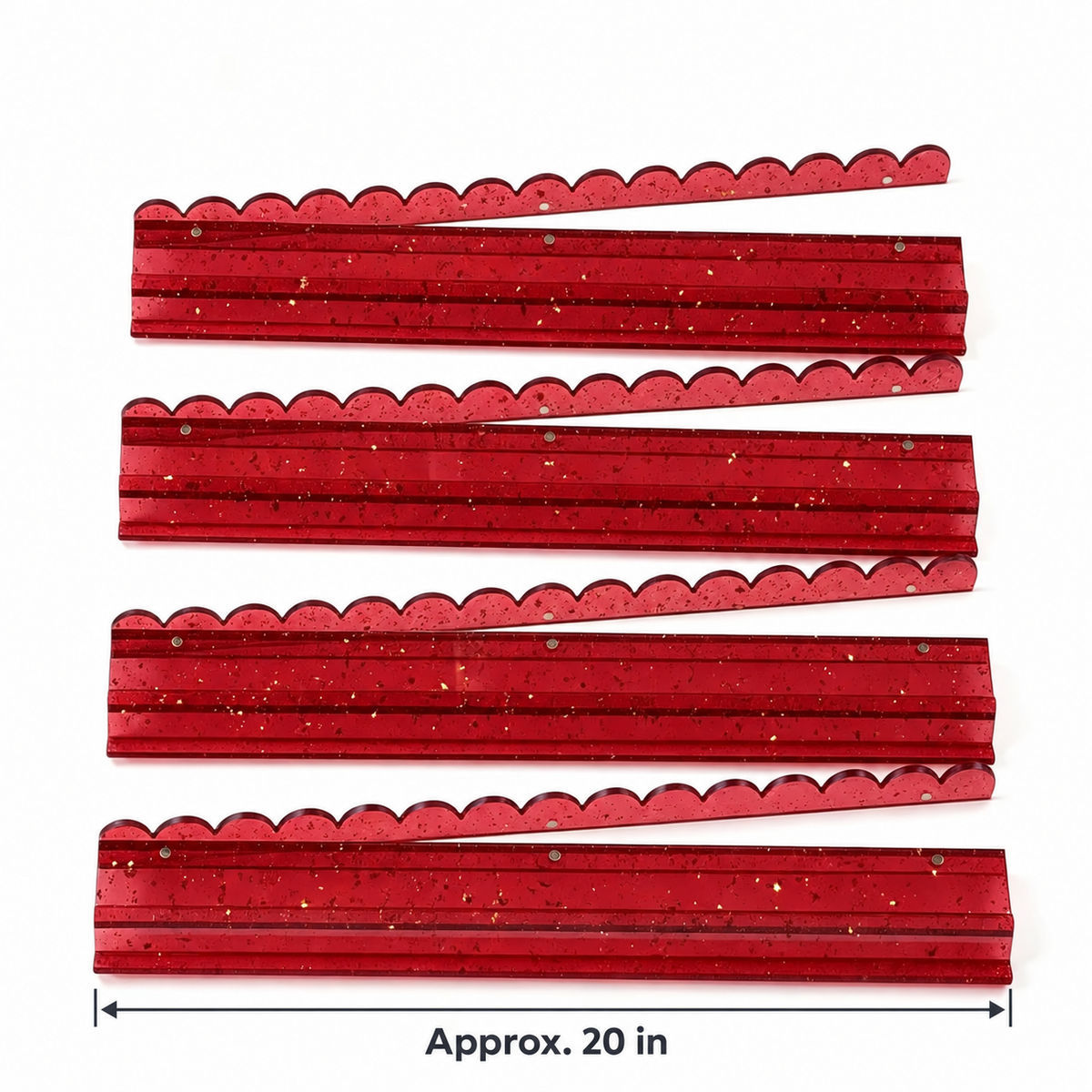
A vintage-style mahjong card holder is a small protective frame or stand—typically made from acrylic, bamboo, or enamel—that holds your current National Mah Jongg League card upright during play. Most sit flat on the table or stand at a slight angle, keeping the card legible without bending or water damage. Dimensions usually range 4–6 inches wide, sized to fit a standard card (roughly 3.5 × 5.5 inches). Quality vintage designs favor transparent acrylic with engraved details, metal accents, or soft enamel graphics that echo 1970s–1990s aesthetics. Cost varies widely depending on material and engraving—see current price on the product page for Mahstead's collection. Avoid flimsy plastic holders that flex; choose acrylic or wood. Many players pair a card holder with our best-selling mahjong sets, since a cohesive look at the table matters as much as function. 🀄 Shop best-selling mahjong sets →
What makes a vintage card holder different from a modern one?
Vintage-style holders honor the aesthetic of mahjong's peak decades—bold colors, nostalgic graphics, enamel inlays, or lacquered wood finishes—rather than minimalist or monochromatic designs. A 1980s-inspired holder might feature bamboo framing or hand-painted motifs; a 1970s nod could include burnt-orange acrylic or brass corners. Modern holders typically strip these elements away for clean lines. The vintage approach appeals to players who want their table setup to feel intentional and personal, not corporate or generic. Choosing vintage style signals you're part of mahjong's living tradition, not just playing a trend.
Which material holds up best during weekly play?
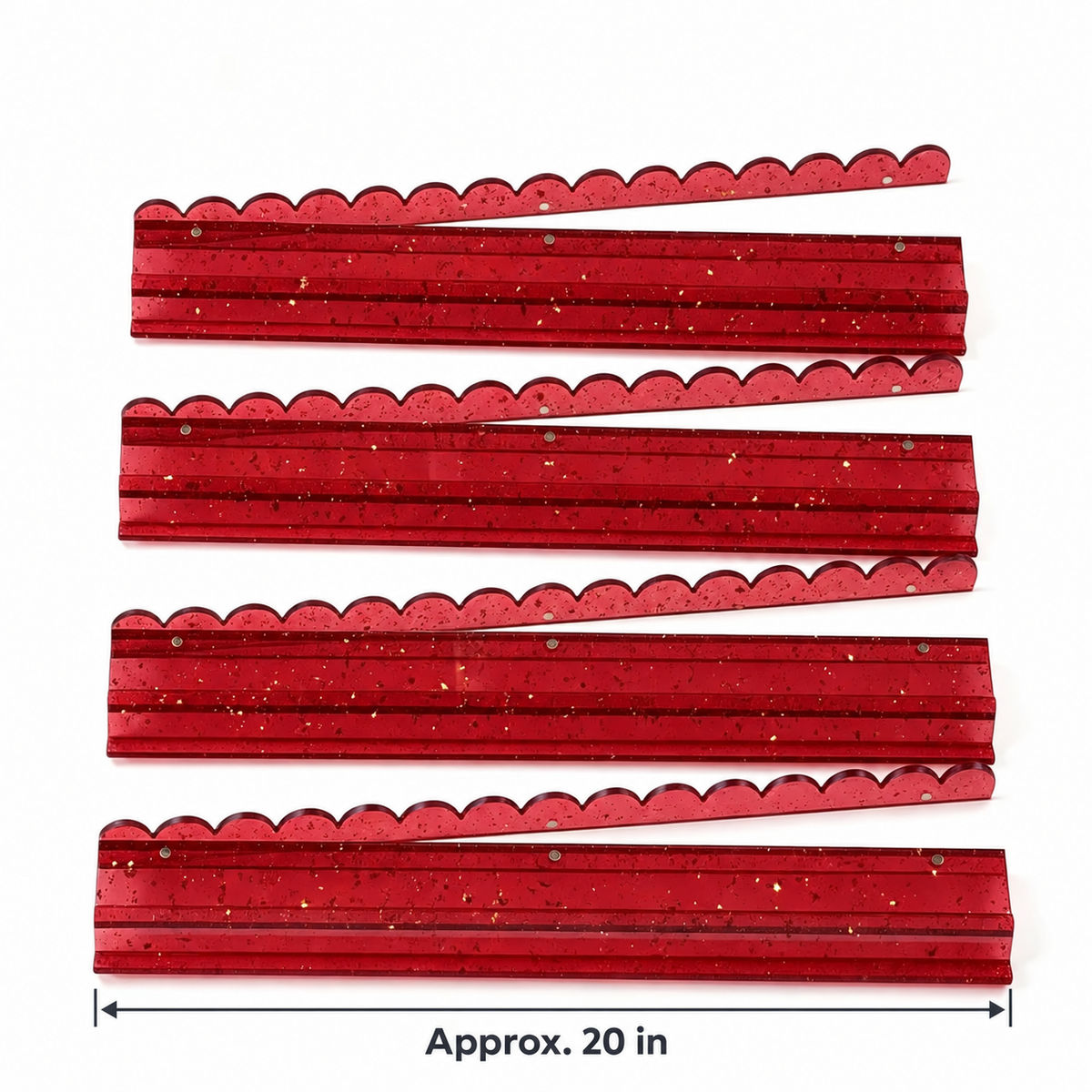
Acrylic is the gold standard: it resists water from spilled tea or cocktails, doesn't absorb stains, and survives a decade of weekly games without cracking if you avoid hard drops. Bamboo looks beautiful and feels warm, but it can warp or stain if exposed to humidity or condensation—not ideal for a humid game room. Wood (walnut, oak) ages gracefully if sealed, but requires care. Enamel-coated metal or resin hybrids work well if the enamel doesn't chip; once it does, rust or corrosion can follow. For serious players hosting consistent weekly games, acrylic with engraved details or enamel accents offers durability plus that vintage charm without the upkeep headaches.
How do you know if a card holder will fit your table setup?
Measure your mahjong mat or table depth first. A card holder should sit 2–3 inches in front of your rack, leaving sightlines clear and not crowding the play zone. If your mat is compact (say 36 × 36 inches), a holder wider than 5 inches will feel cramped. Check the holder's depth too—a tall stand (more than 3 inches high) can block line-of-sight if you're seated far back. Test whether the holder's base is stable on the mat texture; smooth acrylic bases can slide on silicone mats, so a holder with rubberized feet or a weighted bottom works better. Our mahjong mats pages list dimensions; cross-reference those with your holder's footprint before ordering. A cohesive look—matching colors or materials between your mat, set, and holder—makes the whole table feel intentional.
What's the comparison between acrylic, bamboo, and enamel holders?
Material | Durability | Vintage Feel | Maintenance | Best For |
Acrylic (engraved or inlaid) | Excellent; 10+ years | Strong (1970s–90s palette) | Wipe clean; avoid harsh chemicals | Serious weekly players; humid rooms |
Bamboo (stained/sealed) | Good; 5–7 years if dry | Warm, authentic | Oil finish yearly; protect from spills | Casual players; controlled climate |
Enamel metal hybrid | Good; 7–10 years if sealed | Very retro (1960s–80s peak) | Touch up chips; monitor seams | Collectors; display-focused tables |
Resin (cast with inlays) | Fair to good; 3–5 years | Nostalgic graphics | Wash gently; avoid heat | Budget-conscious players; short-term use |
Acrylic wins on longevity and low fuss; bamboo wins on tactile warmth if you have the climate for it; enamel peaks visually but demands attention.
🎁 See our most-loved mahjong sets & accessories →

How do vintage card holders pair with the rest of your set?
Your card holder, mahjong rack with pushers, tiles, and mat form one visual narrative. If your set features engraved tiles (e.g., titles or custom names), a card holder with matching engraving or a complementary color creates unity. For example, a player with a blue and gold set might choose a card holder in translucent blue acrylic with gold enamel inlays. If your set is classic acrylic in primary colors (like our best-selling collection), a vintage card holder in burnt orange, forest green, or cream enamel adds character without clashing. Mixing eras—say, a 1960s-style bamboo holder with a modern minimalist set—can work if the colors align. The key is intentionality: pick one design era (or a deliberate blend) and echo it across your table. A mahjong mat in a complementary tone anchors the whole aesthetic.
What should you check before ordering a vintage card holder?
Authenticity of the vintage aesthetic: Does the design actually evoke the era it claims? Cheap reproductions sometimes miss the visual weight or color saturation of genuine vintage—look at photos closely. Ask the maker if details are engraved or printed; engraving lasts longer.
Footprint stability: Will the holder's base stay put on a silicone mat or wooden table? A holder with a light footprint can slide if your setup is smooth and players bump the table. Rubberized feet or a weighted base prevents this.
Card fit: Standard mahjong cards are roughly 3.5 × 5.5 inches. Some holders are tight; confirm the opening is at least 3.75 inches wide.
Ease of card swaps: If you host games year-round, you'll swap the card each spring. A holder with a simple slide-in opening beats one with a snap closure that breaks.
Condition upon arrival: Request photos before shipment if buying vintage originals. For new vintage-style holders, check the packing—acrylic can crack if not cushioned.
Color and material match with your set: Have your mat and set color palette in mind before you buy. Vintage-style holders are highly visible; a mismatch stands out.
✨ Find your Mahstead set — free US shipping →
Why do serious players invest in a nice card holder?
The mahjong card is the rulebook for that year's legal hands. Damage—creases, tears, water stains—makes it harder to read under table lighting, slowing the game and causing disputes. A player squinting at a damaged card delays everyone. A nice vintage holder signals respect for the game and your tablemates: it says you're prepared, intentional, and serious enough to protect shared resources. It also keeps the card visible for everyone at the table—no one has to ask what's legal. Beyond function, a vintage card holder becomes part of your table identity. Players remember a host with a beautiful setup. It's not vanity; it's hospitality. A cohesive table—with a mahjong set, mat, racks, and card holder all thoughtfully chosen—feels like a real game, not a casual diversion. That atmosphere keeps players coming back.

FAQ
Can I use a vintage card holder if I'm learning American mahjong?
Absolutely. New players especially benefit from a clear, protected card display. Look for one with good sightlines (not too tall or angled) so you can read it easily while still watching the tile flow. A vintage-style acrylic holder keeps the card flat and legible.
What's the best material for a humid game room?
Acrylic is your safest bet. Bamboo and wood can warp or stain; enamel can develop mildew in cracks. Acrylic resists moisture and won't absorb odors. Wipe it dry after play if condensation collects.
Can I pair a 1970s-style card holder with a modern mahjong set?
Yes, if the colors complement each other. Vintage design is about color palette and form, not era-matching. A burnt-orange 1970s holder works with a contemporary set if both use warm tones. Test the pairing visually before you buy.
How do I know if a card holder will fit my mahjong mat?
Measure your mat's width and depth first. A standard mat is 36–48 inches square. Your card holder should occupy no more than 6 inches of width and sit 2–3 inches in front of your tile racks, leaving the play zone clear. Confirm the holder's footprint matches your mat's dimensions.
What happens if the card holder breaks or warps?
Acrylic holders are repairable; minor cracks can be sealed with clear acrylic cement. Bamboo that warps may not fit cards properly—replacement is often cheaper. Enamel chips expose metal underneath; touch up with epoxy or replace. Most quality holders last 5–10 years with care.
Should I buy a card holder that matches my mahjong set's color?
Ideally, yes—or choose a complementary vintage tone. If your set is turquoise and ivory, a card holder in turquoise acrylic or cream enamel ties the look together. Mismatched colors can work if intentional, but matching or coordinating feels more polished at the table.
Do vintage card holders come with any protective lining inside?
Some acrylic holders have felt or foam inlays to cushion the card and prevent sliding. Others are bare acrylic. Bamboo or wood holders often have a smooth interior. Check product details; a lining keeps your card from slipping during play.


View More
View More
View More
