
Tianjin Mahjong Tile Set: What Makes It Different & How to Buy
Last updated: Nov 23, 2026
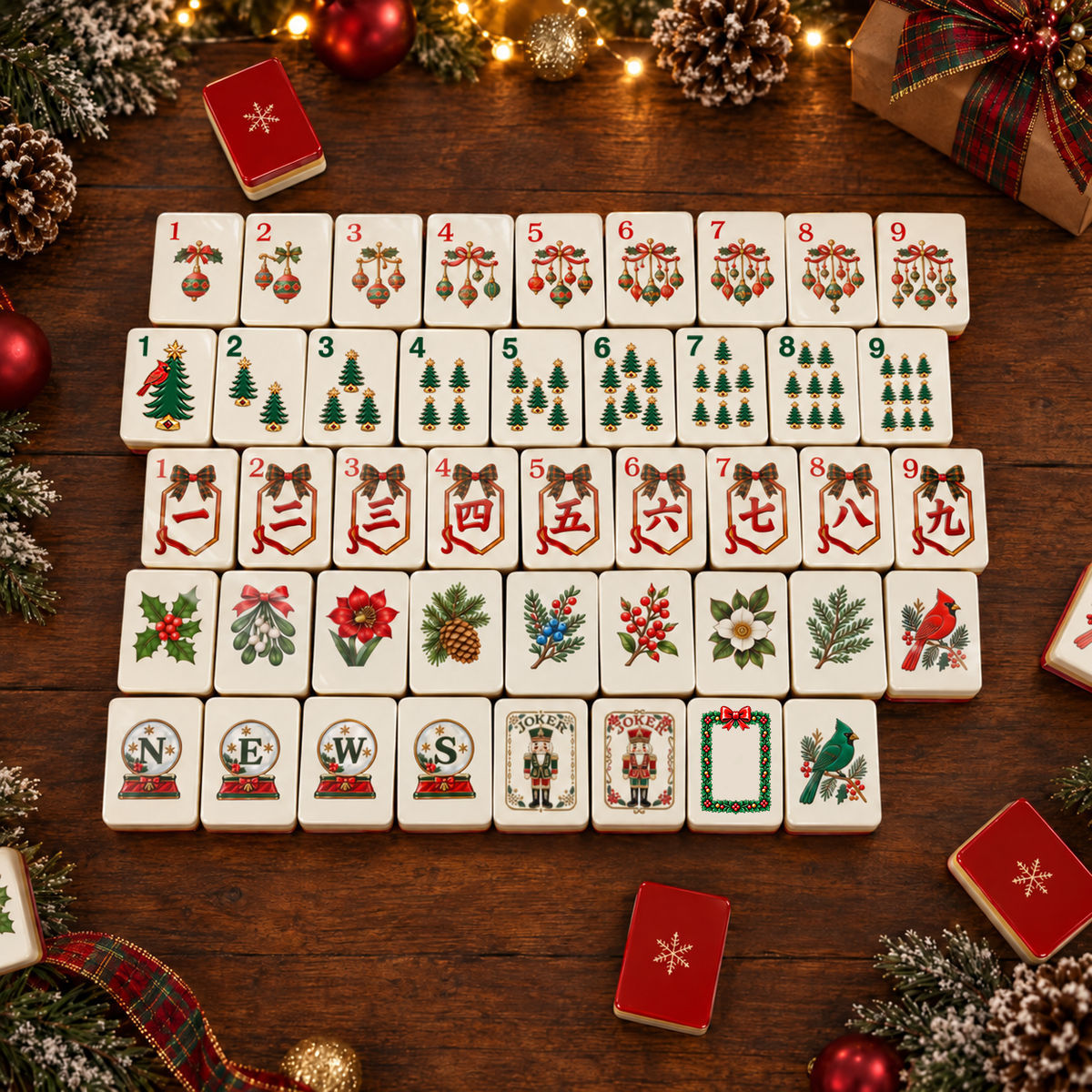
Tianjin mahjong tile sets originate from China's major industrial hub and reflect a particular aesthetic and tile thickness standard that differs from American tournament play. Tianjin sets typically feature bamboo-core or hardwood construction with hand-painted or screen-printed characters, and tiles run slightly thicker and heavier than American plastic sets used in the National Mah Jongg League. A full Tianjin set contains the same core components as other Chinese variants—suit tiles (Bamboo, Character, Dot), honors (winds and dragons), and flower/season tiles—but gameplay rules, hand patterns, and the Charleston differ significantly from American mahjong. If you're building a weekly game table that plays Chinese mahjong rather than American league rules, a Tianjin set works beautifully; if your group follows the annual NMJL card, you'll need an American-format set. Mahstead specializes in American mahjong, so for Tianjin-specific sets you'll want to research importers who stock that regional variant directly, though we carry best-selling mahjong sets designed for American play if you're open to that rule system. 🀄 Shop best-selling mahjong sets →
What is a Tianjin mahjong tile set, exactly?
A Tianjin set is a complete mahjong tile collection handcrafted or semi-industrially produced in or around Tianjin, China's coastal hub north of Beijing. These sets typically use bone or bamboo composite resin, lacquered wood, or solid plastic cores with thick tile faces, and are designed specifically for Chinese mahjong play rather than American tournament rules. The tile count, suit structure, and available hands differ from American mahjong. Tianjin sets are prized by players who study Chinese regional variants and value the weight and feel of traditional construction.

How does Tianjin play differ from American mahjong rules?
Chinese mahjong—including Tianjin variants—allows chows (sequences like 1-2-3 of the same suit), sequences of the same rank across suits, and different melding and scoring rules than American play. American mahjong, by contrast, uses only the current year's National Mah Jongg League card to determine valid hands; no chows or open sequences are permitted, and only identical pungs, kongs, and quints can be exposed. The Charleston tile-passing ritual exists in American but not Chinese play. If your weekly game follows league rules, you cannot play standard Tianjin hands; if you play Chinese mahjong, a Tianjin set's hand records and tile weights align better with traditional Chinese play. The two rule systems are incompatible—clarify which your table plays before purchasing.
What materials and weights should you expect?
Tianjin tile sets vary widely in construction. Premium sets use bone or bamboo veneer over hardwood cores, creating tiles that weigh 8–12 grams each and feel substantial in your hand. Mid-range sets use layered composite resin or lacquered plastic, weighing 5–8 grams per tile. Budget sets use molded plastic throughout, similar in weight to American acrylic tiles (3–6 grams). The thicker, heavier tiles of traditional Tianjin sets reduce clacking noise and suit deliberate, ceremonial play; lighter tiles shuffle faster for casual games. Examine product photos and weight specs before ordering; if you prefer speed and ease of shuffling, lighter tiles suit home games better. If you value traditional handling and reduced tile scatter, invest in thicker construction. Many players prefer the feel of engraved American mahjong sets with quality acrylic and pushable racks for comfort during long sessions.
🎁 See our most-loved mahjong sets & accessories →

Tianjin vs. other Chinese regional sets: a quick comparison
Aspect | Tianjin | Canton (Hong Kong) | Shanghai | American (NMJL) |
Primary material | Bone/bamboo composite or lacquered plastic | Resin or laminate over bone | Hardwood or bamboo veneer | Acrylic or bakelite |
Typical tile weight | 6–12 grams | 5–10 grams | 8–14 grams | 3–6 grams |
Hand format | Chinese (includes chows) | Chinese (includes chows) | Chinese (includes chows) | League card only (no chows) |
Tile count | 144 or 152 | 144 or 152 | 144 or 152 | 152 + 8 jokers |
Charleston present | No | No | No | Yes |
Best for | Chinese regional play, traditional feel | Fast casual play, Hong Kong rules | Premium ceremonial games | American tournament or league play |
Typical seller location | China importers | Online importers, specialty shops | High-end mahjong retailers | US-based specialists |
The key difference: Tianjin, Canton, and Shanghai sets all support Chinese hand rules; American sets enforce league card patterns only. Choose based on whether your group plays league rules or Chinese variants.
How to choose: Chinese mahjong variant vs. American league play
Before buying a Tianjin set, ask yourself: Does my table play the National Mah Jongg League card and follow American rules? If yes, a Tianjin set will sit unused because the hands don't match. If your group plays Chinese mahjong (any regional variant, including Tianjin rules), a Tianjin set is appropriate. Next, consider frequency and formality. Tianjin sets are often purchased by serious players who study multiple Chinese variants, travel internationally, or host ceremonial games; they're less common in casual home leagues. Finally, examine your storage and transport needs. Heavier Tianjin tiles require sturdier mahjong bags and cases to prevent damage during travel. If you play weekly at one table, weight matters less; if you carry your set between venues, lightweight acrylic is practical.
What to check before you buy a Tianjin mahjong set
Confirm rule system compatibility. Ask the seller or your group: "Do these tiles work with the tiles we're using now?" Tianjin tiles and American tiles should never be mixed.
Verify tile count. Standard Chinese mahjong uses 144 tiles; some sets include spares. Confirm the total and ensure nothing is chipped or cracked upon arrival.
Test weight and balance. Request photos showing tile thickness or weight specs. Heavier tiles (8+ grams) require stable mahjong racks with pushers designed for that load.
Check character legibility. If you're new to Chinese script, ensure numerals and suit marks are clear enough for your eyesight. Hand-painted tiles on premium sets may vary slightly; screen-printed tiles are more uniform.
Inspect seller reputation. Tianjin sets are often imported; verify return policy, shipping protection, and customer photos of received sets. Delays and tile damage are common with overseas shipment.
Consider mat compatibility. If you own a mahjong mat, confirm the tile size matches the mat's pocket grid—American tiles are slightly different proportions.
✨ Find your Mahstead set — free US shipping →
We play American mahjong weekly and stock best-selling mahjong sets built for league play, the Charleston, and NMJL hands. If you're curious about exploring Chinese variants—including Tianjin rules—we encourage you to research importers who specialize in that tradition. For American games, our acrylic sets and matching racks, mats, and cases keep your table organized, comfortable, and game-ready across seasons.

FAQ
Can I mix Tianjin tiles with American mahjong tiles?
No. Tianjin tiles follow Chinese hand rules and don't produce valid American league hands. Mixing tile sets creates chaos and invalid hands. Keep them separate and confirm your table's rule system before purchasing.
What's the typical lifespan of a Tianjin mahjong set?
Bone or bamboo composite sets last 10–20 years with careful use. Lacquered plastic sets last 5–10 years. American acrylic tiles often last 15+ years. Tile chipping or character wear are the main failures; proper storage in a case extends life significantly.
Are Tianjin sets more durable than American acrylic sets?
Heavier materials (bone, bamboo) resist accidental wear better, but they're more prone to cracking if dropped. Acrylic American tiles are more flexible and bounce better on mats. Durability depends on storage, handling, and material quality—not geography. Both can last decades if cared for.
Where should I buy a Tianjin mahjong set?
Look for Chinese mahjong importers online, specialty retailers in areas with large Chinese communities, or international online marketplaces. We recommend verifying seller reviews, checking return policies, and requesting photos of the actual set before payment. Domestic importers often ship faster than direct-from-China vendors.
If I learn American mahjong first, can I switch to Tianjin rules easily?
Yes, but they're distinct rule systems. American mahjong relies on the current year's card to define hands; Chinese mahjong (Tianjin or otherwise) allows sequences and uses regional scoring tables. Learning both is entirely possible—many serious players study multiple variants. Start with one, master it, then explore the other.


View More
View More
View More
