
Tianjin Mahjong for Beginners: Rules, Tiles & How to Start
Last updated: Nov 23, 2026
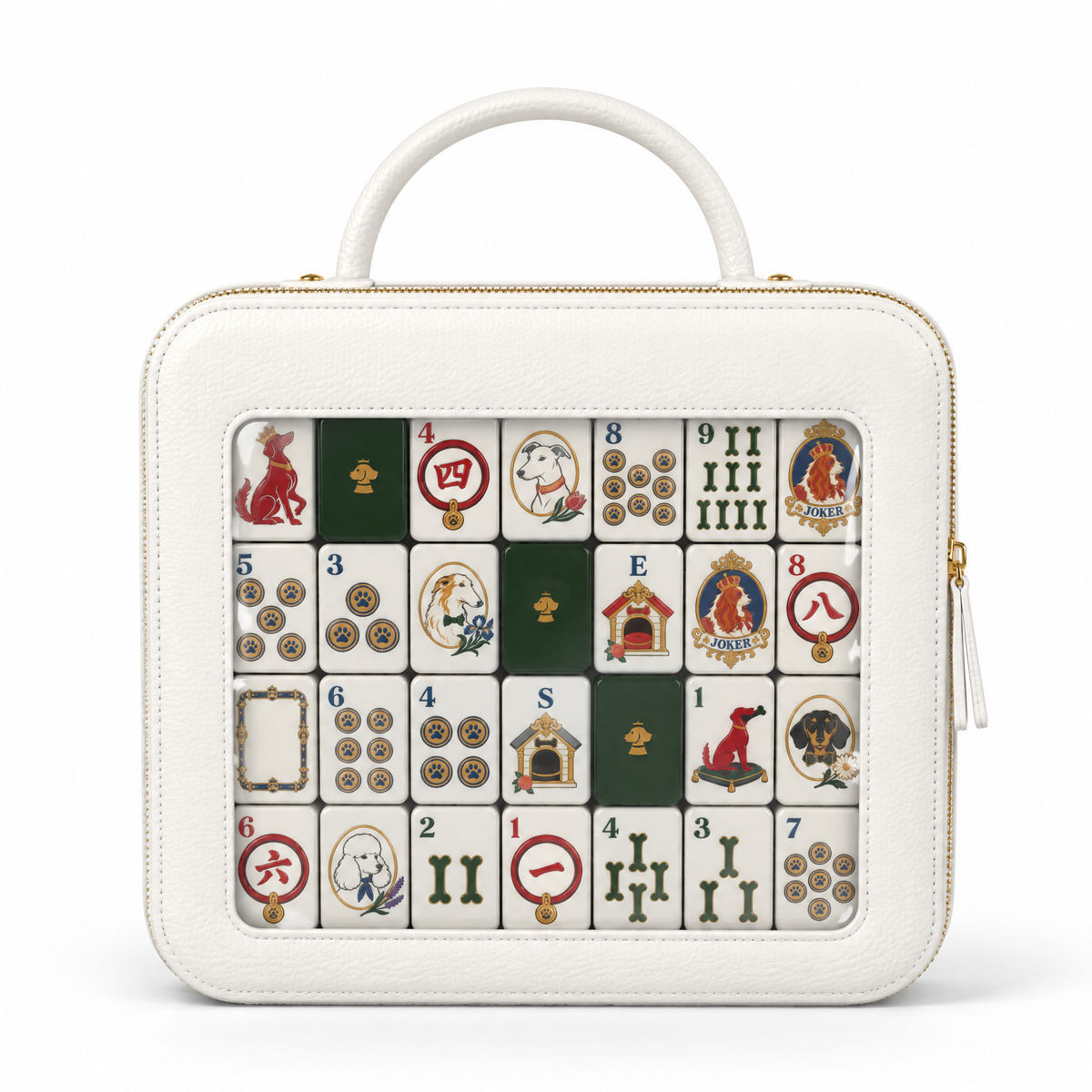
Tianjin mahjong uses 108 tiles divided into three numerical suits (Bams, Craks, Dots: 1–9, four copies each) plus 16 winds and 12 dragons. Players sit in a circle, draw from a wall, and build concealed melds (pungs, kongs, chows). Unlike American mahjong, Tianjin has no printed hand card, no jokers, and no pre-game tile pass (Charleston). A hand wins when all 14 tiles form four melds plus a pair; common patterns include All Pungs, Mixed Suits, or Terminal/Honor melds. The game moves faster—typically 15–30 minutes per hand. Tianjin scoring rewards specific combinations with bonuses (fan points); sets vary in tile material (bamboo, bone, plastic) but always play with exactly 108 tiles. Beginners should learn one variant before jumping between regions, as each has its own meld rules, scoring and calling protocols.
Tianjin mahjong is one of China's most popular regional variants, born in the port city and played in homes and parlors across northern China for decades. It shares the tile foundation with American mahjong but strips away the card, the jokers, and the formal passing ritual—leaving a leaner, more improvisational game. If you've played American mahjong, Tianjin will feel both familiar and foreign; if you're brand new to mahjong, Tianjin offers a gentler entry than memorizing the League card. We'll walk you through the tiles, the melds, the winning conditions, and the key differences so you can sit down at a Tianjin table and follow the action.
🀄 Shop best-selling mahjong sets →
What tiles do you use in Tianjin mahjong?
Tianjin mahjong uses 108 tiles—exactly three-quarters the size of an American set. The tiles break down into three numerical suits: 36 Bams (bamboo, 1–9, four of each), 36 Craks (characters, 1–9, four of each), and 36 Dots (circles, 1–9, four of each). Add 16 winds (four each: North, East, West, South) and 12 dragons (four each: Red, Green, White)—that's your full 108. No jokers, no blanks, no flower tiles; every tile has a partner somewhere in the set. Since there are no jokers to substitute, Tianjin melds must match exactly: a pung of 5 Dots means three identical 5 Dot tiles, nothing else.

How do players draw and pass tiles in Tianjin?
Unlike American mahjong, which opens with the Charleston—a formal three-pass exchange—Tianjin starts directly at the wall. One player (or dealer, chosen by dice or agreement) creates a wall of 108 tiles stacked in pairs, face-down, forming a long barrier around the table. Each of the four players draws 13 tiles in rotation from the wall (going around the table counterclockwise, typically East dealer drawing first). After all players hold 13, the dealer draws one more tile, creating the starting hand of 14 tiles. The player sitting to the dealer's left then discards one tile face-up into the center; play spirals clockwise from there. Unlike American play, no one holds back a pair to declare—you're always playing with live tiles, which creates urgency and forces quick decisions.
What counts as a winning hand in Tianjin mahjong?
A winning hand in Tianjin consists of 14 tiles arranged as four melds plus one pair. A meld can be a pung (three identical tiles: e.g., 3-3-3 Bams), a kong (four identical: 7-7-7-7 Dots), or a chow (three consecutive tiles in the same suit: 4-5-6 Craks—this is NOT allowed in American mahjong, so it's a major rules difference). The pair must be two identical tiles (not used in any meld). A common winning hand might look like: pung of 1 Bams + chow of 5-6-7 Dots + kong of East winds + pung of Red dragons + pair of 9 Craks. On your turn, if you draw a tile that completes a meld or wins your hand outright, you declare it immediately; if it doesn't help, you discard. Unlike American mahjong's fixed hand roster, Tianjin lets any valid 14-tile arrangement win, so hands can be more varied and creative.
How does scoring work in Tianjin mahjong?
Tianjin scoring assigns fan (or point multipliers) to specific hand patterns. The simplest win—no special pattern, just four melds and a pair—scores 1 fan; a hand wins and the other three players pay the winner. Bonuses apply for patterns like All Pungs (no chows), Mixed Terminals (tiles 1 and 9 with honors), or All Honors (only winds and dragons). A win drawn from the wall pays double. Scoring can scale: some groups use fixed payouts (e.g., 1 fan = 1 unit per player), while others multiply by the number of fans (a 3-fan hand pays 3× more). Beginners often play simplified Tianjin with flat payouts until they memorize the fan categories. The key difference from American mahjong: Tianjin rewards pattern recognition on the fly, not lookup of a pre-printed card, so the game rewards memory and pattern-spotting over reference work.
What are the main differences between Tianjin and American mahjong?
Feature | Tianjin | American |
Tile count | 108 (no jokers) | 152 + 8 jokers |
Winning hand source | Any valid 14-tile combo | Current-year League card only |
Chows (sequences) | Allowed, called/exposed | Not allowed, ever |
Pre-game ritual | None; draw straight from wall | Charleston (three-pass exchange) |
Jokers | Zero | Eight per game |
Melds | Pung, kong, chow (concealed or exposed) | Pung, kong, quint, sextet (exposed; joker substitutes allowed) |
Scoring system | Fan-based (patterns + multipliers) | Points by hand pattern (card-based lookup) |
Hand speed | Typically 15–30 min per round | Typically 20–45 min per round |
Concealment | Melds stay hidden until winning draw | Mixed (some exposed early, some hidden) |
Tianjin emphasizes rapid play and mental agility; you can't look up a hand on a card, so you must internalize patterns and react quickly. American mahjong rewards patience, planning, and card literacy. Both are beginner-friendly, but they demand different skills.
🎁 See our most-loved mahjong sets & accessories →

How do you call melds in Tianjin—and when?
In Tianjin, when another player discards a tile that completes one of your melds (a pung, kong, or chow), you can call it—claim it for your exposed meld—or let it pass. If you call, you lay the meld face-up on your rack. A key rule: if you call a discard, you must discard immediately after (you don't draw from the wall on that turn). If no one calls a discard, it stays on the table as a "dead" tile and play moves to the next player, who draws from the wall and discards. If you win on your called meld (completing your hand with the called tile), you declare mahjong immediately—the hand ends and scores. Unlike American mahjong, where exposed melds are declared before play, Tianjin keeps melds secret until you call or win, so opponents have less information about your strategy.
What mistakes do beginners make at a Tianjin table?
Holding too long for one pattern. Tianjin rewards flexibility; if you chase a single dream hand (e.g., All Pungs), you risk discarding a dangerous tile that helps opponents. Beginners often hold onto low Dots or 1 Bams too long, hoping to build a terminal hand, only to watch an opponent win on a simple pung.
Forgetting which tiles have been discarded. Since melds stay concealed, you must track what's been thrown. If three 5 Craks are already gone, chasing a chow of 4-5-6 Craks is futile. Keep mental or written notes; experienced players do both.
Calling too eagerly. A called meld exposes your direction of play. Call only if the meld significantly improves your hand or if you're close to winning. Beginners call piecemeal and telegraph their strategy.
Playing too fast. Tianjin moves quickly, but rushing leads to discards you regret. Pause to count which tiles you've seen and which suit you're building.
Ignoring the dealer's draw. The dealer draws 14 tiles, not 13. If you're dealer and forget this, the game starts wrong. Always confirm before drawing.
What you'll need to learn Tianjin
To start playing Tianjin, you need a full 108-tile set (no jokers or blanks). Most traditional Tianjin sets use bone and bamboo or plastic tiles, all marked in standard Chinese numeral or dot format—the same marking system as American mahjong sets. If you already own an American mahjong set with 152 tiles, you can play Tianjin with it, but remove the jokers and flowers, leaving only the 108 core tiles. A cloth mat helps protect your tiles and keeps the wall tidy. A rack with pushers is optional but speeds up sorting and prevents tile damage.
✨ Find your Mahstead set — free US shipping →
Before you buy a Tianjin set: what to check
Tile material. Bone and bamboo sets are durable and traditional but pricey; plastic sets are affordable and durable enough for weekly play. Check that tiles feel sturdy and tiles don't chip easily when stacked.
Tile markings. Ensure numerals or dots are clearly printed and don't fade with use. Test a few tiles under light.
Set completeness. Confirm you're receiving exactly 108 tiles—no jokers, no blanks. Count before you play.
Storage. A padded bag or case protects tiles during transport and storage. If you host weekly games, a sturdy case is worth the investment.
Compatibility. If you plan to play both Tianjin and American mahjong, a flexible solution is to own two sets—one dedicated 108-tile Tianjin set and one 152-tile American set.

FAQ
Can I use an American mahjong set to play Tianjin?
Yes. Remove the eight jokers and eight flower tiles from your 152-tile American set, leaving 108 tiles. The numerals, winds, and dragons are identical; markings are the same. You lose nothing by doing this, and you can swap back for American play.
Do I need to memorize all the fan patterns before I start playing Tianjin?
No. Learn the basic fan types (All Pungs, Mixed Terminals, All Honors, Simple Hands) first. Experienced players will remind you of bonuses during scoring. Play several hands, and patterns stick quickly.
What's the best starting hand to aim for in Tianjin if I'm brand new?
Simple hands—four pungs and a pair. They're easier to spot and less risky than chow-heavy hands. Once you see them win a few times, you'll build confidence to chase larger fan bonuses.
How long does a Tianjin game session typically last?
A single hand averages 15–30 minutes; a session (8–16 hands) usually takes 2–4 hours. American mahjong sessions are often longer because the card lookup adds time.
Is Tianjin mahjong popular outside China?
Yes, especially in diaspora communities (North America, Europe, Australia). It's played in casual homes, community centers, and online. It's less formalized than American mahjong, so rules can vary slightly by region or table—always clarify before sitting down.
How steep is the learning curve compared to American mahjong?
Tianjin is arguably steeper at first (no card to reference), but it flattens faster (patterns repeat, no special symbols to decode). American mahjong is gentler at the start (card is a crutch) but requires more memorization overall. Most players master Tianjin basics in 5–10 hands.


View More
View More
View More
