
Taiwanese Mahjong Etiquette: Rules, Respect & Table Play
Last updated: Nov 23, 2026
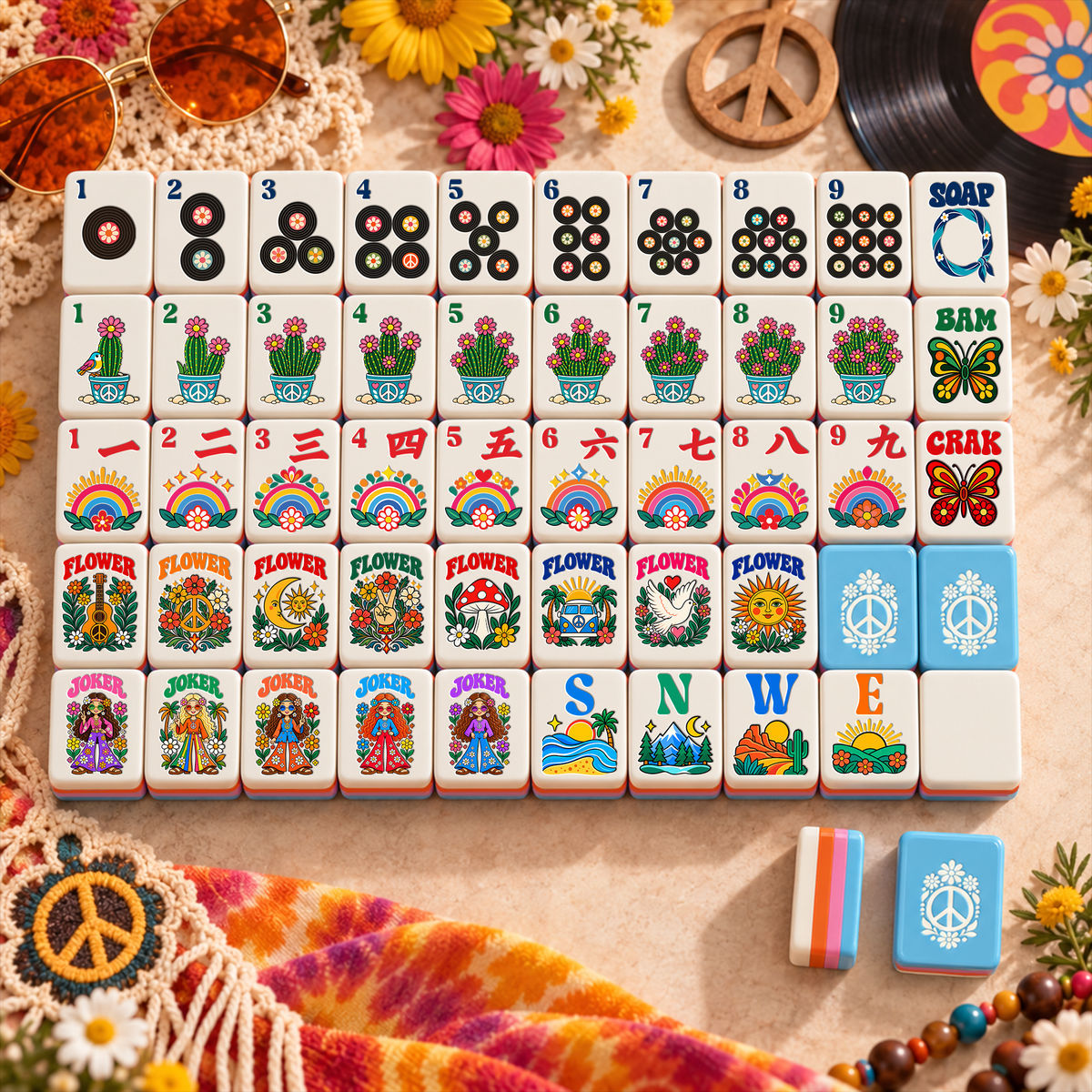
Taiwanese mahjong etiquette centers on four pillars: hand signals (no audible calls), player ranking by wind position, rigid turn-taking discipline, and tile reverence. Winds rotate clockwise; East is the dominant seat and typically the most experienced player. Players signal discards, melds, and scoring only through hand gestures—no talking during active play. Kong calls and win declarations must follow precise sequences. Respect for the tiles is physical: never slam them, never point, never handle another player's rack. Money, when played for, settles immediately and clearly. The game moves faster than American mahjong—no Charleston, no tiles pass hands—and errors compound quickly, so table protocol prevents confusion and disputes before they start. Most Taiwanese games use 16 tiles per player with two passes of shuffled tiles; some regions vary. Mahstead players hosting Taiwanese nights appreciate the discipline these customs bring to the table.
Why doesn't anyone talk during Taiwanese mahjong play?
Silent play prevents collusion, distraction, and disputes. Hand signals alone communicate everything: discard intent (holding tile at chest height), melds (pushing rack forward), concealment (keeping tiles close), and scoring claims. The rule exists because speed and information-hiding are central to Taiwanese mahjong strategy—unlike American play's open Charleston and declared hands. Once a tile is discarded, no retraction is permitted; speech would invite excuses or negotiation. The silence also reflects respect: Taiwanese culture values composure at the table. New players often struggle to read the room; watch a full round without playing to absorb the rhythm.

How does player ranking affect seat and turn order?
East (dealer) holds the most authority and plays first each round; winds rotate clockwise after settlement. Seating reflects skill level in serious games—strongest players often claim East and South seats. When you sit, accept the wind assigned and its order without complaint. Skipping turns or playing out of sequence is a grave breach. If you must leave mid-game, announce it before the start of a hand, never mid-play. The hierarchy is not cruelty; it's structure. Beginners sit North or West. Over time, consistent play and respect earn you a better seat.
What hand gestures and signals replace voice calls?
Signal | Meaning | How It Works |
Tile held at chest, arm extended | Discard intent | Hesitation before release; opponents read your play |
Rack pushed forward 2 inches | Pung/Kong claim | Exact and visible; must happen before next discard |
Tap tile once on rack | Pass (no claim) | Clear and unmistakable |
Hand raised, palm flat | Win claim | Made only after your final discard completes hand |
Finger point to opponent's rack | Query (rare) | Used only for rule clarification, never commentary |
Signals must be sharp and decisive. Ambiguous gestures—hesitating, half-raising a hand—invite dispute. A slow discard signals weakness and opens the tile to challenge. Speed and clarity are respect.
What are the consequences of breaking tile-handling etiquette?
Dropping, slamming, or pointing at tiles is read as disrespect—and damages tiles. Never touch another player's concealed tiles or rack. If you need to verify a discard pile, ask the person managing it; they will show you. Rough handling marks acrylic tiles and shortens their life. Many serious players bring sets in protective travel bags specifically to guard against wear between games. If you're hosting regular Taiwanese nights, invest in quality tiles and teach guests early: tiles are tools, not toys. Replacing a damaged set mid-game halts play and embarrasses the host.

How does settlement and payment work if money is involved?
Money changes hands only after the hand settles. The winner declares the score (often in points, which are converted to currency beforehand). Losers pay the winner directly—not a pot. No IOUs; no delays. If playing with stakes, agree on the per-point value before the first hand and confirm aloud. Record scores on paper if stakes are high. Disputes over scoring are rare if the NMJL card or regional ruleset is consulted immediately after the win. If you're unsure of the regional rules in your game, ask before sitting—not after you've lost. Mahstead hosts often write house rules on a card and place it at the center of a mahjong mat so everyone can reference it without debate.
🀄 Shop best-selling mahjong sets →
What should you check before hosting a Taiwanese mahjong night?
Tile quality: Acrylic tiles resist wear and moisture. Our best-selling sets ship as 160-tile packs (152 playing tiles plus spares) and include all suits, winds, dragons, flowers, and jokers you need.
Mat and racks: A mahjong mat defines the play space and prevents tiles from sliding. Racks with pushers keep your tiles organized and your hand hidden—essential for signal-only play.
House rules document: Write down your variant's rules (how many tiles dealt, kong behavior, payment, scoring) and post it visibly.
Timer (optional): Some serious games use a phone timer to set turn length—typically 30 seconds per turn. Not required by etiquette but speeds up play and prevents analysis paralysis.
Scoreboard or paper: Keep a visible tally if money is involved or if you're tracking skill over months.
✨ Find your Mahstead set — free US shipping →
Common mistakes Taiwanese mahjong newcomers make
Talking during play
Assume silence is law. If you must clarify a rule, ask before the hand starts or after it settles.
Slow discard decisions
New players hesitate; this signals uncertainty and invites opportunism. Know your discards before your turn arrives.
Handling tiles carelessly
Acrylic tiles are durable but deserve respect. Never stack, squeeze, or drop them.
Claiming out of turn
If you want a discard, signal immediately or lose it. The next player's turn takes priority.
Asking about scoring mid-hand
Learn the scoring rules before you sit. Interruptions break the table's rhythm and mark you as unprepared.
Ignoring the East player
Defer to the dealer's lead on table rules and tone. They set the pace.
🎁 See our most-loved mahjong sets & accessories →
Why Taiwanese mahjong feels so different from American play
American mahjong uses a printed card to validate hands; play is slower, social, and loud. The Charleston passes tiles before play even starts. Taiwanese mahjong has no pre-game shuffle—you deal straight from the wall. Hands are closed (hidden until win) and there is no card. Scoring is fast, decisive, and spoken aloud only after settlement. The pace is nearly double American speed. Silence is not antisocial; it is the foundation of fair play. Most American players need 3–4 sessions to adapt. The discipline pays off: once you embrace the silence, you think more clearly and spot opponents' strategies faster. Hosting both variants on different nights is common in multicultural cities; many of us do it weekly. Set etiquette clearly before you mix the two—they are separate languages at the table.

FAQ
Can I ask another player a question about rules during a Taiwanese mahjong hand?
No. Ask before the hand or after settlement. Mid-play questions break the silence rule and disrupt strategy. Refer to a written ruleset or the dealer's judgment only if a dispute arises after the hand concludes.
What if I accidentally discard the wrong tile?
You cannot take it back. The tile stands as your discard. This is why fast decision-making is valued: you must commit before your hand leaves the rack. This rule enforces discipline.
Do Taiwanese mahjong players ever use jokers?
Regional variants differ. Most traditional Taiwanese games use only the 34 base tiles (Bams, Craks, Dots, winds, dragons, flowers) with no jokers. Some modern variants add them. Confirm with your group before you sit.
How long does a typical Taiwanese mahjong hand take?
10–15 minutes on average, depending on player skill. American mahjong hands typically take 20–30 minutes. The silence and faster draws speed up Taiwanese play significantly.
Is it disrespectful to ask about the money amount before I sit down?
No—it is essential. Always confirm stakes and per-point value aloud with all players before the first hand. Doing so avoids misunderstanding and shows you take the game seriously.
What should I do if the tiles get shuffled in the wrong order?
Stop play immediately and re-shuffle with the dealer. Call it clearly so all four players witness it. Silence does not mean you tolerate errors; it means you handle them quietly and decisively.


View More
View More
View More
