
Summer Mahjong Party Ideas for Outdoor Game Nights
Last updated: Nov 23, 2026
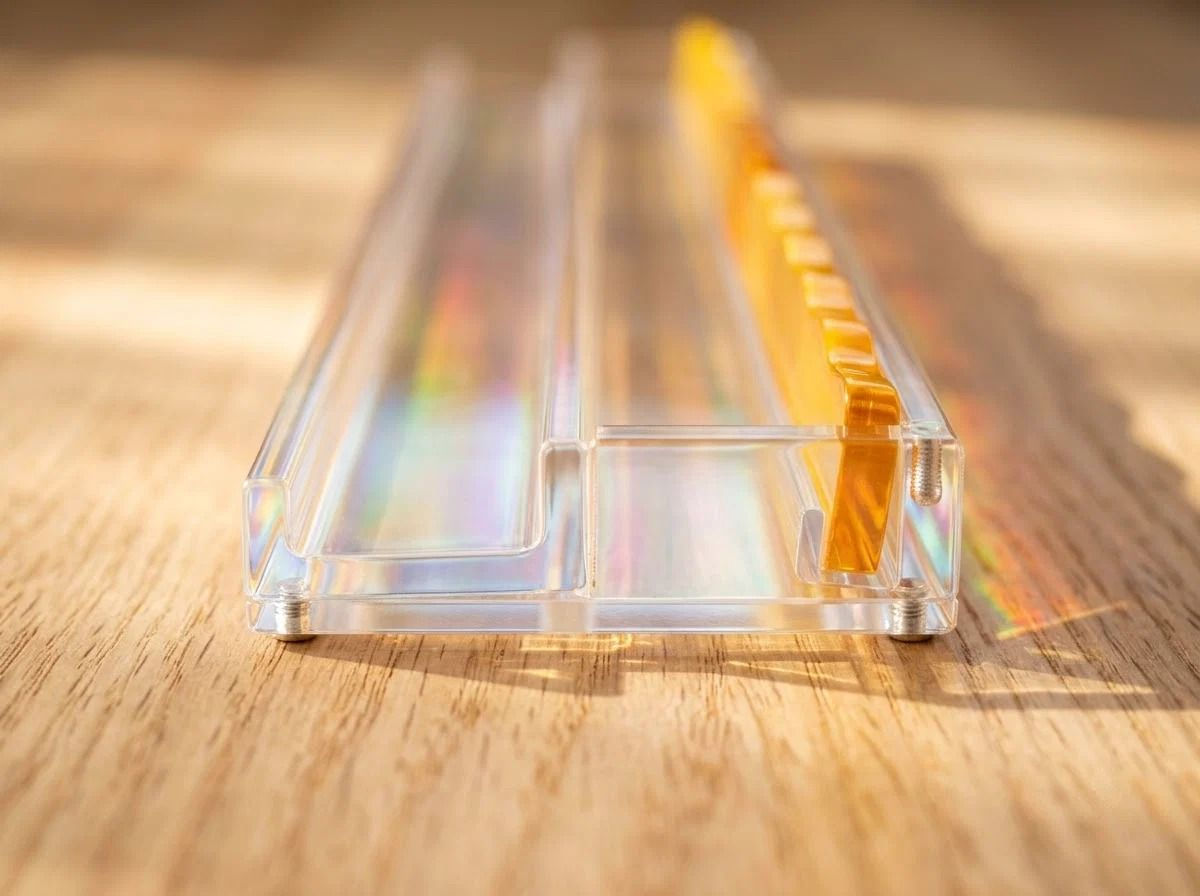
A summer mahjong party needs four players, one 160-tile American set (152 playing tiles plus spares), a mat to protect tiles from sun and moisture, stable seating, good lighting for evening play, and the current year's National Mah Jongg League card. Invite skilled players or teach newcomers with a simplified practice hand first; allow 20–30 minutes per round and 2–3 hours total per session. Protect tiles from dirt and sun damage by storing them in a case between rounds; bring bug spray and sunscreen for guests, and set a relaxed pace—outdoor play is slower than indoor. Our best-selling mahjong sets include durable acrylic tiles and a carrying pouch designed for frequent travel and outdoor conditions. 🀄 Shop best-selling mahjong sets →
What makes a mahjong patio game different from indoors?
Outdoor play moves slower because of glare, wind, temperature changes, and distractions—plan for 10–15 minutes per hand instead of 5–7. Humidity and dust risk tile damage, so use a protective mat and keep your set in a case between rounds. Evening games need overhead string lights or a battery lantern above the table so players read tiles clearly without eyestrain. Wind can scatter tiles, so choose a sheltered corner; never play directly under an umbrella or covering that blocks all light and creates harsh shadows. The relaxed outdoor pace is actually ideal for teaching beginners—they absorb rules without rush.

Should you pick a themed set, or does it matter?
It doesn't affect play—all American mahjong sets use identical tile counts and rules—but a themed or personalized set makes the party memorable and gifts retain value. Our engraved American mahjong sets let you add a phrase like "Summers at the Lake" or a family name; themed acrylic designs in summer colors (pastels, tropical prints, metallic finishes) feel festive without costing extra. Choose a set that survives outdoor conditions: acrylic is weather-resistant and won't warp or fade like painted bamboo. If you're hosting repeatedly, invest in one set you'll use for years; casual summer host? A best-selling set in a standard design stores easily and plays identically to a premium variant.
What equipment prevents tiles from getting lost or damaged?
Use a quality mahjong mat designed for outdoor play—the walls and dividers keep tiles corralled, and a mat's non-slip underside grips a patio table even if the surface is uneven. Bring racks with pushers so each player holds tiles upright without dropping them; outdoor seating is less stable than a dining table, and racks eliminate fumbles. Store your set in a travel bag or case between rounds and overnight; acrylic tiles resist damage, but protecting them from dirt and UV extends their life. Keep the spare tiles (jokers and blanks included in a 160-tile set) in the case—never use them during play, but they replace any worn or lost tile mid-party. Pack a small pouch for the card, score sheets, and a pen; laminate a copy of the current year's National Mah Jongg League card or bring a waterproof phone copy in case of spills.
🎁 See our most-loved mahjong sets & accessories →

How do you host a beginner-friendly outdoor game?
Start with a single simplified practice hand so newcomers grasp tile mechanics, the Charleston, and the card layout without scoring pressure. Pair each beginner with an experienced player for the first two rounds. Play 2–3 hands in the first session—quality over quantity keeps energy high and prevents frustration. Use a printed or laminated card large enough to read from across the table; many beginners struggle to correlate small tiles to card patterns, so slowing down and pointing out matches builds confidence. Explain that outdoor play is naturally more forgiving—dropped tiles, slow pace, and social chat are all expected. Consider a theme like "Beginners' Night" so returning players know to temper competitiveness and share strategy tips. For resources, our mahjong for beginners guide covers foundational rules and common errors.
What's the ideal timing, lighting, and refreshment setup?
Evening games (6–8 p.m. in summer) avoid midday heat but require overhead lighting—string lights, LED lanterns, or a battery-powered work light positioned above the table eliminate shadows and glare. Test lighting the day before; tiles must cast no shadow and sit at least 18 inches from the light source to avoid eye strain. Plan 2–3 hours for four players (allows breaks, chat, and 4–5 hands). Offer water, ice, and light snacks (nuts, fruit, cheese) that don't stain tiles; no sugary drinks near the table. Sunscreen and bug spray nearby show you care about guest comfort and keep scratching and fidgeting to a minimum. A cooler stocked beside the table prevents players from leaving mid-round. If your party stretches to dusk, have a backup indoor option in case mosquitoes spike or temperature drops sharply—flexibility keeps people engaged and returning.
Party Host Setup Comparison
Element | Beginner-Friendly Outdoor | Experienced Players' Night | Multi-Table Tournament |
Player count | 4 (one table) | 4–8 (one or two tables) | 8–16 (two–four tables, rotations) |
Set requirement | One 160-tile set, mats | Two sets, two mats, racks | Three–four sets, mats, racks, scoreboard |
Lighting needed | Strong overhead + 2-hour window | Overhead string lights + dimmer | Multiple overhead + spotting for scores |
Hand per round | 15–20 minutes | 8–12 minutes | 10 minutes (timed) |
Card visibility | Large printed, laminated | Pocket-sized card per player | Scoreboard + cards at each table |
Prep time | 30 minutes | 45 minutes | 2 hours setup + refreshment |
Break frequency | Every 2 hands | Every 3–4 hands | Every two rounds; snack service |
Best for | Teaching, casual weeknight | Regulars seeking consistent challenge | Milestone event, fundraiser |
What to check before you buy or host
Tile durability: Acrylic sets withstand outdoor temperature swings and UV better than painted bamboo or plastic. Verify your set comes with a protective case for storage.
Mat surface: Choose a mat with a felt or cloth top (not plastic) so tiles don't slide during play; ensure the mat's non-slip underside grips your patio table type.
Racks and pushers: Test that racks fit the tile size in your set; wooden racks absorb moisture, so acrylic or laminated wood holds up better outdoors.
Current-year card: The National Mah Jongg League card changes annually (spring issue); confirm you have the correct 2026 card before inviting players—hands from prior years won't play.
Lighting trial: Set up your lighting 30 minutes before dusk to confirm players can read tiles without eyestrain or shadows.
Guest communication: Tell players the date, start time, duration, and that they should bring sunscreen and comfortable seating. Mention whether you're teaching or playing competitively.
Backup plan: Have an indoor space available in case weather turns or mosquitoes spike; summer storms and sudden temperature drops are common risks in many regions.
✨ Find your Mahstead set — free US shipping →
FAQ
Can I play mahjong outdoors in direct sunlight?
Not ideally. Glare makes tiles hard to read, UV damages acrylic over time, and heat can warp tile cases. Play in shade or wait for late afternoon/evening when the sun is lower and you can use overhead lighting to control visibility.
How many sets do I need for a summer party?
One 160-tile set supports one table of four players. If you have 8–12 guests, host games in rotation (two tables, two sets) or run 2–3 separate sessions over the evening. Two sets with two mats let you run continuous play without waiting.
What if I forget the Charleston or someone drops tiles mid-round?
The Charleston (tile-passing ritual before each hand) is optional but traditional—if a guest is new, you can skip it once to save time. If tiles fall, pause, collect them into a neutral pile, re-deal missing tiles from the wall, and note which tiles were lost in the score. Never guess; use spare tiles from your case or restart the hand.
Should I buy specialized summer-themed tiles?
No—all American sets play identically regardless of color or pattern. Themed designs are fun and memorable but cost the same as standard acrylic sets. Choose based on aesthetic preference and durability (acrylic always holds up best outdoors), not performance.
How do I teach mahjong to someone who's never played before an outdoor party?
Invite them 15 minutes early, teach the tile count, the hand-structure concept using one simple card hand, and run one practice round at no score. Pair them with an experienced player for the first 2–3 real hands. This prevents frustration and lets them enjoy the social aspect while learning. Outdoor settings are naturally slower, so beginners feel less rushed.
What's the best way to store a mahjong set between summer parties?
Keep tiles in the protective case, in a cool dry place (not a hot garage or damp basement). Store the case indoors year-round—UV and humidity degrade acrylic. Check tiles every few months for cracks or discoloration; use spares from your set to replace any damaged tiles before the next party.


View More
View More
View More
