
Singapore vs. Wright-Patterson Mahjong: Key Differences Explained
Last updated: Nov 23, 2026
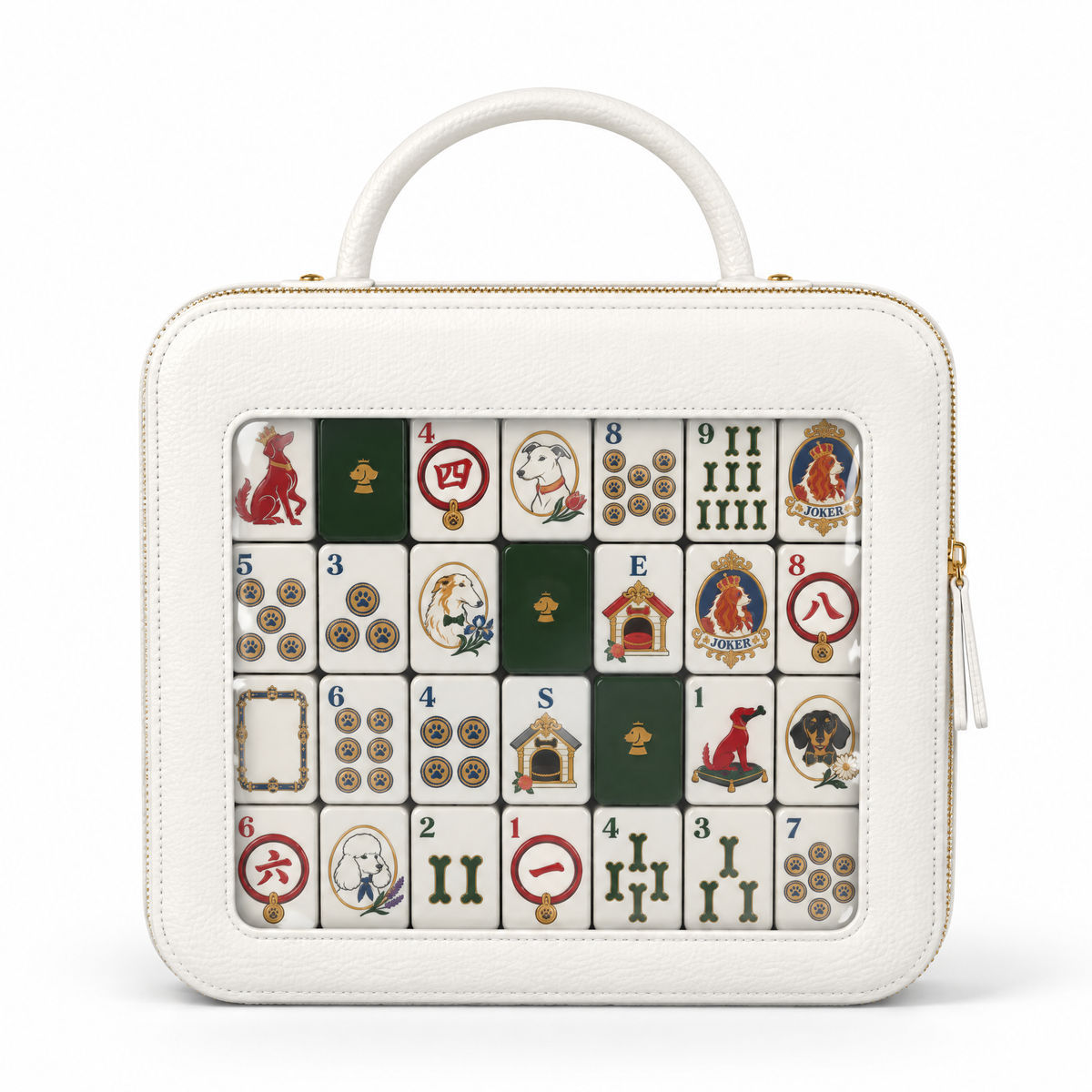
Singapore mahjong uses 144 tiles (one suit of Bamboo/Bam removed entirely), plays with simpler hand patterns closer to Hong Kong rules, and emphasizes melds over concealed combinations. Wright-Patterson mahjong, played primarily in Ohio and surrounding regions, uses the full 152-tile American set but follows a unique local scoring system and hand registry that differs from the National Mah Jongg League card. Neither is "standard" American mahjong (which uses 152 tiles and the current-year NMJL hand card). Singapore play is more common in Southeast Asian communities; Wright-Patterson exists as a tight regional tradition. If your group plays American mahjong with the NMJL card, you're neither—and learning either variant means adopting new tile counts, hand books, and scoring entirely. Mahstead's best-selling mahjong sets are built for American mahjong, so clarify your game first. 🀄 Shop best-selling mahjong sets →
What exactly is Singapore mahjong?
Singapore mahjong removes the Bamboo suit entirely, leaving 108 tiles (three remaining suits × nine ranks × four copies each), plus winds, dragons, and flowers—totaling roughly 136 tiles in play. Hands follow patterns similar to Hong Kong mahjong: sequences (chows), pungs (trips), and kongs (quads) are all callable and exposable during play. There are no jokers in the traditional sense, and the game emphasizes tile stealing and discards over the American draw-and-wait system. Scoring is simpler, tied to melds rather than complex hand combinations. If your group plays in Singapore, Malaysia, or among diaspora communities following those rules, you need a 144-tile set—not the 152-tile American standard.

How does Wright-Patterson mahjong differ from American mahjong?
Wright-Patterson mahjong uses the full 152-tile American set (Bams, Craks, Dots, winds, dragons, flowers, jokers), but follows a regional hand registry created decades ago by players in the Wright-Patterson Air Force Base area near Dayton, Ohio. The key difference: hands are coded in a local manual, not the National Mah Jongg League card. Scoring weights differ significantly. For example, certain pung/kong combinations score higher or lower than on the NMJL card; exposure rules may vary slightly. Players who've learned American mahjong nationwide and move to or visit the Wright-Patterson community find they must memorize a separate hand book—essentially a different game played with the same tiles. If you travel into or host Wright-Patterson players, you'll need their hand manual and familiarity with their scoring table, not just a standard American set.
Tile count: Why Singapore uses 144 and American uses 152
Singapore mahjong eliminates Bamboo (9 ranks × 4 copies = 36 tiles), reducing the three-suit count from 108 tiles to 72. Adding winds (16 tiles), dragons (12), and flowers (8) yields 108 tiles total. Sets sold as "Singapore 144" include spare tiles or duplicates to reach that number. American mahjong keeps all three suits (108 tiles) plus the full complement of winds, dragons, and flowers, reaching 152 tiles in play. Wright-Patterson also uses 152 tiles—it's the hand card and scoring that differ, not the tile composition. This matters practically: a Singapore player cannot simply "skip the Bamboos" when using an American set; they'd need to physically remove one-third of their tiles before every game. Ordering the wrong tile count wastes money and creates confusion at the table.
Hand patterns and melds: Callable sequences change everything
In American mahjong, you cannot call or expose sequences (chows)—only identical-tile groups: pungs (three), kongs (four), quints (five), and sextets (six). Every hand on the NMJL card is built from exposed sets plus a concealed pair. Singapore mahjong, like Hong Kong and traditional Chinese play, permits callable chows (1-2-3, 2-3-4, etc. in any suit). This transforms strategy: tile flow is constant; players steal discards mid-turn; hands are declared faster. Wright-Patterson uses American rules—no exposed sequences—but the specific hand combinations approved vary from the NMJL card, so a winning hand in Dallas may not win in Dayton. If you're learning Singapore, expect a completely different play rhythm and tile selection process; if you're used to American and visit Wright-Patterson, expect familiar exposure rules but a foreign hand book.

Scoring systems and how they reward play differently
American mahjong (NMJL) ties points to hand complexity: a hand drawn concealed (no exposed melds) scores more than one with exposed sets; certain tile combinations (dragons, winds, flowers) carry bonus values; quints and sextets boost points. Singapore uses a simpler system: base points per meld type, multipliers for concealment, bonuses for special combinations like "all pung" or "one suit only." Wright-Patterson scoring, documented in their local manual, may weight certain melds (e.g., dragon pungs) differently than the NMJL card. For example, an American hand worth 1,000 points might score 2,400 in Singapore using different multipliers. This means a player's strategy shifts: in Singapore, exposing melds early can still yield high scores; in American, concealment is prized. Know which game you're playing before calculating winnings.
Where each variant is played and who plays it
American mahjong (NMJL-based) dominates nationwide, especially among clubs in California, Texas, New York, and Florida, and in Jewish community centers and country clubs. Singapore mahjong thrives in Singapore, Malaysia, Brunei, and in diaspora communities in Australia, Canada, and the UK; in the US, pockets exist in larger Asian cultural organizations. Wright-Patterson remains hyperlocal—primarily Dayton, Ohio, and surrounding military and civilian networks; it has not spread significantly beyond that region, so most American players have never encountered it. If you're starting a game group, American mahjong is easiest to find resources for (hand cards, tutorials, organized clubs). If your group includes Singapore-based expats or long-term residents, learning Singapore rules is valuable. Wright-Patterson is a niche pursuit unless you have direct ties to Ohio. Our blog on mahjong variants covers the broader family of games.
Variant | Tile Count | Sequences Callable? | Jokers Used? | Scoring Basis | Best For |
Singapore | 144 | Yes | No | Melds + multipliers | SE Asia communities |
Wright-Patterson | 152 | No | Yes | Local hand manual | Ohio region (rare) |
American (NMJL) | 152 | No | Yes | Hand card complexity | Nationwide clubs |
How to choose which game your group should play
Ask three questions: (1) Does anyone in your group have a tie to Singapore, Malaysia, or Hong Kong? If yes and they want home-game familiarity, learning Singapore is practical and rewarding. (2) Is anyone from or moving to Dayton, Ohio? If yes, Wright-Patterson is locally traditional but requires their hand manual. (3) Are you starting fresh with no regional ties? American mahjong (NMJL) is the clearest path: it has the most clubs, the most online tutorials, annual hand cards, and organized scoring standards. Most new groups choose American because resources and players are abundant. If you do choose American, a best-selling set from Mahstead comes with 152 tiles and clear instructions to get started. All three games are legitimate; the wrong choice is starting without clarifying which one your group wants to play, then discovering halfway through that your hand book or tile count doesn't match.
🎁 See our most-loved mahjong sets & accessories →
What to check before you buy
— Confirm your group's game. Call your local club, synagogue, or community center and ask which variant they play and which hand book they use. Do not assume. — Verify tile count needed. Singapore = 144; American/Wright-Patterson = 152. Buying the wrong count wastes money. — Request or download the hand manual. For American, get the current-year NMJL card; for Wright-Patterson, ask your local club; for Singapore, buy a Singapore mahjong hand book (not widely available in the US). — Test-play before gifting. If buying a set for someone, ask what game they play. Gifting an American set to a Singapore player creates confusion. — Check for jokers and flowers. American and Wright-Patterson sets include jokers and flowers; Singapore typically does not. Confirm your set includes or excludes them correctly.
✨ Find your Mahstead set — free US shipping →

FAQ
Can I use an American mahjong set to play Singapore mahjong?
Not easily. You'd need to physically remove all Bamboo tiles (36) before every game, leaving 116 tiles instead of 144. It's simpler to buy a dedicated Singapore set to avoid errors and table delays. For American play, keep your full 152-tile set intact.
Is Wright-Patterson mahjong still played widely?
No. It remains a tight regional tradition in Dayton, Ohio, and nearby areas; it has not expanded nationally. If you're not connected to that community, you'll never encounter it. American (NMJL) is the standard variant nationwide.
How do I know which hand card my group uses?
Ask directly. American players use the current-year National Mah Jongg League card (issued every spring). Singapore players use a Singapore mahjong hand book. Wright-Patterson players use their local manual. Do not assume; ask your host or club secretary before your first game.
Why does Singapore mahjong remove Bamboo?
Historical preference. Bamboo is associated with bamboo sticks and money in some Asian numerologies; removing it simplified early Singapore house rules generations ago. The tradition persisted. It has no mechanical advantage over keeping all three suits.
Can I learn both American and Singapore mahjong at the same time?
It's possible but confusing for beginners. The exposure rules, callable melds, and scoring are too different; learning one first, then the other, is clearer. Experienced players sometimes play both, but each requires its own hand book, tile set, and mental framework.
What size set should I buy for regular home games?
A standard 160-tile set (152 playing tiles plus spares) works for four-player American or Wright-Patterson mahjong. Pair it with a mat and rack set to organize your table and keep play smooth. For travel or smaller spaces, a portable bag is useful.


View More
View More
View More
