
Sichuan Mahjong Flower Strategy: Picking Pairs Wisely
Last updated: Nov 23, 2026
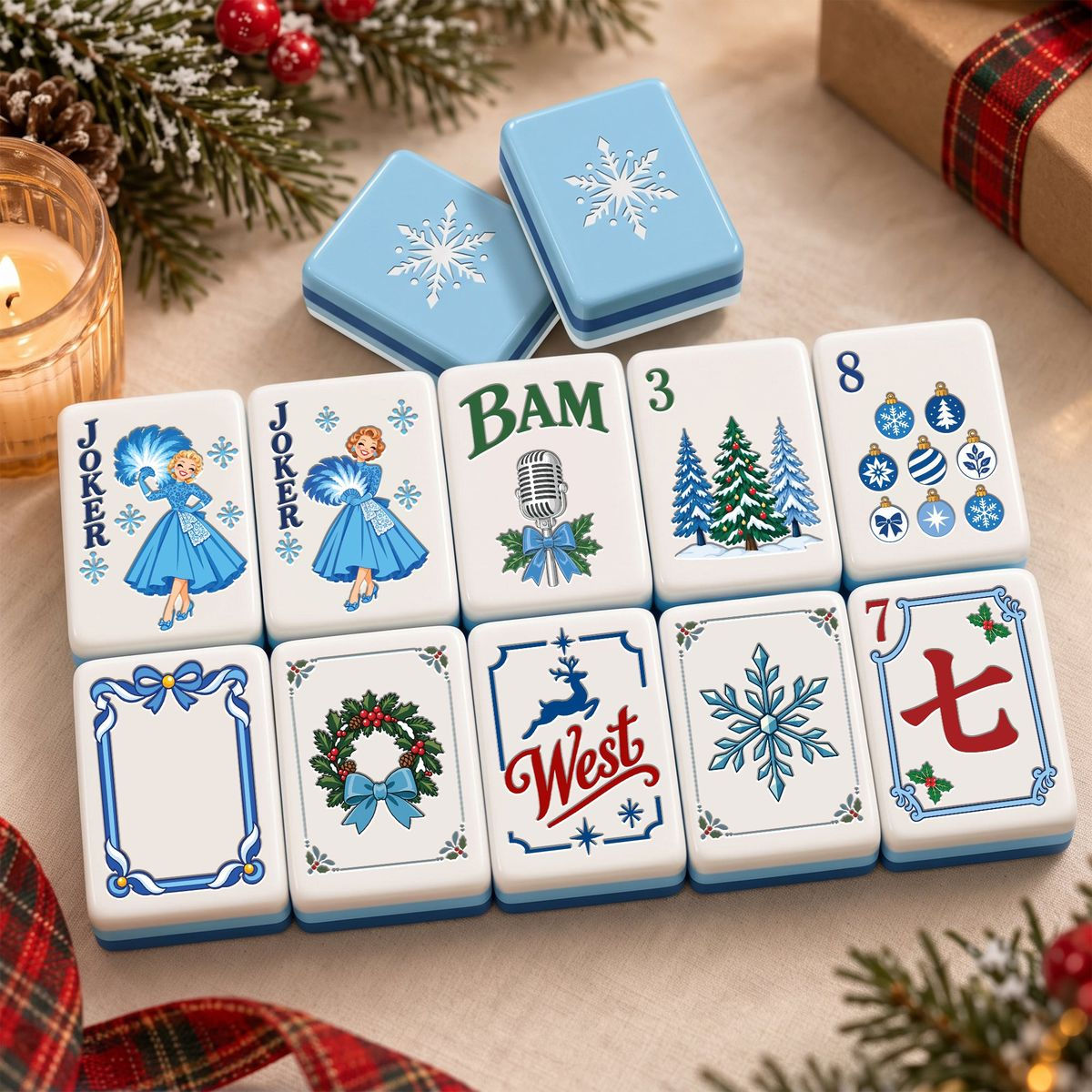
Sichuan mahjong flower strategy centers on a critical difference: flowers may be paired in certain contexts (unlike American mahjong, where flowers cannot form pairs). In Sichuan play, a player collects flowers during the deal and draw phases; if you hold two matching flowers (e.g., two Plum tiles), you can declare them as a pair in your final hand, provided they meet the hand pattern on your current card. This shift means you must track flowers differently—not as decorative bonus points, but as viable hand components that can anchor your entire winning combination. The strategic depth comes from deciding early whether to pursue a flower-based hand (typically worth higher points) or pivot to a more traditional suit-heavy pattern. Most Sichuan games play with a single deck (108 tiles without flowers in the basic set), though some regional variants include flowers as part of the core deck. The key is reading your available hand patterns at game start and committing to one strategy before the first draw; pivoting mid-game costs tempo and leaves you exposed to other players' calls.
Sichuan mahjong's flower mechanic transforms the entire decision tree you face when building a winning hand. Unlike American mahjong—where flowers are drawn automatically and cannot be used in melds or pairs—Sichuan rules let you intentionally build around flowers as strategic anchors. We've hosted Sichuan variants in our weekly games and watched strong American players stumble precisely because they underestimated the flower pair decision early on.
How do flowers work differently in Sichuan than American mahjong?
In American mahjong, flowers are drawn and set aside; they don't count toward your hand pattern and cannot be exposed or paired. Sichuan mahjong reverses this: flowers you draw become active hand components. If your winning hand pattern calls for a pair, you can use two matching flowers to fulfill that requirement—for example, two Spring tiles. This means flowers shift from decoration to strategy. You must decide by turn two or three whether your best path to a win involves a flower pair or a traditional suit-based pair; committing halfway through wastes tiles and gives opponents time to block your alternative routes.

What is the strategic advantage of pairing flowers early?
Pairing flowers early locks in one critical component of your hand, freeing you to concentrate on building your melds (pungs, kongs, or other patterns depending on the hand card in play). If you can secure a flower pair in the first few turns, you reduce the variables you're tracking; instead of juggling two potential pair options, you're hunting specific melds to match your committed pair. The trade-off is visibility: once players see you've kept flowers, they infer your strategy and may block suit tiles you need. Successful Sichuan players pair flowers only when the hand card offers flower-pair patterns that align with abundant melds available in the early discard or draw cycle.
When should you hold flowers instead of pairing them?
Hold flowers—don't pair—when the hand card shows no viable flower-pair patterns, or when the melds needed to complete a flower-based hand require rare tiles. For example, if your hand card lists five different patterns and only one includes a flower pair, but that pattern also needs three specific high Bams, you risk dead-ending. Instead, keep flowers unpaired and pivot to a suit-based pattern with more flexible meld options. The key signal is the first six discards: if they're heavy in one suit and light in Bams or Craks, don't chase a flower pair that depends on those scarce tiles. Hold the flowers as insurance, discard aggressively in the abundant suit, and let your real hand emerge.
How does the flower strategy interact with the draw and claim phases?
Sichuan rules typically allow a flower draw in two moments: during the initial deal and after each turn draw. If you draw a flower on your turn, you have seconds to decide: does this matching flower complete a pair that advances your primary hand, or does it force a costly pivot? Experienced players pre-commit to one of two hands by turn three, so a mid-game flower draw either confirms you're on track or signals a dead end. Some Sichuan variants let players claim (call) flowers from a discard if it completes a pair; this high-risk move broadcasts your strategy but can salvage a game when your partner or the tile pool favors a quick win. Never claim a flower pair unless you're already winning the majority of required melds; the information cost (telegraphing your hand) outweighs the tempo gain.
What hands should you target as a beginner using flowers?
Beginners should favor hand patterns that list flowers as secondary elements, not linchpins. Start with a pattern that has one or two flower options: for instance, a hand that wins with either a flower pair or a pair of White tiles. This gives you a fallback if your flower draw stalls. Avoid early patterns that require both a specific flower pair and rare melds (like three 9 Craks + a kong of Reds); the odds of drawing all four components favor more flexible competitors. Use a mahjong mat to organize your draws visually—grouping flowers in their own space makes it easier to track which flower pairs are available and which suit melds you're building. Over 10–15 games, you'll internalize which regional hand cards favor flower strategies and when to hold versus pair.
Decision Point | Pair the Flowers | Hold the Flowers |
Hand card shows 3+ flower-pair patterns | Yes | — |
Only 1 flower-pair pattern available | Only if abundant melds exist | Yes, if melds are rare |
Discard pool is suit-heavy (few flowers) | No | Yes |
You've drawn a matching flower by turn 3 | Yes, if hand card allows | No, if pivot is safer |
Opponent has just won or is close | Yes, if it accelerates your hand | No, if it narrows options |
🀄 Shop best-selling mahjong sets →

How do regional Sichuan variants change the flower pairing rules?
Some Sichuan regions play with "blind flowers"—flowers are not drawn into your hand during the deal but appear only as penalty draws or special events. Others include flowers in the core tile pool, meaning flowers cycle through discard at a higher rate and are more claimable by other players. The most common modern Sichuan variant (played in tournament settings) uses flowers as we've described: drawn, pairable, and integrated into hand patterns on the official card. Before joining a new Sichuan game, ask directly: Are flowers drawn into hand or set aside? Can I pair two matching flowers? Do flowers appear in the hand card patterns? These three questions alone prevent 80% of rule misunderstandings. If players can't give you a clear yes or no, defer to the house rules sheet or ask for one game where you observe without betting; the time cost is zero, and the education is priceless.
What tiles should you discard when pursuing a flower pair?
Discard tiles that appear in only one hand pattern on your current card. If five patterns include Bams but only two include the flower pair you're targeting, shed Craks and Dots early—they're likely dead weight. Exception: if your pivot hand (your fallback if flowers dry up) also needs certain Craks, keep one of each and watch the discard pile; if no one else is calling that suit, it's probable and worth holding. A common beginner mistake is discarding flowers too quickly out of habit from American mahjong games. In Sichuan, flowers are hot tiles—other players will circle them. Only discard a flower if it duplicates your pair (e.g., you already have a Spring pair and draw a second Spring) or if your hand card has zero patterns using flowers.
How do you avoid overcommitting to a flower strategy?
Set a hard checkpoint: by turn four or five, you must have either drawn your matching flower or be in the process of building the alternative (suit-based) hand. If neither is true, shift gears entirely. Overcommitted players hold a mismatched Spring flower and a Plum flower, hoping one will pair—this ties up hand slots and delays meld-building for both options. Instead, choose one or discard both and hunt a pair among the suits. The best Sichuan players we've played against treat flower pairs as probable wins, not mandatory wins; they build them opportunistically (if flowers arrive naturally) and pivot ruthlessly (if flowers stall by mid-game). This mindset keeps your hand flexible and prevents the slow bleed of tempo that sinks most novices.
🎁 See our most-loved mahjong sets & accessories →
What equipment helps you manage the flower strategy tension?
A well-organized mahjong rack with pushers is essential in Sichuan play because you're tracking more decision points than in American mahjong. Use a rack that lets you slide tiles forward to indicate which ones you're actively building toward (melds) and keep flowers and candidate pairs in a distinct zone. Some players use a premium mahjong mat with monogram or text customization; the psychological anchor of a personalized playing surface helps you stay focused during those high-tension flower decisions. If you're playing in a tournament or semi-competitive setting and need to transport a Sichuan set, our mahjong bags keep tiles organized and protect against tile damage during storage—crucial if you're testing multiple regional variants and need to keep hand cards separate by ruleset.
What to check before you buy a set for Sichuan play
Tile count & flower inclusion: Sichuan sets often come with 108 or 144 tiles. Confirm flowers are included and clearly marked. Our best-selling mahjong sets accommodate multiple variants; check the product description for flower count.
Hand card compatibility: Verify the set includes or links to a current Sichuan hand card (usually issued regionally or by the organizing club). American mahjong cards will not work for Sichuan play.
Tile size & weight: Sichuan tiles are often slightly smaller than American tiles. Test-hold before committing if possible; some players find smaller tiles faster to manipulate but harder to read across a table.
Joker/blank policy: Confirm whether your Sichuan variant allows jokers and, if so, how many. This affects the total tile count and your reserve strategy.
Storage & portability: If you're attending regional games, ensure your set fits in a protective bag and your mat rolls or folds without crease damage.
✨ Find your Mahstead set — free US shipping →

FAQ
Can you pair two different flower tiles in Sichuan mahjong?
No. In Sichuan, a flower pair must be two identical tiles (e.g., two Plum or two Bamboo flowers). Different flowers are separate tiles and cannot form a pair. Some regional variants have special patterns where mixed flowers count; always verify house rules before play.
If I draw a flower that matches my pair, should I immediately declare it?
Not always. Declaring a pair early broadcasts your strategy and gives opponents time to block your meld routes. Wait until your hand is close to winning (one or two melds away), then declare the pair in your winning hand. Premature declaration is a common error that costs games.
What happens if flowers run out before I can complete a flower-pair hand?
Flowers are finite; if two or more players target flower pairs, the pool depletes fast. This is why Sichuan is more cutthroat than American mahjong. By turn three or four, pivot to a non-flower hand and discard aggressively. Holding dead flowers costs you tempo and board position.
Are flowers worth more points in Sichuan scoring than in American mahjong?
Scoring systems vary widely by region. Some Sichuan variants score flower pairs at a base value (e.g., 2 points per pair); others fold them into hand multipliers. Always consult the scoring sheet before the game. Points are irrelevant if you lose the game by chasing flowers while ignoring multiplier hands.
If another player discards a flower, can I claim it to complete my pair?
In most Sichuan variants, yes—but the rules on claiming are stricter than in American mahjong. Typically, you can claim a discarded flower to form a pair only on your turn, and some rules require you to immediately declare the pair. Confirm your house rules; claiming at the wrong moment may cost your hand.
Should I learn Sichuan flower strategy if I mainly play American mahjong?
Yes. Sichuan teaches you flexibility: making pairs from alternative tile types, reading hand cards faster, and pivoting strategy under pressure. These skills transfer. Spend three to five games absorbing the flower rules, then integrate the decision-making into your American play—especially in games where you're unsure of the winning hand early.


View More
View More
View More
