
Sichuan Mahjong Cheat Sheet: Rules, Tiles & Quick Reference
Last updated: Nov 23, 2026
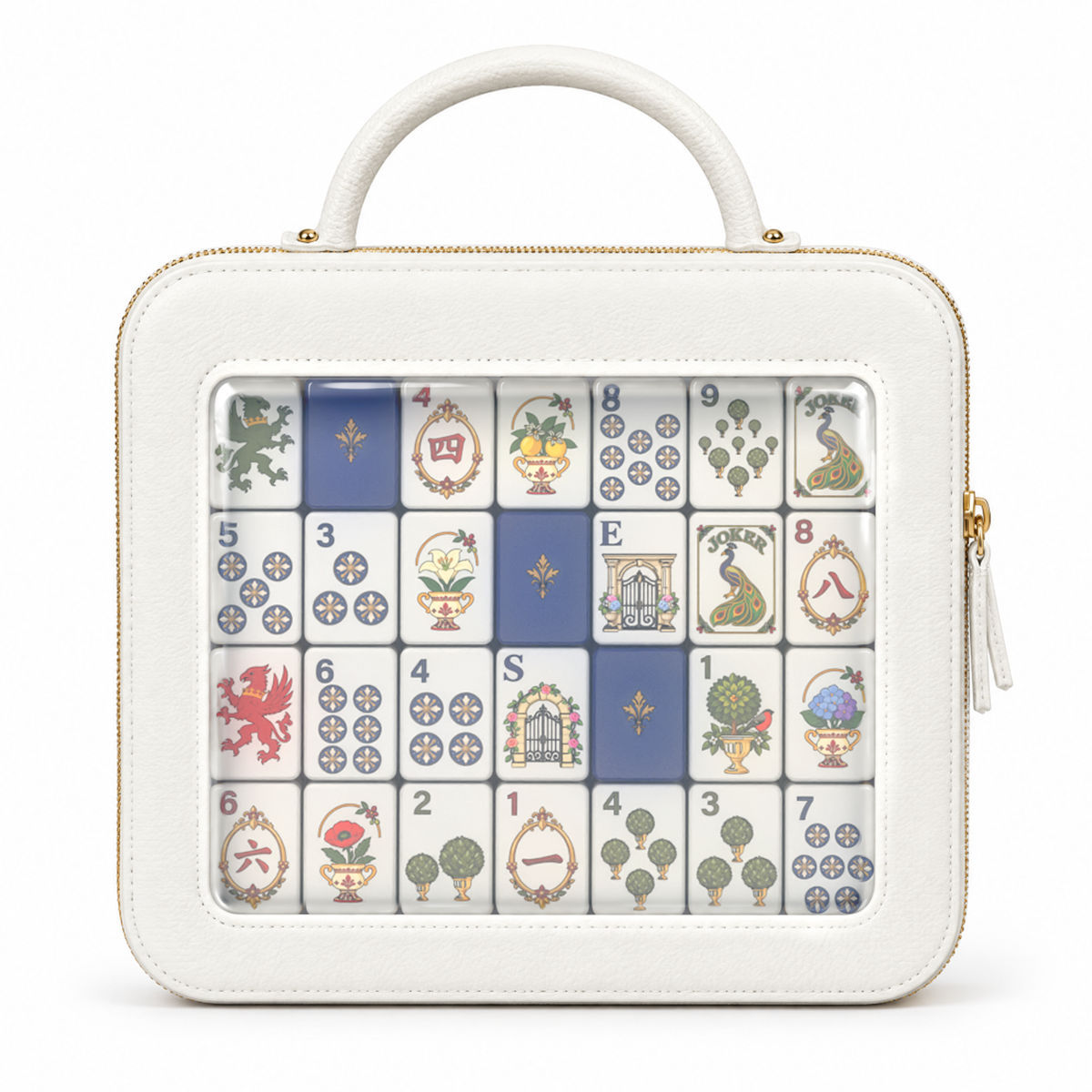
Sichuan mahjong uses 108 tiles—three numerical suits (1–9 Bams, Craks, Dots; four copies each = 108 total) with no honors, flowers, or jokers. Four players each draw 13 tiles, and the goal is to form winning melds: triplets (three identical), quints (five identical), or sequences (e.g., 1–2–3, 4–5–6 in the same suit). Unlike American mahjong, Sichuan plays quickly—discard and draw happen in rapid succession, and melds are called and exposed immediately. Winning requires one pair plus melds totaling 14 tiles. Scoring is based on meld type and position; players can earn or lose points per hand. The game ends when one player reaches a target score. Learning Sichuan takes one session if you've played other variants; the fast pace and simpler tile set make it popular in the Sichuan region and among speed-game enthusiasts worldwide.
Sichuan mahjong is a streamlined, high-speed variant that strips away honors, dragons, and flowers—keeping only numbers 1–9 in three suits. If you're used to American mahjong's annual card-based hands or Hong Kong's complex scoring, Sichuan's 108-tile simplicity and relentless rhythm feel like stepping into a completely different game.
We host games across all variants, and Sichuan players often tell us they love the constant action: every hand plays in under ten minutes, and the tile count (just one suit per player in a typical draw) means fewer decision pauses. That speed also means one mistake echoes immediately. This cheat sheet is built from real gameplay and the questions our table sees every season.
What tiles do you actually use in Sichuan?
Sichuan mahjong uses exactly 108 tiles: Bams (1–9), Craks (1–9), and Dots (1–9), with four copies of each number in each suit. That's 36 tiles per suit, 108 total—no wind tiles, dragons, flowers, jokers, or blanks. Four players each draw 13 tiles for a 52-tile hand pool; 56 tiles stay in the dead wall. The 1 Bam typically shows a bird; the 9 is the highest rank. No honor tiles means no delays for ranking winds or paying out dragons—every tile can be part of a winning combination.
This is fundamentally different from American mahjong, which uses 152 tiles including honors and specials. Sichuan's lean tile set is why the game moves so fast and why hand memory becomes a weapon—you know exactly which numbers are in play at any moment.

How do you win in Sichuan?
Winning requires 14 tiles: one pair (two identical tiles) plus four melds. A meld is either a triplet (three identical—e.g., 5 Dots, 5 Dots, 5 Dots), a sequence (three consecutive in the same suit—e.g., 3 Craks, 4 Craks, 5 Craks), or a quint (five identical). You win by "hu"—drawing or claiming a discard that completes your 14-tile winning hand. Most tables require at least one sequence in your winning melds to qualify as a "clean" hu; hand structure rules vary by region and table house rules, so confirm before sitting down.
The key difference: Sichuan does not use the drawn tile to complete a pair as American mahjong sometimes does. Your winning tile must complete a meld (triplet, sequence, or quint) or occasionally count as a pair-forming discard, depending on house rules.
What's the turn order and how fast does play actually go?
Four players sit in compass positions: East (dealer, draws first), South, West, North. East draws 14 tiles; the others draw 13 each. East discards first, then South, West, North, and the discard pile hits the center immediately. Any player may call (claim) a discard for a triplet, sequence, or quint—and if you call, you expose that meld face-up in front of you and take the discard. If no one claims the discard, it stays in the discard pile and the next player draws and discards. Play cycles continuously until someone completes a winning hand and declares "hu."
The rhythm is rapid—discards come every 2–3 seconds per player, and calling is first-come-first-serve. This is why Sichuan feels more like speed chess than American mahjong's measured, card-based hand selection. Mistakes pile up fast.
Aspect | American Mahjong | Sichuan Mahjong |
Tile count | 152 | 108 |
Suits used | Bams, Craks, Dots, honors, dragons | Bams, Craks, Dots only |
Jokers/blanks | Yes (8 jokers in play) | None |
Hand structure | From annual League card | Triplets, sequences, quints; house rules vary |
Play pace | Moderate (8–15 min/hand) | Very fast (3–10 min/hand) |
Calling melds | Pung, kong, quint, sextet exposed; no chows | Any triplet, sequence, quint exposed immediately |
Discard rule | After drew; hand size stays 14 | After drew; hand size varies |
Scoring | Point values per card pattern | Doubling/multiplier per meld type |
How does scoring work in Sichuan?
Scoring varies by table and region—there's no single standard like American mahjong's National League card. Most common: a win is 1 point (or 1 unit of currency), but doubling occurs for hand strength. A hand with all sequences is worth more than one with all triplets; a hand with a quint is worth double or triple. Some tables pay out based on who discarded the winning tile (the "discarder" pays more) and the winning player's position. The dealer (East) may win double or pay double.
Before you sit down, ask: Is each win 1 point or 1 yuan/dollar?Do triplets pay more than sequences?Does the discarder pay all or split pay?Is there a bonus for a hand with no called melds (a "hidden hand" or "zimo")? These questions save you money and confusion. Keep a small notebook if you're new to the table—no one minds a cheat sheet on paper.

What are the most common mistakes new players make?
Mistake 1: Slow discards. Hesitating on which tile to discard kills the rhythm. Sichuan rewards quick decisions. Before your turn comes, know your safest discard (usually a high number or a single tile not related to pairs you're building).
Mistake 2: Over-calling early. Claiming every possible triplet or sequence early in the hand exposes your strategy and eats into your tile pool. Call only when the meld directly supports your win path—patience pays.
Mistake 3: Forgetting house rules. Some tables allow sequences in any combination; others require at least one pure sequence for a valid win. Some tables allow a win from an uncalled meld (zimo); others require a called discard. Clarify with East (dealer) before the first hand.
Mistake 4: Not tracking discards. Sichuan is pure tile memory. Know which high Bams are gone, which sequences were exposed, and which numbers are still in the dead wall. If you see two 9 Craks discarded and one exposed in a triplet, only one 9 Crak remains.
Mistake 5: Ignoring suit distribution. Build hands around abundant tiles. If seven Dots are already discarded, don't chase a Dot sequence—pivot to Bams or Craks.
🀄 Shop best-selling mahjong sets →
What equipment do you need to play Sichuan?
You need a 108-tile Sichuan mahjong set (tiles in Bam, Crak, Dot only) and a table or playing surface. A mat protects tiles from scratches and gives you a quiet playing surface—crucial when four players discard at speed. A rack or tile stand helps you organize your hand so you can see all 13 tiles at a glance without fumbling. Dice (usually two) determine seating order and the dead wall position. A score sheet or pen-and-paper setup tracks points each hand. Some players use a tile bag to blind-draw the wall or shuffle between rounds.
For casual home play, you can get by with any flat surface, but a dedicated mat and rack system speeds up every hand. If you're hosting regularly, a quality set with durable acrylic tiles—offered in our best-selling collection—outlasts plastic or bone for years. Many Sichuan players prefer acrylic for the click-clack sound and the tile heft, which slows down panicked discards and keeps the ritual satisfying.
Before you buy a Sichuan set, check these details
Tile count: Confirm the set contains exactly 108 tiles (36 per suit) with no extra jokers, blanks, or honor tiles unless you want spares. Standard Sichuan sets include no blanks or jokers.
Character clarity: Numbers 1–9 must be printed or carved clearly on each tile in all three suits; lighting should reveal every digit.
Tile weight and size: Tiles should feel solid and be roughly 1 inch wide. Lightweight tiles encourage rushing; heavier tiles settle play.
Backing design: Choose tiles with a clean, non-distracting back so you can't identify tiles by back wear (a common cheating vector in speed games).
Carrying case or bag: Check if your set ships with a bag; if not, a travel bag or case keeps tiles protected and organized.
Mat included: Most sets don't include a mat. If you play weekly, a separate playing mat is worth the investment—it quiets play and protects your table.
🎁 See our most-loved mahjong sets & accessories →
Quick reference: Winning hand patterns at a glance
Most Sichuan tables accept these winning structures (confirm with your table):
All melds: Four melds (triplet/sequence/quint) + one pair. Example: 1–2–3 Bams (sequence), 5–5–5 Craks (triplet), 8–8 Dots (pair), 9–9–9 Dots (triplet). Total: 14 tiles.
Quint bonus: A hand with a quint (five identical) usually scores double or triple. Example: 4–4–4–4–4 Craks (quint), 1–1–1 Bams (triplet), 6–7–8 Dots (sequence), 2–2 (pair). 14 tiles, high value.
Pure sequence: Some tables reward a hand with all four melds as sequences (no triplets). Example: 1–2–3 Bams, 4–5–6 Bams, 7–8–9 Craks, 1–2–3 Dots, 5–5 (pair). 14 tiles, high value.
No-call win (zimo): Drawing your own winning tile instead of claiming a discard—usually worth double. Only valid if house rules allow it.
Study your table's specific rules before the first hand. Write them down. Speed games punish guessing.
✨ Find your Mahstead set — free US shipping →

FAQ
Is Sichuan mahjong the same as standard Chinese mahjong?
No. Standard Chinese mahjong uses 144 tiles (including honors and flowers) and different win conditions. Sichuan uses only 108 tiles (three number suits, no honors) and plays much faster. Both are Chinese variants, but Sichuan is stripped-down and more speed-focused.
Can I play Sichuan with an American mahjong set?
Not ideally. American sets have 152 tiles including wind tiles, dragons, flowers, and jokers—none of which exist in Sichuan. You could remove the extras and use only the number tiles, but it's messy. A dedicated 108-tile Sichuan set is inexpensive and avoids confusion.
What if someone wins from a discard before I can draw?
Play stops immediately. The winner declares "hu," reveals their hand, and scoring is settled. The next hand begins with a fresh wall. This is why Sichuan moves fast—no draw phase if someone calls first.
How do you determine who is East (dealer) in the first game?
Roll two dice; highest roll sits East. Some tables use a rotating East (East stays four hands, then moves clockwise). Confirm before you play.
Can you claim a discard for a pair in Sichuan?
Almost never. A pair is not a meld—it's only part of the winning hand. You claim discards for triplets, sequences, or quints. A pair is completed only on your final draw or discard claim (the winning tile), depending on house rules. Clarify this with the table.
What if the dead wall runs out before anyone wins?
The game ends in a draw (a "gong" or tie). All players discard zero points or split an ante, then a new hand begins. Some tables fine the player who called the most melds (blamed for using up the wall). House rules vary—ask before the first hand.


View More
View More
View More
