
Siamese Mahjong Special Hands: Rules, Patterns & Play
Last updated: Nov 23, 2026
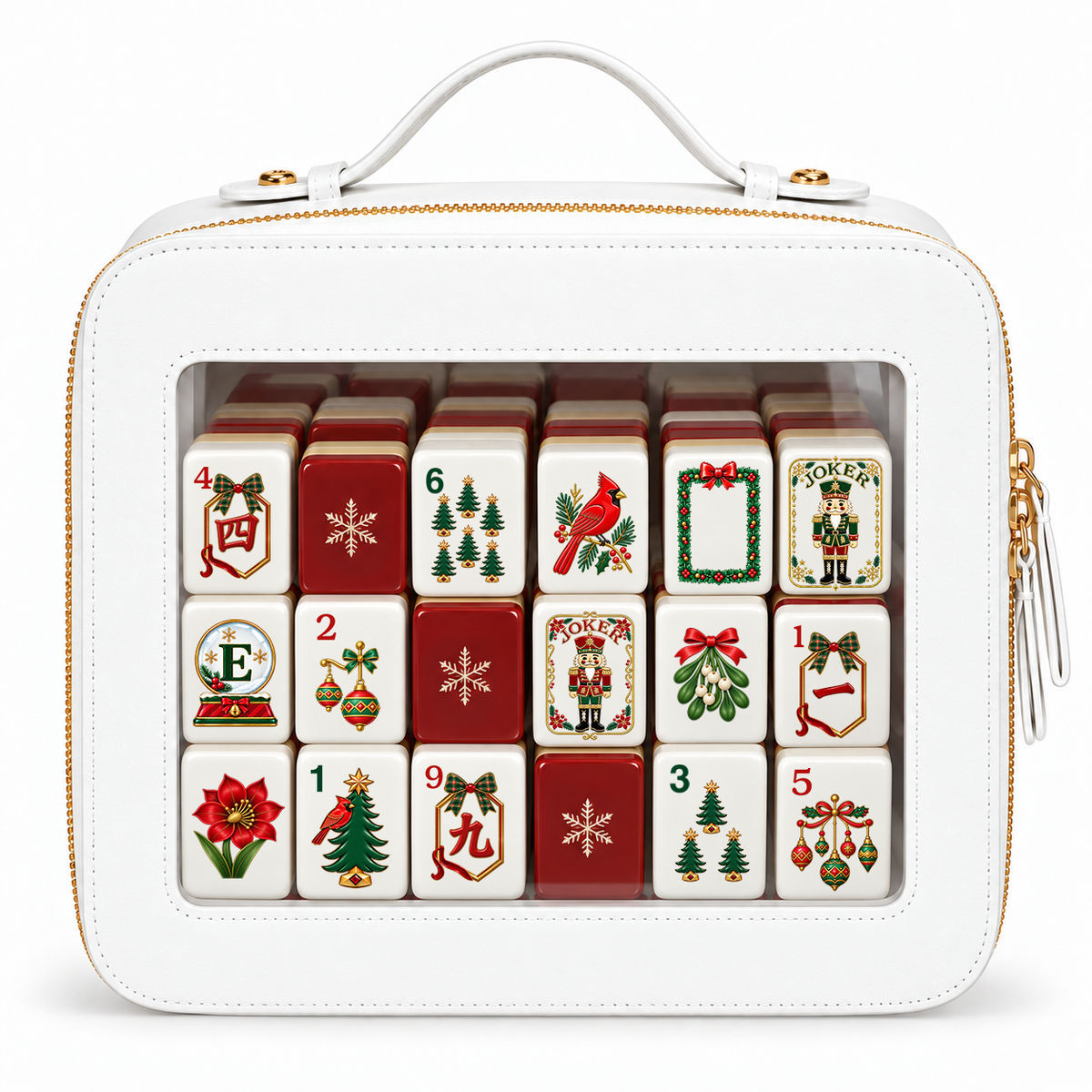
Siamese mahjong (also called Thai mahjong) is played with a 108-tile set featuring four each of tiles numbered 1–9 in three suits, plus honor tiles and flower tiles unique to Thai tradition—no jokers or blanks. Special hands in Siamese play are pre-set combinations drawn from cultural patterns (often tied to animals, luck symbols, or numeric sequences) that a player must assemble to win; they differ fundamentally from American mahjong, where hands come from an annual card and include exposed pungs, kongs, and joker substitutions. Siamese gameplay typically uses a simpler melds-only system without the American split between concealed and exposed, and winning hands often score flat points rather than point-multiplier calculations. Learning Siamese rules requires a dedicated rulebook or mentor, not an American League card; if you're hosting mixed-variant nights, keep separate tile sets and mats labeled clearly. We recommend checking local mahjong clubs or online Siamese communities for authentic hand lists before buying a 108-tile set.
What tiles are in a Siamese mahjong set?
Siamese sets use 108 tiles total: four each of Bamboo 1–9 (36 tiles), Dot 1–9 (36 tiles), and Character 1–9 (36 tiles), plus honor tiles and flowers specific to Thai variants. Unlike American mahjong's 152-tile standard with winds, dragons, jokers and blanks, Siamese play has no jokers—every tile is unique and numbered. The absence of joker substitution makes Siamese hands rigid: you must draw or meld the exact tiles required, not swap in a joker as a wildcard. Some regional Thai sets add extra honor tiles or regional symbols, so confirm the exact tile count and composition with your rulebook before purchasing. The simpler tile inventory also means games flow faster, with fewer decisions about joker placement.

How do special hands differ from American mahjong patterns?
American mahjong special hands come from the National Mah Jongg League card each spring and can include exposed pungs (three identical tiles), kongs (four), quints (five), sextets (six), and joker substitutions—building a hand means matching the card layout exactly while managing the Charleston tile-exchange ritual beforehand. Siamese special hands are fixed cultural patterns (e.g., sequences, pairs, or symbolic groupings) that do not change annually, require no jokers, and are typically won by melding or drawing all required tiles in a single turn or after a set number of rounds. In American play, you announce a hand type and expose melds on the table; in most Siamese variants, hands remain mostly concealed until you declare a win. The scoring systems also diverge: American uses multipliers (double, triple, etc.), while Siamese often awards flat points per hand type. If you play both games regularly, keep the rulebooks side-by-side and train players on which system applies before sitting down.
What is a "pure" hand in Siamese mahjong?
A pure hand (or "clean" hand) in Siamese mahjong contains tiles of only one suit—for example, all Bamboo or all Dot—plus honor and flower tiles if the specific hand permits. This contrasts with "mixed" hands, which combine two or more suits. Pure hands typically score higher because they are harder to assemble; by round mid-game, other players will have drawn or melded tiles from each suit, making it statistically difficult for one player to hold only one suit's numbered tiles. Some regional Siamese variants have purity requirements tied to specific hand names (e.g., "Dragon in One Suit" or "Palace of the Emerald Buddha"). To learn which of your target Siamese hands are pure-only, consult a Thai mahjong guide or rulebook; American players often find pure hands counterintuitive because the American card has no such purity requirement. The strategic implication is that Siamese players must signal suit preferences early and block opponents aggressively to protect a single-suit win attempt.
How do you declare a winning hand in Siamese mahjong?
In Siamese mahjong, you typically win by drawing a tile that completes your hand pattern—either on your turn or, in some variants, by calling off another player's discard. You must then expose your entire hand, verify it matches one of the legal special hand patterns, and announce the hand name and score. Unlike American mahjong, where you check your hand against the card before discarding and are bound by the card layout, Siamese play is often turn-based: you draw, you meld (if allowed), you discard, and on your next turn or after checking with other players, you declare a win if you hold a complete pattern. Some Siamese variants allow limited calling (e.g., you can call a tile that completes a pung or a winning hand, but not intermediate melds), so confirm the calling rules before play. A mistake—declaring a win that does not match a legal hand—typically results in a penalty (lost points or a turn skipped) and play continues. Keep a printed rulebook at the table for disputes; if you play with multiple regional Siamese rule sets, agree on one before shuffling.
Which special hands score highest in Siamese mahjong?
Scoring hierarchies vary by Siamese rulebook, but typically hands requiring purity (single suit), hands combining rare tile sequences, or hands that mimic cultural or symbolic motifs (e.g., animal names, auspicious numbers) rank highest. A seven-pair hand or a hand with four melds in precise numeric order often scores double or triple a simple three-pung-plus-pair win. Siamese variants sometimes award bonus points if you win by drawing (self-drawn win) versus calling an opponent's discard (called win). To determine exact scores for your game, consult your rulebook's scoring table—Thai mahjong publications and online Siamese mahjong communities publish hand rankings and point values. If you are playing casually for fun rather than stakes, you can simplify by awarding one point per hand and letting the most elaborate hand type (fewest odds of assembly) win each round. The key difference from American mahjong is that Siamese scoring is usually additive (hand A = 10 points, hand B = 15 points) rather than multiplicative (hand A × 2 = points, × double = extra), so tallying at the end of a full round is quicker.

Hosting a Siamese mahjong night at home: what you'll need
If you want to host Siamese mahjong regularly, start with a dedicated 108-tile Siamese set and a mat sized for smaller tile stacks than American play (since you have fewer tiles and typically do not expose as many melds). Keep your American and Siamese sets physically separated—label them clearly and store them in separate mahjong bags and cases so no one mixes the tile inventories mid-game. A mahjong mat designed for American play will accommodate Siamese tiles fine, but the tile-counting zones may feel oversized; if you play Siamese regularly, hunt for a 108-tile-specific mat or a compact universal mat. Mahjong racks with pushers also work for Siamese play and help players organize their hand tiles visibly (though some Siamese variants discourage showing racks). Dice are not typically used to determine the starting hand in Siamese mahjong (a dealer rotates or is chosen), so standard mahjong dice are optional. Print or display your rulebook on a tablet at the table for quick reference when disputes arise.
🀄 Shop best-selling mahjong sets →
Comparing American and Siamese play: a quick reference table
Aspect | American Mahjong | Siamese Mahjong |
Tile Count | 152 tiles (+ 8 jokers) | 108 tiles (no jokers) |
Joker Use | Yes; substitute for any tile in a pung, kong, etc. | No jokers; exact tiles only |
Hand Source | Annual National League card | Fixed rulebook patterns (cultural or numeric) |
Exposed Melds | Yes; announce pungs, kongs, quints, sextets | Varies; usually concealed until win |
Scoring | Multipliers (double, triple) | Flat points per hand |
Special Hands | Change every spring | Static; cultural/symbolic themes |
Calling Rules | Limited; specific card positions only | Varies by regional rulebook |
Typical Setup Time | 10–15 min (Charleston included) | 5 min (no pre-game tile exchange) |
This table shows why one set does not serve both games well—Siamese play is faster and simpler, but the tile sets are incompatible. If you are learning Siamese after years of American play, expect mental friction for the first few rounds.
🎁 See our most-loved mahjong sets & accessories →
Common mistakes new Siamese players make (and how to avoid them)
Mixing jokers and American tiles into a Siamese hand. Siamese sets have no jokers. If you play American and Siamese regularly, store them in separate labeled bags and double-check the tile inventory before shuffling. A stray joker or American dragon tile ruins the entire game.
Assuming Siamese hands never change. While Siamese special hands do not shift annually like the American League card, regional and house variants exist. Clarify the hand list with your group before starting; if playing online or with a new community, ask for a printed rulebook or hand-list photo.
Exposing tiles or declaring melds mid-hand. In most Siamese variants, you do not announce melds on the table the way American players do. Check your rulebook: some Siamese games allow limited calling (e.g., on your winning tile only), while others keep hands fully concealed until a win is declared. Exposing too early can tip off opponents or violate house rules.
Not tracking discards. With only 108 tiles and no joker buffer, discarded tiles matter far more. If three Bamboo-3s are already discarded, no one can win a hand requiring four Bamboo-3s. Keep a mental or written discard log to avoid chasing impossible hands.
Confusing scoring with American point calculations. Siamese hands usually score flat points, not multiplied values. Calculate quickly after each hand and move on. If you are used to tallying "double double" or "triple", reset your brain before Siamese play.
What to check before you buy a Siamese mahjong set
Tile count: Verify it is 108 tiles and includes the correct suits and honors for your rulebook (Bamboo, Dot, Character, plus Thai-specific flowers or symbols).
Material and durability: Siamese sets are often made of bone, bamboo, or acrylic. Acrylic is easiest to clean and transport; bone and bamboo feel premium but require more care. Check if the set comes in a case or bag.
Language and markings: Confirm tiles are marked clearly (Arabic numerals, suit symbols, or Thai characters) so you can learn tile names quickly.
Rulebook inclusion: Does the seller include a rulebook or link? If not, have you sourced one from a Thai mahjong community or online guide?
Local availability: Can you find replacement tiles locally if a tile cracks? Siamese sets are less common in Western stores, so check the seller's replacement policy.
Compatibility with your existing gear: If you own an American set and mats, confirm the Siamese tiles fit in your bags and that you are comfortable storing two separate inventories.
If you are testing Siamese play for the first time, consider borrowing a set from a local club or purchasing a best-selling collection from our store that includes clear documentation so you can learn confidently.
✨ Find your Mahstead set — free US shipping →

FAQ
Can I use an American mahjong set to play Siamese mahjong?
No. American sets have 152 tiles including jokers, winds, and dragons; Siamese play requires exactly 108 numbered tiles with Thai honors. Mixing sets corrupts both games. Keep them separate and labeled.
Do Siamese mahjong hands change every year like the American League card?
No. Siamese special hands are fixed by rulebook or regional tradition, not updated annually. However, regional variants exist, so confirm which hand list your group uses before playing.
What does "pure hand" mean in Siamese mahjong?
A pure hand uses tiles from only one suit (e.g., all Bamboo, or all Dot) plus honor and flower tiles if permitted. Pure hands are harder to assemble and usually score higher than mixed-suit hands.
How is scoring different in Siamese mahjong compared to American mahjong?
Siamese mahjong typically awards flat points per hand type (e.g., hand A = 10 points, hand B = 15 points); American mahjong uses multipliers (double, triple, limit). Siamese scoring is faster and simpler to tally.
Where can I find a rulebook for Siamese mahjong?
Search online for "Thai mahjong rules" or "Siamese mahjong hand guide." Thai mahjong communities, cultural centers, and international mahjong forums often share rulebooks and hand lists. Ask local Southeast Asian cultural centers for in-person recommendations.
Can I call another player's discard to win in Siamese mahjong?
Rules vary by regional variant. Some allow calling a winning tile; others allow no calling at all. Confirm calling rules with your rulebook and group before play to avoid disputes.
Do I need jokers to play Siamese mahjong?
No. Siamese sets contain no jokers. Every tile is an exact, numbered tile with no substitutions, which makes Siamese play more rigid and strategic than American play.
How long does a typical Siamese mahjong round last?
Without the American Charleston (tile exchange) and with no joker-based strategic pauses, a Siamese round usually completes faster—roughly 20–40 minutes for four players, depending on hand complexity and group familiarity.


View More
View More
View More
