
Riichi vs. Malaysian Mahjong: Key Rules & Differences
Last updated: Nov 23, 2026
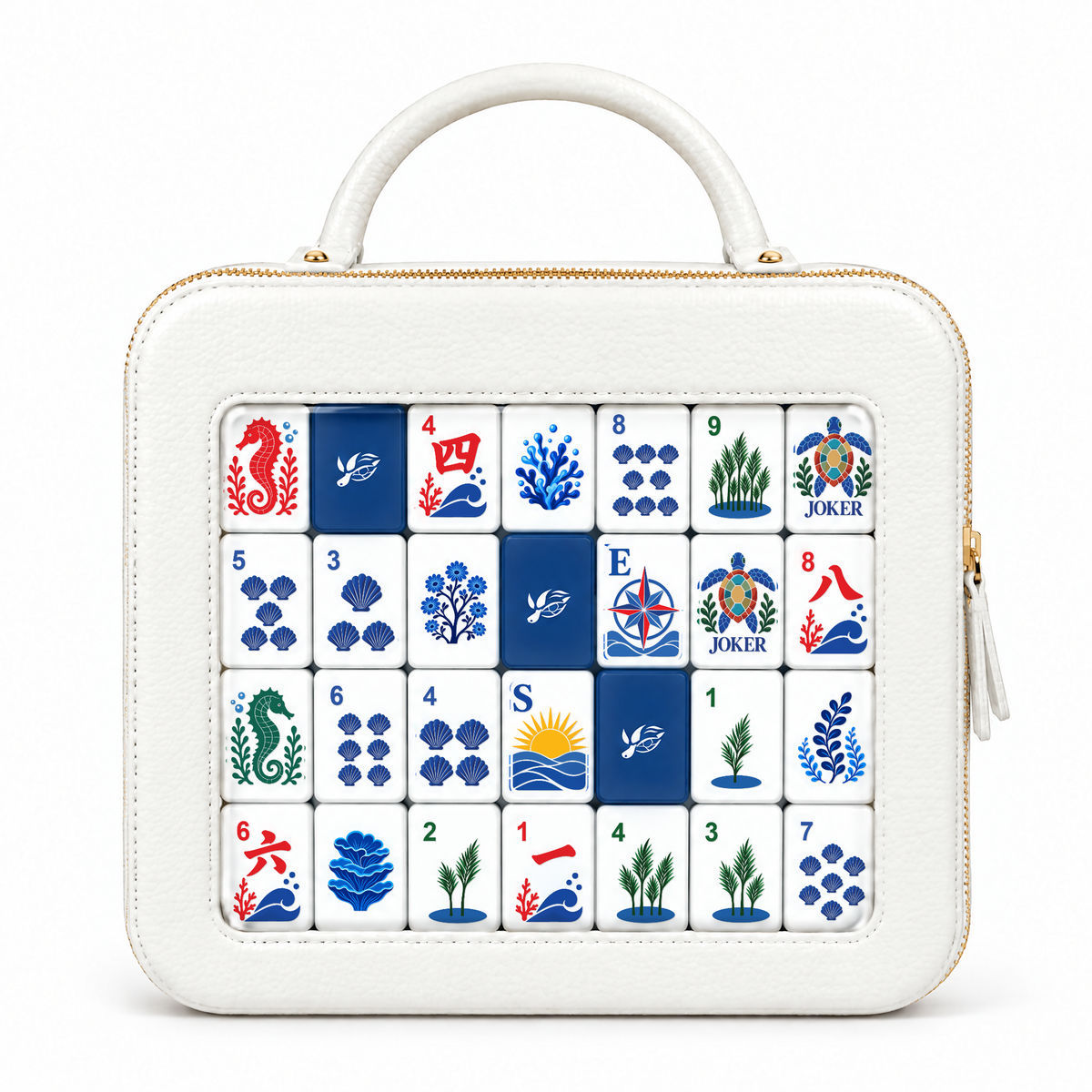
Riichi mahjong, developed in Japan, uses 136 tiles (four winds, three dragons, no flowers, no jokers) and revolves around declaring "riichi"—a frozen hand waiting for one tile to win. Malaysian mahjong plays with 152 tiles (eight flowers, eight jokers, like American mahjong) but draws from a live wall, allows pair-changing mid-hand, and has no declared waiting state. Riichi scoring is based on point calculations tied to melds and tile combinations; Malaysian scoring follows regional rules often similar to Hong Kong variants. Riichi players need a printed scoring reference; Malaysian players typically reference house rules or a year-round hand chart. Both games demand focus and tile sense, but if you're hosting regular American mahjong nights, you already own the right tile count for Malaysian play—neither variant uses the National Mah Jongg League card that American players follow.
Riichi and Malaysian mahjong sit at opposite ends of the East Asian mahjong spectrum. If you've played American mahjong, you know the structured hand-from-card system. Riichi couldn't be more different: it's pure hand-building skill with declaration pressure. Malaysian mahjong bridges the gap—closer to Hong Kong rules, looser than Riichi, more forgiving than American's rigid card system. The three variants rarely cross over in the same room, so understanding their architecture helps you pick the game that matches your table's speed and skill level.
What tile set does each variant use, and why does it matter?
Riichi mahjong uses 136 tiles total: characters, circles, bamboos (three numbered suits, 1–9, four copies each = 108 tiles), four winds, three dragons (no "white soap" blank tile), and zero flowers or jokers. Malaysian mahjong uses 152 tiles: the same three numbered suits (108), plus eight flowers, eight jokers, and 16 winds, plus 12 dragons (red, green, white). If you own an American mahjong set, you have the Malaysian tile count; Riichi requires a separate, smaller set with no flowers or jokers. The extra tiles in Malaysian mahjong allow multiple exposures and more complex hand patterns. Riichi's minimalist tile set creates faster, tighter decision-making and fewer viable winning hands at any moment.

How does hand-building differ between Riichi and Malaysian mahjong?
In Riichi mahjong, you build your hand from scratch each game: draw a tile, discard a tile, watch opponents' discards, and gradually form melds (identical triplets called "pung," sequences called "chow," or pairs). You cannot expose or declare your hand mid-turn. Once your hand is one tile away from winning (holding 13 tiles + waiting for 1), you may declare "riichi," freezing your hand and betting a 1,000-point marker. You cannot change your winning tile after declaring riichi—if your wait becomes impossible, you lose. Malaysian mahjong lets players draw from a live wall, name their winning tile aloud before completing their hand, and switch their wait if they draw a joker or a different useful tile. No frozen state; more flexibility. American mahjong players are closest to Riichi in discipline: the year's League card locks your hand architecture, just as Riichi's riichi declaration locks your wait.
What's the scoring gap, and how do you calculate points in each game?
Riichi scoring is arithmetic and combinatorial: every winning hand earns base points (han) tied to meld patterns (all identical triplets, terminal sequences, etc.) multiplied by a concealment multiplier (if you drew the winning tile yourself or claimed it from an opponent's discard). Bonus points exist for certain patterns like a hand with all sequences or all triplets. A "closed" hand (no exposed melds) earns double points. Total points flow through a formula that accounts for wind seat and whether someone paid into your riichi bet. Malaysian mahjong scoring varies by regional house rules—some tables use point caps per hand, others double points for specific patterns, and some award flat amounts per meld type. Riichi requires studying a reference chart; Malaysian relies on player agreement beforehand. American mahjong's scoring is entirely different: it's binary (hand is on the card = winner; hand is off the card = no one scores that round), with no arithmetic during play.
🀄 Shop best-selling mahjong sets →

Why do Riichi players declare, and what happens if they're wrong?
The riichi declaration is Riichi mahjong's psychological anchor. When you announce riichi—betting 1,000 points from your stack—you're freezing your hand to one winning tile and claiming you're close to victory. Other players can now treat your discards with caution; if you win on the next draw, your points double. If someone discards your winning tile and you don't claim it immediately, riichi ends and you lose the bet. If your winning tile never comes and someone else wins first, you forfeit your riichi stake. Malaysian mahjong has no such pressure: you call your wait ("waiting for 5 Bam") and can change it. This difference defines play speed—Riichi rewards patience and calculation; Malaysian rewards adaptability. American mahjong has neither: you're either on a card hand or you're not; there's no mid-game negotiation.
Which variant is easiest to learn if you already play American mahjong?
If you host American mahjong weekly, Malaysian mahjong is the natural bridge: you already own a 152-tile set, understand flower tiles and jokers, and can adapt to a live-wall draw and region-specific scoring. Learning Malaysian mahjong requires studying local rules (usually available from players in your region), a few practice rounds, and a tone shift toward flexibility. Riichi mahjong demands buying a new 136-tile set, memorizing point calculations, learning sequence recognition (chows are legal exposures; American mahjong forbids them), and practicing the riichi declaration timing. Riichi players and American players rarely cross over—the communities are distinct. If your group is curious about exploring beyond the annual League card, Malaysian is the pragmatic next step; Riichi is a deeper, separate hobby requiring dedicated study and investment.
🎁 See our most-loved mahjong sets & accessories →
Side-by-side comparison
Feature | Riichi Mahjong | Malaysian Mahjong | American Mahjong |
Tile count | 136 (no flowers, no jokers) | 152 (flowers, jokers) | 152 (flowers, jokers) |
Hand source | Player-built each game | Player-built, live wall | League card, set hand patterns |
Melds exposed | Pung, chow, kong only | Pung, kong, quint, sextet | Pung, kong, quint, sextet (no chow) |
Declared waiting | Yes (riichi, frozen wait) | Yes (changeable wait) | No (hand is predetermined) |
Scoring | Point formula (han-based) | House rules, often regional | Binary (on card = win) |
Skill emphasis | Calculation, psychology | Adaptability, observation | Pattern memorization |
Learning curve | Steep (new tile combos) | Moderate (similar tile set to American) | Moderate (rules are simpler, card takes time) |
What to check before you buy or learn a new variant
Confirm your group's appetite. Riichi has a dedicated, passionate community worldwide; Malaysian mahjong is regional and house-rule dependent. Ask your local players which variant they play before investing time or money.
Verify tile set availability. Riichi requires a 136-tile set (flowers and jokers removed). Malaysian and American games both use 152-tile sets—you likely have this already if you play American mahjong.
Get the scoring reference. Riichi scoring is printed in books and online calculators; Malaysian scoring varies by region—get it in writing from your table's organizer before your first game.
Play a practice round in person. Video tutorials help, but sitting at a table with experienced players teaching live is the fastest way to absorb the flow. Riichi has a steeper learning curve; Malaysian feels more intuitive if you know American mahjong.
Decide on tile feel.Our best-selling mahjong sets are all 160-tile acrylic American-format sets. If you switch to Riichi, you'll need a dedicated Japanese set with clearer tile markings and no flowers—worth sourcing from a specialist retailer.
✨ Find your Mahstead set — free US shipping →

FAQ
Can I play Riichi mahjong with an American mahjong set?
No. Riichi requires exactly 136 tiles with no flowers or jokers. American sets have 152 tiles. You'd need to remove flowers and jokers, but you'd still lack the correct bamboo, circle, and character tile distribution. Buy a dedicated Riichi set.
Is Malaysian mahjong the same as Hong Kong mahjong?
Similar, but not identical. Malaysian mahjong borrows from Hong Kong rules but often includes local variations in scoring and pair-changing mechanics. Ask your table organizer for the exact ruleset before playing.
Do I need the National Mah Jongg League card to play Malaysian mahjong?
No. Malaysian mahjong is hand-building from scratch, not from a fixed card. The League card is only for American mahjong. Malaysian players create hands based on melds they draw.
Can a Riichi beginner compete with experienced players?
Riichi has a steeper skill curve than American mahjong because scoring calculation and wait strategy are core. One practice game is rarely enough; expect 5–10 games before you're comfortable. Join a beginner-friendly Riichi club if possible.
If I like American mahjong, should I try Malaysian or Riichi next?
Try Malaysian mahjong first. You already own the tiles, the learning curve is gentler, and house rules are often flexible. Riichi is a separate, deeper commitment requiring new tiles and months of study to play confidently.
What's the hardest adjustment from American to Riichi mahjong?
Sequences (chows). In American mahjong, you can't expose 1-2-3 Bam; in Riichi, exposing sequences is normal and strategic. This single rule change shifts how you read hands and plan discards fundamentally.


View More
View More
View More
