
Pink Mahjong Racks: Choosing Style and Function for Your Game
Last updated: Nov 23, 2026
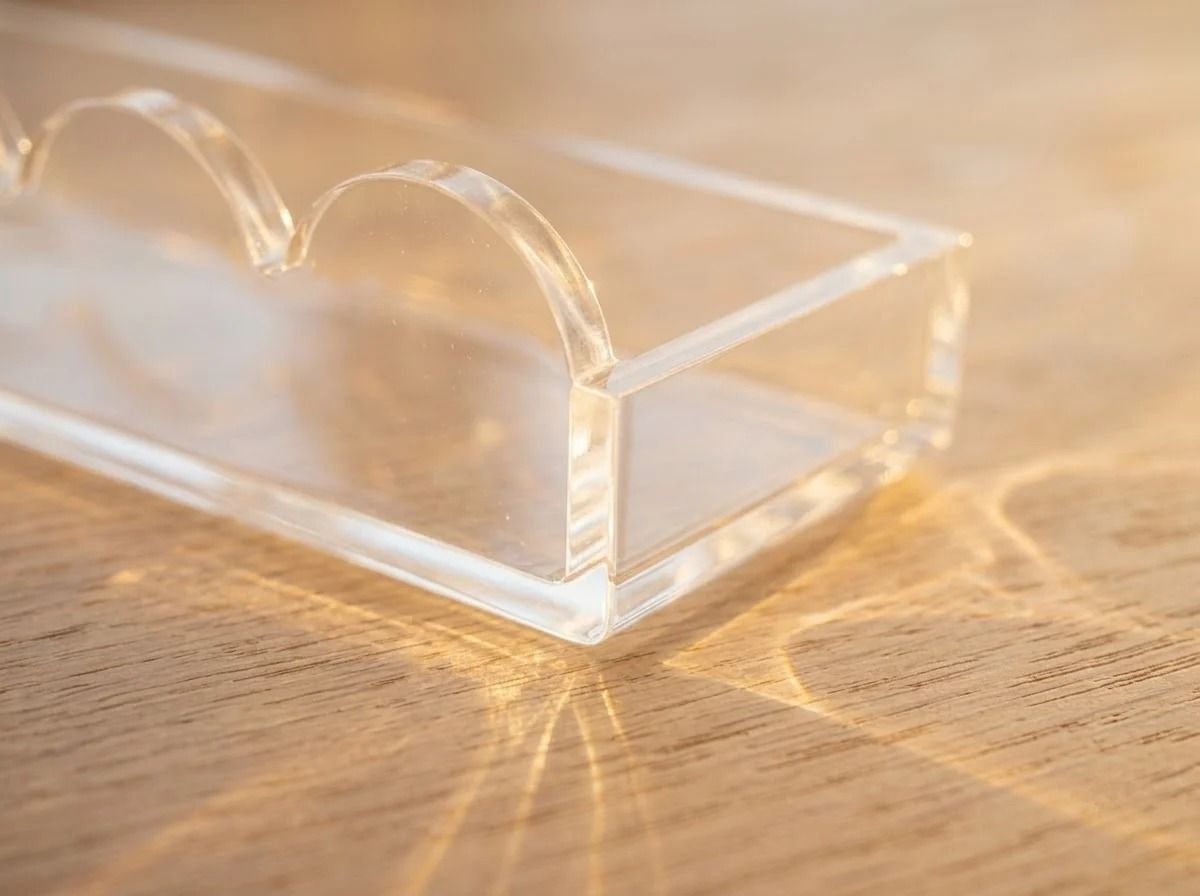
A pink mahjong rack is a tile holder designed to display your hand while you play—typically made from acrylic, bamboo, or wood, sized for 13–14 tiles in American play. Pink options range from soft pastels to vibrant fuchsia, either engraved with decorative patterns or solid-colored. They hold tiles upright so you can see all your pieces without lifting them, and most come with a matching pusher (a small stick to slide tiles into place without knocking them over). Racks work best for players who prefer a tidy table, want to protect tiles from accidental drops, and enjoy coordinated aesthetics with their set. Mahstead offers acrylic racks in various colors, including pink shades, with or without custom engraving, designed to pair with American 160-tile sets. Cost typically varies by material and customization. Avoid racks that are too shallow (tiles slip out) or too tall (they block your view of opponents).
Why do players choose pink racks over other colors?
Pink racks appeal to players who want personality without distraction—softer than red, warmer than neutral wood, and distinctive enough to identify your hand at a glance when seated with three others. Many groups with multi-generational players appreciate that pink doesn't read as "beginner-only" or cutesy; it's simply a color choice, like any other. A few players choose pink to match a set's accent tiles or to create a cohesive table aesthetic with engraved designs, dragon motifs, or seasonal themes. The psychology is simple: you spend hours looking at your rack; you might as well enjoy it.
What materials are best for pink mahjong racks?
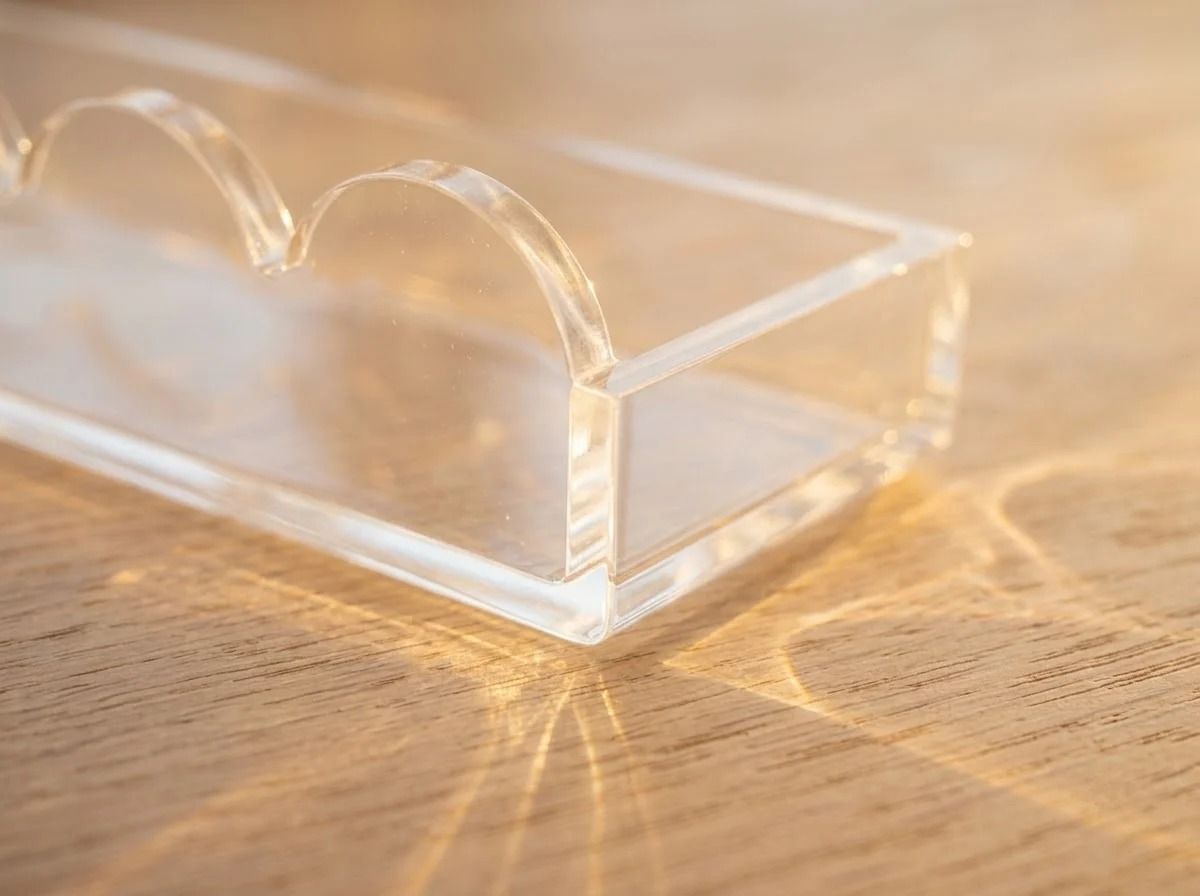
Acrylic is lightweight, durable, and holds color evenly across pink shades—it resists moisture from humid game rooms and doesn't warp like wood can over time. Acrylic racks let light pass through, so tiles are easier to read in dim lighting. Bamboo or wood offer a natural aesthetic and feel warmer in hand, but they require occasional oiling and can stain or lighten unevenly if wet. Wood racks are heavier and take up more table space. Composite materials (resin-blended acrylic) are becoming more common and offer durability between wood and pure acrylic. For durability and consistent color over five years or more of weekly play, acrylic in pink is the practical choice—and that's what Mahstead focuses on for the mahjong racks with pushers collection.
How do you match a pink rack to your mahjong set?
Start by checking your set's dominant colors—tile faces often feature red Craks, green Bams, or gold accents. A pastel pink rack pairs well with sets that have lighter, more decorative tile art; a deeper rose or fuchsia complements darker wood-grain sets or bold gold lettering. If your set includes engraved designs (flowers, animals, or custom text), an engraved pink rack in the same style creates visual unity. The pusher matters too: a matching pink pusher looks intentional, while a contrasting color (black, white, or natural wood) can work as an accent. Our team hosts weekly games with mixed sets—some players rotate three racks across their season, matching a different set each week. The key is consistency: if your rack, mat, and bag are all thoughtfully chosen, the table feels curated, not random.
Rack Type | Best For | Color Hold | Maintenance | Why It Works |
Acrylic, solid pink | Weekly players, humid rooms | Excellent (5+ years) | Wipe with damp cloth | No warping, light-friendly, affordable |
Engraved acrylic, pink | Set matching, gift givers | Excellent, etched detail | Same as above | Personalization + durability |
Bamboo, natural finish | Aesthetic preference, low-play groups | Fades, may stain | Oil monthly | Warm feel, heavier presence |
Wood, pink stain | Collectors, climate-controlled rooms | Fair (may fade unevenly) | Sand & re-stain annually | Luxury appearance, higher maintenance |
🀄 Shop best-selling mahjong sets →
What size and depth do pink racks need to hold your tiles safely?
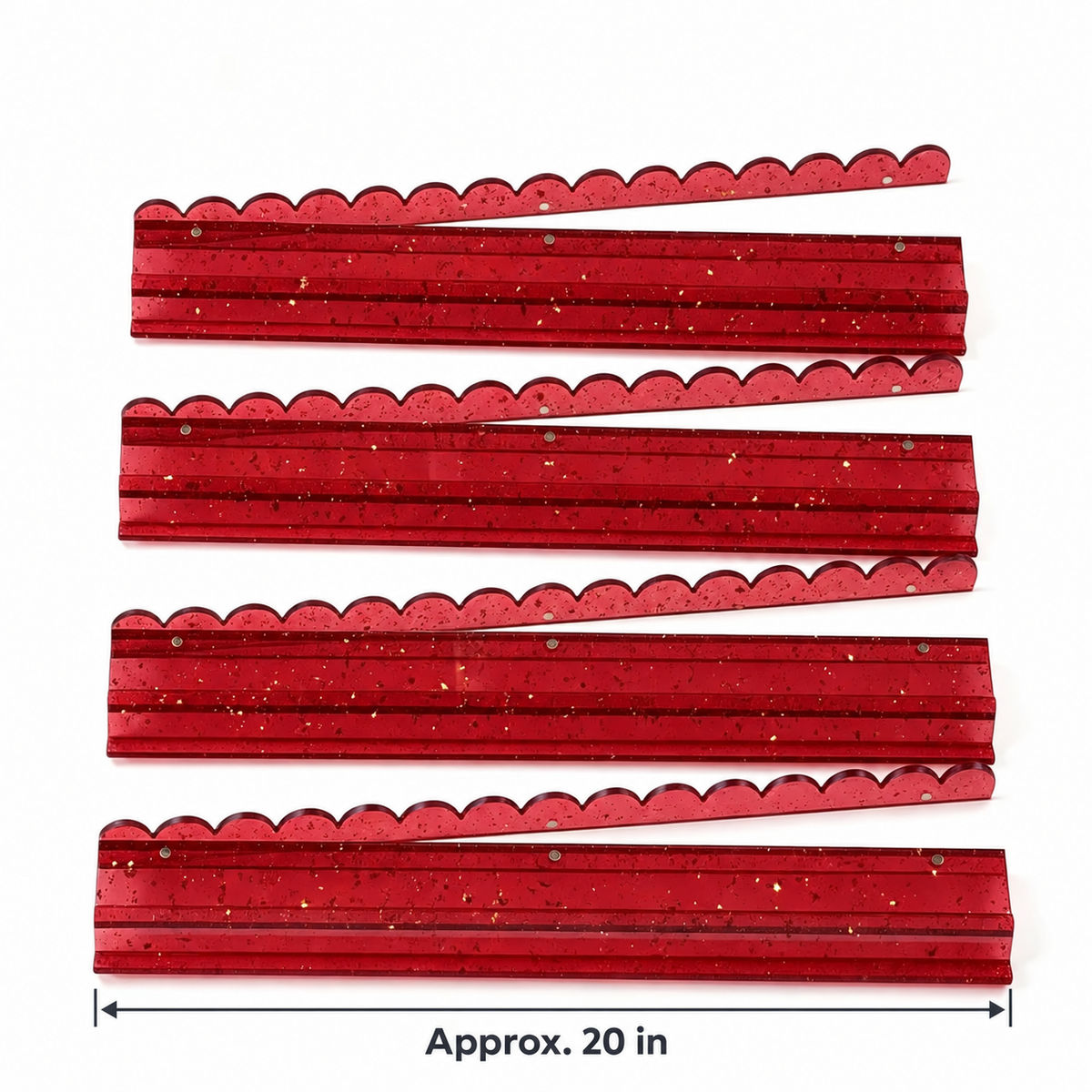
American mahjong players hold 13 tiles during regular play, plus one drawn per turn (14 total at any moment). A rack must be at least 14 tile-widths long and deep enough that tiles stand upright without tilting forward or backward—typically 1.5 to 2.5 inches deep. Racks that are too shallow cause tiles to slip out when you lean forward or nudge them during the Charleston (the pre-game tile-passing ritual). Too deep and your hand is hidden from your own view. Test a rack by standing a few tiles in it: they should feel stable without being jammed. Acrylic racks, because they're rigid, maintain consistent depth; softer materials can warp over time and become unreliable. If you play in a tight space or travel frequently, a slimmer rack (around 1.5 inches deep) is easier to pack. If your table has room and you like to spread out, a deeper rack (2+ inches) is more forgiving of bumps.
How do pink racks and pushers work together during play?
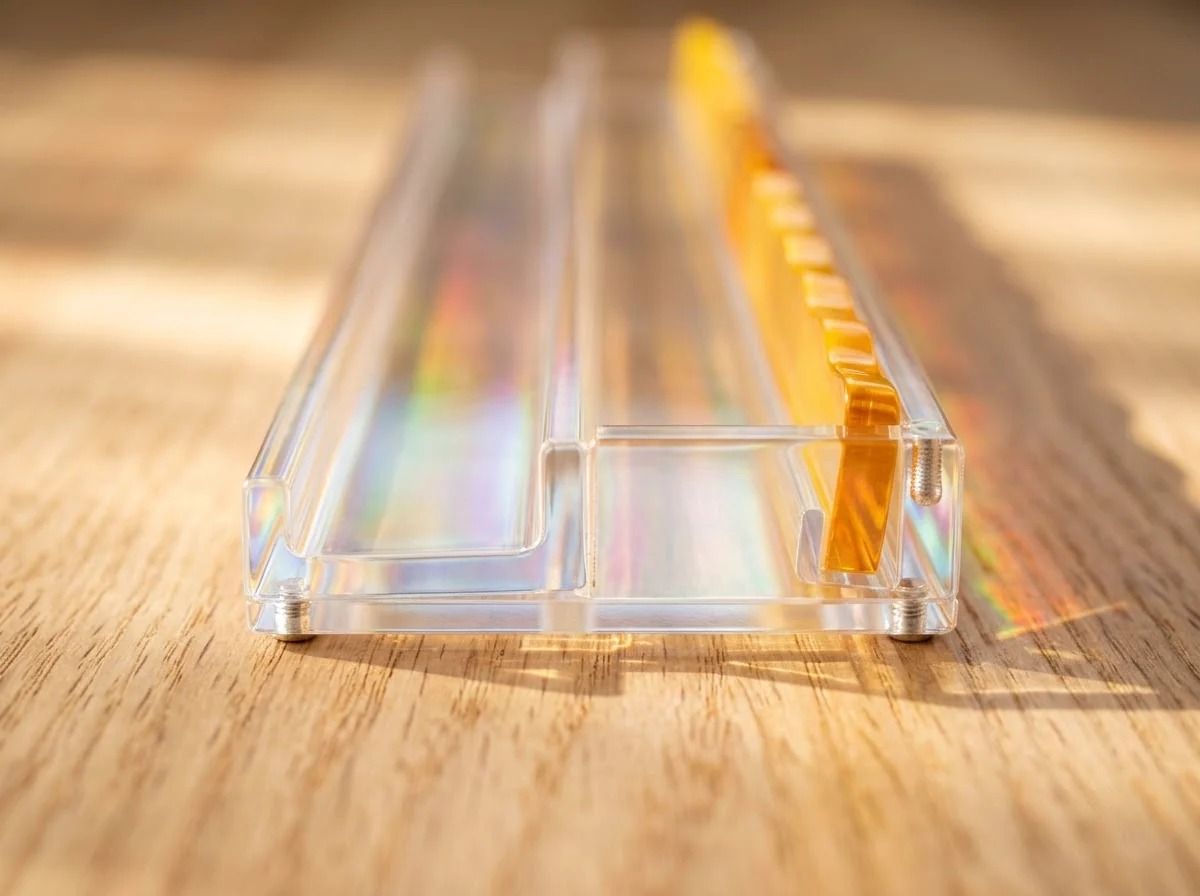
A pusher is a slim stick—usually 3 to 4 inches long, made from acrylic, bone, or bamboo—that slides tiles into the rack from the side or end without bending your fingers or tipping them over. When you pick up a tile from the wall or table, you place it in the pusher slot at the rack's edge, then gently push it in to make room for the next tile. Pink pushers matching your pink rack create a unified tool set. Pushers prevent the repetitive hand strain of individually placing 100+ tiles across a session and reduce accidental tile flicks that can scatter a neighbor's hand. Many casual players skip pushers, but if you host weekly games or play in tournaments, a good pusher becomes indispensable. The rhythm of pushing tiles—rather than hand-placing them—also speeds up play and keeps the table calm. Mahstead's racks with pushers are pre-paired, so the fit and balance are tested together.
🎁 See our most-loved mahjong sets & accessories →
What should you check before ordering a pink rack?
Rack depth and stability: Confirm the rack can hold 14 tiles without tiles leaning or slipping; request or review photos if buying online. Pusher fit: The pusher should slide smoothly into the rack's tile slot without forcing or excessive play (loose joints wear fast). Color accuracy: Pink varies widely online—pale blush, peachy pink, and true magenta all read differently on screens. If color is critical to your set matching, ask for a swatch or close-up photo before purchase. Shipping protection: Acrylic racks are light but fragile; confirm the seller pads them well and includes insurance if transit damage is a risk (Mahstead ships nationwide with free US shipping and protective packaging). Compatibility with your set: Measure one of your tiles (typically 1 inch wide) and confirm the rack slot is slightly wider (1.1–1.2 inches) for smooth, snag-free placement. Engraving quality (if custom): If you order an engraved pink rack, review the design proof before production—small details can blur or shift at scale. For a final checklist before checkout, write down your top three priorities (color, material, budget) and verify each against the product description.
✨ Find your Mahstead set — free US shipping →
To explore full options for coordinated play, browse our best-selling mahjong sets to find a set that calls for pink accessories, or visit engraved American mahjong sets if you want custom details across your entire table setup. If you're building out your first game kit, our mahjong mats and travel bags and cases also come in complementary finishes.
FAQ
Can I use a pink rack with any American mahjong set?
Yes. Racks are universal—all American tiles are the same size. Match the rack color and style to your set's aesthetic and your personal preference for a cohesive look.
Do I need a pusher, or can I place tiles by hand?
You can use your hand, but a pusher protects tiles from damage, reduces hand fatigue during long sessions, and looks more polished at the table—worth the small investment if you play weekly.
How do I clean a pink acrylic rack?
Wipe it with a soft, damp cloth and mild soap; dry immediately with a lint-free towel. Avoid harsh chemicals or abrasive scrubbers, which can dull the acrylic.
What's the difference between engraved and solid pink racks?
Engraved racks have designs etched into the acrylic (flowers, dragons, initials) that create texture and personalization; solid racks are smooth and plain. Both are equally durable.
Should I store my pink rack in a bag or case?
Yes, if you travel. Our mahjong bags and cases protect racks from dust and scratches; otherwise, store in a cool, dry place away from direct sunlight to prevent color fading over years.
Is a pink rack more expensive than other colors?
Color does not significantly affect price; material and customization (engraving) do. See current price on the product page for exact comparisons.


View More
View More
View More
