
Retro Mahjong Racks: Vintage Styles & Modern Pushers
Last updated: Nov 23, 2026
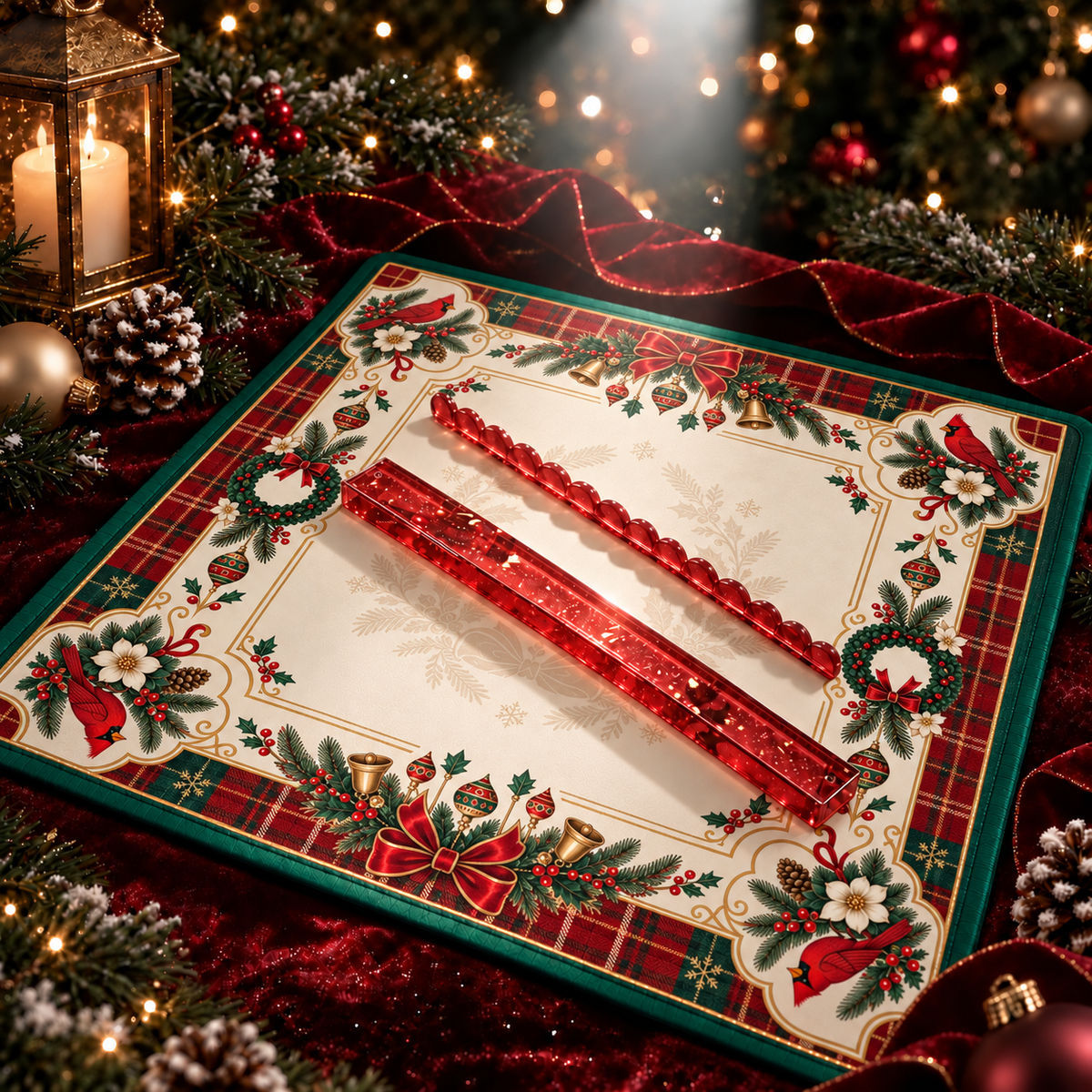
Retro mahjong racks blend mid-century aesthetics with functional tile management. Available in wood and acrylic finishes that evoke 1950s–1970s game rooms, they hold complete tile sets and pair with pushers to slide tiles smoothly without tipping. Sizes typically accommodate 152 tiles comfortably—two racks per player in a four-handed game. Retro designs range from bamboo-finish wood to lighter acrylic with period detailing. Quality matters: better-made racks use joinery that won't crack after years of weekly play, and pushers should move freely without wobbling. Mahstead offers acrylic and engraved options in our mahjong racks collection—durable alternatives to vintage finds, with free shipping. Choose based on your table size, whether you want matching engraved personalization, and how often you host games. 🀄 Shop best-selling mahjong sets →
What style fits a retro look?
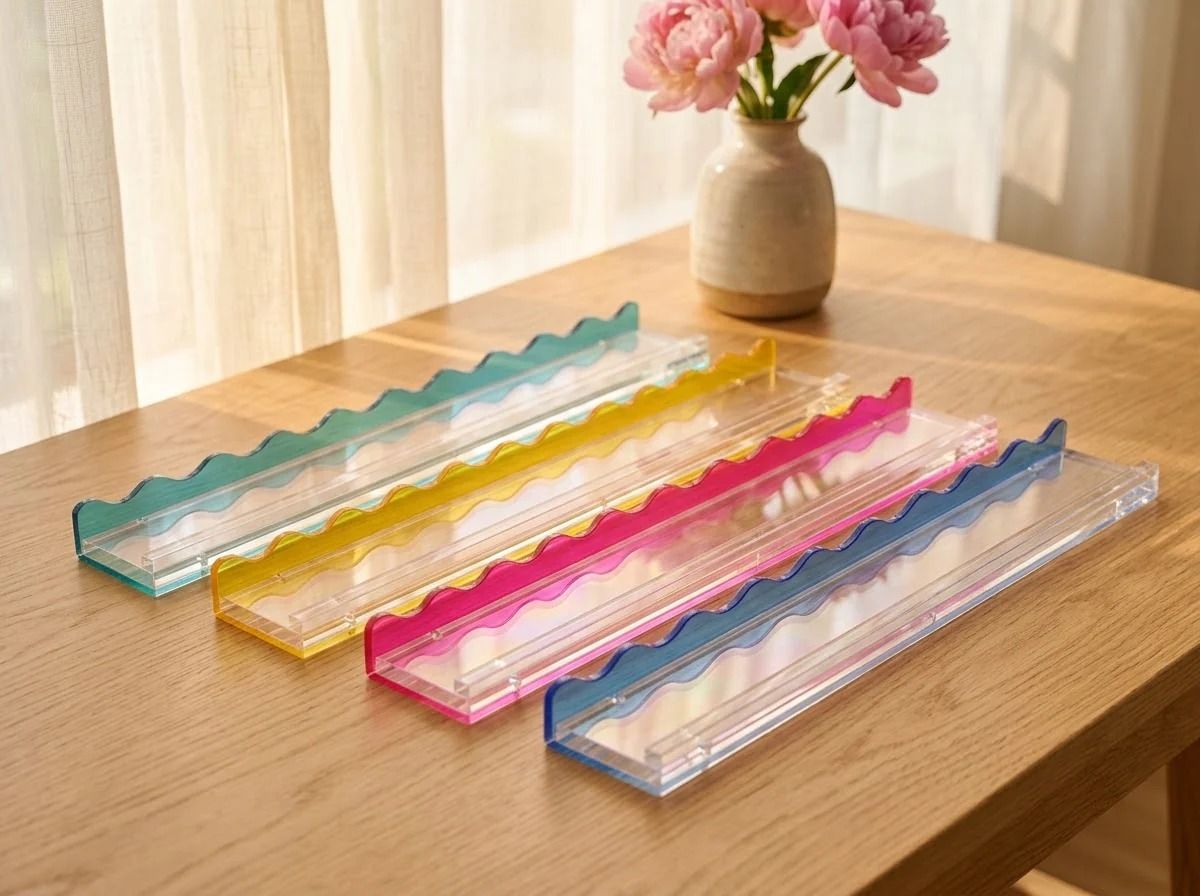
Retro racks come in two main aesthetic directions: warm wood finishes (bamboo, walnut stain, light oak) evoke 1950s–60s home game rooms, while light-colored acrylic or bone-tone designs reference 1970s minimalist décor. Wood racks often feature simple turned legs or tapered corners; acrylic retro styles use frosted finishes and rounded edges. Pick wood if you want tactile warmth and don't mind occasional maintenance (dust, polish); choose acrylic if you prefer modern durability masked in a vintage silhouette. Most players hosting regular games prefer acrylic for ease—no surface warping from humid Dallas summers or spilled tea.
How do pushers work with retro racks?
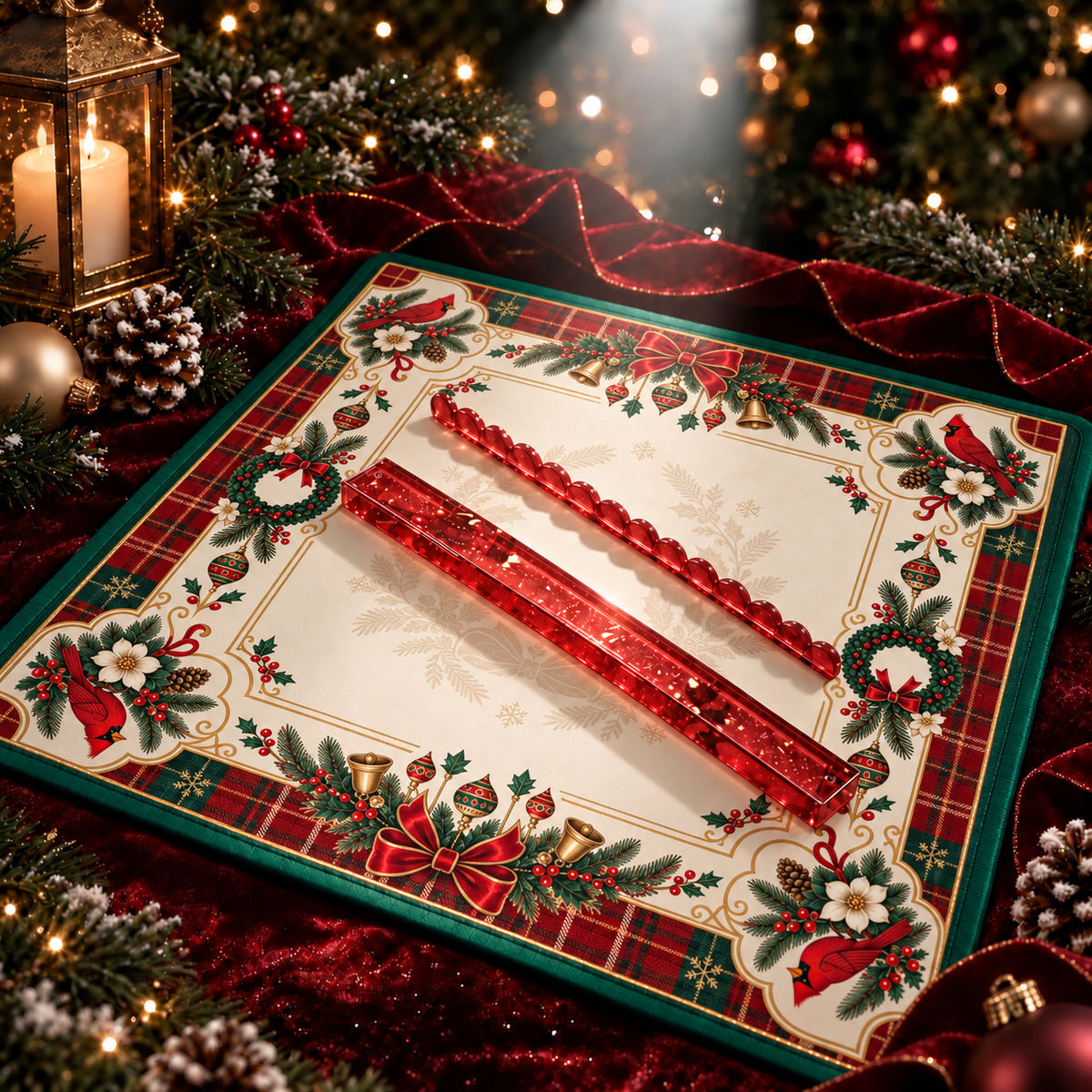
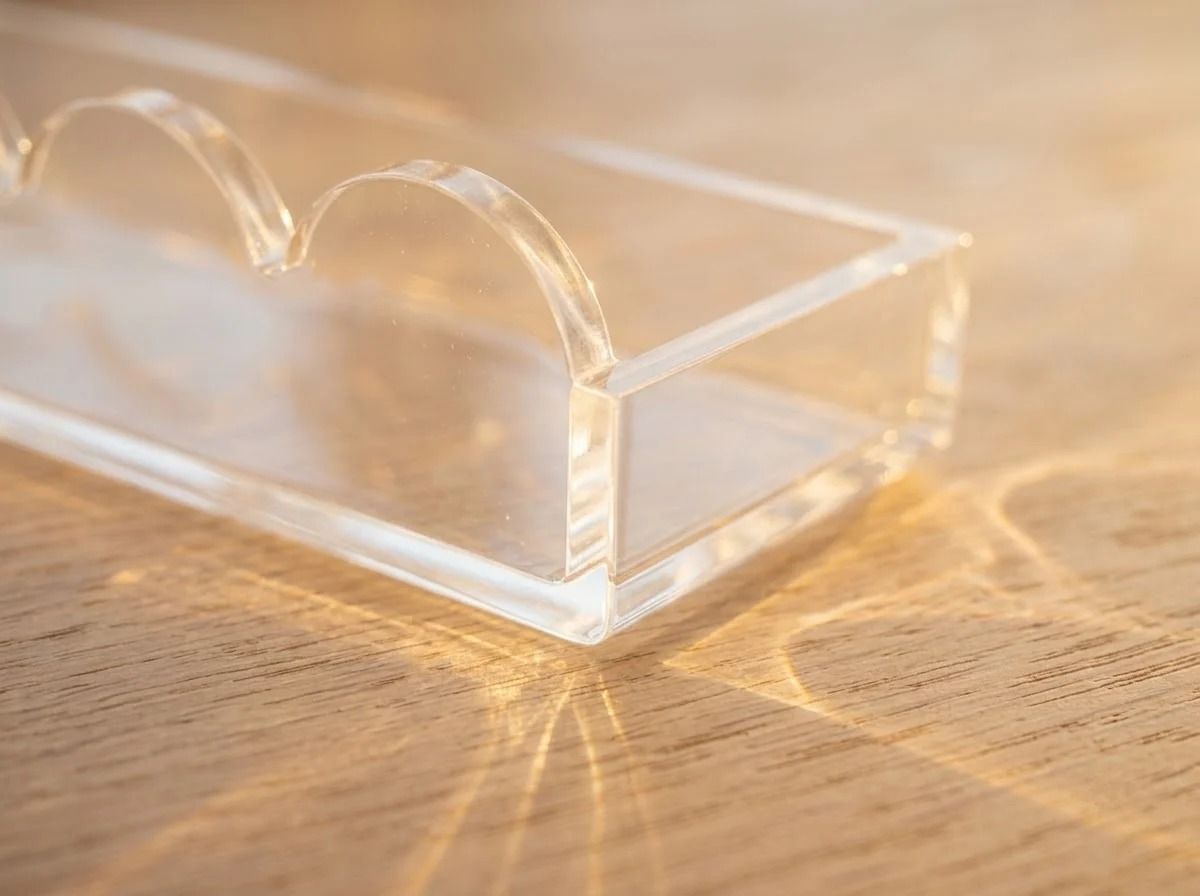
A pusher is a thin, flat tool that slides under tile edges, letting you nudge tiles up the rack without lifting them—critical for keeping your hand hidden from opponents. Retro racks have a sloped playing surface; the pusher rides that slope. Modern pushers are often recessed into the rack itself or snap into grooves, so they don't fall loose. Vintage-style racks may include pushers that rest separately on the table beside the rack, so check the product details: integrated pushers mean less fumbling, loose ones mean one more thing to track. Test fit pushers before committing—they should glide without grinding.
What sizes do retro racks come in?
Most American mahjong racks measure 6–8 inches wide and 2–3 inches deep, holding a single player's 34-tile hand plus two exposed sets (a pung or kong). A pair of racks per player—one for hand, one for melds—is the standard setup at a four-handed table. Total table space for four players with racks: roughly a 3.5 × 3.5 foot area, assuming you also add a mahjong mat and the dealer's supply wall. If your game room is tight, measure your actual table before ordering; oversized racks may crowd the space. Retro designs don't always come in XL versions, so compact players may need to choose between nostalgic aesthetics and full-size comfort.
🎁 See our most-loved mahjong sets & accessories →
How durable are acrylic vs. wood retro racks?
Acrylic racks are harder to break—they don't splinter, warp, or stain easily, and they'll survive decades of weekly games without refinishing. Wood racks feel premium but require care: hot liquids can damage stain, humidity can cause warping, and repeated bumping may loosen joints. For a busy hosting household, acrylic retro designs (frosted finishes, bone tones, or engraved details) deliver longevity without maintenance. We've seen acrylic racks in play groups for 10+ years; wood racks are beautiful but need a gentler home. Consider your table traffic and climate—Dallas humidity favors acrylic.
What's the real difference between vintage finds and new retro designs?
Authentic vintage racks (from estate sales or online marketplaces) have character—hand-carved details, rare wood, unique finishes—but you're gambling on hidden damage: loose joints, stripped grooves where pushers slide, or missing pushers altogether. Reproduction retro designs from Mahstead are engineered for modern tile dimensions (American 160-tile sets, acrylic tiles, standard pushers), tested for fit, and consistent. Vintage = one-of-a-kind story; new retro = reliability, warranty, free US shipping, and predictable sizing. Budget 50–100% more for authentic vintage if you find it and it's sound; new retro racks cost less and won't disappoint at game night.
How to compare: retro wood vs. acrylic retro vs. modern functional
Style | Who it's for | Durability | Maintenance | Best for |
Retro wood | Collectors, high-end rooms | 5–8 years with care | Regular dust, annual polish | Occasional games, display |
Acrylic retro (frosted, engraved) | Weekly players, humid climates | 10+ years | Wipe clean only | Regular hosting, families |
Modern minimal (non-retro) | Speed players, tournaments | 10+ years | Wipe clean only | Competitive, travel-friendly |
Choose acrylic retro if you want both nostalgia and reliability; wood if you're willing to care for a statement piece; modern if function trumps aesthetics.
✨ Find your Mahstead set — free US shipping →
Why pushers matter for a retro setup
A rack without a good pusher forces you to lift tiles—slow, risky, and awkward at the table. Retro racks shine when pushers are integral or well-made: the whole ritual of drawing, organizing, and melding becomes smooth. Pushers should be lightweight plastic or light wood, not metal (which can chip tiles), and should slide without binding. If you buy a retro rack, inspect the pusher separately or confirm it's included and reviewed. A worn or broken pusher turns an elegant rack into a frustration—replace it quickly if it sticks.
What to check before you buy a retro mahjong rack
Pusher fit: Confirm the pusher is included, moves freely, and fits your tiles (acrylic vs. bone, tile thickness varies slightly).
Tile capacity: Verify it holds 34+ tiles comfortably; a rack that's too tight damages tile edges.
Table fit: Measure your game table width; two racks per player need roughly 16–18 inches total.
Finish: Acrylic = no maintenance; wood = ask about sealing and polish recommendations.
Engraving options: If you host weekly games, personalized engraving (names, dates, or game themes) makes racks memorable—check Mahstead's engraved mahjong titles collection for matching personalization.
Joker handling: Ensure racks don't warp jokers or crack tile edges; test on a sample if possible.
We recommend browsing the mahjong racks with pushers collection to compare finishes, sizes, and integrated vs. separate pushers side by side. Pair racks with a quality mahjong mat to complete your retro table setup—mats protect surfaces and anchor the aesthetic.
FAQ
Can I use a retro rack with a modern American mahjong set?
Yes. American sets are standardized—a retro rack from any reputable maker will fit 152 acrylic tiles and modern pushers. Confirm tile thickness matches the pusher slot.
Do retro wood racks need special storage?
Yes. Store away from direct sunlight, heat, and humidity swings to prevent warping and stain fading. Acrylic retro racks are storage-proof.
What if my pusher is loose or missing?
Contact the maker for a replacement pusher—most racks accept standard pushers. A loose pusher usually indicates worn grooves; that may signal the rack needs checking for other damage.
Are vintage racks from flea markets safe?
Inspect for cracks in corners, test pusher movement, and confirm no splinters. Vintage racks are charming but require an honest assessment—don't assume it's playable.
How much does a retro rack cost vs. a modern one?
Retro and modern racks are often the same price; check Mahstead's mahjong racks collection for current pricing. Authentic vintage racks at markets vary widely.
Can I engrave a retro wood rack?
Acrylic retro designs from Mahstead accept engraving beautifully. Wood racks are harder to engrave cleanly; confirm with the maker first.


View More
View More
View More
