
Resin vs. Jade Mahjong Tiles: Which Should You Buy?
Last updated: Nov 23, 2026
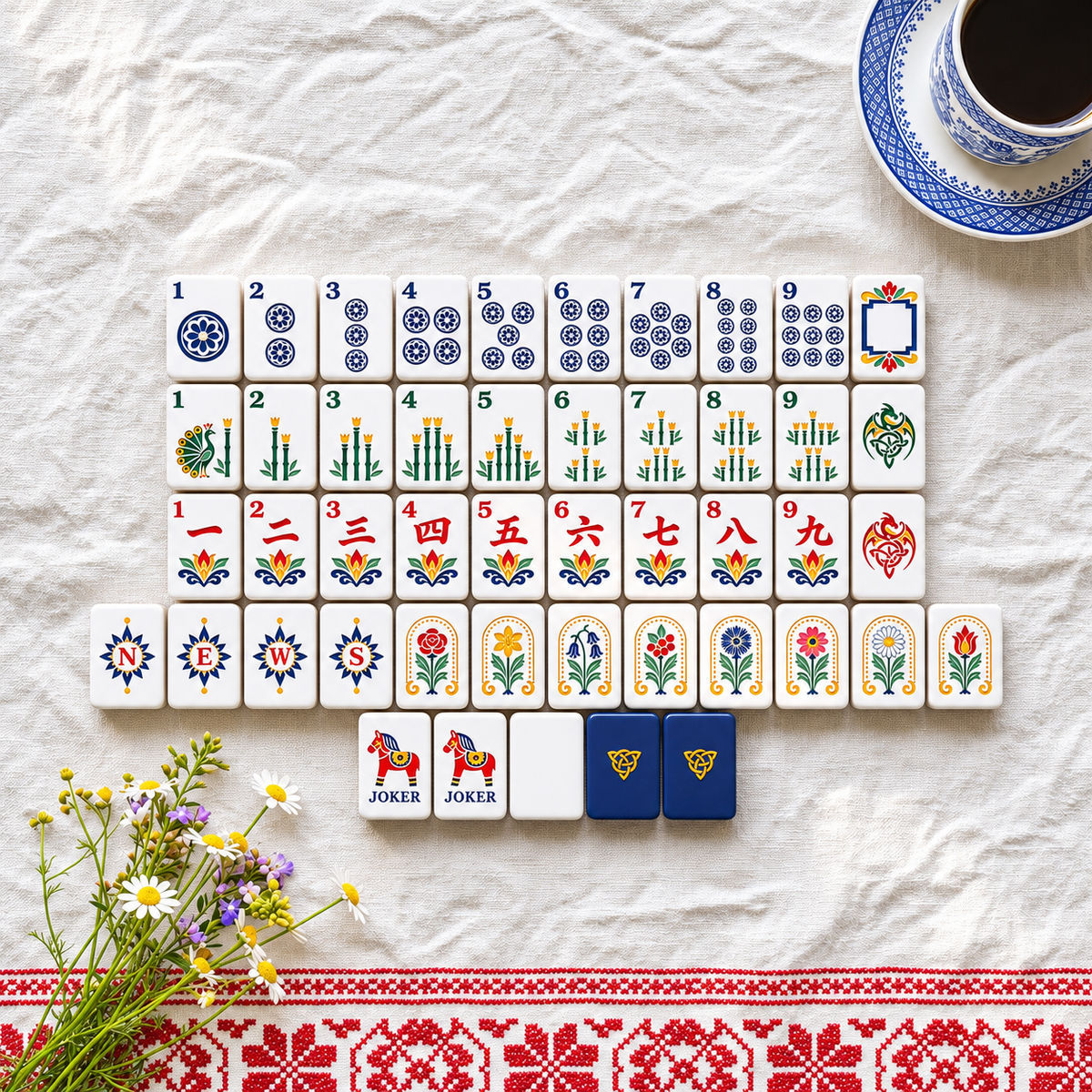
Resin tiles (acrylic or polycarbonate) are lightweight, durable, affordable, and ideal for weekly players who want a set that travels and lasts. Jade tiles are heavier, more expensive, and prized for their tactile weight and prestige—but they chip more easily and demand careful storage. Both come in American-standard 152-tile configurations. Resin wins if you host regularly or move your set; jade wins if you prize tradition and have a dedicated table. Mahstead designs acrylic resin sets with custom engraving and free US shipping, making them the practical choice for most home groups.
What exactly is the difference between the materials?
Resin tiles are injection-molded acrylic or polycarbonate, uniform in weight and thickness. Jade tiles are carved from nephrite or other stone, each slightly hand-finished. Resin is engineered to be consistent; jade is artisanal and variable. Resin tiles typically weigh 8–10 grams each; jade tiles weigh 12–16 grams, so a full game feels noticeably heavier in your hand. The surface finish differs too: resin can be printed, engraved, or inlaid with smooth detail; jade is usually hand-painted or carved, giving it a matte, organic look. Both materials hold numbers and suits visibly, but they age and wear in opposite ways.

Which tiles last longer in a weekly home game?
Resin tiles outlast jade in active play by years. Acrylic resists chipping and cracking from regular shuffling, stacking, and transport; it also forgives spills and temperature swings. Jade is brittle—a dropped corner or a hard shuffle across a wooden table can fracture or splinter an edge. If you host every Thursday, shuffle tiles by hand twice per game, and pack your set into a bag between sessions, resin will look and feel identical after 200+ games. Jade may show cosmetic damage or loose paint after 50 games if handled the same way. Jade suits a permanent home table where it sits untouched between plays.
How much do resin and jade sets typically cost?
Jade sets generally cost 30–50% more than resin sets at equivalent quality levels. Entry-level resin sets from our best-selling mahjong sets collection fit most home budgets; mid-range jade sets command premium pricing due to hand-carving labor and material sourcing. Luxury jade sets (hand-polished, rare stone) can cost 2–3× resin. Custom engraved resin sets remain affordable because the production method scales, whereas custom jade carving adds significant cost per order. For a group of four buying a shared set, resin typically costs less than jade; for a solo player who treats the set as heirloom-grade, jade may feel justified. See current price on the product page for any specific design.
🀄 Shop best-selling mahjong sets →

What does each material feel like in actual play?
Resin tiles feel smooth, slightly slick, and light—they slide cleanly across a mat and stack neatly when you draw. The weight is predictable; your hand adjusts instantly. Jade tiles feel dense and warm; they produce a distinctive click when you set them on a hard surface, and many players describe this sound as part of the ritual. Because jade is heavier, it takes longer to build racks and can tire your wrist during long shuffles. Some players love jade's tactile presence; others find it fatiguing. Resin is faster and more forgiving if you're new to the game or have wrist sensitivity. Both work perfectly for the official American Mahjong ruleset—the material doesn't change which hands are legal or how scoring works.
Should you choose based on how often you play?
Yes. Frequency and portability are the biggest deciding factors.
Your situation | Best choice | Why |
Weekly home game, shared set | Resin | Durable, survives shuffling & travel, holds custom engravings |
Occasional play, multiple hosts | Resin | Lightweight, easy to transport in a bag, forgiving of wear |
Permanent table, played 1–2× monthly | Jade | Prestige, aesthetic pleasure, minimal transport stress |
Tournament or club play | Resin | Must withstand intensive shuffling, frequent handling, storage in tight spaces |
Gifting to a serious collector | Jade | Heirloom quality, traditional prestige, less common than resin |
New to mahjong, learning | Resin | Affordable entry point, no guilt if you spill or drop them |
The winning choice depends on your game schedule, storage space, and budget—not on which material is "better" in isolation.
✨ Find your Mahstead set — free US shipping →
What should you check before ordering?
Before you commit, ask yourself these questions:
Where will the set live? If it sits in a climate-controlled display case, jade's finish won't degrade. If it moves in and out of a car or a bag, resin is safer.
Who shuffles? Hard shufflers and children are tough on jade. Gentle, experienced hands can keep jade flawless.
Can you see the tiles clearly? Both materials can be engraved or painted, but resin accepts custom lettering more consistently. Check product photos to confirm contrast between tile background and symbol.
Does the set come with a mat and racks? A dedicated mahjong mat and racks with pushers protect tiles during play and reduce casual damage—especially important for jade.
Is there a return or replacement policy? Resin tiles from established makers rarely arrive chipped; jade tiles sometimes show minor cosmetic flaws because carving is hand-done. Know the maker's stance before you buy.
Do you need to engrave names or dates? Resin engraves beautifully and doesn't fade; jade engraving is trickier and can blur if hand-painted over. Our engraved American mahjong sets come standard in resin for this reason.
If you host a regular group, travel with your tiles, or want a set that looks fresh after years of play, resin is the logical pick. If you play slowly, carefully, and rarely, and you prize the experience and heft of traditional stone, jade is worth the investment.
🎁 See our most-loved mahjong sets & accessories →

FAQ
Can I mix resin and jade tiles in the same game?
No. The weight difference will throw off shuffling and stacking. Use one material per set, period.
Do resin tiles scratch visibly?
Lightly. Minor scratches from shuffling are normal and don't affect readability. Deep gouges are rare unless tiles hit concrete or a sharp corner repeatedly.
Is jade always hand-carved?
Most jade is, but some mass-produced jade tiles are semi-carved and hand-painted. Read the product description to confirm. Hand-carved tiles cost more and show unique variation.
Which material is easier to clean?
Resin. Wipe with a damp cloth; it won't absorb water. Jade can absorb moisture if it has a matte finish, so dry it immediately after cleaning.
Can I use a mat and racks with either material?
Yes. A good mahjong mat and racks with pushers work with both resin and jade, and they extend tile life by reducing drops and protecting edges during draws and melds.
Do resin tiles feel cheap?
Not if they're well-made. Quality acrylic resin tiles feel solid, click cleanly, and stack smoothly. Cheap resin feels hollow or sticky; that's a sign of low material grade, not the material itself.


View More
View More
View More
