
Recycled Mahjong Tiles: What to Know Before You Buy
Last updated: Nov 23, 2026
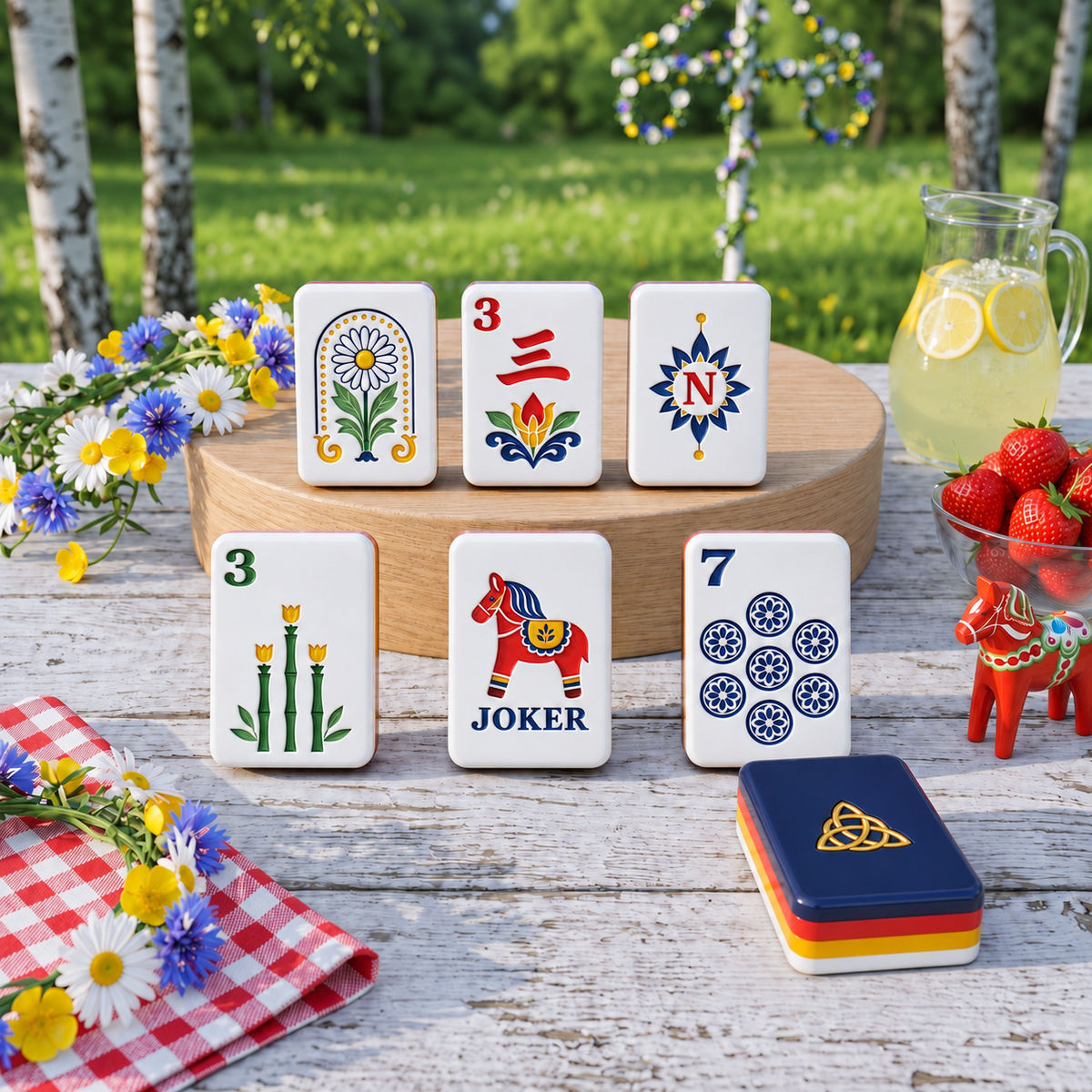
Recycled mahjong tiles are manufactured from post-consumer or post-industrial acrylic scrap, reprocessed and molded into the standard American 160-tile set format. They're sold by specialty retailers including ourselves, typically at price points comparable to virgin-acrylic sets; see current options on the product page. The appeal is environmental: less virgin plastic, reduced energy in production. The reality check: recycled tiles perform identically to standard acrylic in shuffle, stack, and play—what matters is thickness, weight, and engraving clarity, not the plastic's origin. Durability depends on manufacturing precision, not material age. We've seen both recycled and new acrylic sets last years of weekly play, and we've seen both chip if dropped or stored poorly. The honest trade: you're not sacrificing playability, but you're also not buying guaranteed longevity—you're buying a choice that aligns with your values. Inspect tiles before play and store in a protective case to protect any set's lifespan. 🎁 See our most-loved mahjong sets & accessories →
Are recycled mahjong tiles as durable as new ones?
Durability is determined by molding quality, thickness, and tile finish—not whether the acrylic started as scrap. A well-made recycled tile will outlast a poorly made virgin-acrylic tile. What matters: check the engraving depth (shallow engraving fades faster), tile weight (lighter tiles chip more easily), and whether the manufacturer tests batches. Store any set in a hard case to prevent warping and edge damage. Environmental origin is irrelevant to a tile's lifespan.

What's the real environmental benefit of recycled tiles?
Recycled acrylic diverts plastic from landfills and requires less virgin crude oil extraction. Energy savings vary by production method—some manufacturers recycle efficiently; others use more energy than virgin production would. Before purchasing, ask whether the maker can quantify carbon savings or material-sourcing practices. Don't assume "recycled" means zero environmental cost; look for transparency about sourcing and manufacturing. Genuine benefit comes from sets that use post-consumer scrap—avoid marketing that simply says "eco" without specifics.
How do recycled tiles feel in hand compared to standard tiles?
If manufactured to the same thickness and weight, recycled and virgin-acrylic tiles feel identical. Weight, clack, and stack are controlled by design and molding precision, not plastic source. A 160-tile set plays the same whether the acrylic is virgin or recycled. The difference you might notice: color saturation or clarity of engravings, which depends on dye integration and engraver calibration, not material age. Test a set before committing to weekly play if you're sensitive to visual aesthetics.
What should I check before ordering recycled tiles online?
Before you buy, verify: tile thickness (measure in millimeters if available), weight per tile, engraving depth and legibility in photos, and whether the case is included. Ask the seller about quality-control testing and whether they accept returns if tiles arrive with defects or flaking. Check shipping method—recycled acrylic can be brittle if reprocessing wasn't rigorous, so fragile packing is a red flag. Request a sample or photo under light to assess color consistency. Confirm the set includes all 152 playing tiles plus eight jokers.
🀄 Shop best-selling mahjong sets →
How do I compare recycled tile options when shopping?
Use this decision matrix to narrow your choices:
Feature | Who It's For | What to Check | Deal-Breaker? |
Recycled acrylic, 160-tile set, standard case | New players, weekly casual games | Engraving clarity, weight feel, return policy | Illegible engravings or case damage |
Recycled tiles, custom engraving available | Groups wanting personalized sets for gifts | Lead time, design upload process, price | Hidden setup or shipping fees |
Recycled set with carrying bag | Tournament players, frequent travelers | Bag durability, waterproof lining, tile protection | Bag tears or allows tile shifting |
Mixed virgin + recycled tiles (if offered) | Budget-conscious players | Transparency about which tiles are recycled | Seller won't disclose material breakdown |
Most weekly game groups don't care whether tiles are recycled if the set plays smoothly. Prioritize weight, engraving depth, and case quality over material origin unless environmental values are your primary driver.

What are the hidden costs of recycled mahjong sets?
Recycled tiles sometimes cost more than virgin acrylic because reprocessing and testing add labor. Some sellers mark up "eco" sets without transparent pricing. Watch for: shipping charges listed separately (we include free US shipping, so compare total cost), "restocking fees" if you return defective tiles, or mandatory upgrades to premium cases. Recycled doesn't automatically mean cheaper—price fairly against standard American mahjong sets with similar weight, case, and thickness. Ask the retailer directly: "What am I paying extra for, and what's included?"
✨ Find your Mahstead set — free US shipping →
Storage and care: Does material type matter?
Recycled acrylic is not more fragile, but it's not indestructible either. Store any set upright in a hard case, away from direct sunlight (which fades dye) and heat (which can warp acrylic). Avoid leaving tiles in a humid basement or a hot car. If you live in a humid climate, store silica packs inside the case to prevent moisture buildup. Material origin doesn't change this advice—proper storage protects your investment regardless of whether acrylic is recycled or new.
🀄 Shop best-selling mahjong sets →
One more real consideration: Resale value
Recycled sets hold resale value the same way virgin-acrylic sets do—based on condition, weight, and engraving quality, not material sourcing. If you're buying with the thought that you might sell later, focus on timeless design, heavy tiles, and a protective case. Personalized or novelty engravings may lower resale appeal. Buy for the game itself, not for exit strategy.
What to check before you buy
Tile thickness: 2mm or thicker is standard for American mahjong.
Engraving legibility: Look at close-up photos; shallow engravings fade.
Weight per tile: Heavier (typically 5–6 grams) feels better and shuffles more controllably.
Case condition: Hard-shell case essential for storage and travel protection.
Seller transparency: Can they explain sourcing and quality testing?
Return policy: What happens if tiles arrive cracked or engravings are illegible?
Shipping protection: Are tiles packed to survive US delivery?
Total cost: Add case, shipping, and any fees; compare against other options at our mahjong titles collection.
We've hosted hundreds of games with sets from various manufacturers. What we know: recycled tiles play just as well as new ones if the maker invested in quality control. The decision is yours—choose based on weight, case durability, and whether the environmental sourcing story matches your values. Don't buy recycled solely for eco-marketing; buy it because the tiles themselves are solid and the maker is honest about their process.

FAQ
Can I mix recycled and virgin-acrylic tiles in one set?
Technically yes, but don't. Mixed sets feel inconsistent—different weights, stacking behavior, and durability timelines frustrate players mid-game. Stick with one material source per set.
Do recycled tiles scratch or cloud more easily?
No. Scratching and clouding depend on tile finish, polish process, and how you store them—not material source. Soft cases and improper shuffling cause wear, not the plastic's age.
How do I know if a seller is greenwashing with "recycled" claims?
Ask: What percentage of the acrylic is recycled? Where does it come from (post-consumer or post-industrial scrap)? Do they have third-party certification or material testing reports? Vague answers suggest marketing over substance.
Are recycled mahjong sets legal for tournament play?
American Mahjong League tournament rules require tiles to be a specific weight and size; material origin isn't regulated. Check with your local tournament or club—most accept any compliant set. Recycled or new doesn't matter as long as tiles meet specs.
What's the typical price difference between recycled and virgin-acrylic sets?
It varies widely and depends on brand, case, and engraving options, not just material. Some recycled sets cost more due to processing; others cost less. Compare sets by weight, case quality, and durability features rather than assuming price signals environmental value.
How long do recycled mahjong tiles typically last?
With proper storage and regular play, 5–10 years or longer. A poorly made virgin-acrylic set may fail sooner. Lifespan is about manufacturing, not recycling—care for any set equally and it will serve your group well.


View More
View More
View More
