
Play Hong Kong Mahjong Online: Rules, Platforms & Tips
Last updated: Nov 23, 2026
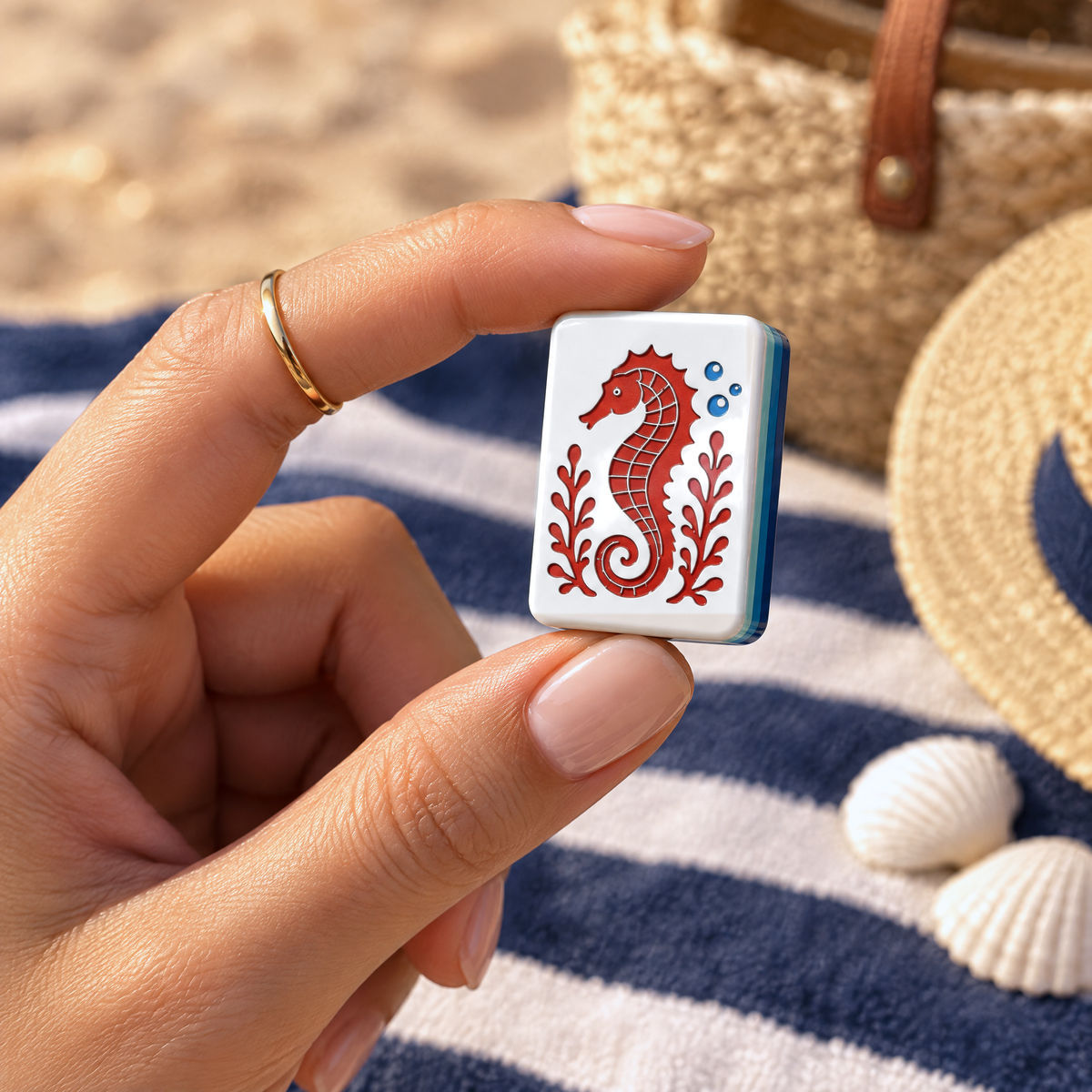
Hong Kong mahjong is played online via platforms like Mahjong Soul, Mahjong Master, and regional apps, each hosting live games 24/7. The 144-tile game uses Craks, Bams, and Dots (numbered 1–9), Winds, and Dragons—no flowers or jokers. Winning requires a hand of four melds (chows, pungs, or kongs) plus a pair; melds CAN include chows (sequences like 1-2-3), which players expose and call during play. Rounds last 15–30 minutes per wind. Online play costs nothing to join but some platforms offer paid tournaments. The biggest difference from American mahjong: HK mahjong has no special card, uses chows freely, and scores by point values rather than hand names. We host weekly games, and many players start online, then move to physical tiles with an acrylic set once they understand the rhythm. 🀄 Shop best-selling mahjong sets →
What platforms let you play Hong Kong mahjong live?
The main free-to-play apps are Mahjong Soul (browser and mobile), Mahjong Master (mobile), and regional platforms in Asian app stores. Mahjong Soul has the largest global audience; games are real-time, ranked, and offer casual or competitive lobbies. Most let you watch replays and view hand breakdowns. Setup takes five minutes. No download fees; optional cosmetics exist but aren't needed to play. Join a lobby, wait 30–60 seconds for three opponents, and play four rounds. Rounds run automatically; timers enforce 15–30 second move windows per player.

How do Hong Kong and American mahjong differ most?
American mahjong uses 152 tiles, a yearly hand card, and no sequences—only pungs (3 identical), kongs (4), and quints (5). Hong Kong mahjong uses 144 tiles, allows chows (sequences like 2–3–4 Dots), and requires a specific hand structure: four melds plus a pair. American hands are named (e.g., "2 Pungs, 1 Kong, 1 Quint, pair"); HK hands score by point math. American players draw and discard one tile per turn; HK players draw from the wall or claim discards via chow, pung, or kong—then discard a different tile. Jokers don't exist in HK mahjong. Most online platforms teach both, but the core experience is HK's fast chow-play versus American's slow strategic matching.
Can you learn Hong Kong mahjong rules in one session?
Yes, if you play three to five practice games online with beginners and rewatch tutorials. The core rules—form melds, build toward a pair, win when ready—take 20 minutes to grasp. The harder part is recognizing winning hands and learning point math, which takes two to four sessions. Start in Mahjong Soul's tutorial room; it walks you through tile draws, hand rankings, and claiming tiles. Many players play 10 casual games before switching to ranked. Online platforms reset each round, so mistakes don't penalize you—you learn as you go. Expect to feel slow in your first two sessions, then comfortable by session five.
What tiles and scoring matter most for beginners?
Focus on these four melds first: pung (three of the same tile, like three 5 Dots), chow (sequence, like 1–2–3 Bams), kong (four of the same), and the pair (two of the same). Every winning hand needs exactly four melds plus a pair. Scoring depends on melds' rarity—a pung of Green Dragons scores higher than a pung of 2 Dots because Greens are fewer. Winning by drawing your own tile is "self-drawn win" and doubles your score. Winning by calling an opponent's discard is "claimed win" and pays a fixed amount. Online platforms calculate points automatically; you don't need to memorize values. Study hand rankings only after you've played five games—pattern recognition matters more than math early on.
Should you play Hong Kong mahjong online before buying physical tiles?
Absolutely. Online play costs nothing, takes no space, and runs 24/7—perfect for testing if the game clicks for you. Play 10–20 games online first. If you love the speed and chow-calling rhythm, then buy a set to host in-person weekly games. Physical play feels different: you touch and arrange tiles, negotiate the Charleston (tile-passing ritual in American play), and read opponents' faces. Many of us started online, fell for the game, and switched to holding in-person nights with friends. If you find yourself playing daily, that's your signal to invest in acrylic tiles and a mat so you can host. Online is the test; physical tiles are the commitment.
Decision framework: Online vs. physical Hong Kong mahjong
Factor | Online | Physical (Acrylic Set) |
Setup time | 2 minutes | 10–15 minutes per round |
Player count | Instant worldwide matchmaking | 4 players (fixed), pre-arranged |
Learning speed | Fastest; no real penalties | Slower; social pressure; house rules vary |
Cost to start | Free | One-time acrylic set purchase |
Replayability | Infinite; same opponents or new | Weekly hosting ritual; same group bonds |
Rule enforcement | Automatic (platform enforces) | Manual (players agree on house rules) |
Best for | Testing interest, anytime play | Weekly ritual, friendship, memorabilia |
🎁 See our most-loved mahjong sets & accessories →
How do online platforms handle rule variants?
Mahjong Soul offers multiple rulesets: Hong Kong (Standard), Hong Kong Rapid (faster), and Taiwanese. Choose rulesets before joining a lobby. Each ruleset changes melds slightly—Taiwanese allows a "triplet honor" hand that Hong Kong Standard doesn't. Most beginners stick to Hong Kong Standard. Platforms enforce rules automatically: if you attempt an invalid move (like calling a chow out of order), the app blocks it. House rules (like "no chicken hand" or "must declare winning hand before drawing") don't apply online because the platform decides everything. When you move to physical play with acrylic tiles and friends, you'll negotiate house rules together—that's where flexibility happens.

What to check before you buy Hong Kong mahjong tiles
If online play becomes your weekly ritual and you want to host games:
Tile count: Hong Kong mahjong needs exactly 144 tiles. Most acrylic sets sold in the US are 160 or 152 tiles (designed for American play). Verify the tile count matches HK rules.
Tile design clarity: Numbered suits (Craks, Bams, Dots) must be legible; red and green Dragons must contrast clearly on your mat.
Mat size: A good mat fits four players comfortably and shows tile placement zones. Check dimensions before ordering.
Racks (optional but useful): Racks with pushers let players angle tiles forward, making hands easier to read—especially helpful for beginners.
For hosting HK mahjong with friends, consider engraved acrylic sets so each player recognizes their set at a glance. Acrylic tiles won't crack or stain like bone-and-bamboo, and free US shipping means no surprise checkout costs.
What's the fastest way to find online opponents?
Log into Mahjong Soul or Mahjong Master, select Hong Kong Standard, and pick a casual lobby. Most games fill in under a minute. If you want ranked play, start at the beginner rank; you'll face players in your skill band. Discord servers and Reddit's r/Mahjong also host online tournament groups and friendly match schedules. Search "Hong Kong mahjong Discord" or post in r/Mahjong asking for beginners' lobbies. Many players stream their games on Twitch under tags like #mahjong or #majsoul; watching streams teaches hand-reading faster than solo play.
✨ Find your Mahstead set — free US shipping →
Can you play Hong Kong mahjong with friends across time zones?
Yes. Asynchronous online play isn't standard, but live servers run around the clock. Schedule a specific time with friends, join the same lobby together, and play as a foursome. Most platforms store replay links so you can rewatch the game later. For true asynchronous play, a few Discord bots allow pass-and-wait turns over hours or days—search "Mahjong Discord bot"—but these are slower and less social than real-time. Real-time play at a set time feels more like in-person hosting and keeps the group energy high.
How scoring works in Hong Kong mahjong (beginner focus)
Each winning hand earns points based on how rare and hard the melds are. A self-drawn pung of 1 Dots scores less than a self-drawn pung of Green Dragons. The platform calculates total points; you pay or collect chips from other players based on who won and who discarded. Early on, treat scoring like a tiebreaker—your first goal is just to form a winning hand and call "mahjong." Once you've played 15 games, you'll start noticing which melds score best and build hands with higher values in mind. Online platforms let you tap any hand to see its point breakdown; use this feature liberally while learning.
Why start online but eventually switch to physical tiles?
Online is fast, social (text chat), and skill-building. But physical tiles bring ritual: the shuffle ritual, the draw ritual, the face-to-face reads. Weekly in-person games with the same four people at the same time create a loyalty and memory you can't replicate online. Holding and arranging tiles is tactile pleasure; tile-clicking isn't. If you play online two to three times weekly for six weeks and still enjoy it, buy a set for your group. You're investing in a social habit, not just a game.
🀄 Shop best-selling mahjong sets →

FAQ
Is Hong Kong mahjong harder than American mahjong?
No, just different. HK mahjong is faster and uses chows; American is slower and uses only pungs and special cards. HK scoring is math-based; American is hand-name-based. Most players find one or the other "clicks" by game five. Online platforms teach both—try both and stick with your preference.
Do I need to pay to play online?
No. All major platforms (Mahjong Soul, Mahjong Master) are free to join and play casually. Optional cosmetics or tournament entry fees exist but aren't required. Start free; pay only if you decide to enter ranked competitions.
How long does a Hong Kong mahjong game take?
One round (one player as dealer, typically 13–16 turns) takes 5–8 minutes online. A full game (four rounds) takes 20–30 minutes. Casual lobby games run back-to-back, so a 90-minute session means six to nine full games.
What's the difference between Mahjong Soul and Mahjong Master?
Mahjong Soul has a larger global community, prettier graphics, and more ruleset options. Mahjong Master is simpler and runs well on older phones. Both are free. Start with Mahjong Soul if you have a modern device; switch to Mahjong Master if your phone is older.
Can I play Hong Kong mahjong with three people?
Yes. Both online platforms and in-person games support three-player variants (remove some tiles, adjust hand sizes). Online lobbies usually default to four, so message the host or look for a "3P" tag. In-person, house rules apply.
What's a "chow" and why does it matter in Hong Kong play?
A chow is three consecutive tiles in one suit, like 3–4–5 Bams. In Hong Kong mahjong, you can call and expose a chow when an opponent discards the tile that completes it. American mahjong has no chows—only pungs and special melds from a yearly card. Chows make HK play faster and more interactive.
Do I need special software or a VPN to play online?
No. Mahjong Soul and Mahjong Master are available worldwide without a VPN. Some regional apps require a VPN or regional account; the main platforms don't. Simply download the app, create a free account, and join a lobby.


View More
View More
View More
