
Plastic Mahjong Tiles: Pros and Cons for Players
Last updated: Nov 23, 2026
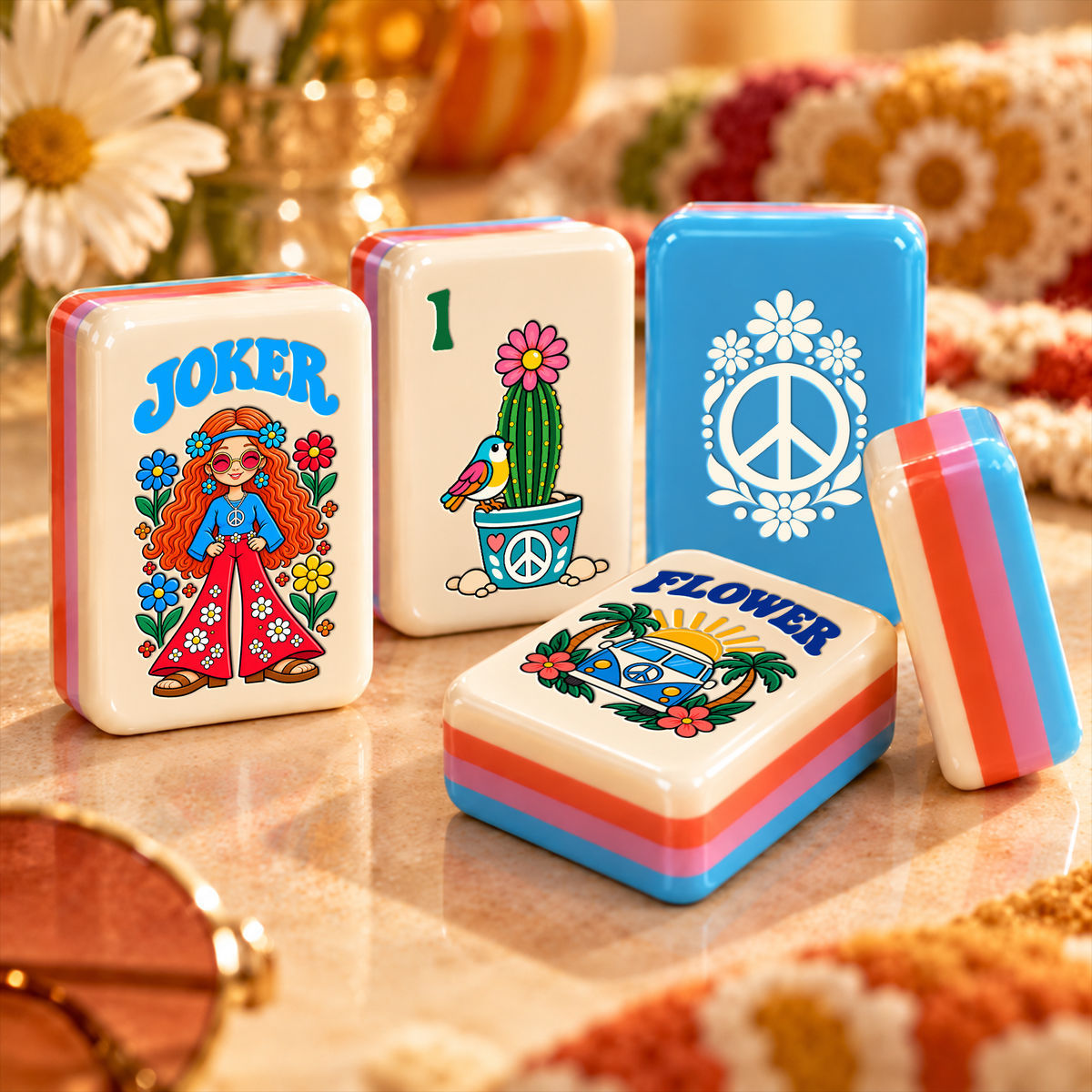
Plastic tiles are acrylic or composite resin cast into standard 152-tile American sets with 8 jokers. They're lighter than bone, louder when shuffled, less absorbent to oil and sweat, and cost less per set. The tradeoff: they lack the heft and quiet snick of premium bone or wood. Plastic suits fast-casual players, frequent travelers, and those who host weekly games in climates that damage organic materials. We favor acrylic sets from best-selling mahjong sets because they're crisp-engraved, stable in heat, and survive shuffles without crazing. They sound louder—which some players love—but feel less warm in hand after an hour. Budget from the current price list on the Mahstead site.
Plastic mahjong tiles are the workhorse of American mahjong. We've played thousands of hands with acrylic sets, and we know their strengths and limits intimately. Whether they're right for your game depends on how you play, where you play, and what you value in a tile.
Why do plastic tiles feel different in hand?
Acrylic is lighter and harder than bone, so tiles don't nest or settle as quickly in a rack. The hand feels "clicky" rather than smooth when you draw or discard. Plastic absorbs no oil, so your fingers don't warm them or grip them as easily—especially after a humid summer game. Bone develops a worn patina; acrylic stays uniform. That sameness feels either fresh or soulless, depending on your mood. The real difference: bone tiles develop micro-texture from shuffling; plastic stays slick. If you shuffle aggressively, you'll notice it within a season.

How loud are plastic tiles compared to bone?
Plastic tiles ring. When you shuffle a wall or draw from it, acrylic makes a crisp, almost musical clatter. Bone tiles produce a softer thud and settle more quietly. Mahjiang players in traditional settings often see loud plastic as disrespectful; American home players often love the sound—it adds energy. If you play in an apartment and neighbors share a wall, plastic might draw complaints. If you play at a dining table with a mahjong mat, the mat absorbs much of the noise. A mat also protects both plastic and bone from sliding off the table. Test noise by visiting a local venue where both tile types are in use before committing.
Will plastic tiles warp or fade in sunlight?
Acrylic is stable across most home climates—no warping from heat or humidity like bone can suffer. Engraved acrylic resists fading better than printed designs. We've left plastic sets in a Dallas garage (110°F summers) and they remained flat and clear. However, prolonged direct sunlight can slowly cloud acrylic if the resin wasn't UV-stabilized during casting. Bone tiles yellow gracefully; acrylic can turn milky or brittle if poorly formulated. Buy from makers who specify resin grade. Plastic's real advantage: it doesn't absorb moisture, so it won't swell in humid climates or warp if someone spills a drink. That's why we see plastic dominate in coastal and tropical regions. Store in a cool, dry drawer regardless—light and heat are enemies to both materials.
🀄 Shop best-selling mahjong sets →
Are plastic tiles easier to clean than bone?
Yes. Acrylic wipes clean with a damp cloth and mild soap—no special sealant needed. Bone absorbs sweat and oils, so it stains over time and requires conditioner to stay beautiful. Plastic is ideal if you host weekly games with rotating players or have kids who might spill juice. A quick wipe-down and your set looks new. Bone requires coaxing: players must wash hands before play, and owners typically condition the set every few months. If you value zero-maintenance, plastic wins decisively. Our best-selling mahjong sets need only a microfiber cloth and water to stay pristine after years of play.

What's the real cost difference, and is plastic worth it?
Plastic tiles cost significantly less than hand-carved bone or premium resin-cast sets. On the Mahstead price list, acrylic American mahjong sets are the entry point for new players. Bone sets (less common in American mahjong, more so in Chinese play) cost two to three times as much. Wood and stone are rarer and pricier still. For a weekly game, plastic amortizes quickly: you spend less upfront and it lasts 5–10 years with normal play before tile edges dull. Bone lasts longer but demands care. A comparison:
Tile Type | Durability | Warmth | Sound | Maintenance | Best For |
Acrylic (plastic) | 5–10 years, steady | Low | Loud, musical | Wipe clean | Casual, frequent play, travel |
Bone | 10–20 years, slow fade | High | Soft, muted | Oil, condition | Serious collectors, low-frequency play |
Resin composite | 7–12 years | Medium | Medium | Mild wipe | Middle ground |
Plastic's lower cost makes it the rational choice for beginners and busy hosts. Bone suits players who value ritual and aesthetics over convenience. Neither is "wrong"—it's your priority.
🎁 See our most-loved mahjong sets & accessories →
What common mistakes do new plastic-tile owners make?
Stacking tiles loosely on a hard surface. Acrylic tiles slide. Without a rack or mat, they tumble and crack corners. Invest in racks with pushers—they cradle tiles safely and let you draw smoothly.
Shuffling too hard or on rough surfaces. Plastic edges are tougher than bone but not immune to chipping. Shuffle on the mat, not the bare table. Never shuffle on concrete or wood furniture.
Mixing old and new tiles in one game. Older acrylic can yellow or cloud slightly, and newer tiles may be brighter. The inconsistency is distracting and can affect gameplay if players claim they can't read worn tiles. Retire a set cleanly or replace all tiles at once.
Assuming cheap plastic is the same as quality acrylic. Budget sets sometimes use thinner resin or poor engraving. After a few shuffles, characters fade or tiles feel slippery. Mahstead sets use thick, durable acrylic with crisp engraving that holds up. See the current product page for specifications.
Storing near heat or in a car trunk. Even stable acrylic can cloud or warp if left in a hot vehicle for hours. Keep sets indoors in a cool, dry drawer.
What to check before you buy:
Does the product page specify acrylic or resin type? (Good makers do.)
Are tiles thick enough to feel substantial? (Thin tiles feel cheap and crack easily.)
Is engraving crisp and deep, not printed? (Engraving lasts; printing fades.)
Does the set ship in a sturdy case or bag? (Loose tiles can shift and crack in transit.)
Are spare jokers or blanks included? (Mahstead includes spares—check the listing.)
What's the return policy if tiles arrive cracked? (Reputable sellers replace damaged tiles.)
✨ Find your Mahstead set — free US shipping →
Which plastic set should you buy—and when?
If you're starting out, a best-selling acrylic set is the right call. It's affordable, tough, and won't make you regret learning the game. If you host weekly games and need consistency, buy one set and stick with it—your hands will memorize the weight and feel. If you travel often, plastic beats bone: lighter, cheaper to replace if lost, and indifferent to airplane cabins or hotel humidity. If you gift a set to someone new, plastic signals "let's play now, not collect dust"—it removes the anxiety of damaging something precious. For serious collectors or once-yearly tournament players, bone or premium resin makes sense. We see most American mahjong players land on plastic because the barrier to regular play vanishes. You shuffle without fear. You wipe and go. You host Thursday nights without apology.
For engraved American mahjong sets, we favor acrylic because custom engraving on plastic stays crisp and readable for years—no fading from handling or oils. See current options on the Mahstead collection page.

FAQ
Will plastic tiles last as long as bone?
Plastic typically lasts 5–10 years with heavy play; bone lasts 10–20 if well-maintained. Plastic stays consistent throughout; bone develops patina. Both outlast casual players' needs—if you play weekly, plastic is plenty durable.
Do plastic tiles feel cheap or flimsy?
Quality acrylic feels solid and crisp, not cheap. Poor-quality plastic feels thin or hollow. Mahstead sets use thick acrylic that's indistinguishable from midrange resin. Weight matters: hold a tile—it should feel substantial, not like a checkerboard piece.
Can I mix plastic and bone tiles in one game?
Avoid it. Plastic and bone have different weights, sounds, and textures. Experienced players will notice the inconsistency immediately, and it complicates fair play. Use one tile type per set.
Are plastic tiles better for allergies than bone?
Yes. Bone can harbor dust and shed fibers; acrylic washes clean and doesn't absorb dust. If anyone at your table has dust sensitivity, plastic is safer and easier to keep hygienic.
How do I know if a plastic set is acrylic or cheap resin?
Ask the maker directly. Acrylic is specified on the product page; vague terms like "composite" or "resin" may hide poor quality. Mahstead lists material specifications. Quality acrylic costs more upfront but outlasts cheap resin by years.
Will a mat reduce the noise of plastic tiles?
Significantly. A good mat absorbs the sharp sound and also protects tiles from sliding and scratching. If noise concerns you, a mat and racks solve most of it—almost as quiet as bone on a cushioned surface.


View More
View More
View More
