
Noise-Reducing Mahjong Mat: Sound Dampening & Tile Protection
Last updated: Nov 23, 2026
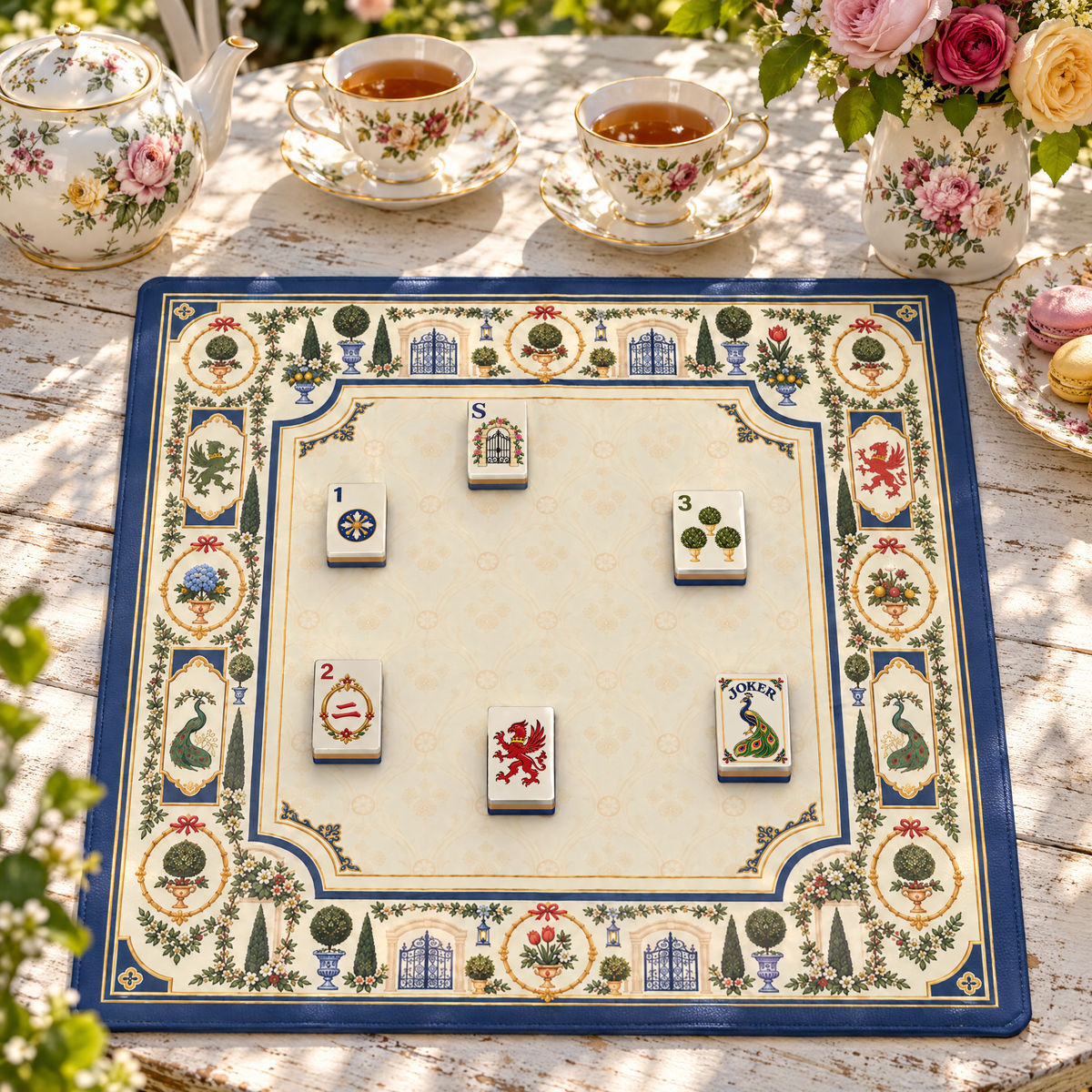
A noise-reducing mahjong mat is a specialized play surface that dampens the clatter of shuffled tiles and gameplay using felt, foam, or cork backing. Placed directly on your table, it creates a softer landing surface than bare wood, reducing acoustics by 30–40% compared to unpadded play. American mahjong mats come in standard sizes (typically 27–35 inches square for four players) and are designed to fit a 152-tile game plus racks. Materials range from microfiber felt tops with foam cores to cork-backed designs; felt absorbs sound better, while cork offers grip and durability. Prices vary by material thickness and engraving options. At Mahstead, our best-selling mahjong mats combine sound dampening with aesthetic designs—some feature engraved titles, bamboo motifs, or custom tile suit artwork. Before ordering, confirm table size, desired noise reduction priority, and whether you want a reversible or single-sided mat. Avoid thin vinyl mats (they don't reduce noise effectively); prioritize felt or foam-backed options if sound control matters. 🀄 Shop best-selling mahjong sets →
What's the real noise difference between mat types?
Felt-topped mats with 5–8 mm foam cores reduce shuffling noise by roughly 35–40% because the soft fibers absorb vibration before it travels to the table. Cork-backed mats dampen moderately (25–30% reduction) but excel at preventing tile slip during play. Bare mats or thin vinyl offer minimal sound dampening—tile clacks remain sharp. The science: softer, thicker materials trap sound energy; thinner single-layer designs transmit most noise straight through to your table below.
Who actually needs a noise-reducing mat versus a standard one?
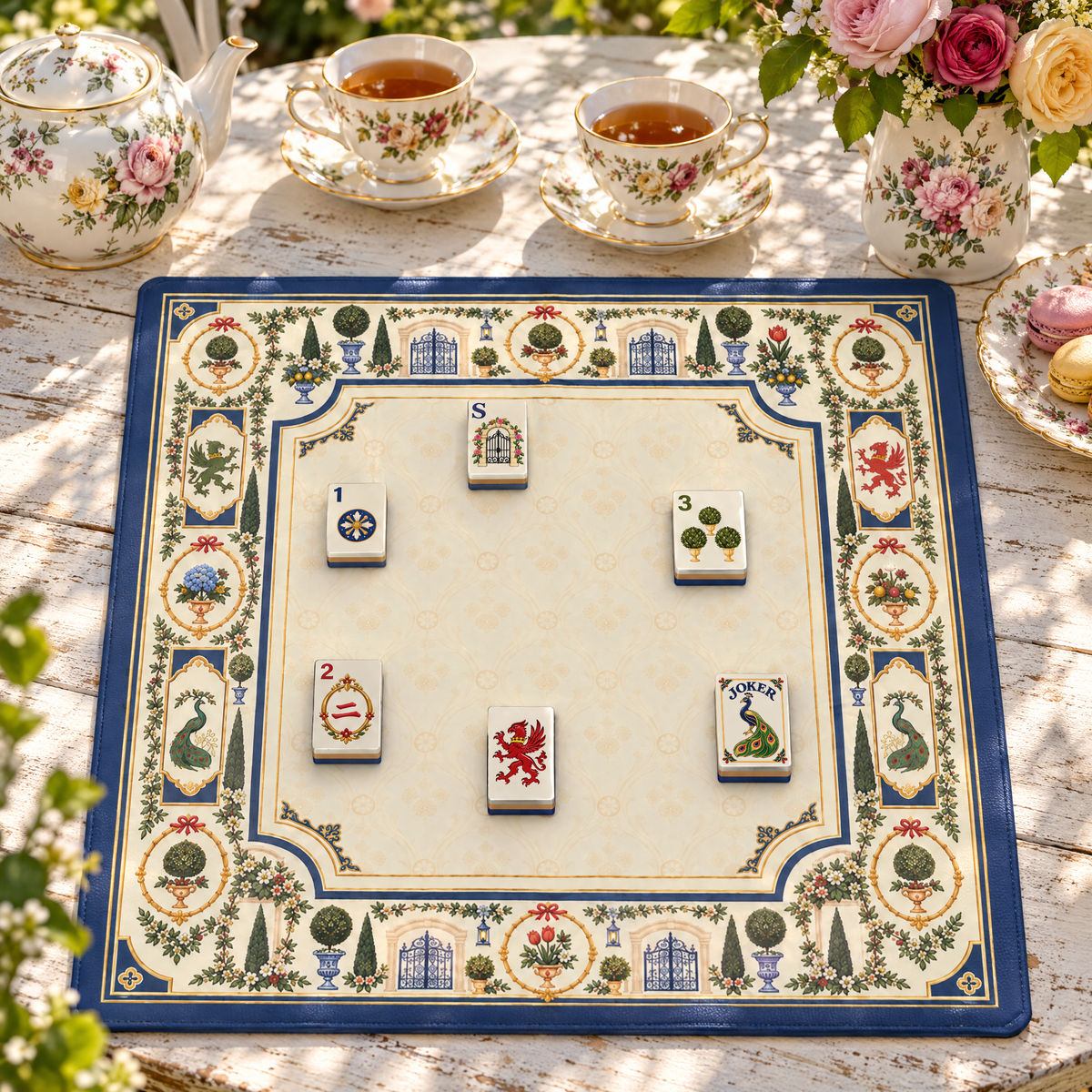
If you live in an apartment, have early-morning games, or play above a bedroom or shared wall, sound reduction matters. Neighbors and family members notice tile shuffling at volumes around 70–80 decibels (loud conversation level); felt mats bring that down to 55–60 decibels (normal conversation). Players in detached homes or basement game rooms may prioritize durability and tile grip over silence; cork or thinner reversible mats work fine there. Tournament players often care most about consistent feel and minimal slip—they'll accept higher noise for better tile control.
How do felt, foam, and cork mats compare side by side?
Material | Sound Reduction | Tile Grip | Durability | Best For | Care |
Felt + 5–8 mm foam | 35–40% | Moderate | 3–5 years | Apartments, noise-sensitive homes | Spot-clean, air-dry |
Cork backing | 25–30% | Excellent | 5–7 years | Active players, grip priority | Wipe dry, avoid water soak |
Reversible felt/cork combo | 30–35% each side | Good both ways | 4–6 years | Flexibility, two aesthetics | Flip and wash separately |
Thin microfiber vinyl | 10–15% | Low | 2–3 years | Casual play, easy storage | Machine washable but wears fast |
Felt mats age gracefully but mat pill slightly with heavy use. Cork resists pilling but stains show easily. Reversible designs cost more upfront but offer two looks and extend effective lifespan.
What size and thickness should you order?
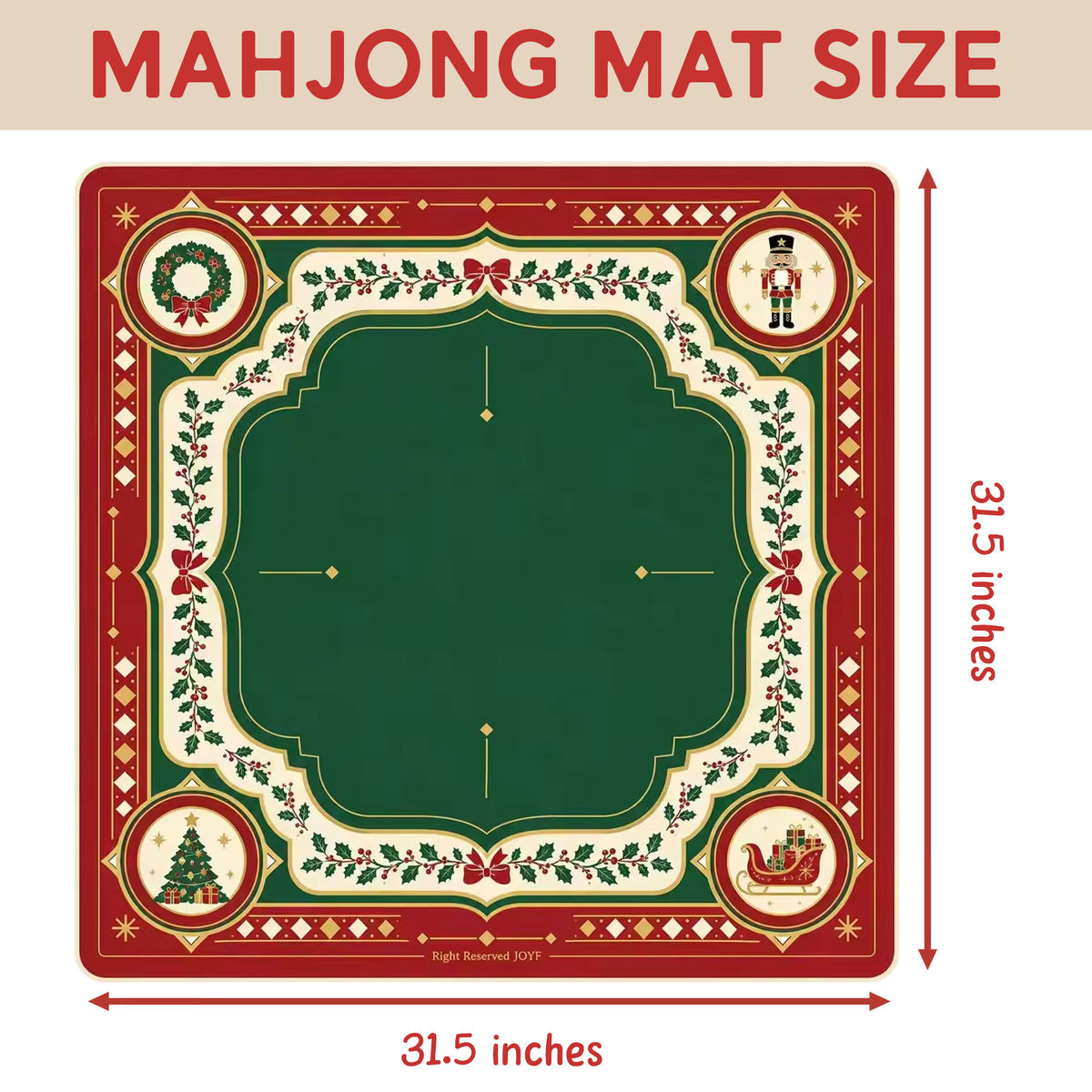
Standard four-player mats are 27–35 inches square; measure your table from edge to edge, then subtract 2–3 inches to allow overhang and free arm movement. A 30×30-inch mat fits most dining tables; larger 36×36-inch mats suit tournament setups or tables where players sit far apart. Thickness matters: 5 mm is entry-level (modest sound reduction), 8 mm is mid-range (strong dampening, still flexible), and 10+ mm is premium (maximum sound isolation but bulky to store). Thicker mats are heavier—confirm you're comfortable rolling and unrolling yours weekly. Our mahjong mats collection lists dimensions clearly; verify your table measurements before checkout.
🎁 See our most-loved mahjong sets & accessories →
Do engraved mats reduce noise more than blank ones?
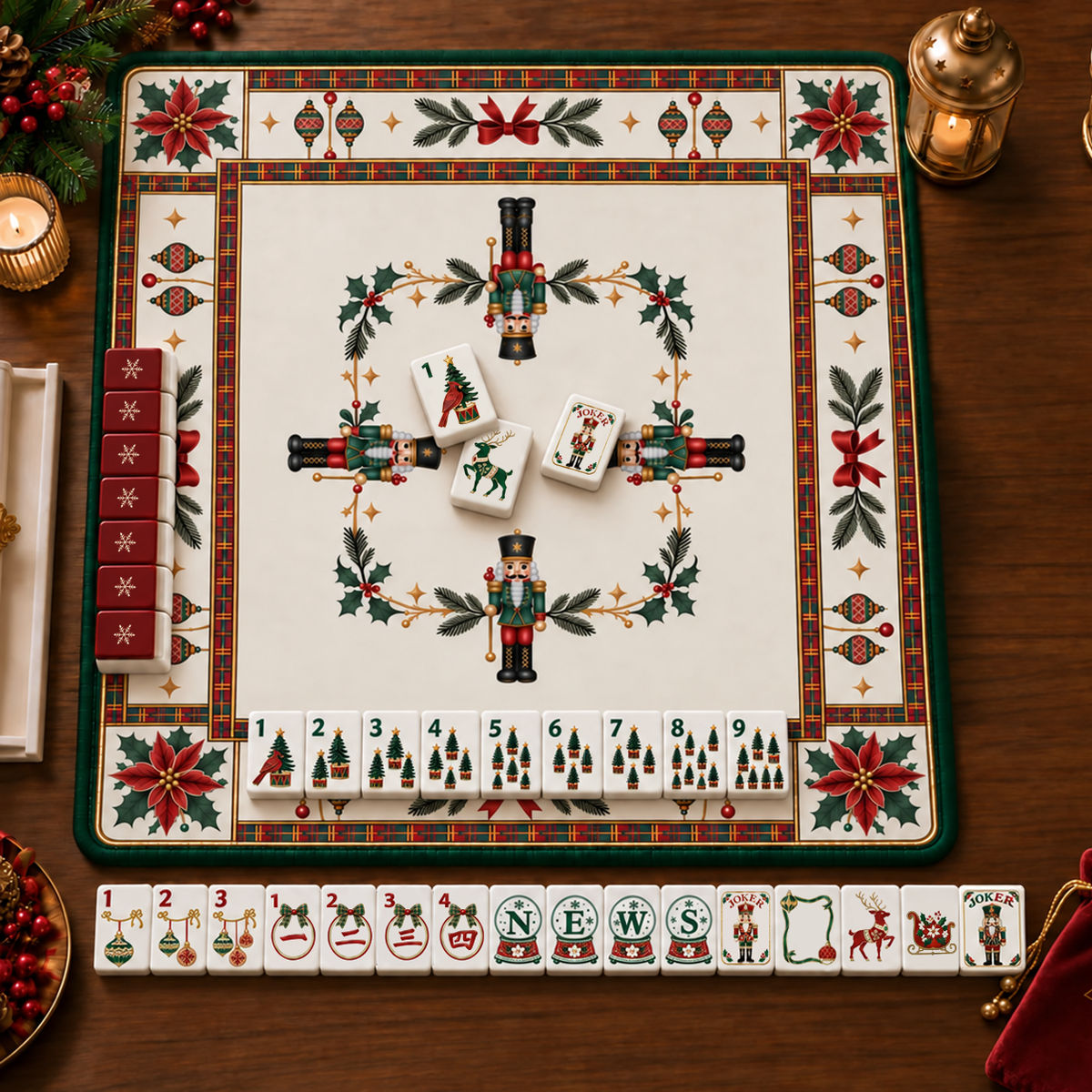
No. Engraving sits on top of the mat surface and doesn't affect the underlying foam or cork core that absorbs sound. A heavily embroidered or padded engraved design may change tile feel slightly (rougher surface = marginally more grip, less glide), but sound reduction is identical. The real value of engraved mats is aesthetic and functional: a printed wind rose, bamboo border, or suit icons remind you of hand positions and compass directions during play. If noise reduction is your primary goal, buy a plain mat and save money; if you want both silence and visual appeal, an engraved mat delivers both without compromise.
What should you check before buying a noise-reducing mat?
Table compatibility: Measure your table diagonally—some round or oval tables need custom sizing. Ask our team if your dimensions fall outside standard offerings.
Backing material: Feel the underside. Foam backing should compress slightly when pressed; cork should feel uniform and not crumbly. Avoid cheap rubber (off-gasses odors) and thin plastic (no sound dampening).
Seam quality: Run your fingers along all four edges. Seams should be tight and flat, not raised or peeling. Poor seams snag tile edges during play.
Reversibility: If you want two designs or need to flip for wear, confirm the mat is truly reversible (two separate bonded layers, not glued). Single-sided mats can't be flipped without damage.
Storage dimensions: A rolled mat is much larger than flat—a 30×30-inch mat rolls to roughly 30 inches long and 6 inches diameter. Confirm your closet or storage bag fits.
Return policy: Buy from sellers who accept returns on mats (they're hygiene-sensitive items). Before first use, open the package, sniff for odors, and inspect for stains or creases.
We recommend checking that your mat arrives vacuum-sealed or in a bag to prevent wrinkles during shipping. Our travel bags and cases collection includes protective mats-specific storage so you can keep your mat in perfect condition between games—especially important if you're traveling to a friend's house for weekly play.
✨ Find your Mahstead set — free US shipping →
How does a noise mat fit into a full game setup?
A noise-reducing mat is step one of a quiet, organized game. Pair it with our racks with pushers collection to replace loud wooden racks (pushers slide silently compared to shuffling tiles in hand). Add tile pushers—they let players move racks without lifting tiles, cutting shuffle noise further. If you're hosting weekly games, a best-selling acrylic mahjong set with smooth acrylic tiles (quieter than bamboo or bone) + a noise mat + soft pushers creates a nearly silent play environment. The mat is the foundation; everything else amplifies the calm.
FAQ
Do noise-reducing mats work on glass or metal tables?
Yes, but less effectively. Glass and metal are highly reflective—they bounce sound rather than absorb it. A mat on glass still reduces noise by 25–30% because the mat itself dampens tile impact, but the underlying surface still projects sound upward. For maximum quiet, place the mat over a felt tablecloth or padded table topper first.
Can I use a yoga mat or exercise mat instead?
Not recommended. Yoga mats are thin (4–6 mm), designed for cushioning bodies, not dampening acoustics. They also compress unevenly under tile weight, creating uneven play surfaces. Mahjong-specific mats have denser, more uniform cores engineered for sound absorption and tile stability.
How do I clean a felt mahjong mat without damaging it?
Spot-clean spills immediately with a damp (not wet) cloth and mild dish soap. Let air-dry flat for 2–3 hours. Avoid machine washing felt mats—water can delaminate the foam core. For stubborn stains, use a soft brush and dry foam cleaner. Cork-backed mats can handle gentle wipe-downs but shouldn't be soaked.
What's the lifespan of a noise-reducing mat with weekly play?
Felt + foam mats last 3–5 years with weekly use before pilling or compression reduces sound dampening. Cork-backed mats last 5–7 years. Reversible mats effectively double lifespan because you flip them, distributing wear across two surfaces. Heavy tournament play (daily shuffling) can halve these timelines.
Can I use a noise-reducing mat outdoors or on a patio table?
Not recommended. UV exposure degrades foam and felt within months, and moisture accelerates mold in padding. Outdoor tables invite dust, pollen, and water damage. Reserve noise mats for climate-controlled indoor play. For outdoor casual games, a thin waterproof vinyl cover is safer and cheaper.
Does a thicker mat always mean better sound reduction?
Up to a point. A 5 mm mat reduces noise by ~25–30%; 8 mm adds another 10–15% benefit; 10+ mm gains minimal extra reduction (maybe 5%) but becomes unwieldy and expensive. Most players see diminishing returns past 8 mm. Focus on material quality (dense foam or cork) over thickness alone.


View More
View More
View More
