
New Year's Eve Mahjong Cookies: Edible Gifts for Your Game Night
Last updated: Nov 23, 2026
Mahjong cookies are decorated sugar cookies or shortbread shaped like tiles—typically cut into squares or stamped with tile symbols—and served as a festive touch during New Year's Eve game nights. Most players make them at home using standard cookie cutters or templates, though a few bakeries in larger cities can custom-order them. A typical batch takes 30–45 minutes from dough to decoration, yields 20–40 cookies depending on size, and can be stored in an airtight container for up to five days. They're usually frosted in white or cream, then piped or hand-painted with acrylic food markers to show Bam, Crak, or Dot symbols, winds, or dragons. Cost depends on your ingredients; homemade runs less than store-bought. Skip overly thick icing that cracks when stacked, and avoid edible glitter that migrates; instead, use gel food coloring mixed into white buttercream for clean detail. Pair them with best-selling mahjong sets that match your decor—acrylic sets photograph beautifully alongside cookies on a holiday table. 🀄 Shop best-selling mahjong sets →
Why Are Mahjong Cookies Popular for New Year's Eve Parties?
Mahjong cookies tap into a cultural tradition: New Year's Eve games among friends and family, especially in communities with strong Chinese-American heritage. They're visual—a tile-shaped cookie immediately signals "mahjong night" to your guests. Unlike generic holiday desserts, they tie directly to the game, so they feel personal and thoughtful. Many hosts serve them as a welcome gift or at the end of the evening with tea or cocktails. Since American mahjong is intrinsically tied to social rituals like the Charleston and the tile layout, food that echoes the tile itself strengthens that sense of occasion.
What Are the Easiest Mahjong Cookie Designs for First-Time Bakers?
Start with simple designs: a white tile base, then pipe a single red or green symbol using gel food coloring. The 1 Bam (bird), any Crak, or a wind (N, E, W, S) are recognizable and quick. Use a rectangular or square cutter to get the tile shape, or roll dough between two guides and cut freehand. Pre-draw symbols on parchment with pencil, then tape it under your cooling rack and pipe over the outline. Avoid tiny details (dragons with whiskers, intricate patterns) on your first batch—they blur after frosting sets. A single thick line or dot is enough. Royal icing dries glossy and smooth; buttercream is forgiving but softer. For speed, frost the whole batch pale yellow or cream, then use a black edible marker to draw symbols freehand once dry.
How Do You Cut and Shape Cookie Tiles?
Use a rectangular or square cutter (roughly 1.5 to 2 inches per side to match actual tile proportions) to press into rolled-out dough. If you don't have a tile cutter, make a cardboard template, lay it on the dough, and cut around it with a knife. Uniform thickness (about ¼ inch) ensures even baking. Bake at 350°F for 10–12 minutes; cookies should be pale golden, not brown. Let them cool completely on a rack before decorating, or the icing will melt. If your dough is sticky, chill it for 30 minutes before rolling. Some bakers use a pasta maker or a rolling pin with adjustable rings to keep thickness consistent across batches.
Design Idea | Skill Level | Time per 10 Cookies | Why It Works |
Single colored tile + name | Beginner | 8 min | Recognizable; piped text adds personality |
Red Crak or Green Bam symbol | Beginner | 12 min | Iconic; hand-drawn or piped in seconds |
Numbered Dot (1–9) | Intermediate | 15 min | Links to game play; dots are forgiving |
Wind character (N/E/W/S) | Intermediate | 18 min | Festive; calligraphy-style brushwork looks intentional |
Mixed set of all symbols | Advanced | 25 min | Shows effort; edible art piece |

How Should You Package and Present Mahjong Cookies as a Gift?
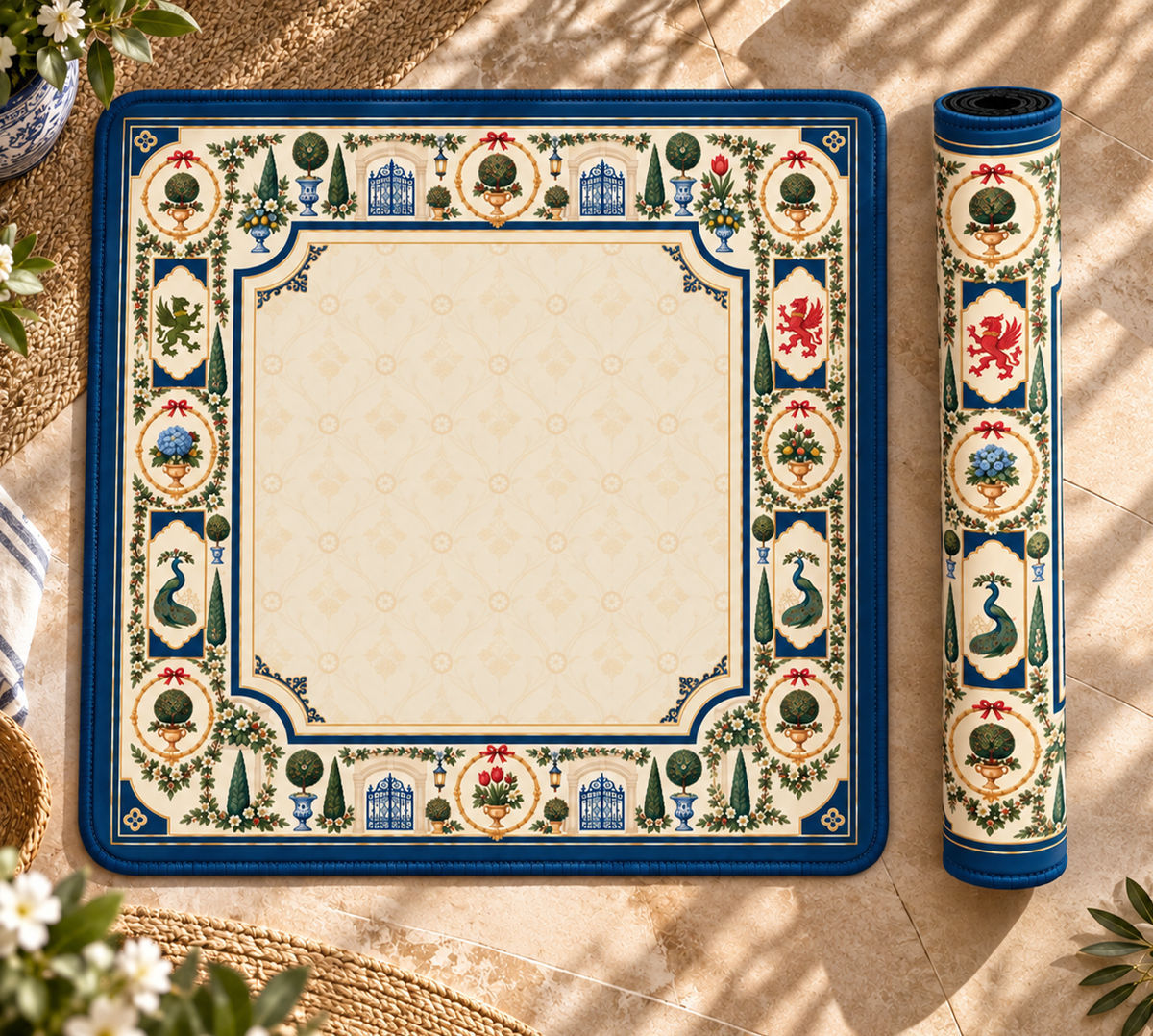
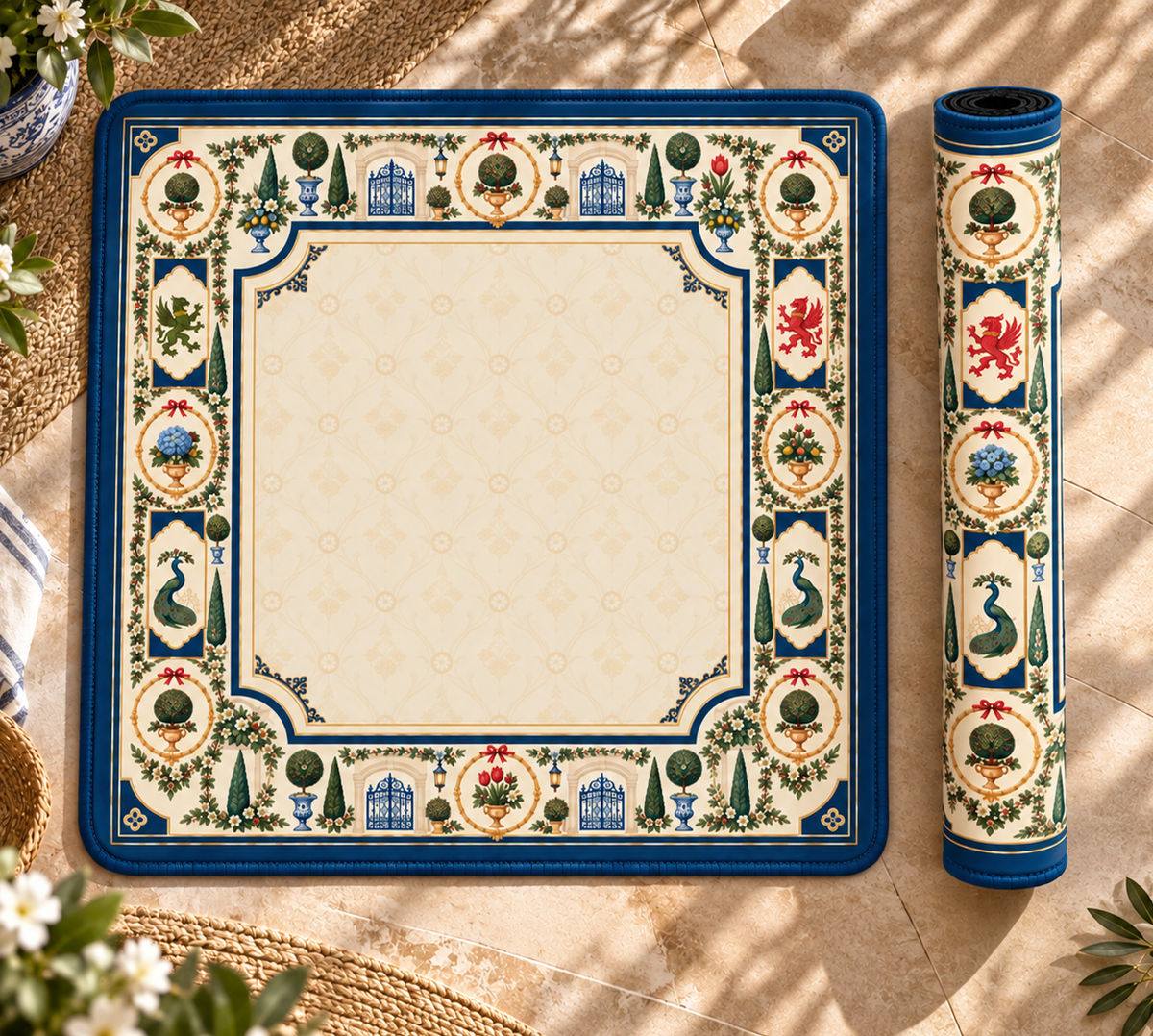
Place cookies flat in a clear box or tin lined with parchment paper, with layers separated by wax paper. Avoid stacking them more than three high. Include a small card: "Made fresh for [date]—best enjoyed within 3 days" or "Happy mahjong!" If presenting alongside a new set, nestle the box beside the mahjong mats or engraved tiles on a small table or gift display. A ribbon or twine around the box photographs well. Some hosts gift the cookies in a kraft paper bag with a window to show the tile designs—practical and on-brand. If mailing, wrap each cookie individually in tissue and use a sturdy box with padding. Cookies kept cool travel better than those shipped warm; bake and cool completely before packing.
🎁 See our most-loved mahjong sets & accessories →
What Complementary Gifts Pair Well with Mahjong Cookies?
Cookies shine as part of a larger game-night gift bundle. Pair them with engraved American mahjong sets that feature a personal name, date, or inside joke—the cookies feel extra special when the tiles themselves are custom. For a host gift to bring to someone else's game, combine cookies with a travel bag or case so the recipient has a beautiful way to carry their set. A box of cookies + racks with pushers makes sense for a friend upgrading from a basic table layout. Some hosts gift a handwritten card with their favorite hand from the year alongside cookies—personal, game-specific, and memorable. Cookies are also a lovely thank-you for players who come to your game every week; the gesture costs little but lands as thoughtful.
✨ Find your Mahstead set — free US shipping →
What Should You Check Before You Bake and Serve?
Ingredient allergies: Ask guests about peanut, tree nut, dairy, or gluten sensitivities before baking. Label the box if using shared equipment. Freshness: Bake no more than two days before the game; store in an airtight container at room temperature or lightly refrigerated. Icing stability: Test your icing formula on a cookie the day before—if it cracks, crumbles, or sweats, adjust the ratio of powdered sugar to egg white or butter. Moisture: Keep cookies away from humid air during setup; if your kitchen is steamy, bake earlier in the day. Visual clarity: Make sure symbols are dark enough to read and contrast with the tile background. Bite test: Taste one before serving to confirm it's not too hard or stale. A cookie shouldn't require teeth-gritting effort to bite through.

FAQ
Can you make mahjong cookies ahead and freeze them?
Yes. Bake and cool completely, then layer in an airtight freezer container with parchment between each layer. Freeze up to four weeks. Thaw in the container at room temperature for one hour before decorating or serving—this prevents condensation.
What's the simplest way to get the tile shape without a cutter?
Roll dough to ¼-inch thickness between two wooden rods or silicone baking mats set to your target height. Place a ruler on the dough and cut straight lines with a sharp knife, then rotate and cut the perpendicular lines to form a grid of squares or rectangles.
Can you use royal icing instead of buttercream for mahjong cookies?
Yes. Royal icing (egg white + powdered sugar) dries hard and glossy, so cookies stack neatly without icing transfer. It's ideal if serving hours after baking or if transporting. Buttercream is softer and more forgiving if you're decorating last-minute.
What edible food coloring works best for crisp mahjong symbols?
Gel or paste food coloring mixed into white royal icing or buttercream gives vibrant reds, greens, and blacks without thinning the icing. Liquid food coloring can make icing runny. Edible markers (like Wilton brand) work on dry icing but can bleed into soft cookies.
Should you tell guests your cookies are homemade?
Yes—homemade adds warmth and differentiates them from store-bought. A simple note on the box ("Homemade with love for NYE mahjong") sets the right expectation and shows intent. Guests will forgive minor imperfections if they know the effort behind them.
Can you make sugar-free or gluten-free mahjong cookies?
Absolutely. Use almond flour or a gluten-free blend for dough, and sugar substitutes in the icing (though some can crystallize—test first). Baking time may vary slightly; check at 9 minutes. Label them clearly so guests with dietary needs know they're safe.
How do you pipe small symbols on cookies without them bleeding into the icing?
Let the base icing layer dry fully (usually 2–4 hours for royal icing, longer for buttercream) before piping details. Use a thin tip (size 1 or 2) and steady, gentle pressure. Piping over a dry surface ensures clean lines.
What's a good quantity of cookies to bake for a four-player game?
Plan 3–5 cookies per person (12–20 total) if serving as a snack during play, or 1–2 per person at the end with tea. If it's your hostess gift to another game, 8–12 packaged nicely is sufficient and shows thoughtfulness without excess.


View More
View More
View More
