
Melamine vs Catalin Mahjong Tiles: Which Should You Buy?
Last updated: Nov 23, 2026
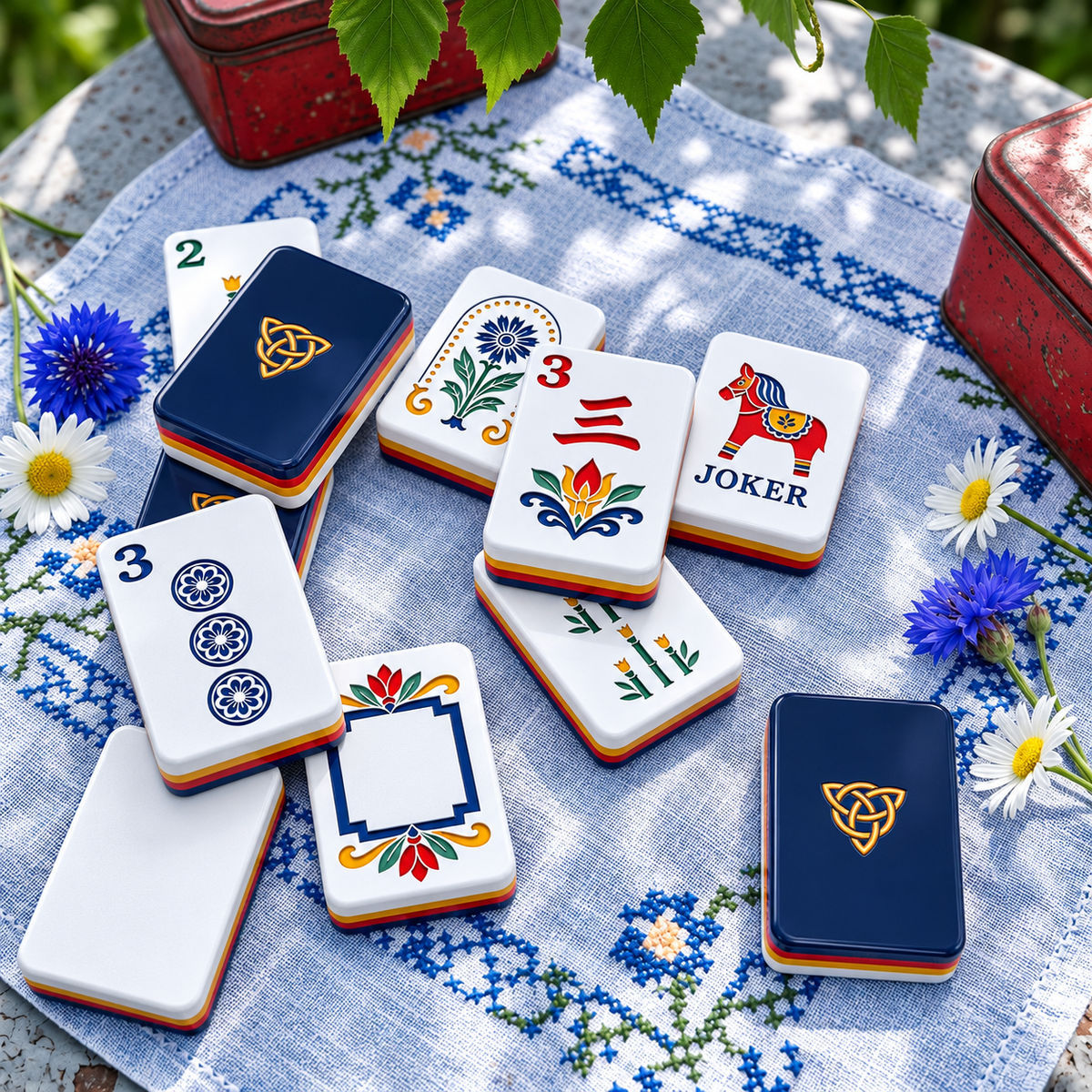
Melamine tiles are lighter, less expensive, and durable enough for casual weekly play; catalin tiles are heavier, sound sharper when shuffled, and hold up better to decades of intense use. Melamine feels smoother in hand and plays quietly, while catalin produces the distinctive clicking sound many longtime players prefer. Neither is objectively "better"—the choice depends on your budget, how often you play, and whether you prioritize authentic table feel or accessibility. Melamine suits newer players or groups who host occasionally; catalin rewards serious players who shuffle 100+ games per year. Both are acrylic-based and won't crack from normal play. Mahstead offers engraved American mahjong sets in both materials, so you can compare feel in person before committing.
What's the real difference in weight and handling?
Catalin tiles weigh noticeably more—roughly 30–40% heavier per tile than melamine. When you shuffle a catalin set, you feel substantial mass in your hands and hear a sharp, clear clack as tiles collide. Melamine tiles move faster across the table and produce a softer tap. For players with arthritis or hand fatigue, melamine's lighter load makes long sessions more comfortable. Catalin users say the weight gives them better control over individual tiles during the draw and a more "authentic" mahjong parlor experience. After 50+ games, melamine shuffling feels effortless; catalin shuffling feels intentional. This isn't a defect—it's a defining characteristic, and your preference often reflects how you learned to play.

How do they hold up over 5, 10, or 20 years?
Melamine tiles resist scratching and don't yellow significantly, but they can develop micro-wear patterns on frequently touched edges after 500+ games per year. The surface stays playable but gradually loses its polished sheen. Catalin tiles, by contrast, seem to improve with age: regular handling polishes them to a deeper luster. Both resist staining from spilled drinks or humidity if wiped dry promptly. Neither shatters under normal play conditions. If you play twice weekly in a stable climate (not a damp garage), melamine will last 10+ years without visible decline. Catalin sets played under the same conditions often outlast the players themselves. The difference isn't fragility—it's the aesthetic journey. Melamine holds steady; catalin gets richer.
🀄 Shop best-selling mahjong sets →
Which material matches your play style and budget?
Play Pattern | Material | Why It Fits | What to Expect |
Casual, 1–2 games/week | Melamine | Lower entry cost, quick shuffles, quiet table | Comfortable handling; no regrets after 5 years |
Serious, 3–5 games/week | Either | Melamine if budget-conscious; catalin if you value tactile feedback | Melamine softens edges visibly; catalin improves |
Tournament or daily play | Catalin | Superior feedback, satisfying shuffle sound, proven durability | Higher upfront cost pays off in years 3–10 |
Gifts or starter sets | Melamine | Approachable, affordable, no intimidation factor | Recipient can upgrade to catalin later if hooked |
The cost difference is real. Melamine sets carry a lower entry price; catalin sets cost 20–35% more. If you're buying your first set after learning from a friend's tiles, melamine lets you test your commitment without a large outlay. If you've been playing for 2+ years and crave a permanent set, catalin's longevity justifies the premium. Neither is disposable—both will serve your game.

What about engraving, color, and personalization?
Both melamine and catalin accept engraving equally well. Custom engravings—initials, tournament dates, family names, inside jokes—appear crisp and legible on either material because the engraver removes a thin surface layer, exposing the acrylic beneath. The engraved area darkens slightly over years of play and hand oil, adding character. Some players prefer melamine for engraving because the lighter color contrast makes etchings easier to read across the table; others say catalin's depth makes engravings pop more dramatically. Color selection often matters more than material: classic white tiles, cream, jade green, and rose tones are available in both. Engraved American mahjong sets let you choose material and design, so you're not forced into a compromise. Ask yourself: does the set represent a specific player, a milestone game, or a group identity? That story often guides your material choice as much as budget does.
🎁 See our most-loved mahjong sets & accessories →
What should you check before ordering—and what can go wrong?
Before committing, verify three things:
Feel the tiles in person if possible. Online photos can't convey weight or shuffle sound. If your local mahjong club or a friend owns both materials, spend 15 minutes shuffling each. Your hands will know what they prefer.
Check the tile count and joker/blank spares. A standard American game uses 152 tiles plus 8 jokers. Mahstead's 160-tile sets include spare tiles (extra jokers and/or blanks) so you're never caught short. Confirm the exact count matches your storage and play space.
Inspect the face after arrival. Melamine and catalin tiles should have crisp character images (birds, dragons, winds, flowers), clean edges, and no rough spots. Run your thumb across the surface—it should feel smooth and consistent. If a tile has a raised burr or dull spot, contact support; defects are rare but happen in production.
Climate matters more than material. Both melamine and catalin resist humidity-induced warping better than bone or bamboo, but extreme swings (a garage that freezes in winter, swelters in summer) can stress any tile. Store your set in a stable room, ideally in a padded mahjong bag or case to buffer temperature and moisture. This extends the life of either material by years.
Sound expectations shift. If you've only played melamine and switch to catalin, the louder shuffle may feel "clacky" at first; most players adjust within 3 sessions and then can't imagine playing melamine again. Conversely, longtime catalin players often find melamine surprisingly smooth and quiet—not worse, just different. Don't order based on shuffle sound alone unless you've experienced both.
A decision framework: Make your choice in 60 seconds
How often do you play per week? ≤2 → melamine is fine. 3+ → catalin pays for itself in durability satisfaction.
Is this a gift, or a set for yourself? Gift → melamine (lower risk, approachable). Self → your preference (weight, sound, aesthetic).
Do you want engravings or a specific design? Both materials take engraving equally well. Choose the design first, material second.
What's your climate? Stable home → either. Humid garage or van storage → catalin (slightly more forgiving).
Budget ceiling? Tight → melamine. Flexible → catalin (you'll appreciate it after year two).
Your answer to top and #5 usually decides it. If you're still unsure after this, order melamine now, enjoy it fully, and upgrade to catalin when you're ready for the next chapter.
✨ Find your Mahstead set — free US shipping →

FAQ
Can I mix melamine and catalin tiles in the same set?
Technically yes, but we don't recommend it. The weight difference throws off your muscle memory during shuffles, and the wear patterns diverge over time. Stick to one material per set.
Do melamine tiles get sticky or cloudy over time?
No. Both melamine and catalin resist cloudiness if stored in a dry space. Sticky residue comes from spilled juice or hand oil buildup, not material breakdown—a gentle wipe with a slightly damp cloth restores them.
Which material is better for tournaments?
Catalin. Tournament tables expect the traditional weight and sound, and catalin's proven durability means zero mid-tournament tile defects. Casual groups accept either.
Will engraving wear off with heavy play?
No. Engraved areas are etched into the tile and become more visible as the surrounding surface polishes with use. The darker tone actually deepens the contrast over years.
How do I know if a set I'm buying is melamine or catalin?
Ask the seller directly—product pages should state the material. If unlabeled, weight is the giveaway: pick up a single tile. Catalin feels substantially heavier. See current price on the product page to compare melamine and catalin options side by side.


View More
View More
View More
