
Melamine Mahjong Set: Durable, Budget-Friendly, or Right for You?
Last updated: Nov 23, 2026
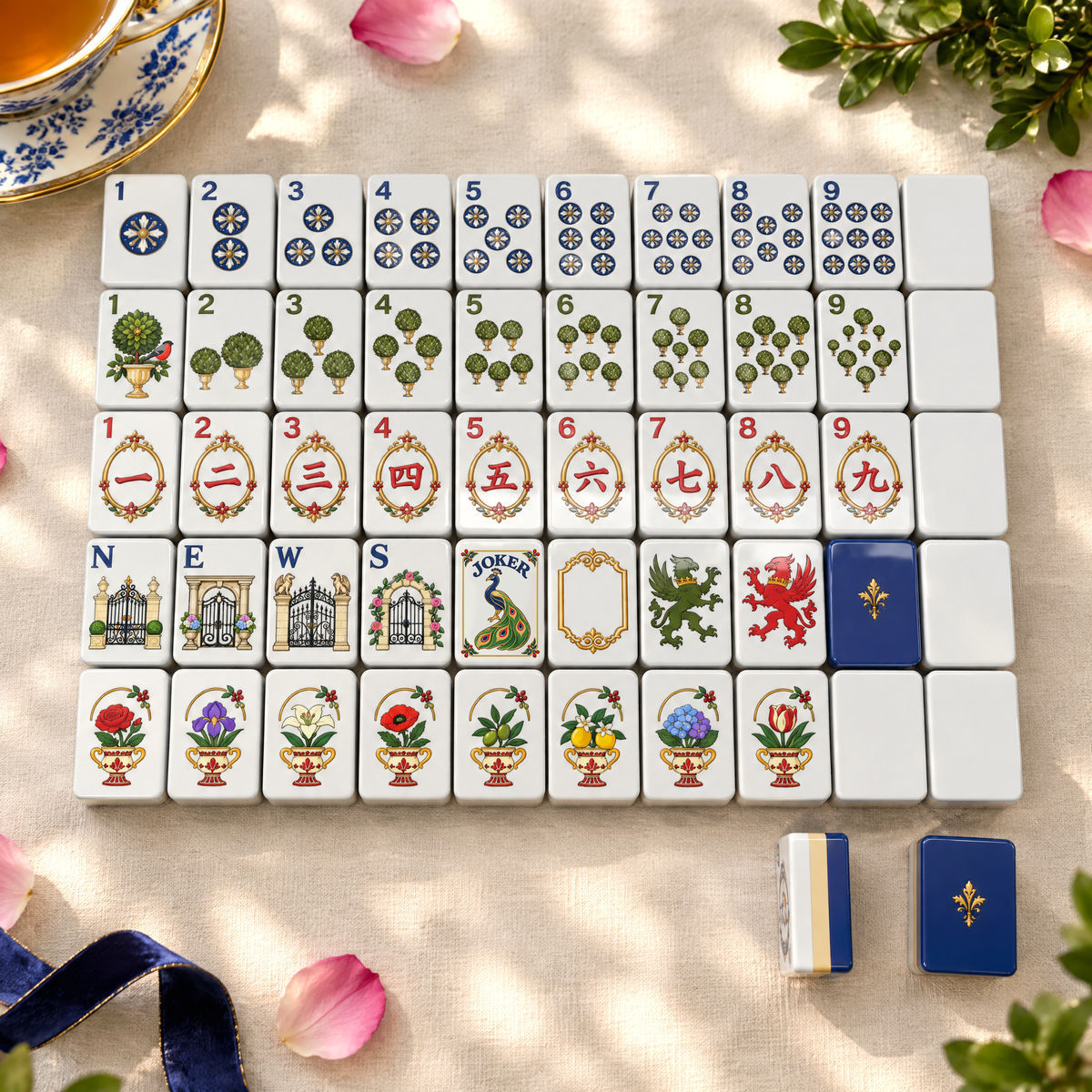
A melamine mahjong set uses plastic-composite tiles molded from phenol-formaldehyde resin, typically 1.5 mm thick and lighter than acrylic equivalents. Melamine was the industry standard before acrylic gained popularity; it's still chosen by casual players and travel-focused groups because tiles cost less to manufacture. Sets contain 160 tiles (152 playing, 8 spares) and cost significantly less than acrylic—often half the price. Melamine resists water and humidity better than bamboo or bone, making it suitable for humid climates. However, melamine scratches visibly with regular handling, discolors under direct sunlight, and can crack if dropped hard. Acrylic tiles—which we produce at Mahstead—hold color longer, resist scratches, and feel smoother in hand over years of play. If you host weekly games and want tiles to last five-plus years, acrylic outperforms melamine; for casual play or travel, melamine is practical and budget-wise. Choose based on how often you play and whether you value longevity or initial cost.
What are melamine tiles made of?
Melamine is a thermoset plastic composite created by fusing melamine-formaldehyde resin with wood pulp or mineral fillers. The mixture is pressed into tile molds at high temperature, creating a hard, uniform surface. The design—suits, winds, dragons, flowers—is either screen-printed before pressing or painted after. Melamine tiles are typically 1.5 to 2 mm thick, making them lighter and more brittle than acrylic (which is 2.5–3 mm). The material is FDA-approved for food contact but not naturally UV-resistant, so printed designs fade if exposed to direct sunlight over months or years.

How does melamine compare to acrylic?
Aspect | Melamine | Acrylic |
Scratch resistance | Low; visible scuffs after 6–12 months of weekly play | High; minimal visible wear over 3+ years |
UV fade | Significant in sunlight; colors dull within 1–2 years | Minimal; colors remain vibrant 5+ years |
Moisture resistance | Excellent; does not warp or absorb water | Excellent; does not warp or absorb water |
Weight | Lighter (easier to carry) | Slightly heavier (more substantial feel) |
Cost per set | 40–60% less than acrylic | Higher upfront cost |
Best for | Casual play, travel, humid climates | Weekly+ players, long-term investment, serious games |
Longevity | 2–3 years with regular play | 5+ years with regular play |
Tile feel | Smooth but prone to stickiness over time | Smooth, consistent grip throughout lifespan |
Our best-selling mahjong sets are acrylic; they're the choice among Dallas-area players who have logged 10+ years at the same table. If you're unsure whether you'll commit to weekly games, melamine works short-term; if you've already hosted three seasons, acrylic pays for itself in durability alone.
🀄 Shop best-selling mahjong sets →
Why does melamine scratch more easily?
Melamine's surface hardness is lower than acrylic; the resin-filler bond is rigid but brittle. When tiles brush against metal racks, wooden table edges, or each other during shuffling, the composite micro-fractures. Each game adds tiny scratches; after 50 games, the design becomes visibly cloudy under bright light. Acrylic, by contrast, is a homogeneous plastic with higher surface hardness—it resists micro-fracturing and maintains a clear, glossy finish. If you're storing tiles in a metal or wood rack, melamine tiles will show wear much faster than acrylic. Players hosting casual monthly games rarely notice; weekly players—who shuffle 100+ times per session—see the difference within a season. We recommend acrylic sets from our engraved collection if weekly play is your plan.
What happens to melamine tiles in heat or humidity?
Melamine resists moisture and does not warp like bone or bamboo tiles; it remains flat in humid, steamy kitchens or near windows. This is melamine's strongest advantage. However, melamine is thermoplastic—it softens above 160°F and can warp if left in a closed car in direct sunlight for hours. In typical home play (60–75°F), melamine remains stable indefinitely. The real damage is UV fade: prolonged direct sunlight (6–12 months near a south-facing window) bleaches printed colors to pale, washed-out hues. Acrylic also resists UV better because the pigments are often mixed into the material during injection-molding rather than surface-printed. If your game room has large windows or you live in a sunny climate, acrylic is the safer choice for color longevity. Melamine works well in basements or covered patios where humidity is high but light is diffuse.

Should you buy melamine if you're a beginner?
Beginners often ask this question, and the answer depends on commitment level. If you're trying mahjong for the first time—attending a friend's table or taking a workshop—melamine sets are an affordable way to own tiles without risk. A set will last through 10–20 casual games without visible wear. However, if you've already decided to learn to play American mahjong and plan to join a regular game within the next year, spend the extra on acrylic. Acrylic tiles feel and sound crisper, making shuffling and discarding more satisfying and encouraging the habits of serious play. Melamine tiles can feel sticky and dull over time, which some beginners mistake for their own fumbling. Starting with acrylic builds confidence and avoids a mid-season upgrade. If you're gifting a set to a beginner, acrylic is an investment in their long-term engagement.
🎁 See our most-loved mahjong sets & accessories →
What to check before you buy a melamine set
Checklist Item | Why It Matters | Red Flags |
Tile thickness | Thicker (2+ mm) melamine lasts longer; under 1.5 mm cracks easily. | Sets advertised as "lightweight" without thickness specs. |
Paint method | Screen-printed before molding is more durable than painted after. | Photos showing uneven or raised design paint. |
Joker count | Standard American sets have 8 jokers; some melamine sets skimp. | Product lists fewer than 160 total tiles. |
Storage included | Melamine tiles need a bag or case to prevent dust and light exposure. | Set with no bag or case; tiles loose in a box. |
Weight per tile | Heavier tiles (though still lighter than acrylic) shuffle better. | Tiles that feel hollow or flimsy. |
Suit design clarity | Printed characters should be sharp and centered on each tile. | Blurry, off-center, or faded designs in product photos. |
Before ordering, confirm the set includes 160 tiles, 8 jokers, and a carrying bag or case. Ask the seller whether tiles are screen-printed or hand-painted; screen-printed designs hold color longer. If the set will live in a sunny room, reconsider acrylic—the upfront cost difference is worth it. Our travel bag collection pairs well with any set you choose, ensuring tiles stay protected between games.
✨ Find your Mahstead set — free US shipping →
Which material is better for tournaments or serious play?
Tournament mahjong—whether hosted by local clubs or leagues—almost always requires acrylic tiles. Tournaments specify tile weight, surface finish, and design clarity so all players have identical playing conditions. Melamine tiles vary batch-to-batch in thickness and print quality, creating unfair variance. Additionally, tournament hosts inspect tiles before play; melamine tiles showing scratches or fading are often rejected. If you're thinking of joining a league or hosting a competitive game, buy acrylic from the start. Our engraved American mahjong sets meet tournament expectations for weight, feel, and durability. Casual home play tolerates melamine; organized play does not.
Are there design or gift options in melamine?
Most melamine sets sold today are plain, unmarked tiles with standard printed designs. Personalization—engraving, custom artwork, decorative cases—is almost exclusively offered in acrylic because acrylic is more durable and melamine degrades visibly once engraved. If you're buying a gift for a serious player or hosting set owner, acrylic with custom engraving shows thought and investment. Melamine gifts work only for casual or trial players who may not use the set for more than a season. For Christmas or holiday gifting, we recommend acrylic; melamine feels temporary and low-value by comparison. A personalized acrylic set becomes a keepsake; melamine becomes clutter once scratched.

FAQ
Can melamine tiles be repaired if they crack?
Melamine cracks cannot be reliably glued or patched without visible seams. Once cracked, tiles must be replaced; many melamine sets are sold without spare tiles, making replacement difficult. Acrylic tiles can be ordered individually or in spare sets. If durability and repairability matter, acrylic is the only option.
How long does a melamine set last if stored properly?
Stored indoors, away from sunlight and heat, melamine sets remain stable for 10+ years without warping. However, printed designs fade over 2–3 years if the set sits in a window or bright room. If played weekly, scratches become noticeable within 1–2 seasons. Longevity depends on use frequency and light exposure, not storage alone.
Why are melamine sets cheaper?
Melamine manufacturing requires less precision and lower-grade materials than acrylic. Acrylic injection-molding requires tight temperature control and UV-resistant pigments, raising production cost. Melamine is a simpler compression-molded process, allowing bulk production at lower margins. The price difference reflects real material and labor differences, not artificial markup.
Can you mix melamine and acrylic tiles in one game?
Technically yes, but it creates uneven play. Acrylic tiles are heavier and slide differently during shuffling; melamine tiles feel stickier and drag. Serious players prefer uniform tiles. If you must supplement a melamine set, buy acrylic replacements to upgrade the whole set over time rather than mix batches.
Is melamine toxic or unsafe?
Food-grade melamine is FDA-approved for dishes and utensils. Gaming tiles—even melamine—are not ingested or heated. Melamine mahjong tiles pose no health risk during normal play. Avoid letting tiles sit in extreme heat (above 160°F), which can off-gas fumes, but standard indoor play is safe.
Do professional players ever use melamine sets?
No. Tournament-standard sets are acrylic or bone/bamboo (in traditional Chinese games). Melamine is used only by casual or travel players. If you watch competitive American mahjong, all tiles are acrylic or premium materials. Melamine is explicitly a budget or temporary solution, not a professional choice.


View More
View More
View More
