
Malaysian Mahjong with 3 Players: Rules, Setup & Tile Handling
Last updated: Nov 23, 2026
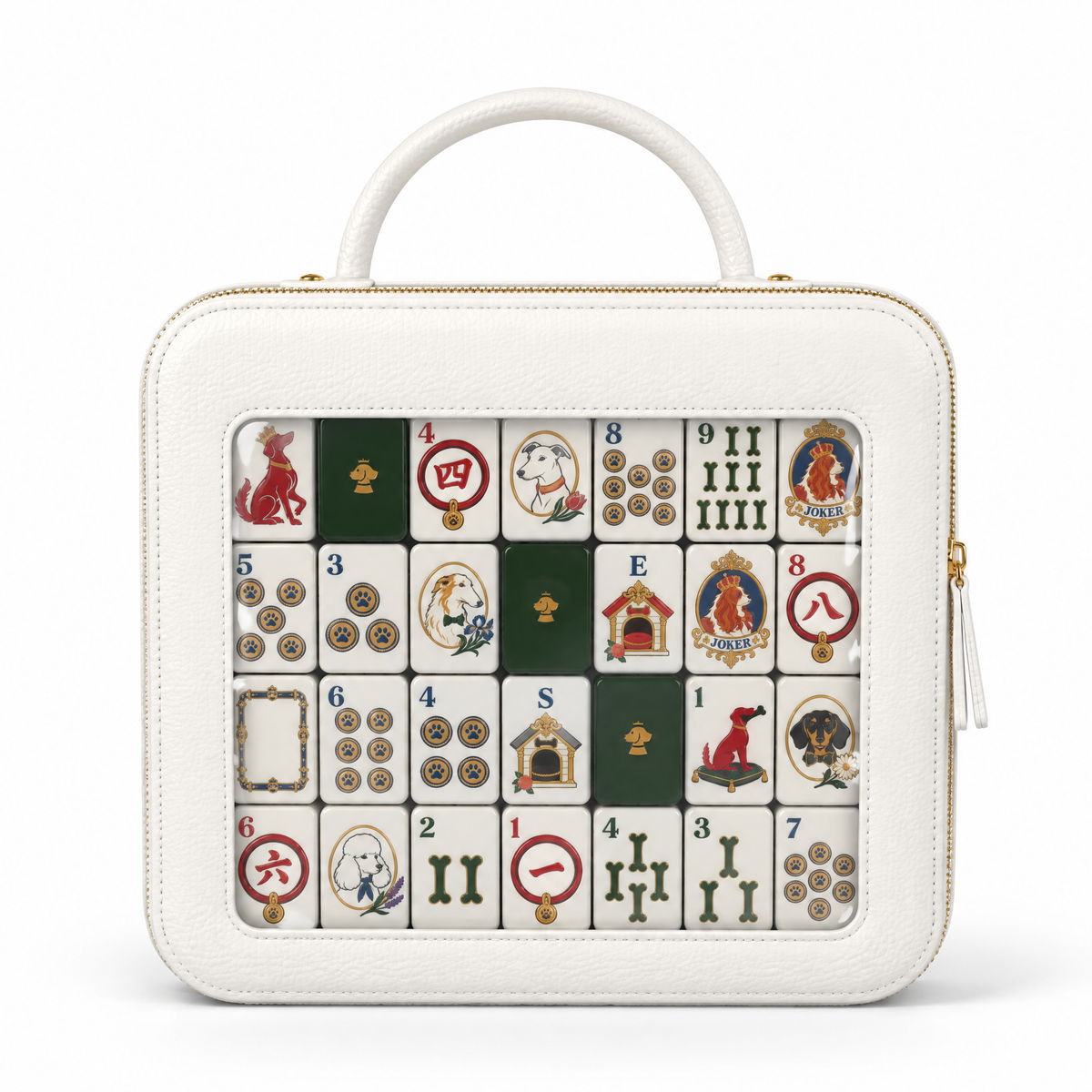
Malaysian mahjong with three players removes one wind (usually West) and plays with 108 tiles total—three suits (Bams, Craks, Dots) numbered 1–9 in three copies each, plus 12 honor tiles (three of each wind: East, North, South; and three each of Red Dragon, Green Dragon, White Dragon). Each player draws 16 tiles initially instead of 13, and the wall is positioned at 32 tiles from the dealer's right corner rather than the middle. Kongs trigger immediate tile draws from the dead wall; no Kong box exists. The game runs 2–3 rounds per session, with play lasting 30–45 minutes total. Scoring follows hand value and double/triple point systems tied to the specific hand type. No jokers are used.
Why is the three-player wall different from the four-player version?
In standard four-player mahjong, the wall spans the full table circumference. With three players, one wall section is left empty (where the fourth player would sit), so the wall is repositioned: the dealer's right wall segment starts 32 tiles from the right corner instead of in the exact middle. This keeps the wall proportional and ensures the dead wall (used for Kong draws) remains accessible. The position shift prevents tile-draw chaos and maintains balance in who can reach which tiles during play.
🀄 Shop best-selling mahjong sets →

How do you handle the initial draw and seat rotation?
The dealer (East) sits at one end and draws first: 16 tiles instead of 13 in the four-player game. The two other players (North and South, or North and West) sit to the dealer's left and opposite. No fourth seat is occupied. Each player draws 16 tiles in turn from the wall in four-tile batches; the dealer then draws one extra tile from the live wall. The play order is dealer → next player clockwise → remaining player, then back to dealer. When rotating rounds, East moves to the next player position, with the former East becoming North or South depending on your group's convention. This keeps play flowing and ensures all players experience the dealer advantage equally over a session.
What changes when someone calls Kong in three-player?
In three-player Malaysian mahjong, a Kong (four identical tiles) is declared immediately when formed, and the player draws one replacement tile directly from the dead wall—no Kong box, no delay. If the dead wall is depleted, no replacement is drawn and play continues with 16 tiles instead of 14. The Kong is exposed and laid on the table; other players cannot steal the Kong or claim its discard for a pung or hand. This streamlines the game and avoids the complexity of Kong windows used in four-player variants. If a player draws a Kong tile, they declare it, draw a replacement, and then discard—this counts as their turn, so play moves to the next player.
How do hands and scoring differ from four-player mahjong?
Malaysian three-player hands are smaller and must be completed within 16 draws per player (the initial 16 tiles plus draws from discards and the wall). Hand types include sets of pungs (three identical tiles), Kongs (four identical), and winning pairs; honor tiles (winds and dragons) are prized in specific patterns. Scoring is based on hand points and double/triple bonuses: a hand with all Bams, all dragons, or honor combinations can be worth 2× or 3× base points. Straights and color-mixing hands score lower. There is no "limit hand" cap as in some four-player games—points accumulate freely. A win is worth the base hand value × player payment (two players each pay the winner); a loss costs the loser the full hand value × 2. Rounds often end after three winners or after a set number of dealer turns, keeping sessions short and engagement high.

What tiles does a three-player set use, and what do you remove from an American set?
A true Malaysian three-player set uses 108 tiles: three suits × nine numbers × three copies each (81 tiles) + three winds (East, North, South) × three copies each (9 tiles) + three dragons (Red, Green, White) × three copies each (12 tiles, but some regional variants use only two of each dragon for 6 tiles). No jokers, no flowers, no blank tiles. If adapting an American 160-tile set to play three-player, remove the West wind (all four tiles), which brings you to 156 tiles; set aside all eight jokers and extra blanks. You now have exactly three of each of Bams, Craks, and Dots (1–9), and three each of East, North, and South winds plus three of each dragon. Discard the West tiles permanently; store them in a small cloth pouch to avoid loss.
Variant | Total Tiles | Winds Included | Suits/Numbers | Jokers | Dead Wall Size |
Malaysian 3-player | 108 | E, N, S (3 each) | 3 suits, 1–9 (3 each) | None | 10–14 tiles |
American 4-player | 152 | E, N, S, W (4 each) | 3 suits, 1–9 (4 each) | 8 | 14 tiles |
Hong Kong 3-player | 98 | E, N, S (3 each) | 3 suits, 1–9 (3 each), no 1 or 9 | None | 7–8 tiles |
🎁 See our most-loved mahjong sets & accessories →
What common mistakes ruin a three-player game?
Forgetting the wall position. New players often position the wall as they would for four players, creating confusion when draws don't align. Measure from the dealer's right corner: 32 tiles marks the start of the dead wall.
Drawing more than one tile per turn. In three-player, you draw once from the wall or claim one discard. Multiple draws cascade into tile shortages and unfair hand shapes.
Calling Kong too late. If you don't declare Kong immediately on forming it, you lose the right to draw a replacement. Once your turn ends, the Kong moment is gone.
Mixing wind rules. Some groups use only East and South for 3-player (leaving North and West out); others use East, North, South. Agree before the first hand and write it down—switching mid-session causes scoring disputes.
Miscounting the dead wall. With only 108 tiles, the dead wall is smaller than in four-player games. If you run out mid-game, the winner is whoever goes out first; any player still holding tiles loses the hand value.
What to check before you buy or adapt a set
Tile count: Confirm the set contains exactly 108 tiles for true Malaysian 3-player, or 160 tiles (for adapting from American sets) with acrylic or bone construction.
Wind suit completeness: Verify three copies each of East, North, and South if using a dedicated three-player set; if adapting, ensure you can remove West cleanly.
Joker removal: If using an American set, confirm all jokers and blanks are removable so play stays true to three-player rules (no jokers allowed).
Rack space: Two-player racks may not fit 16 tiles comfortably; a full-size rack with pushers accommodates the larger hand.
Mat size: A standard mahjong mat seats four players; confirm it has usable space for a three-player layout without crowding the center.
✨ Find your Mahstead set — free US shipping →
Many groups start with American 160-tile sets because they're widely available, then adapt them by setting aside one wind suit and all jokers. This works well if everyone at the table understands the three-player tile count and wall position. For ongoing three-player play, consider exploring dedicated Malaysian sets if your group plays regularly—they fit the rules precisely and are faster to set up once you've removed West wind tiles from a hybrid set.
The rhythm of three-player mahjong differs noticeably from four-player: faster draws, tighter hands, and shorter rounds. Many players enjoy it for lunch-hour or casual evening sessions because a complete game (2–3 rounds) finishes in under an hour. The smaller player count also means you develop stronger reads on your opponents' discards and play patterns. If you're introducing a friend to mahjong, three-player with clear rules and a marked wall position often feels less overwhelming than a full four-player table.

FAQ
Can I play Malaysian three-player mahjong with an American set without removing tiles?
No. An American set has 152 tiles (four winds, four of each number in three suits, dragons, and flowers); Malaysian three-player uses 108 (three winds, three of each number). Playing with all 152 tiles breaks hand probabilities and scoring. Remove West wind and all jokers; store them safely. If you play regularly, invest in a dedicated 108-tile set to avoid setup errors.
How many rounds does a typical three-player session last?
Most groups play 2–3 rounds (dealer changes hands) per session, lasting 30–45 minutes total. A round includes East's turn as dealer, then play passes to the next player. After three rounds, a complete game ends; some groups play four rounds for balance. Agree before starting so all players know when the session ends.
What happens if the dead wall runs out before someone wins?
The wall is considered "dead" (depleted) and play must produce a winner immediately. Any player still holding unmatched tiles loses and pays the winner the hand value. This happens rarely in three-player because the smaller tile count depletes walls faster. If it occurs frequently, verify you're drawing exactly one tile per turn and declaring Kongs immediately.
Is the discard pile order different in three-player?
No. Discard order remains dealer → next player → remaining player → back to dealer. Discards are laid in front of each player in order and can be claimed for a pung, Kong, or win. Unlike four-player, three-player has no "dead man's Kong" (claiming a discarded Kong tile from someone who just Konged). If you need a Kong tile that was just drawn as a replacement, you must wait for it to be discarded.
Can I switch between American four-player and Malaysian three-player with the same group?
Yes. Keep your jokers and West wind tiles in a separate pouch labeled "American 4-player." Before each session, agree on the game type and set up accordingly. Store your mahjong bag with dividers so tiles don't mix. Record which tiles are "in play" for each format to avoid confusion. After 3–4 sessions, most players can transition seamlessly and will even prefer one format; rotate occasionally to keep skills sharp.


View More
View More
View More
