
Mahjong Trends 2026: What's Changing in American Play
Last updated: Nov 23, 2026
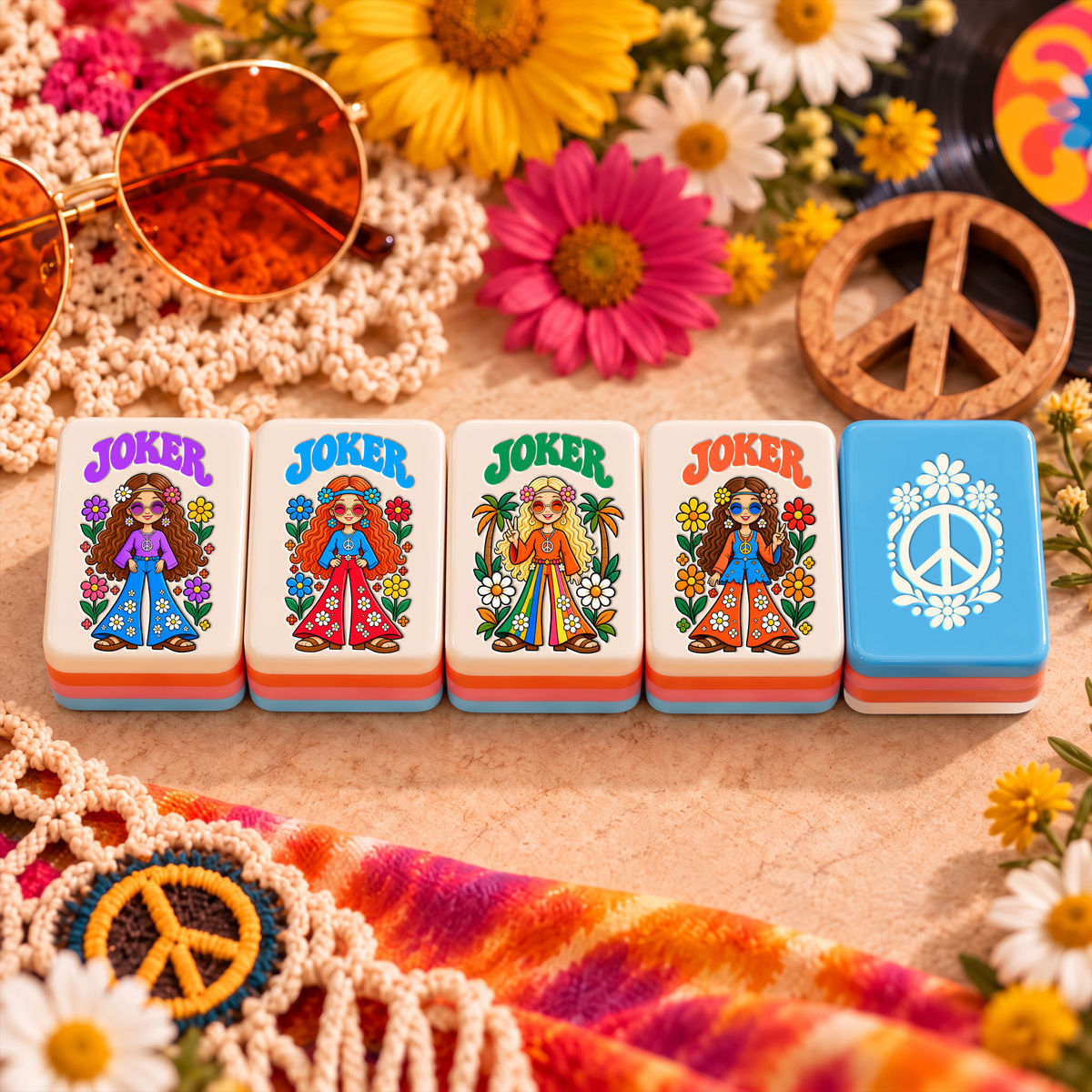
The biggest mahjong trends in 2026 center on three shifts: customization (engraved sets with initials, titles, or family names are outpacing generic designs), accessibility (more players are opting for acrylic sets with clearer markings to reduce eye strain and speed up card reading), and social hosting (weekly game groups are investing in dedicated mats and racks to make play smoother and more comfortable). The National Mah Jongg League's 2026 card continues to reset hands annually, keeping the meta fresh—meaning experienced players and newcomers alike are buying updated best-selling mahjong sets tailored to 2026 play patterns. Rule clarifications around joker use and exposed melds remain stable, but players are increasingly choosing sets with high-contrast tile designs and organized storage to cut down setup time and game friction. The trend reflects a shift from casual play to intentional hosting: groups are treating their weekly games as events worth upgrading for, not afterthoughts.
Why Are Players Personalizing Their Sets in 2026?
Personalization has moved from niche to mainstream. Players want sets that feel theirs—engraved with names, family nicknames, table names, or milestones. This trend serves both identity and function: a set marked "Table 3: East Wind Specialists" or with a player's initials eliminates confusion during the Charleston (the tile-passing ritual before play) and makes sets easier to track across multiple games. Engraved American mahjong sets now account for a larger share of orders than pre-printed designs. Groups hosting weekly games report that personalized sets create accountability—players are more likely to show up and care for a set that's literally named after their table.
🀄 Shop best-selling mahjong sets →

What's Driving the Shift to Clearer, Easier-to-Read Tiles?
Acrylic sets with sharp contrast between suit symbols and tile backgrounds are gaining traction. The reason is simple: speed and accuracy. Players are reading how to read a mahjong card patterns faster when they don't squint at tiles. Aging player bases in established groups, plus newer entrants coming from digital mahjong (where symbols are pixel-perfect), have raised the baseline expectation for clarity. Engraved tiles with deep, filled markings beat flatter prints. Groups report that clearer tiles reduce delays caused by "What suit is that?" questions and lower frustration during fast-paced rounds. The trend also reflects a practical reality: better visibility = longer, more comfortable game sessions without eye strain.
Why Are Weekly Hosts Investing in Dedicated Mats and Racks?
Hosting has professionalized. Groups that meet weekly are no longer playing on dining tables covered with beach towels. They're buying dedicated mahjong mats with tile-holding zones, score areas, and non-slip backing—and pairing them with mahjong racks with pushers to organize hands and speed up tile draws. A mat with a clear dealer position and wind markers cuts setup time by 5–10 minutes per game. Racks let players hold all 13 tiles upright without dropping, reducing awkward fumbling and the fatigue of hand-cramping. For groups playing weekly or twice weekly, this investment pays back in comfort and pace within months. The trend reflects a recognition that weekly games are a standing commitment—like a poker group or book club—worth optimizing.
Hosting Upgrade | Why It Matters in 2026 | Expected Impact |
Dedicated mat | Faster setup, clear zones, dealer marking | 5–10 min saved per game |
Racks with pushers | Organized hand, less fatigue, fewer drops | Smoother draw, fewer mismelds |
Engraved set | Identity, accountability, confusion-free Charleston | Stronger group cohesion |
High-contrast tiles | Faster card reading, fewer eye-strain delays | Quicker rounds, better experience |

How Is the 2026 National Mah Jongg League Card Shaping Play Strategy?
Each spring, the League releases a fresh card with new hand patterns. The 2026 card has introduced subtle shifts in pung/kong/quint/sextet combinations, pushing players toward different tile-holding strategies and joker conservation. Experienced players report that the 2026 hand shapes reward earlier calls (exposing melds sooner rather than waiting for the wall to thin). This dynamic is driving demand for mahjong bags and cases that hold both sets and printed card copies—so players can study hands between games without leaving the table. Online rule checkers and photo apps that scan the current card are also accelerating: players want confidence that their called hands are legal before announcing. The 2026 meta favors groups that stay sharp and flexible.
What Role Is Tech Playing in the 2026 Mahjong Boom?
Photo-scanning card checkers and virtual rule guides have made the game more accessible to new players. A beginner can now snap a photo of their hand, check it against the current card instantly, and learn why a potential meld works or doesn't. This lowers the barrier to entry significantly. However, experienced hosts note that tech is a supplement, not a replacement, for table knowledge. Groups that invest in printed 2026 card copies at the table (one per player or shared) report fewer disputes and faster pace than groups relying only on phones. The trend is hybrid: using tech for learning offline, but keeping the physical card at the table during play. This also underscores why customized new mahjong arrivals and sets aligned with the current year's card are more valuable—they're built for 2026 play, not last year's rules.
🎁 See our most-loved mahjong sets & accessories →
What Should You Check Before Buying a 2026 Set or Upgrade?
Before committing, ask yourself:
How often do I play? Weekly players benefit most from mats and racks; casual players may start with a quality set alone.
Do I host or attend? Hosts should prioritize engraved sets (identity) and mats (speed); attendees focus on portability and durability.
What's my card knowledge level? Beginners gain more from high-contrast tiles and printed 2026 cards; veterans may invest in aesthetics and personalization.
Am I replacing or upgrading? If your tiles are worn, a new best-selling mahjong sets with clearer markings pays dividends. If you're adding to a collection, an engraved set or backup mats are smarter than duplicate basic sets.
Does portability matter? If you travel between game locations, a lightweight mat and organized travel bag are worth the investment.
Common mistake: Buying a 160-tile set without verifying you have storage and table space for the mat and rack. Most groups discover they need a dedicated container or shelf after purchase—plan for that upfront.
✨ Find your Mahstead set — free US shipping →

FAQ
What's the most popular mahjong set style in 2026?
Acrylic sets with engraved tiles and high contrast between symbols and backgrounds. Players value clarity and durability. Personalization—engraved initials, table names, or family titles—is now standard for regular hosting groups rather than optional.
Does the 2026 National Mah Jongg League card change how people play?
Yes. The 2026 card introduces new hand patterns that reward earlier calls and joker conservation. Players now invest in mats, racks, and printed card copies to stay sharp and reduce calling errors.
Should I buy a mat if I play casually, only once a month?
Not immediately. Start with a quality set and printed 2026 card. If your group commits to weekly or twice-weekly play, a mat and racks become worthwhile—they save time and reduce fatigue over dozens of games.
Are engraved sets worth the cost compared to generic sets?
Yes, if you host or play in the same group weekly. Engraved sets reduce confusion during the Charleston, create accountability, and make storage easier. For solo or casual players, a standard set is sufficient.
How do I know my 2026 set is compatible with current rules?
All American mahjong sets—152 tiles plus 8 jokers—are compatible with the current year's League card. The key is ensuring you have the current card. Mahstead sets work with any 2026 card. Print or reference the card at the table to avoid hand disputes.


View More
View More
View More
