
Mahjong-Themed Bridal Shower: Games, Gifts & Setup Ideas
Last updated: Nov 23, 2026
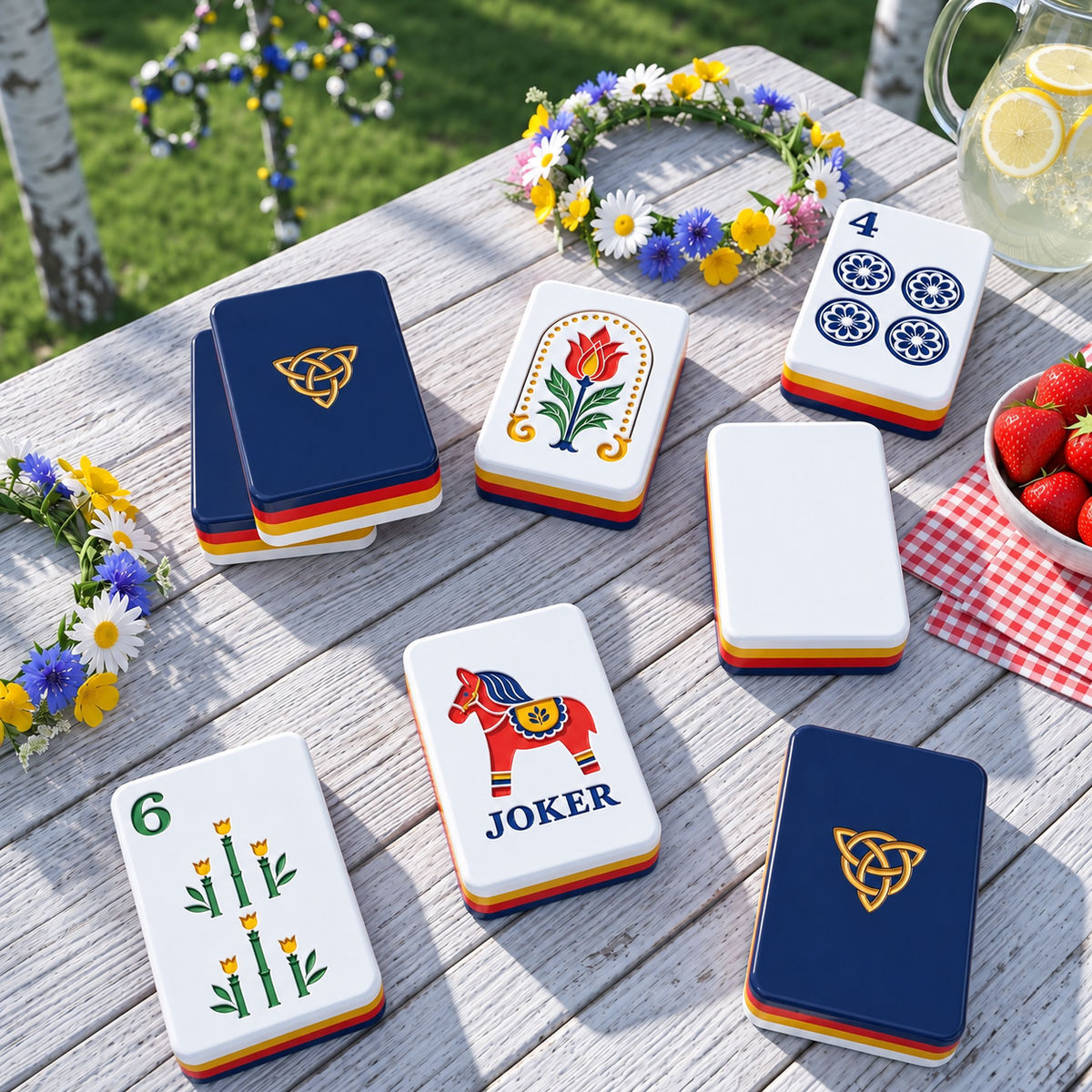
A mahjong-themed bridal shower is a 3–4 hour gathering where guests play American mahjong, learn the basics, or simply enjoy the tile aesthetic as decor and party backdrop. You'll need one set per table (or a shared set for learning), a mat, racks, and snacks; engraved sets from best-selling collections work beautifully as keepsakes or escort gifts. The game itself takes 15–30 minutes per hand once everyone knows the rules, making it perfect for mixed skill levels. Many hosts gift each guest a small personalized tile, set, or mahjong-themed trinket; others teach a simplified version so no prior experience is needed. Total cost depends on set quality and personalization; plain acrylic sets run lower than engraved options. Avoid overloading beginners with full rule complexity—teach the flow of the game (drawing, discarding, calling), not every scoring variant, so the day feels celebratory, not like a tournament.
Is a mahjong bridal shower easy to host for mixed skill levels?
Yes, if you plan for both players and learners. Divide guests into two groups: experienced players use one table with the full game and current-year card, while newcomers sit at another table where you teach the basics—Charleston (the tile pass), how to recognize a pung and kong, drawing and discarding. Simplified mahjong takes 10–15 minutes per hand, long enough to feel real but short enough that focus stays high. Pair a confident player with each beginner table to call out legal moves and nudge along. The key is not forcing everyone to play; some guests will want to watch, take photos of the tiles, enjoy the aesthetic, and chat—that's fine and normal.

What tiles and equipment do you need per table?
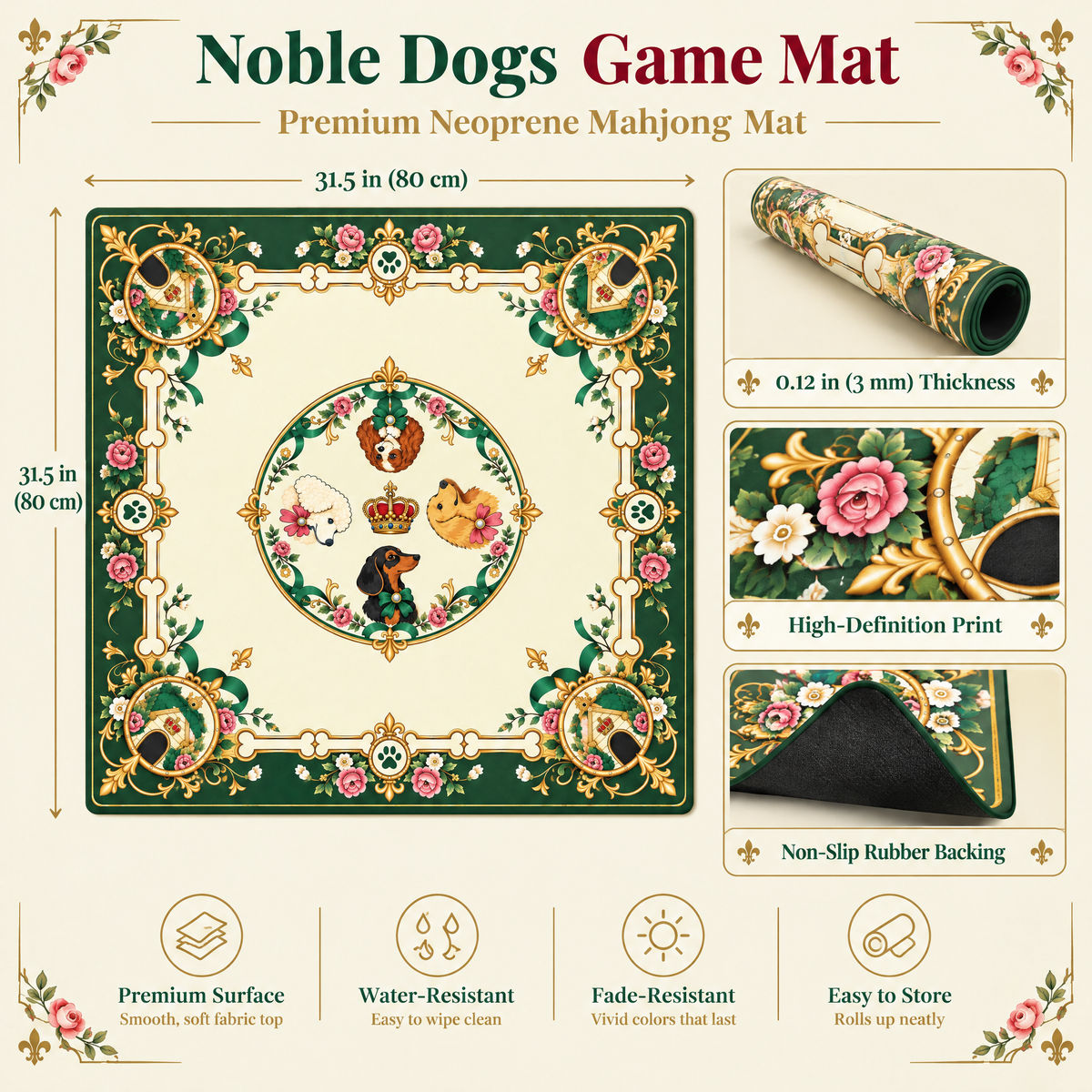
Each mahjong table requires one complete 152-tile American set (including 8 jokers) plus racks with pushers so everyone holds their tiles upright and can "push" discards visibly. A mat keeps tiles from sliding and marks the four player positions and center area. For a bridal shower, engraved mahjong sets with the bride's initials, wedding date, or a witty phrase ("Finally Taking the Hand I Want," "Bride Life = All Winning Hands") double as favors—guests take them home. If you're hosting two or three tables, buy two or three sets; if teaching a group of eight, one set suffices for rotating demonstrations. Mahjong racks with pushers are worth the investment because they prevent tile-stacking accidents and make the game feel polished. For mats, our mat collection includes designs suited to celebrations—solid colors, monogrammed options, and prints that photograph well.
Should you serve food during active play or between hands?
Between hands is safest. Tiles stain easily and fingers greasy from snacks damage the surface over time. Set up a side table with appetizers, drinks, and dessert; announce a "hand break" every 2–3 hands (roughly every 45 minutes) so guests can eat, refill drinks, and chat without worrying about sauce near the tiles. If you want to feel festive during play, serve only water or wine in glasses positioned away from the mat, and keep napkins nearby. Many hosts pair mahjong with brunch (tiles out mid-morning, play until lunch is ready) or cocktail hour (play first, then transition to food and dancing), which naturally separates game time from eating.
What makes a good mahjong party favor for bridal shower guests?
Favor Type | Who It's For | Why It Works |
Engraved acrylic set (personalized with date/couple's initials) | Enthusiasts or players who want a keepsake | Lasts forever; doubles as decor at home; feels luxe but practical |
Individual tile keychain or pin (engraved with bride's name or a joke) | Everyone—works even if they don't play | Small, takeable, photo-worthy; no commitment to owning a full set |
Mahjong-themed notecards or mini art print | Non-players; guests less interested in the game | Lets everyone participate in the theme without deck overwhelm |
Full gift set (set + mat + racks in a travel bag) | Close friends or family | Premium, complete, shows real investment; guests can host their own games |
Puzzle or mahjong solitaire deck | Casual players or solo-game lovers | Lower price point; guests play alone at home; bridges game enthusiasm and accessibility |
🀄 Shop best-selling mahjong sets →

How do you decorate a mahjong bridal shower venue?
Use tiles and their natural colors—jade greens, bamboo yellows, crimson reds from the suits—as your palette. Scatter loose tiles (spares or extras from old sets) as table runners, centerpiece accents, or place card holders. Printed mahjong motifs on napkins, menu cards, or signage (you can find printable designs online or have a designer create them) reinforce the theme without overwhelming the space. Play ambient music; avoid loud background noise so players can hear tile clicks and each other's calls. Set up a photo backdrop near your mahjong tables—guests love snapping pictures holding tiles or sitting at a "live play" moment. The tiles themselves are beautiful; let them be the star rather than competing with heavy decoration. String lights or a simple floral arrangement nearby add warmth without clutter. Most importantly, light the playing area well so everyone sees the tiles clearly and the colors show true.
🎁 See our most-loved mahjong sets & accessories →
What should you teach beginners so they can actually play, not just watch?
Start with three core concepts: how tiles are held and played, what a legal hand looks like, and how to call a winning hand. Show them the suits (Bams, Craks, Dots) and honors (winds, dragons). Teach them that a pung (three identical tiles) and a kong (four identical) are the only melds they can expose; sequences (1-2-3) do not exist in American mahjong, which is the biggest rule shift for anyone who's played another variant. Walk through one complete hand slowly: they draw, they discard, someone calls the discard, they form their melds on the table. Don't teach scoring on day one; just celebrate when someone completes a hand. Once they see the game flow once, most guests feel confident enough to play a second hand with less coaching. Have the current-year National Mah Jongg League card visible at each table; players reference it constantly, and beginners feel safer knowing there's an official "answer key" rather than relying on memory.
✨ Find your Mahstead set — free US shipping →
What to check before you buy sets and equipment for your shower
Set count & completeness. Make sure each set contains the full 152 tiles (not including spares) plus 8 jokers. A 160-tile set from Mahstead includes spare tiles for replacements; you're playing with 152, always. Count tiles when they arrive; acrylic sets rarely arrive damaged, but verify before day-of.
Rack and pusher fit. Test racks with your tiles before the shower; some racks are slightly tighter or looser than others depending on tile thickness. Pushers should slide smoothly. Bring a backup pusher or two in case one breaks during heavy play.
Mat size. Measure your table; a standard mat fits a 36–42 inch round or square table comfortably. If you're stacking tables or playing outdoors, measure twice.
Personalization lead time. Engraved sets take longer than plain acrylic. Order at least 2–3 weeks in advance if you want custom tiles or set imprints.
Lighting. The day of, position lamps or windows so tiles cast no shadow and colors are clear—crucial for teaching beginners and avoiding color-confusion mistakes (is that a Green dragon or white?).
FAQ
Can you play mahjong if you've never played before?
Absolutely. American mahjong rules are learnable in 10 minutes: learn the tile types, understand that you need a legal hand from the card, and play one full hand supervised. Most guests pick it up mid-game and play confidently by hand two.
What's the minimum number of people needed for a mahjong bridal shower?
Four people play one game; you need multiples of four for standard play. A shower with 8–12 guests works well (two tables). Fewer than four means teaching one-on-one, which is fine but less party-like.
How long does a single hand of mahjong take?
Typically 15–25 minutes for experienced players, 30–45 minutes for beginners learning. Total shower time of 3–4 hours allows 4–6 hands with breaks for eating, photos, and socializing.
Should the bride play, or host from the side?
Either works. Many brides love playing and being part of the fun; others prefer to mingle and watch, which lets them enjoy the party without the focus pressure. Decide based on the bride's comfort level and personality.
Can you use mahjong sets from different brands at the same table?
Not recommended. Tile sizes and weights vary; mixing brands feels off and can affect game flow and mood. Stick to one brand per table for the smoothest play.
What if someone wins very quickly or everyone ties?
Quick wins happen, especially with beginners who don't understand strategy yet—that's part of the fun. If ties occur, check the card together and call it a draw; no one "wins" that hand, just move to the next. Keep it lighthearted; the point is play, not competition.
Is it rude to ask guests to bring their own mahjong sets?
Not rude if you phrase it lightly ("If you have a set, bring it—otherwise we've got you covered"). However, mixed sets feel disjointed; if you want a cohesive look and smooth experience, provide your own sets. It's a bridal shower investment, not a burden on guests.


View More
View More
View More
