
Mahjong Table for Travel: Mats, Bags & Setup Guide
Last updated: Nov 23, 2026
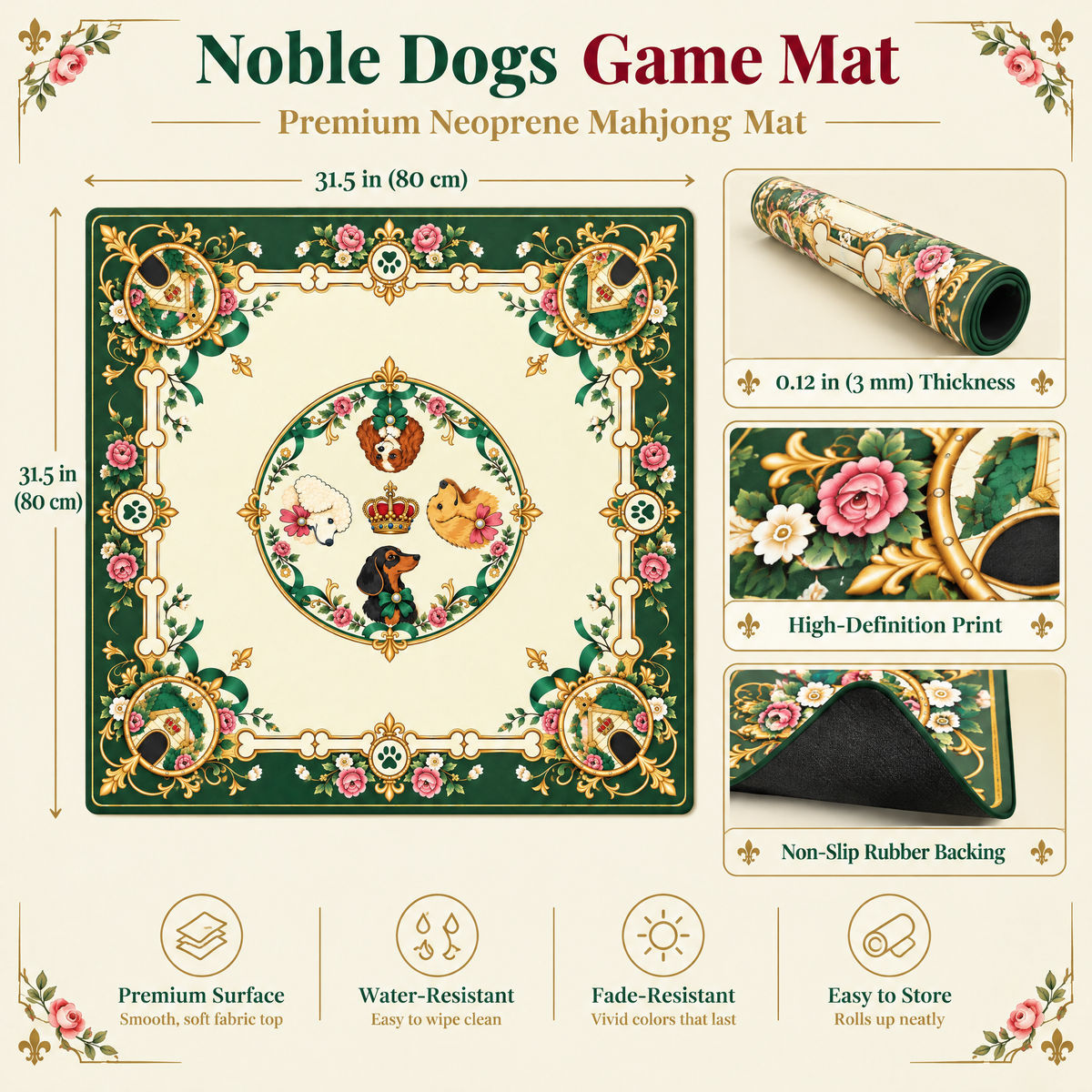
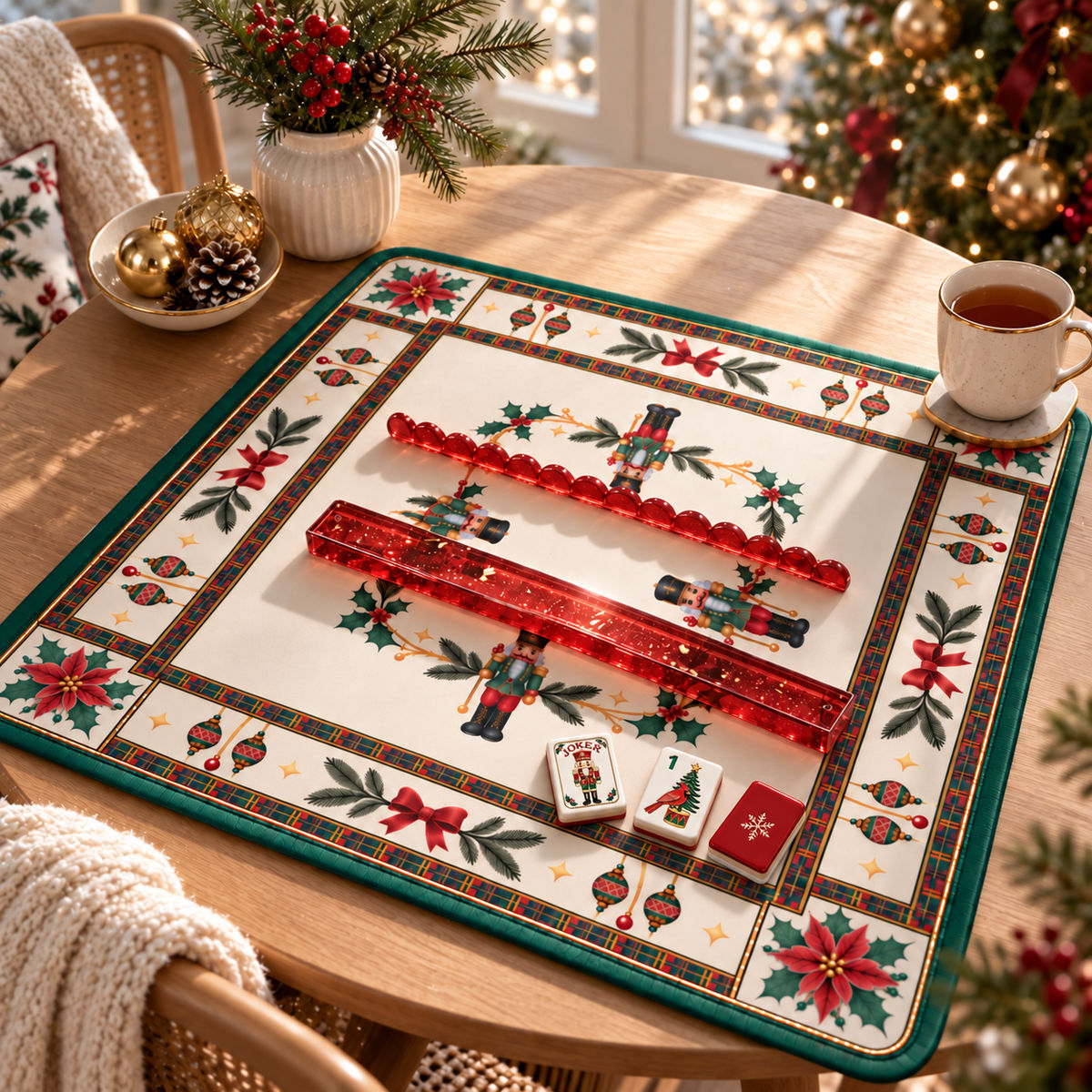
A travel mahjong table is a padded mat—typically 27" × 27" to 36" × 36"—that protects tiles and defines the playing surface on any existing table or counter. You'll pair it with a travel bag or case to carry your set, mat, and racks safely. Mahstead's mats roll or fold flat for luggage, car, or overnight bags, and hold a full 160-tile set with racks. Costs vary based on material (felt vs. premium), size, and whether you add pushers and dice storage. Skip oversized rigid tables for travel; a folding mat with a quality padded case is faster to pack, lighter, and fits any car trunk or suitcase. Most players set up in under five minutes at the destination.
A traveling player's biggest challenge isn't the tiles—it's keeping them safe and organized between games. A portable mahjong table isn't a table at all; it's a system: a padded mat, a protective case, and smart packing. We've hosted games at cabins, hotel conference rooms, beach houses, and friend's dining tables, and every time the setup comes down to the same decision: what mat size fits your group, how much padding you need, and whether your case has room for racks, pushers, and dice.
The core difference between a home table and travel is weight and volume. A permanent turntable with built-in racks, cup holders, and lighting stays put. A travel mat rolls into a cylinder or folds into quarters, weighs two to four pounds (with case), and fits under an airline seat or in a carry-on. You're trading built-in convenience for portability. The tradeoff is worth it if you play weekly somewhere other than your own home.
What size mat do you actually need?
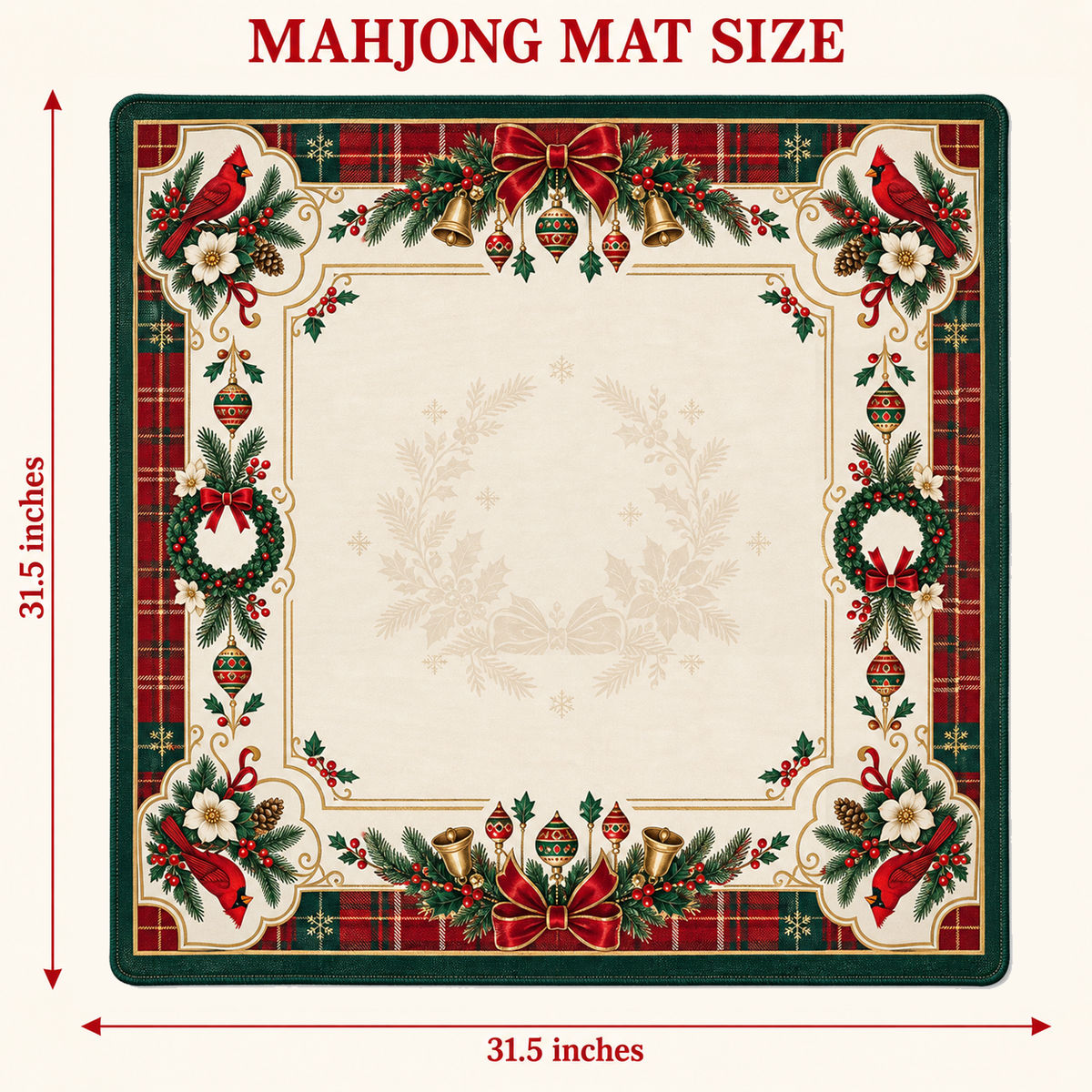
Mat dimensions range from 24" × 24" (for two-player games or practice) to 36" × 36" (four players with full racks displayed). Most traveling groups use 27" × 27" or 30" × 30" because they fit a standard folding card table, don't overhang vehicle seats, and still give each player room to arrange racks and discards. A smaller mat saves weight and luggage space; a larger one feels less cramped. Measure your destination table or car trunk before buying—"one size fits most" often doesn't fit your trip. Check the mat's folded dimensions too; some 36" mats compress to 12" × 12", others to 16" × 16", which changes whether they fit a weekend bag.
Rolled vs. folded: which packs faster?
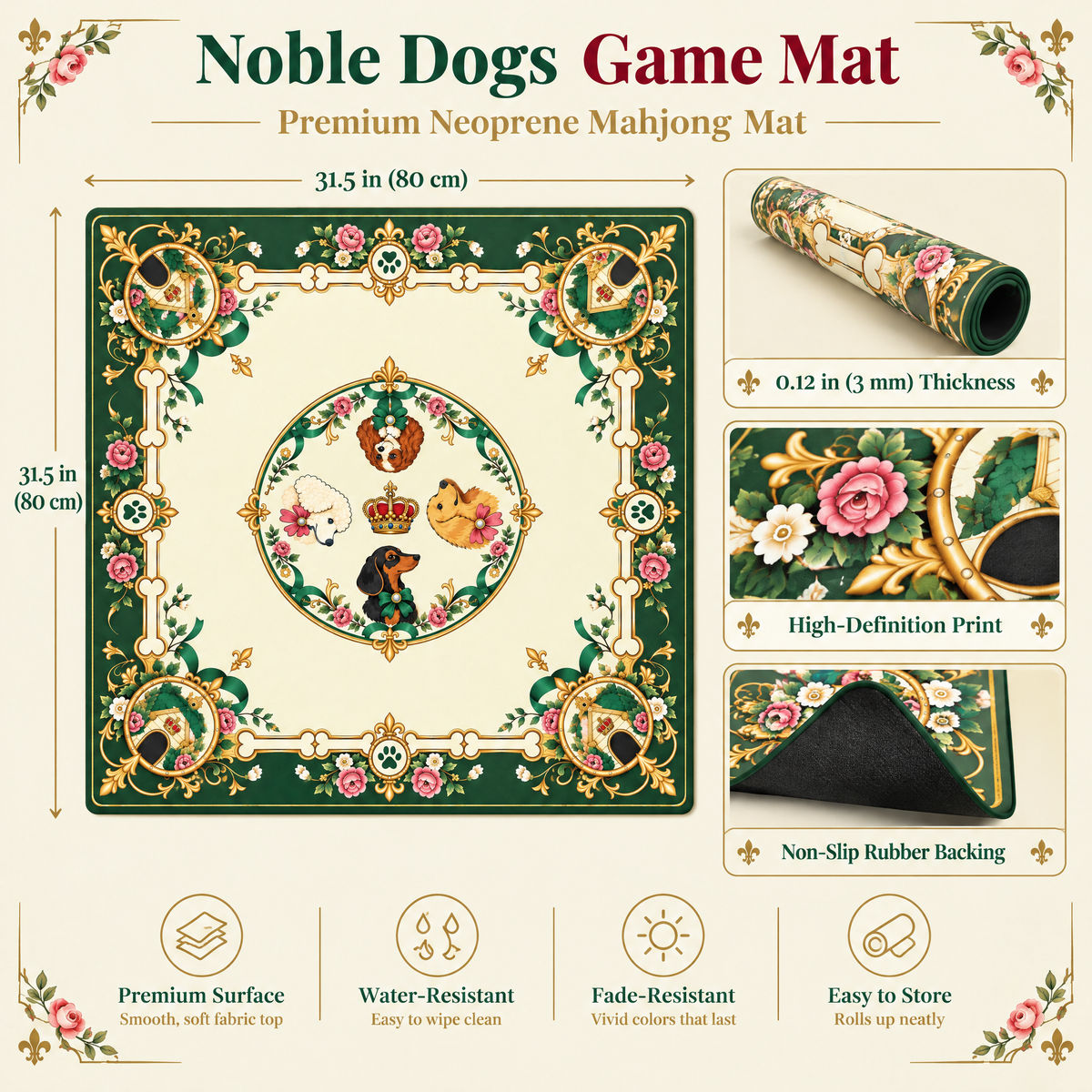
Rolled mats stay flat and take 10–15 seconds to unfold; folded mats save vertical space in a suitcase but take 30 seconds to square up and smooth wrinkles. Neither is wrong. Rolled mats work best in a dedicated tube case or a car back seat; folded mats fit into hard-sided luggage alongside your travel bag with tiles and racks. If you're driving, rolled is faster. If you fly with checked luggage or pack a soft duffel, folded saves depth. Most Mahstead mats can roll or fold depending on how you pack them, so buy the mat first and fit your case to it, not the reverse.
What padding thickness stops tile wear?
Mahjong tiles are tough—acrylic especially—but repeated sliding on a hard surface wears the faces and dulls the finish over 500+ plays. Padding thickness matters. A 1/8" felt layer (thinner mats) prevents scuffs and gives basic tile grip; a 1/4" or thicker layer adds sound dampening and cushioning that makes play feel smoother, less "clacky," and is worth the extra weight if you're 55+ or play with older acrylic sets. Double-check the product page; some mats list padding depth and material (felt, neoprene, rubber composite). Thicker isn't always better—a 1/2" mat is heavier, rolls into a larger cylinder, and may not fit your car. Thick enough to muffle noise and protect tile faces is the sweet spot.
How do you choose between a mat-only setup and a complete travel case?
This is a real fork in the road, and many of us have walked both paths. A mat-only approach means buying the mat separately, then sourcing a duffel or hard case independently. That gives you maximum flexibility—pick any bag you like, mix brands, adjust the setup over time. But it requires research and often costs more in total. A bundled travel case (mat plus case) costs less upfront and guarantees the case fits the mat. If you're new to travel mahjong, start with a bundled setup from our travel bag collection. You'll know everything works together. If you're a road warrior with strong packing preferences, buy the mat first, then find a case that fits your real-world travel style.
🀄 Shop best-selling mahjong sets →
What's the real cost difference between mats and full travel sets?
Item | Who it's for | Typical cost range | Why it works |
Mat only (27"–30") | Home player packing one trip | Budget-conscious; mat fits home table | Simplest entry; no redundant case |
Mat + case bundle | Weekly travelers; consistent group | Mid-range; mat + protective case in one box | Guaranteed fit; single purchase; free US shipping |
Mat + racks + case | Serious travelers; cabin rentals | Higher; includes racks, pushers, dice | Everything packed; no last-minute gathering |
Hard-sided transport case | Frequent flyers; checked luggage | Premium; rigid protection for tiles + mat | Airline durability; years of reuse |
The cost scales with convenience and durability. A mat alone is cheapest but requires you to own or borrow a case. A bundled mat-plus-case saves money and time. Hard-sided cases cost more upfront but last decades and protect against airport baggage handling. Most casual travelers start with a mat-and-soft-case bundle and upgrade to hard-sided only if they fly four or more times per year.
Do you need a mat if you already have racks?
Racks hold tiles upright for individual players; a mat protects the shared center surface where tiles live during the hand and where the Charleston happens. You need both for a proper setup. A rack without a mat means tiles slide around a bare table (and chip the table or tiles). A mat without racks means you're holding 13+ tiles in your hands or laying them flat in front of you, which slows play and leads to accidental showing. Racks with pushers pack into most travel cases designed for a full set; if your case is tight, you can ship racks separately or leave them home and use makeshift tile holders (a row of sticky tack, a folded card box edge). Not ideal, but it works for a casual trip.
🎁 See our most-loved mahjong sets & accessories →
What about mat vs. table cover—are they the same?
No. A table cover (also called a cloth or tablecloth) drapes over a table and hangs to the floor; it's often decorative and used for setting ambiance or concealing a permanent turntable. A mat lies flat on top of the table, stays put during play, and is purely functional—it defines the play area, protects tiles, and packs into a case. For travel, you want a mat. A table cover is home-only unless you're traveling with a full turntable (which defeats the point). Learn more in our guide on mat vs. table cover and how to choose the right mat for your style.
What to check before you buy
Measure your destination table or car trunk. A 36" mat overhangs a 30" card table. A rolled mat might not fit your vehicle's back seat.
Confirm the mat can roll or fold. Some rigid mats don't flex; others do both. Check the product photo and description.
Count what fits in the case. Will your 160-tile set, racks, pushers, and dice all fit, or will you need a second bag?
Test the padding by feel. Visit a dealer or ask for a sample if padding thickness is critical to your group's play style.
Check if the mat has a carrying handle or straps. Handles speed airport or car loading; straps are optional but nice.
Verify the case is water-resistant (not waterproof). Travel mats don't need waterproofing; water-resistant prevents spills from soaking your tiles.
Look for a mat with a non-slip base. It won't slide around on a glossy hotel table.
✨ Find your Mahstead set — free US shipping →
FAQ
Can I use a yoga mat or card table mat instead of a mahjong mat?
No. Yoga mats are too thick, too soft, and muffle tile slides. Card mats are too small and lack the tile-grip felt face. A mahjong mat is engineered for tile speed, sound, and tile protection—don't substitute.
Do I need to store my tiles on the mat at home, or just use it during play?
Use it during play only. Store tiles in their case on a shelf to keep dust out. Leaving tiles on a mat exposed can fade them over months.
Will a travel case fit inside checked luggage on a commercial flight?
Most bundled cases fit under a carry-on or checked bag. Measure the case dimensions and compare to your airline's allowed size. Hard-sided cases are more durable for checked baggage.
Can I wash a mahjong mat if it gets stained?
Yes. Wipe surface stains with a damp cloth and mild soap; air-dry flat. Don't soak or machine-wash. Check the product page for material-specific care.
How often do travel players replace their mat?
A high-quality mat lasts 3–5 years of weekly travel play. Replace when the felt face wears thin, the padding flattens, or the case hinges crack—whichever comes first.
Is a thinner, lighter mat worth the risk of less protection?
If you play casually (1–2 times per month), a 1/8" mat works fine. For weekly or daily travel play, invest in 1/4" padding. The weight difference is one pound at most.
What's the best way to pack a mat into a suitcase with a full 160-tile set?
Fold or roll the mat first, then set it flat on the suitcase bottom. Place the tile case on top, then add racks and pushers around it. This sandwich approach prevents shifting and saves space.
Can I buy just the mat and case separately, or do they have to be bundled?
Both. Mahstead offers bundled mat-plus-case sets and also sells mats and travel bags separately. Buy them together if you want guaranteed fit and one-box convenience, or separately if you have strong preferences about case style or already own a suitable bag.


View More
View More
View More
