
Mahjong Table Buying Guide: Mat, Set & Setup Essentials
Last updated: Nov 23, 2026
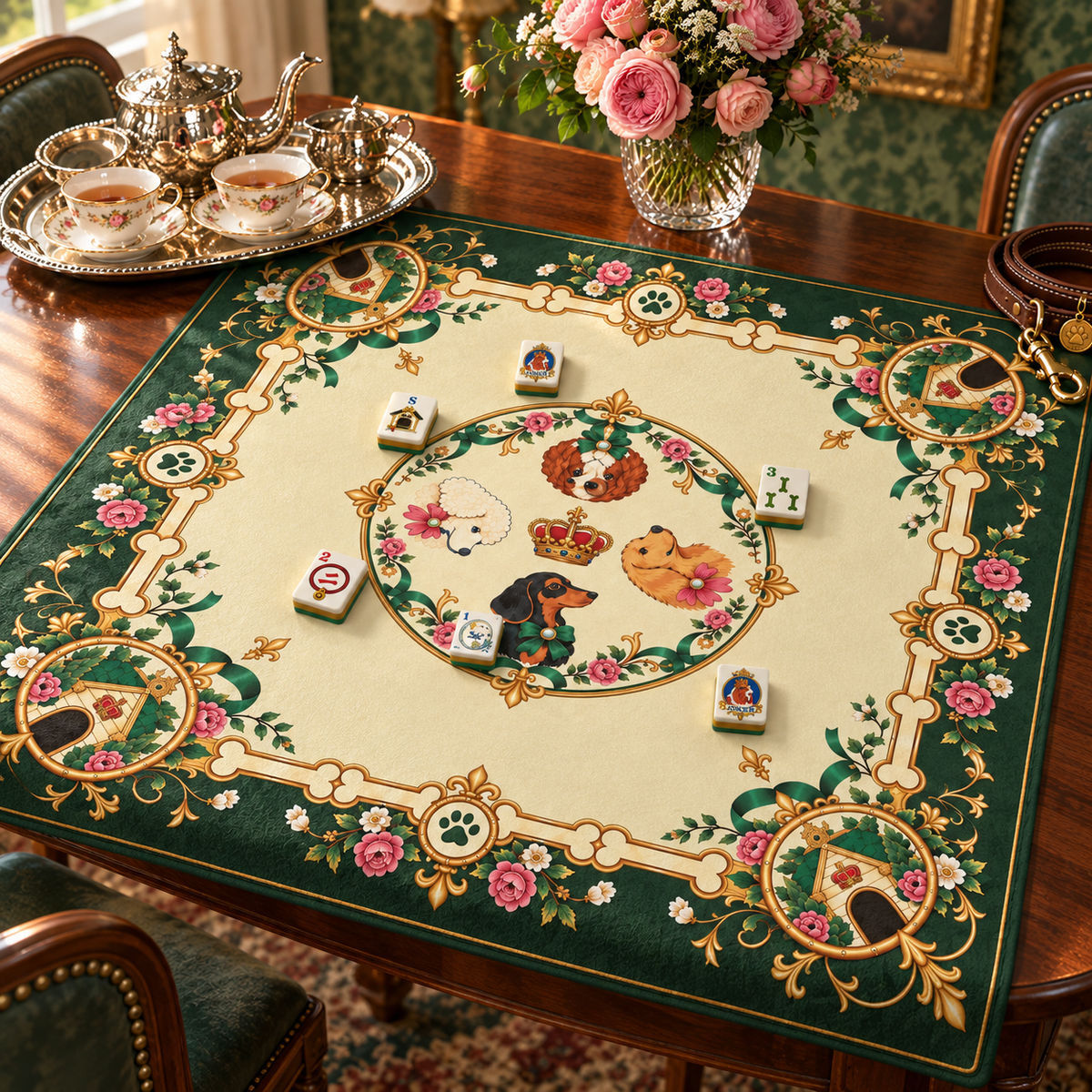
A mahjong table for home play consists of three core layers: a dining or card table (36–52 inches), a drainage mat with cup holders and stick racks, and a 160-tile set in its carrying case. The mat sits atop your table to catch loose tiles, keep jokers visible, and hold scoring sticks; it's not optional—tiles scatter constantly during play, and a mat prevents damage and lost pieces. Sizing matters: mats range from compact (for smaller tables) to full-size (55 inches+), designed to fit standard furniture without overhang. Material determines durability; felt-backed vinyl resists spills and wears well. Most home players spend their equipment budget on a mat plus quality tiles from a best-selling collection, not a dedicated mahjong table, since a regular dining table works fine underneath. Before ordering, measure your table width and length, count how many people play at once, and check whether you need cup holders and stick slots or prefer minimalist design.
Do I need a mahjong mat or just a table cover?
A mat and a tablecloth are not the same thing. A mat is purpose-built: it has molded cup holders, dedicated stick racks, tile drainage channels, and scoring zones marked with printed symbols or embroidered details. A tablecloth is decorative and slippery. For serious weekly play, a mat prevents tiles from sliding and centralizes your game. For casual play, a cover keeps your furniture clean but won't organize your tiles or protect them from rolling onto the floor. Our players always choose a mat.
🀄 Shop best-selling mahjong sets →
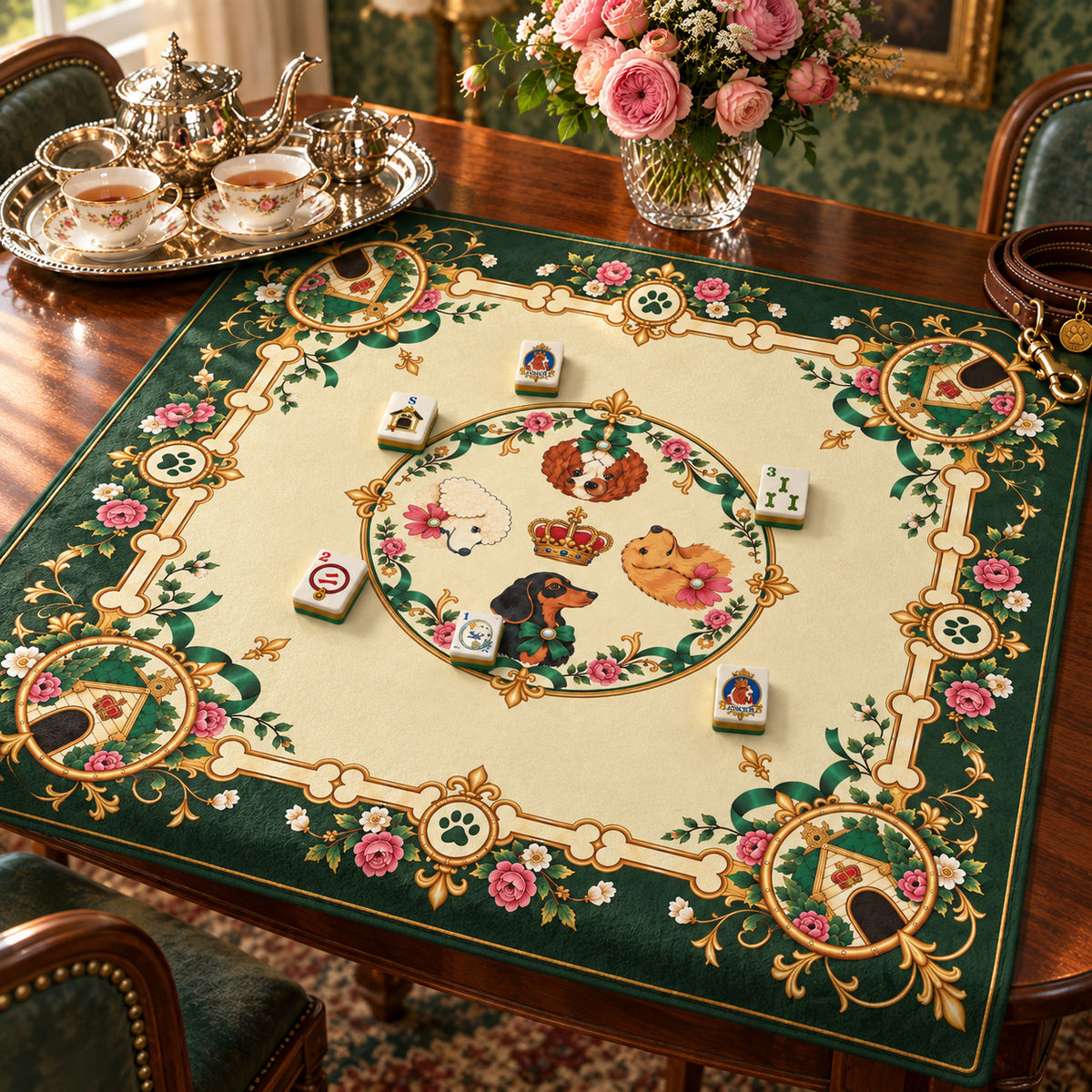
What size mat do I actually need?
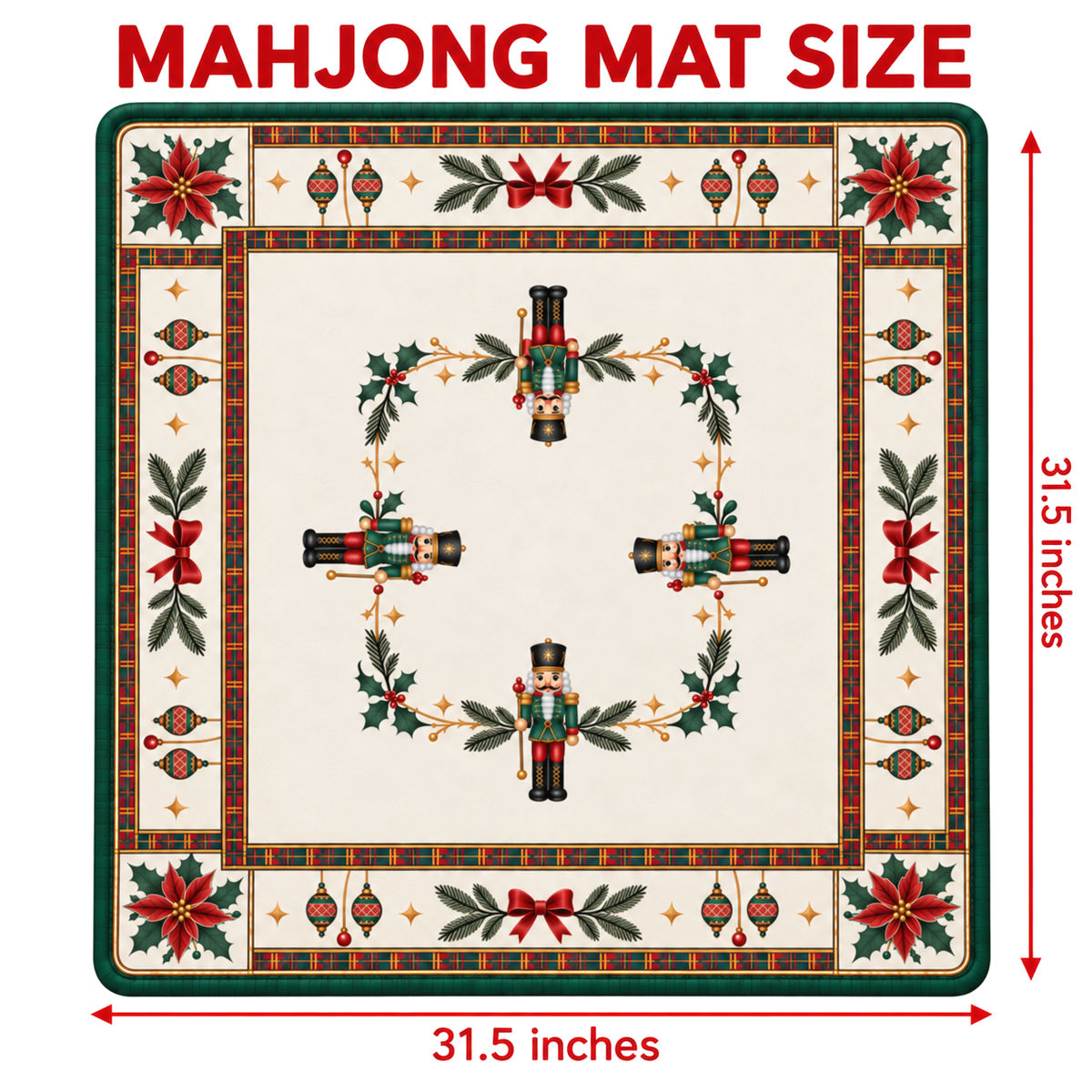
Mat size depends on your table dimensions and player count. Standard American mahjong seats four players around a square or rectangular table. A mat should cover the central play zone without spilling off the edges; if your table is 48 inches wide, a 48-inch mat fills it. If your table is larger (60+ inches), a 55-inch or oversized mat gives you room to spread hands. Measure your table first. Our mahjong mats collection lists dimensions for each design. Too small and tiles roll onto the wood; too large and it bunches or hangs loose. Get it right and your hands stay contained, scoring sticks remain visible, and cleanup takes thirty seconds.
Mat materials: vinyl vs. felt vs. microsuede—what's the difference?
Material | Feel | Durability | Drainage | Best for | Maintenance |
Vinyl (felt-backed) | Smooth, slightly tacky | 3–5 years heavy play | Excellent; tiles don't stick | Most home games; weekly players | Wipe with damp cloth |
Felt (100%) | Soft, matte | 2–3 years; wears faster | Moderate; can hold moisture | Casual, occasional play | Brush gently; avoid liquids |
Microsuede | Luxury feel; plush | 4–6 years | Good; quick-drying | Players who want premium look | Spot-clean only |
Vinyl with felt backing is the workhorse: it grips tiles just enough to prevent sliding, sheds liquid, and survives spilled cocktails. Felt alone feels nicer but absorbs water and stains. Microsuede is premium but requires careful handling. For weekly home games, vinyl wins on practicality and cost. If you entertain occasionally and want a polished look, microsuede is worth it. Check the product description to confirm material before ordering.
What drainage and cup-holder features matter most?
Look for a mat with molded cup holders—not printed ones—because real indents keep drinks from tipping when you lean in to call a hand. Tile drainage grooves or a sunken central play area matter only if you spill frequently; if your group is careful, a flat mat works fine. Stick racks (built-in pockets or embroidered slots for scoring sticks) are convenient but optional; you can rest sticks on the table edge. The real essential: a slightly raised lip or texture at the center so tiles don't slide into laps. Our mahjong mats come with these features by default. Ask the product description whether the mat includes printed or molded elements before you buy.
How do I match the mat to my tile set and racks?
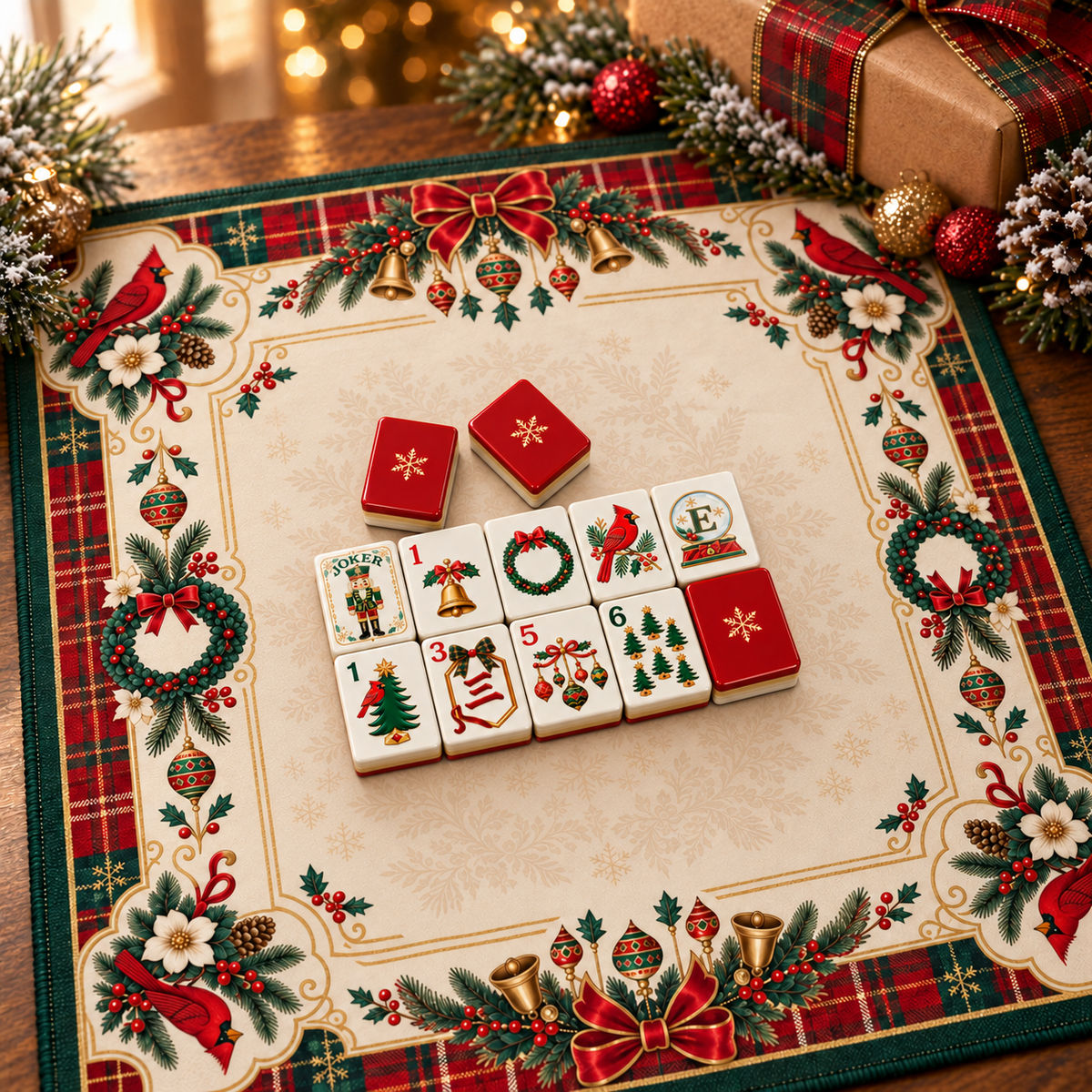
Your mat, tiles, and racks don't have to match in color or style, but they should work together. A traditional dark-green mat pairs well with bone-and-bamboo tiles or acrylic tiles in standard colorways. An embroidered or engraved mat (like our mahjong titles collection) looks best with solid acrylic sets. If you own racks with pushers, check that the mat's cup holders fit your rack width (most standard racks fit most mats, but oversized racks may not). Consider the sightline: printed or embroidered mat designs should not interfere with reading tile faces. When shopping, lay out your tiles on the mat in your mind—do the colors clash? Do you like the mix? A mat is an investment; live with your choice for a season before upgrading.
🎁 See our most-loved mahjong sets & accessories →
What are the most common mat-buying mistakes?
Buying too small: A 36-inch mat on a 48-inch table is frustrating—tiles still fall. Measure twice.
Forgetting about overhang: If your mat hangs more than 4 inches over the table edge, it will bunch or slip when players lean on it.
Choosing felt for a drink-heavy group: One spilled margarita and felt mat becomes a permanent coffee-stain gallery. Vinyl is more forgiving.
Not checking drainage: If you play near a kitchen or with kids, a mat without a raised center becomes a tile lagoon. Verify drainage before ordering.
Matching mat size to old tables: Vintage card tables vary wildly in width. Our mats come in multiple sizes—pick the one that fits your actual table, not a standard size.
Skipping the case: After you invest in a mat, buy a mahjong bag or case to store it. Mats flatten and attract dust in open air. A case keeps everything ready to go.
✨ Find your Mahstead set — free US shipping →
What's the full table setup checklist before your first game?
Measure your table (length and width in inches).
Order a mat that fits your table and seats four comfortably.
Get a 160-tile set (acrylic or bone-and-bamboo; your choice).
Check that cup holders fit your table edge (most do; oversized tables may need a larger mat).
Verify your mat material (vinyl for weekly play, felt for show, microsuede for luxury).
Order scoring sticks if they don't come with your set (or use paper, dice, or a scoring app).
Test one round at home before inviting friends; you'll spot any sizing or placement issues fast.
Buy a case once you're sure—it protects the mat from dust and damage between games.
Keep a small towel nearby for accidental spills on felt or microsuede mats.
A fully equipped home mahjong table costs less than a night out and lasts years if you care for the mat. For weekly players, this investment pays off in seconds—no more scrambling for lost tiles or resetting the table between hands.
FAQ
Can I use a regular dining table without a mat?
Technically, yes—tiles won't damage wood. But tiles roll constantly during play, fall onto laps, and scatter across the floor. A mat contains them, marks the play zone, and holds cups upright. After one gameless evening, you'll want one.
What size mat fits a 48-inch square card table?
A 48-inch mat is a safe fit. Measure before ordering to confirm your table is actually 48 inches; vintage or imported tables vary. If in doubt, choose the next size up to avoid spillover.
Can I wash a vinyl mat?
Yes. Wipe it with a damp cloth and mild soap. Avoid bleach and machine washing. Microsuede and felt should be spot-cleaned only—ask the seller for care instructions before ordering.
Do I need both a mat and a case for storage?
A mat alone will flatten and collect dust if left exposed. A case rolls or folds it, keeps it clean, and makes transport easy. If you host weekly games, a case is worth the extra investment.
What if my mat is too big for my table?
Mats that overhang more than 4 inches tend to bunch and slip when players rest their weight on the edge. If your mat is too large, order the next size down or get a different table. Measure first to avoid returns.
Can I use a mat on an irregular or antique table?
Yes, as long as the table surface is flat and the mat sits level. Uneven surfaces cause mats to wrinkle or shift. Place a thin rubber gripper pad under the mat if your table is slightly uneven.
Is a microsuede mat worth the extra cost?
If you entertain often and want a luxury feel, yes. For weekly casual play, vinyl is durable and practical. Microsuede requires more care and won't outperform vinyl functionally—it's a style choice.


View More
View More
View More
