
Mahjong Starter Kit: What to Buy for Your First Game
Last updated: Nov 23, 2026
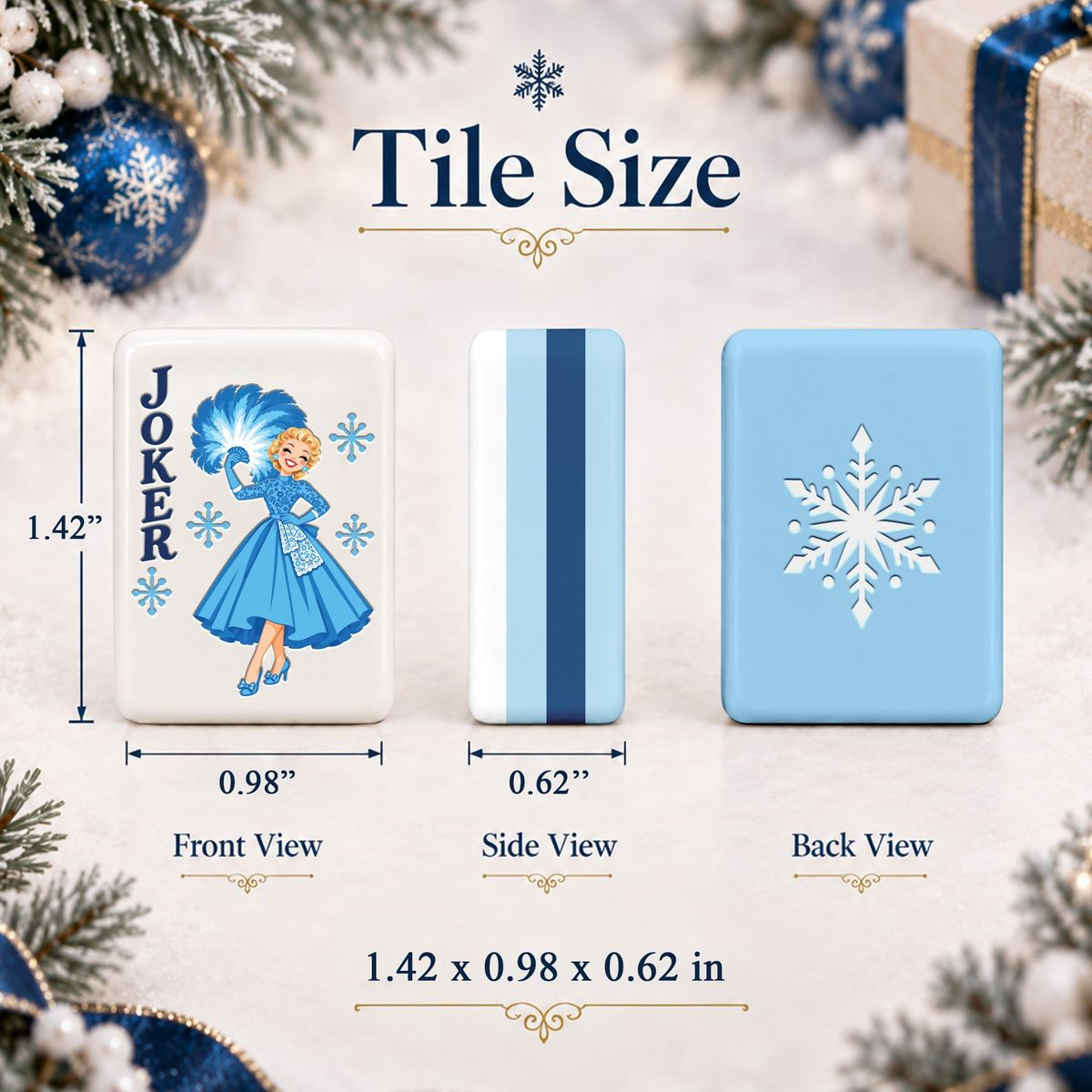
A mahjong starter kit is a bundled or self-assembled collection of the four essentials: a 160-tile American mahjong set, a felt or vinyl mat (typically 27" × 27" to 36" × 36"), four racks with pushers, and a storage bag or case. The set contains the 152 tiles used in play plus spares; the mat protects your table and marks the four player positions; racks hold and organize each player's tiles; and a bag keeps everything portable between games. Most new players buy these pieces separately from our best-selling collection, selecting acrylic tiles (cleaner, louder click than bone/bamboo, easier to read) and a mat size based on table dimensions. A basic starter setup costs less than most board games and lasts decades if tiles are handled gently and stored dry. Many groups prefer engraved sets for personality—team names, player initials, or yearly dates on the rack or case—turning a starter kit into a cherished tradition rather than gear.
What's actually inside a mahjong set you'd buy today?
American mahjong sets contain exactly 152 tiles plus spare tiles in a 160-tile package: three suits (Bams, Craks, Dots; 1–9, four copies each), 16 winds (four each: North, East, West, South), 12 dragons (Red, Green, White), eight flowers, and eight jokers. The 1 Bam typically shows a bird; the White dragon often doubles as a zero in scoring. Jokers can fill in for any tile when exposed in a set, but never as a single tile or pair—this is core to American play and differs sharply from Chinese variants. All tiles are sealed in a box or case; acrylic tiles (Mahstead's material) are color-printed on solid resin, bright under any light, and produce a satisfying sharp sound when drawn or placed. No blanks are mixed into the 152 playing tiles; any blanks or extra jokers in a 160-tile package are spares kept apart during play.
🀄 Shop best-selling mahjong sets →

Why does the mat size matter for your first purchase?
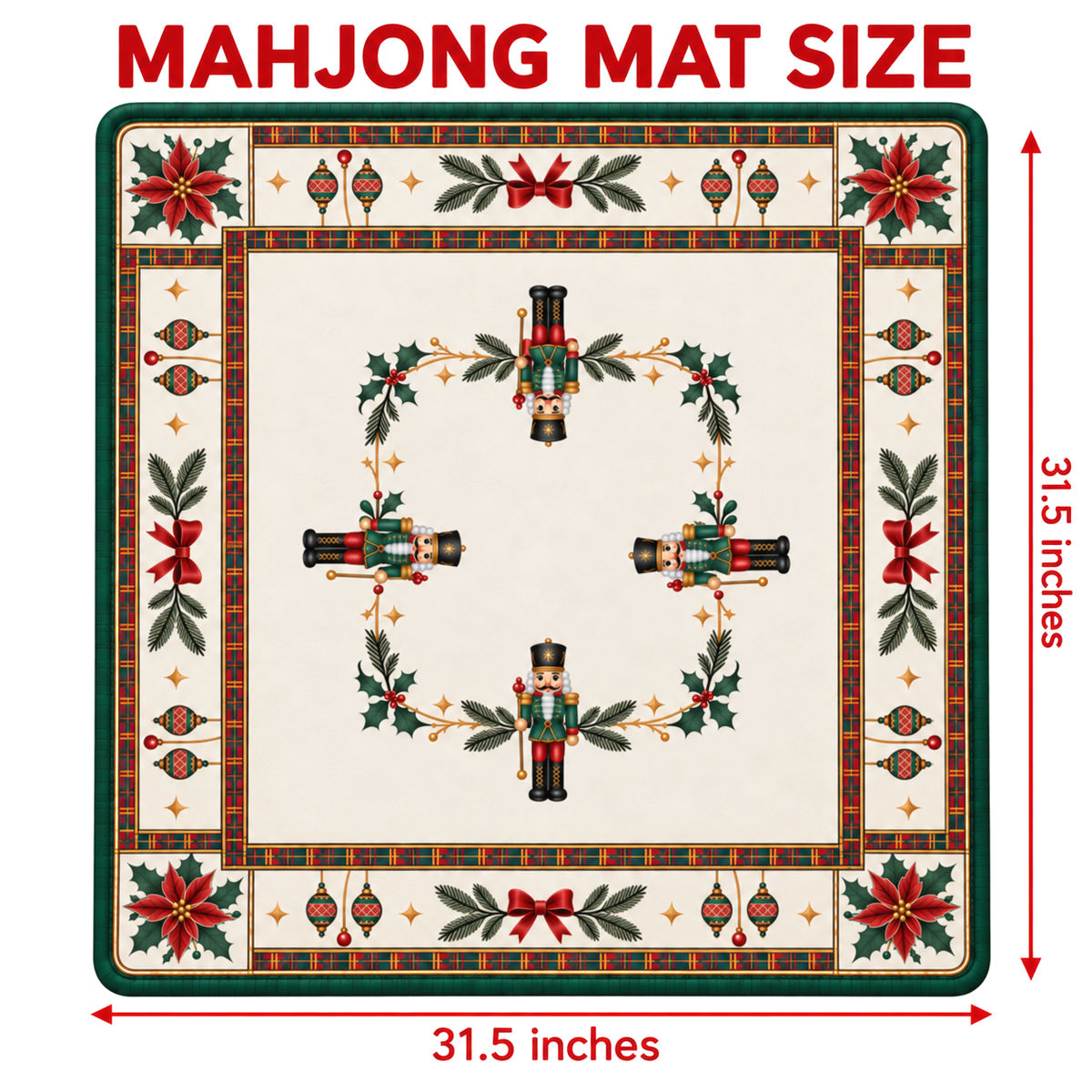
Mat size depends on your table and how many tiles you want visible when holding your hand. A 27" × 27" mat fits a small side table or apartment and leaves limited space for discards; a 36" × 36" mat spreads across a standard dining table and gives each player a full row for melds, Kong box, and hand, reducing accidental tile bumps and making reads easier for beginners. If your table is smaller than 36", a 27" × 27" works but feels tight when four people play; if larger, a 36" × 36" becomes the comfortable standard. The mat also defines the four player quadrants with printed positions (dealer, right, opposite, left), which is essential for the Charleston—the mandatory tile-passing ritual before every hand. A felt mat grips tiles and slows play slightly (good for learning pacing); vinyl mats slide faster and are easier to wipe clean after snacks. Measure your table diagonal or width before ordering, as a mat that overhang the edge can cause tiles to fall, and a mat too small will crowd play.
How do racks and pushers change the game for beginners?
Racks hold your 13 tiles upright and hidden from opponents; pushers (small sticks) help you slide tiles smoothly and avoid knocking over neighbors' racks when drawing. For new players, racks transform mahjong from chaotic to manageable: you can see all your tiles at once, plan your hand faster, and avoid the amateur mistake of accidentally exposing tiles. Most racks are wood or bamboo, 12–14 inches long, with a slot for each tile and a small recessed space for the pusher. Four racks (one per player) are essential; many players buy an extra set of four as backups or for a second table. A rack set from our mahjong racks collection includes the pushers and comes ready to use. Beginners often underestimate racks until their first game: after an hour of organizing loose tiles, you'll understand why they're worth the investment. Without racks, tiles tip, hands slow down, and disputes erupt over who saw what.
🎁 See our most-loved mahjong sets & accessories →
What's the difference between a bag and a case for your kit?
A mahjong bag is typically a padded canvas or nylon drawstring or zippered pouch that holds a set and weighs under a pound when packed; it's for transport between homes or casual storage. A case is a hard-sided box or wooden chest with latches, often with custom compartments for tiles, racks, dice, and score pads, and takes up permanent shelf space. Bags are ideal for players who rotate games between three homes and value portability; cases suit players with a dedicated game room or those who want everything organized and protected long-term. A bag costs less and fits in a car trunk or closet; a case is an heirloom purchase—players report keeping one for 15+ years. The mahjong bags and cases collection includes both styles; some feature engraved nameplates or group logos, turning a functional container into a trophy. If you play weekly in one location, a case makes sense; if you're the host who travels to different tables, a bag is enough.
Comparing starter kits: self-assembled vs. all-in-one
Kit Type | Who It's For | What's Included | Time to Play | Why It Works |
Set + basic mat + racks | Budget-conscious beginners | Tiles, 27" mat, 4 racks | 10 min setup | Covers essentials, no extras. |
Set + premium mat + racks + bag | Groups playing weekly | Tiles, 36" mat, 4 racks, padded bag | 10 min setup | Everything portable, comfortable play. |
Set + case + mat + racks + accessories | Serious hobbyists | Tiles, hard case, mat, 4 racks, dice, score sheets | 10 min setup | Organized, heirloom-quality, no searching. |
Engraved set + mat + racks | Leagues, team play | Custom-printed tiles/rack, 36" mat, 4 racks | 10 min setup | Personal touch, builds group identity. |
The "set + basic mat + racks" route costs least and works fine for a first hand; "set + premium mat + racks + bag" is the most-bought combo because it balances affordability and comfort. Engraved sets from our mahjong titles collection add personality without delaying play—custom tiles or pushers with names or year are printed before shipment, so order 2–3 weeks before your first game if you want custom work.
What to check before you buy your first kit
Tile material: Acrylic is the default for new sets (bright, loud, durable). Bone and bamboo feel premium but are heavier and fade if left in sun. If you play outdoors or in a humid room, acrylic handles moisture better.
Set condition: Buy new sets only; used sets often have missing jokers or cracked tiles. American play requires exactly eight jokers and one of each tile number, so a damaged set breaks games mid-hand.
Mat size fit: Measure your table width or diagonal. A 36" × 36" mat works for most dining tables; 27" × 27" for smaller tables or tight spaces. Oversized mats overhang and cause tiles to spill.
Rack quantity: Always four. If you ever host five players, buy a second set of four racks now; finding matching racks months later is nearly impossible.
Bag or case durability: If you're transporting a set weekly, a padded bag should have reinforced corners and a wide mouth for easy packing. If storing long-term, a case keeps dust and light off acrylic tiles.
Shipping: Mahstead offers free US shipping; sets typically arrive within 1–2 weeks. Acrylic tiles can shift during transit, so open your box and lay out all tiles on arrival to confirm nothing broke.
How do you actually assemble and test your new kit?
Unbox your set and lay all 152 tiles face-up on your mat to verify nothing broke. Count each suit (36 per suit = 108), winds (16), dragons (12), flowers (8), and jokers (8); a missing joker now prevents ten games later. Place your mat on the table with the four player positions visible (usually marked "Dealer," "Right," "Opposite," "Left"). Position the four racks at each seat—each rack should face the player and sit parallel to the mat edge. Place tiles in your racks in the order you'll draw them (not yet by hand strategy). Shuffle a practice hand: grab 13 tiles and sit down; you should be able to see all 13 comfortably without exposing them to neighbors. Test your pusher—it should slide under a tile without lifting it or nudging neighbors' racks. If anything feels crowded or tiles slip, adjust your mat size or test a smaller table. Before inviting players, host a solo practice round: draw from the wall, discard, make a pung exposure—this catches setup issues before guests arrive.
✨ Find your Mahstead set — free US shipping →
Should your first kit include engraved or custom tiles?
Engraved tiles, cases, or racks let you personalize your kit with names, team logos, dates, or inside jokes. This turns a starter kit from "generic game set" into "our group's tradition"—players often report that custom gear boosted their commitment to learning the game and showing up weekly. Common custom choices: player initials on the pusher, the year on the rack, or team names on the case latch. Custom work adds 2–3 weeks to delivery (compared to standard sets that ship ready-made), so order early if you're hosting a debut game on a specific date. The engraved American mahjong sets collection shows design options and lets you preview how names or logos look on tiles and racks. Custom sets cost more than standard kits, but many groups split the cost across players and keep the set for years, making the per-game expense negligible. If this is your first mahjong experience, start with a standard set; if you're the third-generation player in your family or leading a new league, engraved gear justifies the upfront investment.
Troubleshooting: common starter kit mistakes we see
Mistake: Buying a 144-tile set or a variant set (Hong Kong, Riichi). Why it fails: American mahjong requires exactly 152 tiles and eight jokers; Hong Kong and Riichi sets use different tile counts and hand lists. Your NMJL card (the hand reference sheet for American play) won't work with other variants. Stick with a 160-tile American set on your first purchase.
Mistake: Skipping the mat and playing on a bare table. Why it fails: Tiles slide, corners get dinged, the four player zones blur, and the Charleston (tile-passing setup) becomes confusing. A mat costs less than a replacement set and lasts forever.
Mistake: Buying racks and pushers separately from different vendors. Why it fails: Pushers vary in thickness and length; a thin pusher might not fit a thick rack's slot, leaving you with mismatched gear mid-game. Order a matched set of four racks with their pushers from one maker.
Mistake: Ordering custom tiles one week before game night. Why it fails: Engraving and shipping take 2–3 weeks. If you want custom gear, order 4–6 weeks ahead or stick with standard sets for debut play.
FAQ
Do I need to buy jokers separately?
No. A 160-tile American mahjong set includes eight jokers. They're essential to American play and come packaged with the set; you'll never need more during a four-player game.
Can I use a smaller mat if my table is tight?
Yes, but play becomes cramped. A 27" × 27" mat fits small tables and works for learning, but a 36" × 36" mat is considered standard for comfortable four-player games. If your table diameter is under 36", a smaller mat is necessary.
Are acrylic tiles better than bone and bamboo for beginners?
Acrylic is easier for beginners: tiles are brighter and easier to read, they make a satisfying sound, and they're durable if you're still learning careful handling. Bone and bamboo feel premium but are heavier and more expensive; most serious players prefer acrylic anyway.
What if I lose a tile or joker after my first month?
A 160-tile set includes spare tiles beyond the 152 in play. If you lose a common tile (like a 5 Dot), you can often locate a spare in the original box. If you lose a joker, you can substitute with a blank or order replacement jokers separately. Always confirm your spare tiles before storing your box.
How long does it take to set up and play my first game?
Setup (unboxing, mat placement, shuffling) takes 10 minutes. The Charleston (tile-passing ritual) takes 5 minutes. Your first hand typically takes 20–40 minutes as everyone references the NMJL card; subsequent hands speed up. Expect 2–3 hours for four people playing four to six hands.
Should I buy a case or a bag for my first kit?
Start with a bag if you travel between homes weekly or play at different venues; buy a case if you host at one location and want long-term organization. Cases are an upgrade for players who've hosted 20+ games and know they're committed; bags are ideal for testing the hobby.


View More
View More
View More
