
Mahjong Solitaire Winning Hands: Rules & Strategy
Last updated: Nov 23, 2026
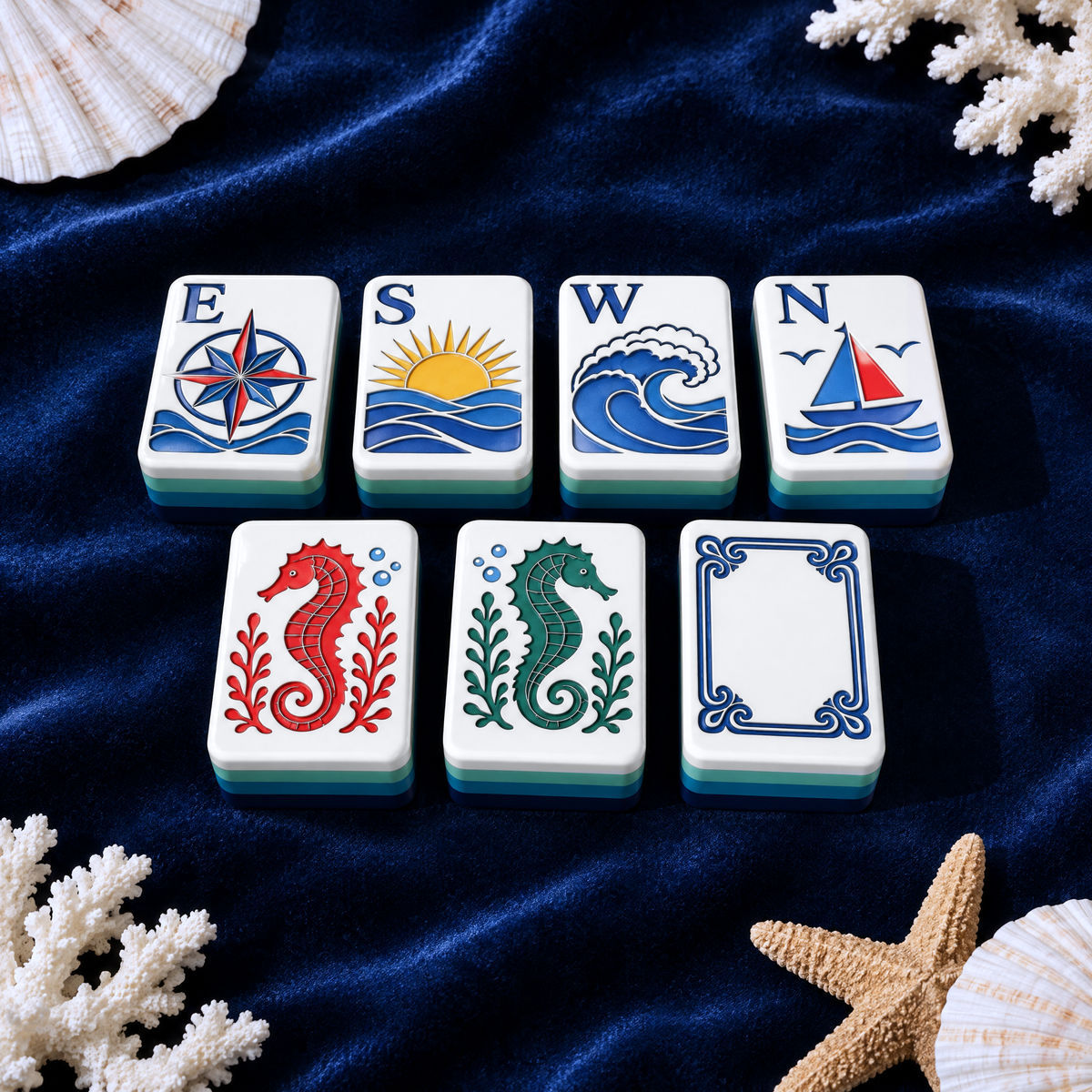
Mahjong solitaire winning hands are single-player puzzle games where you match identical tiles from a stacked formation until none remain. Unlike American mahjong, which requires four players and the current-year National Mah Jongg League card, mahjong solitaire is a casual solo variant using a standard 152-tile set (Bams, Craks, Dots, winds, dragons, flowers, jokers). A winning hand clears the entire pyramid or stack in one session, usually taking 5–15 minutes. Winning depends on exposing pairs legally—only tiles with at least one free long edge can be matched. You can pair any two identical tiles: three 5 Craks with three 5 Craks, or flowers with flowers. Jokers never substitute; they're dead weight in solitaire. Most modern digital versions offer unlimited undo, but tabletop solitaire forces you to plan ahead, making it harder and more rewarding. Success rates hover around 30–40% on random shuffles, so a winning hand is never guaranteed—that's the appeal.
What tiles can you match in a winning hand?
In mahjong solitaire, you match only identical tiles. The 152-tile American set includes three suits (Bams, Craks, Dots numbered 1–9, four copies each), 16 winds (four N, E, W, S), 12 dragons (four Red, four Green, four White), eight flowers, and eight jokers. Two tiles are a legal pair only if they're completely identical—same suit, same number, same symbol. Three 5 Dots pairs with three 5 Dots, never with a 5 Crak. Four North winds pair with another North wind. Red dragon pairs with red dragon. Flowers pair flower-to-flower, winds with their exact match, and jokers only with jokers. Crucially: you cannot pair a 1 Bam (which shows a bird) with a blank or any other number. Every pairing must be exact. This strict rule separates mahjong solitaire from variants that allow wildcard substitution—precision is what makes it challenging.

How does the free-edge rule work?
A tile is free (playable) only if at least one of its long edges has no tile covering it or sitting directly beside it. In a classic pyramid stack, tiles lower down are blocked by tiles above; in a flat arrangement, tiles boxed in on all sides are trapped. Before you can claim a pair, both tiles must be free. Picture a three-tier pyramid: the top tile is always free. The second tier has two tiles; they're free only if nothing sits on top of them. The bottom row is buried until you remove the tiles above. Many players lose solitaire rounds because they don't see which tiles are actually free—they grab tiles that look accessible but can't be removed. Digital solitaire highlights free tiles; tabletop play requires you to spot them yourself. This rule creates the puzzle: you must remove tiles in the right order, or you'll trap matching pairs beneath unmatched tiles and lose the game. Winning hands demand constant scanning for which pairs you can legally remove now, not which pairs exist somewhere on the board.
🀄 Shop best-selling mahjong sets →
Why can't jokers be used as wildcards?
In American mahjong games, jokers are wild tiles that substitute for any tile in a pung (three-tile group), kong (four), or larger set—except they cannot be used as a single tile or as half of a pair. In mahjong solitaire, jokers follow the same rule: they pair only with other jokers. A joker never stands in for a 5 Crak, a White dragon, or a flower. Eight jokers in the 152-tile set means eight tiles that match only with each other. This constraint makes jokers a liability if you're unable to remove them in matching pairs before the round ends. Strategic players prioritize matching jokers early, when more options exist, rather than leaving them for the endgame. Some players mistakenly assume jokers help you win by covering mismatches—they don't. The best winning hands clear jokers alongside every other tile. Jokers add difficulty, not escape, making them a teaching point about tile specificity and forward planning.

What's the difference between tabletop and digital solitaire winning hands?
Aspect | Tabletop Solitaire | Digital Solitaire |
Undo | Permanent; no takebacks | Often unlimited; teaches trial-and-error |
Setup | Physical shuffle; unique each time | Algorithm shuffles; may repeat patterns |
Time | Slow, meditative, 5–15 min per hand | Fast, instant feedback, 2–5 min |
Free-tile spotting | You must see it yourself; easy to miss | Auto-highlighted; no guesswork |
Winning rate | 30–40% on random shuffles | Higher (algorithms favor solvable deals) |
Learning | Forces better planning; punishes mistakes | Teaches strategy via instant feedback |
Tabletop solitaire, played with a real best-selling collection of mahjong sets, demands you plan three or four moves ahead because removal is irreversible. One wrong pair ends the round. Digital solitaire lets you undo, replay, and learn patterns risk-free. Many players start digital to understand the rules, then move to tabletop for the real challenge. Experienced players often prefer tabletop because winning feels earned—no algorithm gifting you a solvable puzzle, just skill and foresight.
How do you build a winning-hand strategy?
Strong solitaire strategy rests on five habits. First, scan the entire board before touching any tile; identify which pairs are free and which are trapped. Second, remove jokers and flowers early, since they offer fewer pairing options later. Third, prioritize tiles on the edges and top layers; buried tiles become accessible only after you clear what covers them. Fourth, avoid matching tiles that block multiple other pairs—if removing a 5 Dot pair traps two Red dragons beneath it, reconsider. Fifth, keep the board balanced; clearing one side entirely can strand unmatched pairs on the other. Winning hands come from thinking two moves ahead, not just one. Practice tabletop solitaire with a mahjong set designed for durability and ease of handling, so tiles slide smoothly and you focus on strategy rather than fumbling. Most players report a 30–50% win rate after 20–30 rounds, once rhythm and tile recognition improve.
🎁 See our most-loved mahjong sets & accessories →
How does mahjong solitaire differ from American mahjong winning hands?
American mahjong is a four-player game where hands are fixed by the current-year National Mah Jongg League card. You don't match arbitrary pairs; you build specific patterns—for example, a pung of 3 Bams, a pung of East winds, a kong of White dragons—and your goal is to be first to declare one of those exact hands. Winning is about speed, card reading, and calling before others. Mahjong solitaire has no card, no fixed patterns, and no racing against opponents. Your only opponent is the board itself. You match pairs freely (any two identical tiles) until the board clears or traps you. Solitaire teaches tile recognition and spatial reasoning; American mahjong teaches pattern memory and timing. Both use the same 152-tile set, but the games feel entirely different. Solitaire is meditative and solo; American mahjong is social and competitive. New players often learn solitaire first to get comfortable with tile names and values, then graduate to American mahjong's complexity. Solitaire has no joker restrictions in terms of pairing (jokers pair with jokers, exactly like any other tile), whereas American mahjong's joker rules are stricter and context-dependent.
What to check before you buy tiles for solitaire play
Tile size: larger tiles (standard American set) are easier to see and grip than smaller variants; crucial for tabletop solitaire where you're moving dozens per hand.
Feel and weight: acrylic tiles slide smoothly; bamboo or bone tiles can stick, frustrating quick play; test if possible before committing.
Set completeness: confirm you have all 152 tiles—eight Bams through 9s, eight Craks, eight Dots, four each of four winds, four each of three dragon types, eight flowers, eight jokers, no blanks or extras added to the play count.
Storage: solitaire requires frequent shuffle and reshuffle; a durable travel bag or case keeps tiles safe and organized between sessions.
Mat space: you'll need a flat surface at least 24 × 24 inches to lay out a pyramid or layout; a protective mahjong mat saves your table and gives tiles grip so they don't slide during play.
✨ Find your Mahstead set — free US shipping →

FAQ
Can you win mahjong solitaire if you get stuck halfway through?
No. A winning hand requires clearing all 152 tiles. If you trap an unmatched pair, the game ends in a loss. That's why planning and recognizing free tiles matter.
Do flowers and jokers have suits like Bams, Craks, and Dots?
Flowers are their own category (eight identical flowers per set; all pairs with each other). Jokers are separate (eight identical jokers; jokers pair only with jokers). Neither belongs to a number suit.
Is mahjong solitaire the same as digital mahjong games I see on my phone?
Not always. Phone games may use simplified tilesets, different stacking rules, or wildcard jokers. Authentic tabletop solitaire using a real 152-tile American set is stricter and harder.
What's the average time to complete a winning hand?
5–15 minutes for most players, depending on layout complexity and skill. Digital solitaire is faster (2–5 min) because tiles are already exposed and highlighted.
If I clear all tiles except one joker and one other tile, have I lost?
Yes, because those two tiles don't match. An unmatched pair at the end means the round is a loss. Winning requires every tile paired and removed.
Can I learn American mahjong strategy by playing solitaire first?
Partially. Solitaire teaches you tile names, values, and recognition. American mahjong adds pattern memory (reading the card), timing, and group dynamics—skills that tabletop solitaire doesn't cover. Both are worth learning.


View More
View More
View More
