
Mahjong Racks with Pushers Care Guide: Clean, Store, Extend Life
Last updated: Nov 23, 2026
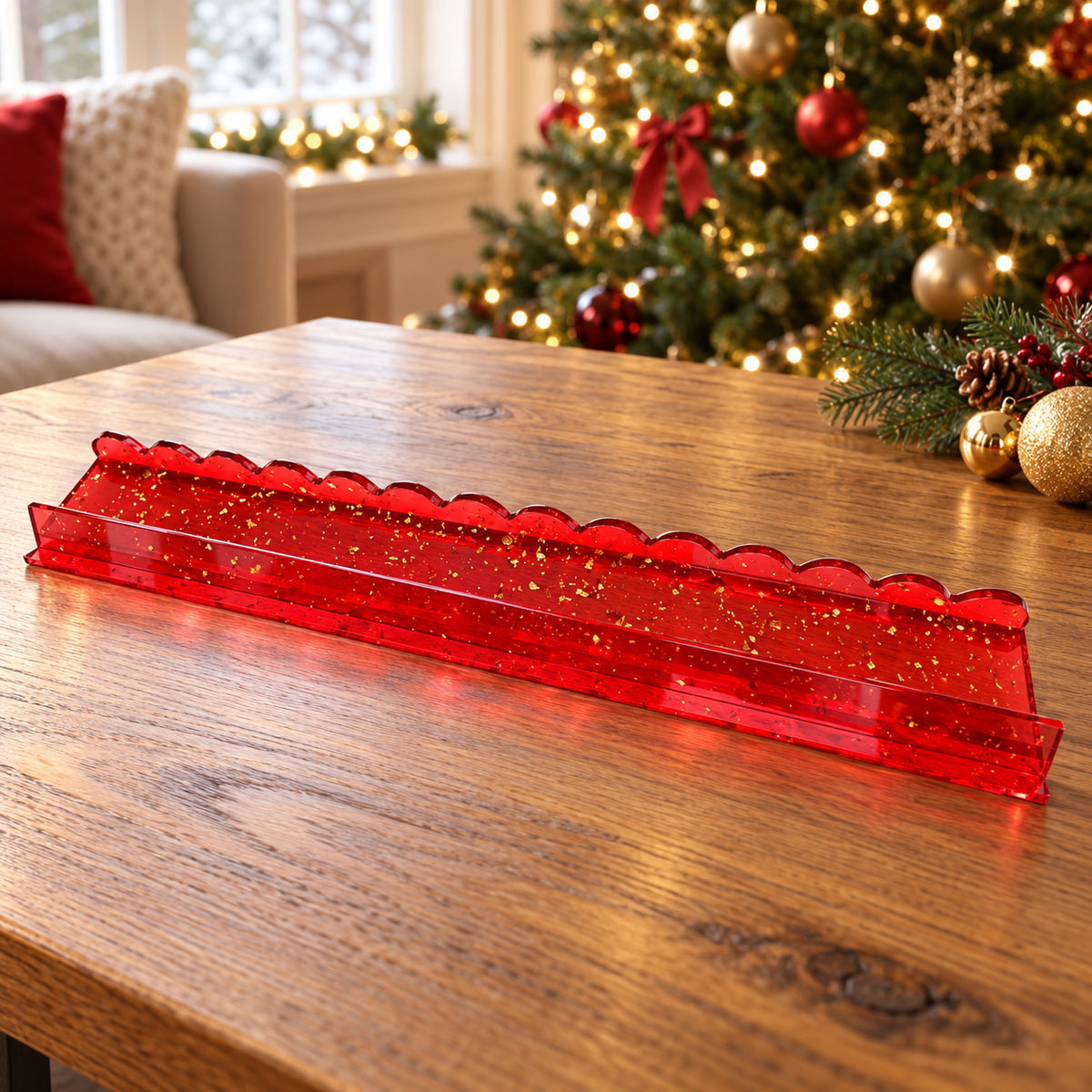
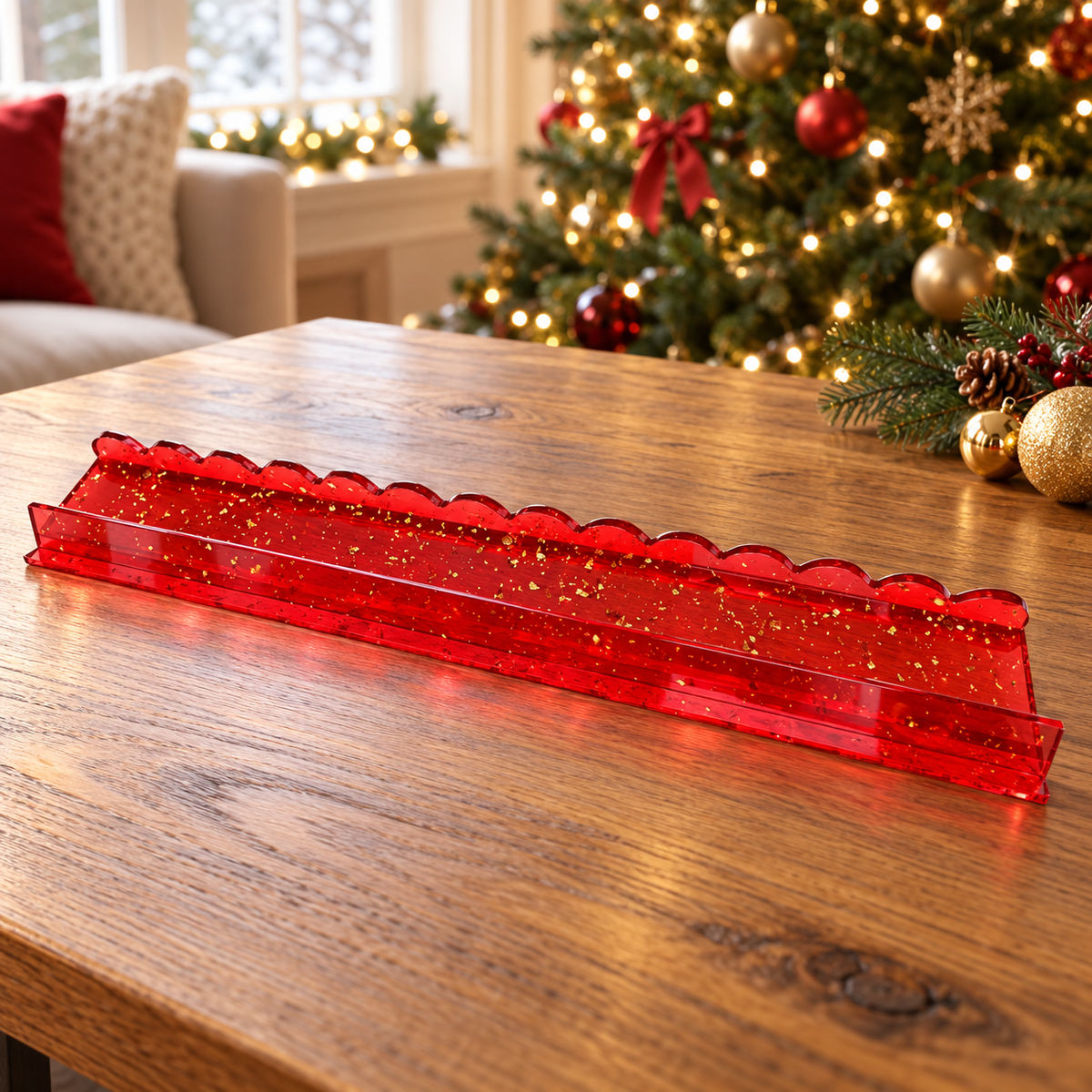
Mahjong racks with pushers are workhorses at the table—they organize your hand, keep tiles visible, and let you manage your play with one smooth motion. But acrylic cracks, bamboo dries out, and pushers collect dust. We've learned the hard way what keeps them pristine through hundreds of games, and what ruins them fast.
How do I clean acrylic racks without clouding them?
Acrylic scratches easily, and the wrong cleaner leaves streaks or a hazy finish. Use only a soft microfiber cloth (the same kind for eyeglasses) dampened with lukewarm water and a drop of mild dish soap. Wipe gently in one direction, then dry immediately with a second dry microfiber cloth. Never use paper towels, tissues, or rough cloths—they micro-scratch the surface. Avoid glass cleaners, vinegar, or alcohol-based products; they can crack acrylic seams or dull the finish. Once a month is plenty for casual play; weekly if you host frequent games. If cloudiness does appear, it usually means soap residue. Rinse thoroughly under cool running water and buff dry again.
🀄 Shop best-selling mahjong sets →
What causes pushers to stick and how do I fix it?
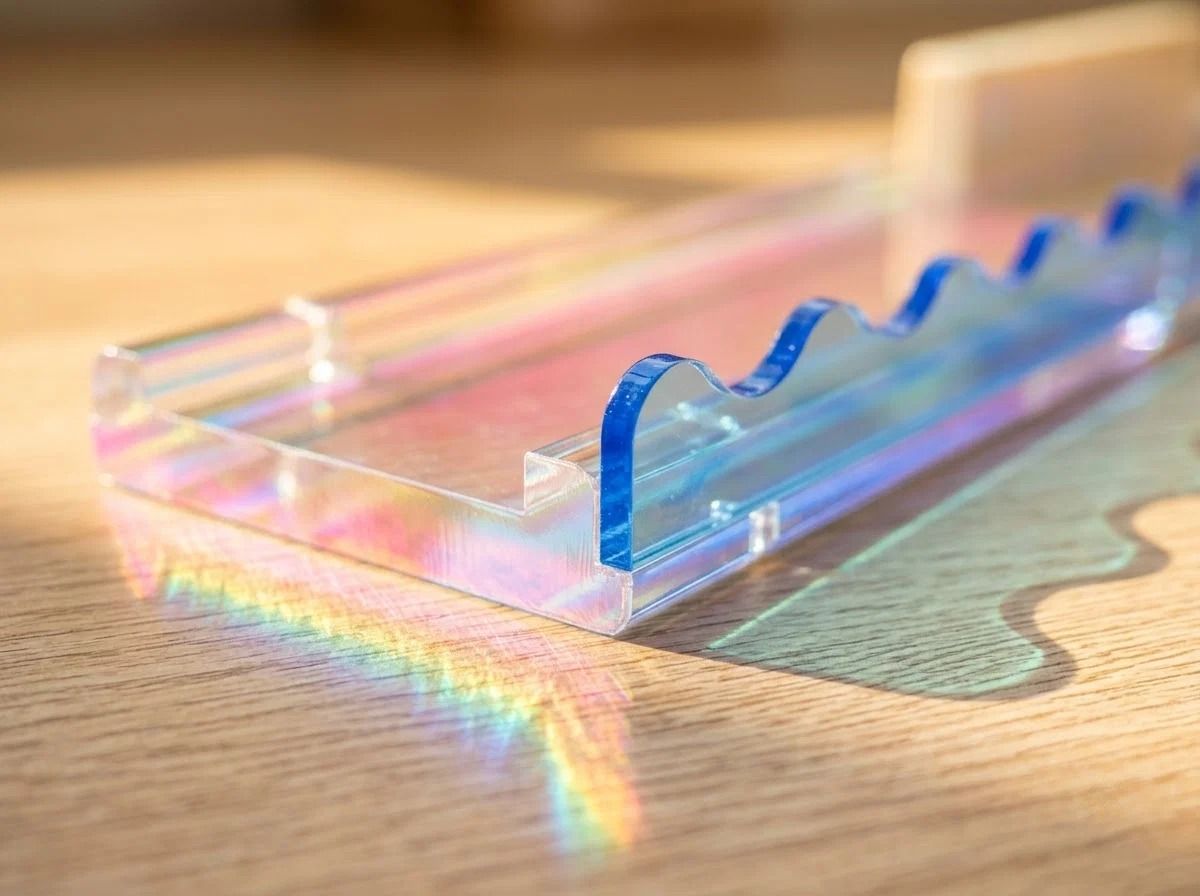
Pushers stick when dust, dried soap, or tile residue accumulates on the rail or pusher tip. Start by gently wiping the entire rail and the pusher head with a damp microfiber cloth to remove debris. If it still drags, the rail itself may be slightly misaligned—tap the rack gently on a soft surface to resettle the pusher into its groove. As a last resort, apply one tiny drop of food-grade silicone lubricant (the kind safe for kitchen tools) to the rail—not directly onto the pusher tip, which would transfer to your tiles. Move the pusher back and forth several times to distribute the lubricant evenly. Wipe away any excess with a clean cloth. Do not use WD-40, 3-in-1 oil, or furniture polish; they leave greasy buildup and attract dust. Most pushers never need lubricant if you simply wipe the rail monthly. Never force a stuck pusher; you'll crack the acrylic or bend the rail.
How should I store racks long-term to prevent warping?
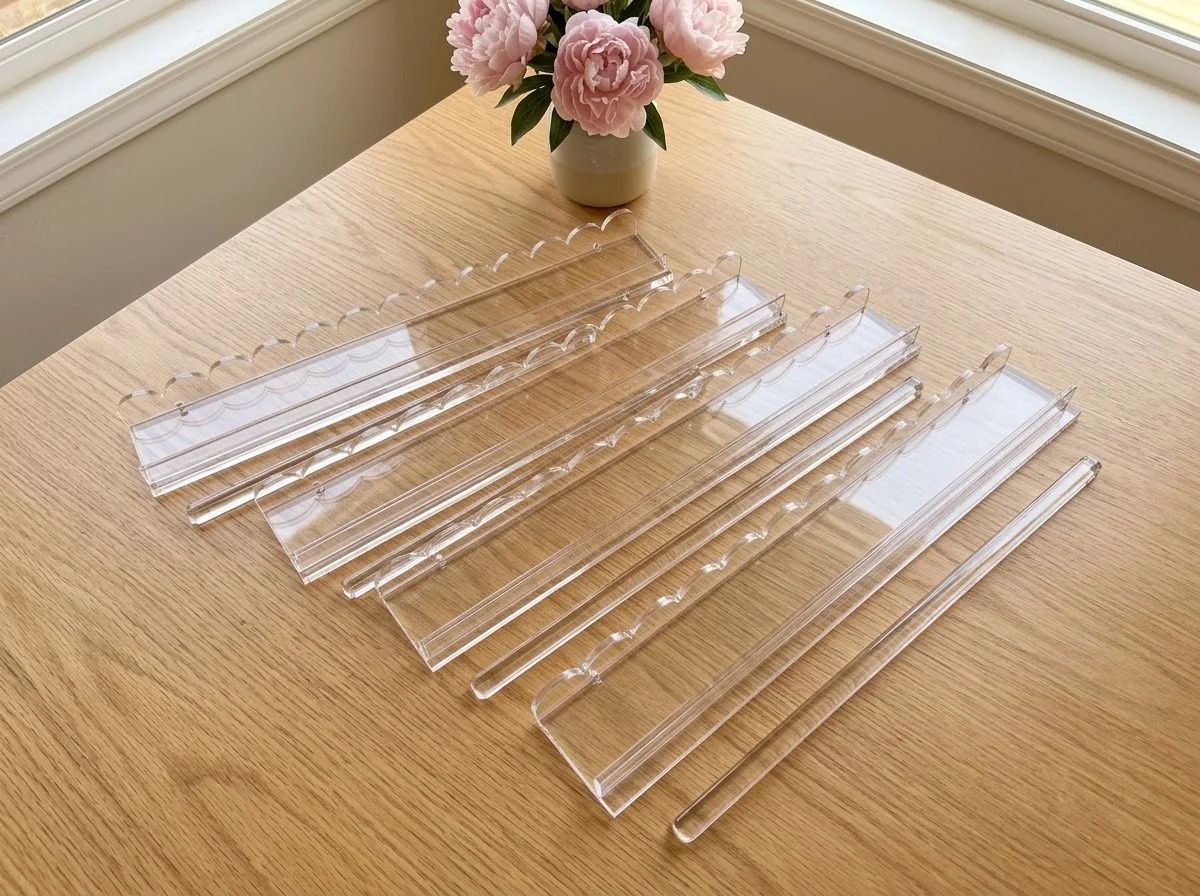
Acrylic and resin racks are sensitive to heat and humidity. Store them flat in a cool, dry place (around 65–72°F)—a closet shelf, game cabinet, or storage box works well. Avoid basements (moisture risk), attics (heat and temperature swings), and windowsills (UV damage yellows acrylic and can warp resin). If stacking multiple racks, place a soft cloth between each one to prevent scratching. Never store racks in direct sunlight; UV rays degrade acrylic and fade decorative engravings over time. If you live in a humid climate, place a silica gel pack in your storage container to absorb moisture. Bamboo racks prefer moderate humidity; extremely dry air can cause splitting. Pack racks in a padded bag or case if you transport them regularly—this protects them from impact and temperature shock during travel. Most quality racks, including those from Mahstead, are designed to tolerate normal home conditions for decades if stored sensibly.
What's the difference between acrylic, bamboo, and resin racks, and do they need different care?
Material | Durability | Cleaning | Storage Notes | Best For |
Acrylic | Very high; resists chips | Microfiber + mild soap only | Flat storage; avoid direct sun | Most players; durable, clear visibility |
Bamboo | High; can split if very dry | Damp cloth only; no soap residue | Moderate humidity; never heat | Traditional look; lighter weight |
Resin | High; may yellow slightly | Microfiber + mild soap; gentle drying | Flat storage; UV-sensitive | Engraved designs; colorful finishes |
Acrylic is the most forgiving and widely used. It's transparent, easy to clean, and tolerates temperature changes better than bamboo or resin. Bamboo racks have warmth and lower cost, but require stable humidity—do not place them near radiators or air vents. Resin racks often feature custom engravings or colors; they clean the same as acrylic but can yellow faster if stored in sunlight. All three materials benefit from flat storage and monthly wiping. The key is consistency: pick one simple routine and stick to it.
🎁 See our most-loved mahjong sets & accessories →
When should I replace a rack instead of trying to repair it?
Minor issues—cloudy acrylic, sticky pushers, small dust marks—are fixable. Replace a rack if the pusher rail is visibly cracked or misaligned (a bent rail cannot be straightened), the acrylic is severely yellowed or has deep scratches that catch light, or the pusher no longer moves at all even after cleaning and lubrication. A cracked rail is a safety hazard; you could catch a finger or drop tiles mid-push. Bamboo racks with deep splits are also risky—splinters can catch clothing or tile edges. Most quality racks last 10–20 years; if yours has done good service, replacement is a fair outcome. When you shop for a new rack, consider upgrading to one with a pusher design that suits your hand size—tall players often prefer longer pushers, while casual players may want lighter weight. Our collection of mahjong racks with pushers includes options designed to reduce hand fatigue and improve tile visibility.
How do I protect my racks during travel and transport?
Racks break not from regular use but from being tossed in a car or dropped during a move. Always transport racks in a padded bag or hard case—never loose in a suitcase or cardboard box. Place pushers flat (not upright) to avoid bending the rail during transit. If traveling by car, lay racks flat on a seat rather than standing them up, where sudden braking could topple them. Wrap each rack in a soft cloth or bubble wrap before placing in a bag. Temperature shock—moving from a heated car into freezing outdoor air, for example—can stress acrylic seams, so avoid leaving racks in parked vehicles for extended periods in extreme weather. If you host frequent games or travel to a club, a dedicated storage case designed for mahjong mahjong bags and cases is a worthwhile investment. It protects your entire set—tiles, racks, mat, and accessories—in one organized package. Mahstead ships all racks in protective packaging; inspect them upon arrival and photograph any damage before unpacking for a replacement claim.
What to check before you buy or after you receive:
Rails are straight and smooth (run your fingertip along the pusher track—no catches or gaps).
Pushers move freely without dragging or clicking.
Acrylic is clear, not cloudy or yellowed (some new racks have a protective film; peel it off).
No visible cracks in acrylic, resin, or bamboo joints.
Engravings (if any) are crisp and not filled with packaging debris.
Pushers are centered in their rails, not tilted or loose.
✨ Find your Mahstead set — free US shipping →
FAQ
Can I put my acrylic rack in the dishwasher?
No. Heat and high-pressure water can crack seams, fog the acrylic, or bend the pusher rail. Hand-wash with a damp cloth and mild soap only.
My pusher won't budge. Is it broken?
Usually no. Try gently rocking the rack side-to-side to resettle the pusher, then wipe the rail with a damp cloth. If still stuck, a single drop of food-grade silicone lubricant on the rail (not the pusher) often fixes it. Apply and work it in gently over 10 pushes. If it remains immobile after that, the rail may be bent and replacement is safest.
How often should I oil the pusher rail?
Rarely. Most players never need to oil a well-maintained rack. If you've cleaned the rail and pusher weekly and it still drags, one drop of food-grade silicone lubricant is enough. Repeat only once or twice per year if needed.
Does sunlight really damage my racks if I keep them on a shelf in my living room?
Yes, over time. UV rays yellow acrylic and can warp resin. A living room shelf away from direct window light is fine. Windowsills or shelves in full-sun rooms will show yellowing within 1–2 years.
Can I repair a cracked acrylic rail myself?
Small cracks along the edge can be filled with clear acrylic resin (two-part epoxy), but cracks along the pusher track itself compromise function and safety. Replacement is the better choice—racks aren't expensive enough to warrant risky repairs.
My bamboo rack is splitting. Is it ruined?
Shallow splits along the grain sometimes stabilize on their own if humidity stays moderate. Deep splits that go across the width or near the pusher rail are risky—splinters catch tiles or fingers. Replace it to avoid injury and ensure smooth play.
What's the best way to store a rack long-term if I'm not playing for a few months?
Wrap it in a soft cloth, lay it flat in a cool, dry storage box or closet, and store away from direct sunlight and heat sources. Add a silica gel pack if your climate is very humid. Check it every 3 months for dust or moisture.


View More
View More
View More
