
Mahjong Racks Under Budget: How to Choose the Right Pusher Setup
Last updated: Nov 23, 2026
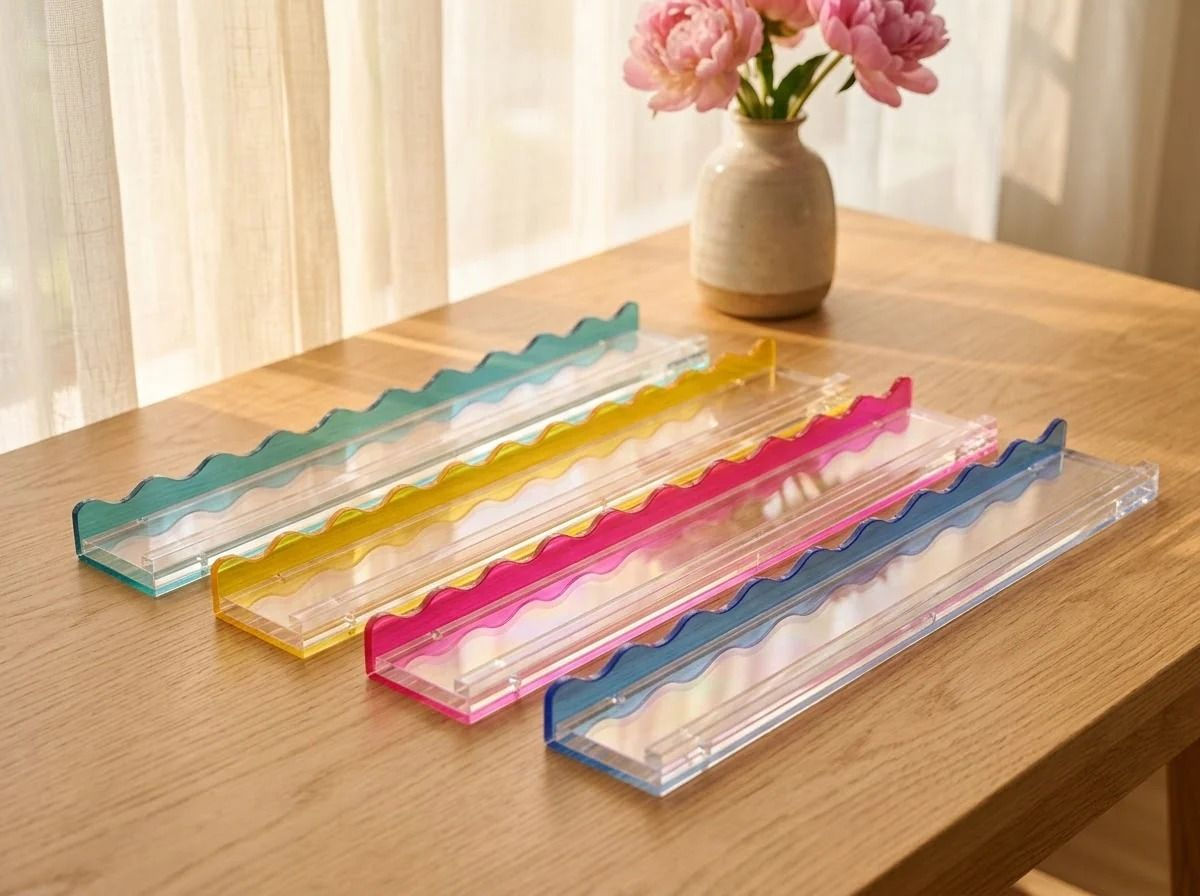
A mahjong rack is a slotted holder that organizes your hand of tiles and typically comes with a pusher—a stick that slides tiles forward as you draw and play them. Mahjong racks with pushers range from lightweight bamboo or acrylic frames to solid wood stands, designed to fit standard acrylic or bone-and-bamboo tiles. Most sets bundle a pair of racks (one for each opponent across from you), and they work equally well with engraved American mahjong sets or plain ones. The primary reason to buy a rack is tile longevity—stacking tiles by hand creases edges and reduces resale value—and game flow, since a pusher lets you reveal only the tile you're discarding rather than fumbling with your entire hand. Quality racks last years with normal use, and the cost remains modest when amortized across dozens of games.
🀄 Shop best-selling mahjong sets →
What's the difference between a rack and a pusher?
A rack holds your 13 tiles upright and organized; a pusher is a lightweight stick that clips to the rack or slides beneath the tiles to advance them forward as you draw. The pusher solves a real problem: without it, you reach into your hand, fumble your latest tile, and accidentally expose what you're playing. With a pusher, you slide the newest tile to the back, then slide the one you're discarding to the front—one smooth motion, no exposure. Some racks include the pusher in the box; others sell them separately. We always pair them together because a pusher without a rack is awkward, and a rack without a pusher wastes half the benefit.
Bamboo vs. acrylic racks—which holds up longer?
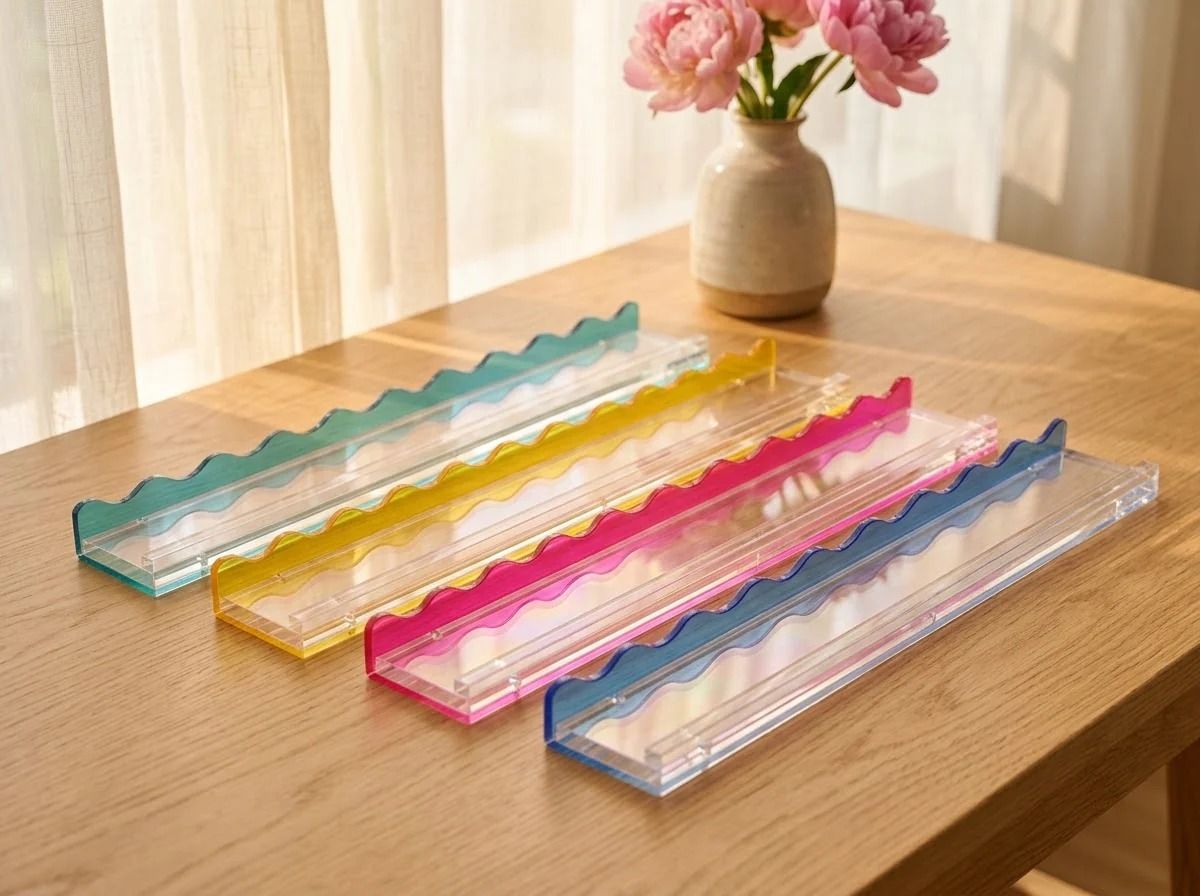
Bamboo racks are lightweight, traditional, and cost less, but they warp and splinter over years of use, especially in humid climates. Acrylic racks resist humidity, never splinter, and stack flat for storage or travel. If you play twice weekly, acrylic racks will outlast bamboo by at least a decade. Bamboo works fine for casual monthly games, but we recommend acrylic for anyone hosting regularly or planning to play for 5+ years.
How many racks do you actually need per game?
In a four-player American mahjong game, each player ideally has one rack. You sit at a table of four—the player to your left, across, and to your right—and seeing everyone's organized hand prevents cheating and speeds up play. Many casual groups share racks between games or rotate them mid-session, which works but slows things down. For a weekly game group, we recommend buying a matching set of four racks so no one waits for equipment to be repositioned between rounds.
Should you match your rack style to your tile set?
Aesthetically, yes—a sleek acrylic rack complements an engraved acrylic tile set, and a carved wooden rack suits bone-and-bamboo tiles. Functionally, any rack works with any tile. The real constraint is tile size: standard American tiles are roughly 1¼ inches wide, and all modern racks accommodate them. If you buy vintage tiles or non-standard sizes, measure the width before ordering. We recommend choosing a rack material and finish that suits your storage space and hosting style rather than your tile set, since you might eventually own multiple sets.
What size rack fits on a standard dining table?
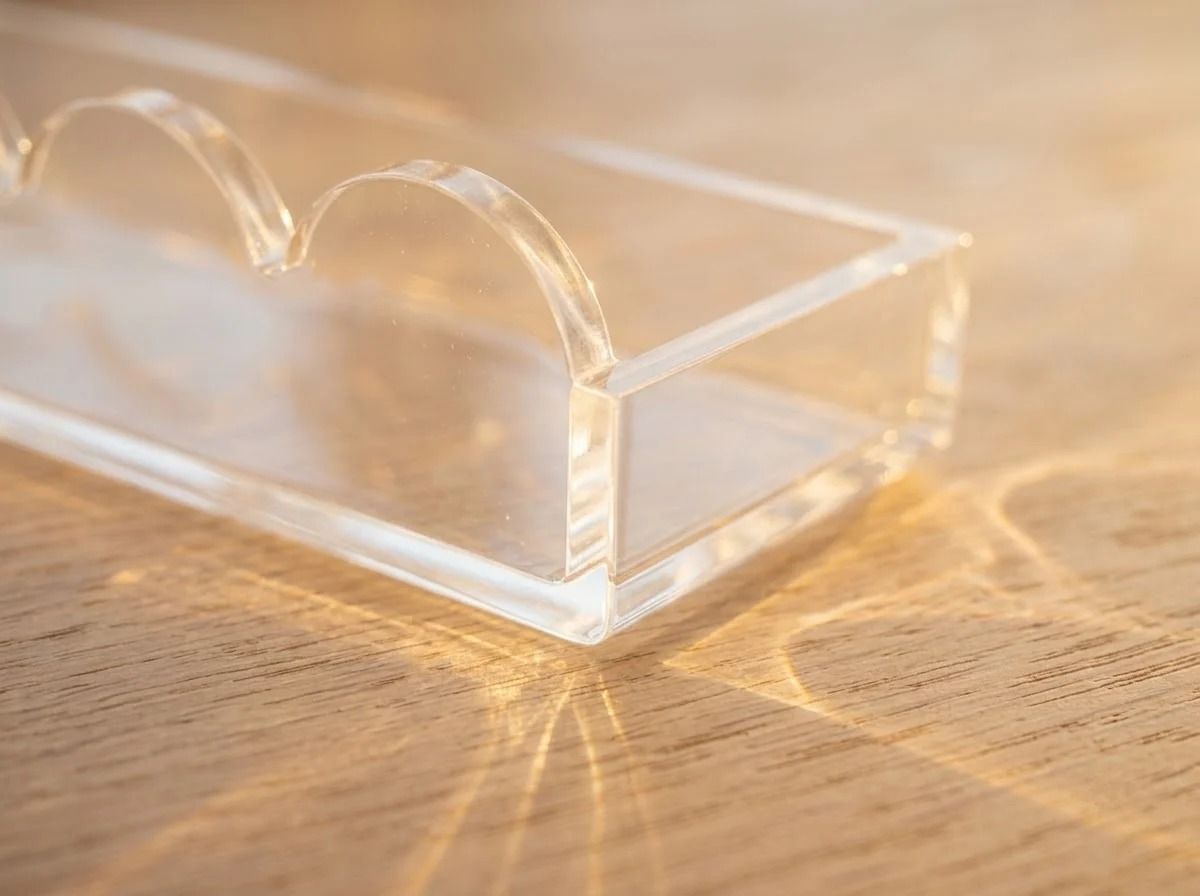
Most dining tables seat four players comfortably, and a standard rack is 7–8 inches long, which fits easily in front of each player without crowding the discard pile or mat. Smaller racks (around 5 inches) exist for travel, but they crowd during active play and slow down tile movement. If you play on a card table or folding surface, measure the available space in front of each seat before ordering, because cramped racks frustrate players and increase tile-handling errors.
Rack Type | Best For | Durability | Cost Basis | Storage & Travel |
Acrylic lightweight | Weekly games, frequent hosts | 10+ years | Budget-friendly | Stacks flat, compact |
Bamboo traditional | Casual monthly play | 3–5 years | Lower entry | Needs dry storage |
Wooden carved | High-end sets, collectors | 8+ years | Mid-range | Larger footprint |
Travel racks (compact) | Portable groups, tournaments | 5–7 years | Varies | Designed for bags |
🎁 See our most-loved mahjong sets & accessories →
How does a pusher actually speed up play?
In American mahjong, you draw a tile every turn and discard one. Without a pusher, you:
Reach into your hand and grab the tile you want to discard
Pull it forward slightly
Announce it and place it on the table
This exposes multiple tiles accidentally. With a pusher:
Slide your newest draw tile to the back of the rack
Slide the tile you're discarding to the very front
Announce and lift it cleanly to the discard pile
The entire table sees only the tile you intend to play. Turns move faster because no one has to wait for you to reposition tiles or for other players to verify what you've actually played. Over 13 rounds per game, a pusher saves 2–3 minutes total—not huge, but enough that players notice and appreciate it.
What to check before you buy
Size: Measure your table's front edge. Standard racks are 7–8 inches long and fit any dining or dedicated mahjong table. Compact travel racks are 5–6 inches and suit portable play or small surfaces.
Material: Acrylic racks never warp; bamboo needs dry storage. If you play outdoors, in humid basements, or leave tiles on a table between games, acrylic is the safer choice.
Pusher inclusion: Confirm the rack comes with a pusher or buy them together. Pushers are inexpensive but essential—don't skip them.
Quantity: One rack per player (four for a standard game). If you share equipment across multiple groups, buy more.
Compatibility: All modern racks fit standard American mahjong tiles (approximately 1¼ inches wide). Vintage or Asian-market tiles may differ—verify before ordering.
Finish: Acrylic racks often come in clear, frosted, or colored finishes. Choose based on your tile set's color and your table's aesthetic. Carved wood racks suit traditional setups.
✨ Find your Mahstead set — free US shipping →
Why bundle racks with a new set?
If you're building your first best-selling mahjong collection or upgrading to an engraved set, buying racks at the same time ensures consistent quality and finish. Many players discover mid-game that mismatched racks—one acrylic, one bamboo—feel awkward and look sloppy. A matched set of four racks and one complete tile set creates a cohesive, professional-looking setup that lasts years. For group play, matching equipment also prevents arguments about whose equipment is whose and eliminates the need to rotate mid-session.
Browse mahjong racks with pushers and travel bags and cases to build a complete, portable game setup. Free US shipping on all orders.
FAQ
Do I really need racks if I play casually once a month?
Racks protect your tile investment and prevent exposure errors. Even casual players benefit—tiles stay in better condition, and games move more smoothly. A single pair costs far less than replacing damaged tiles.
Can I use one rack for four players, or do I need four?
You can rotate racks between turns, but it slows play significantly. Buy one rack per player. A matched set of four is the standard and ensures no one waits or fumbles.
What's the difference between a pusher and just sliding the tiles manually?
A pusher lets you control exactly which tile is visible to your opponents. Manual sliding risks exposing multiple tiles, which causes delays and disputes about what was actually played.
Do acrylic racks scratch easily?
Modern acrylic racks resist light scratches and maintain clarity for years. Avoid abrasive cleaning; use a soft cloth and lukewarm water. Scratches rarely affect functionality—they're cosmetic.
Can I use racks from another brand with Mahstead tiles?
Yes. All modern American mahjong racks fit standard acrylic and bone-and-bamboo tiles. Check that your rack is designed for standard tile size (approximately 1¼ inches wide).
How do I store racks between games?
Store acrylic racks in a flat, dry place—they stack easily. Bamboo racks should be stored upright in a climate-controlled area to prevent warping. A mahjong case or drawer works well for both.
Should I buy racks before or after I buy tiles?
Buy them together if possible. A matched set ensures consistent finish and quality, and the cost is minimal compared to a full tile set. If you already own tiles, measure them before ordering racks.


View More
View More
View More
