
Mahjong Racks Care Guide: Keeping Pushers & Tiles Protected
Last updated: Nov 23, 2026
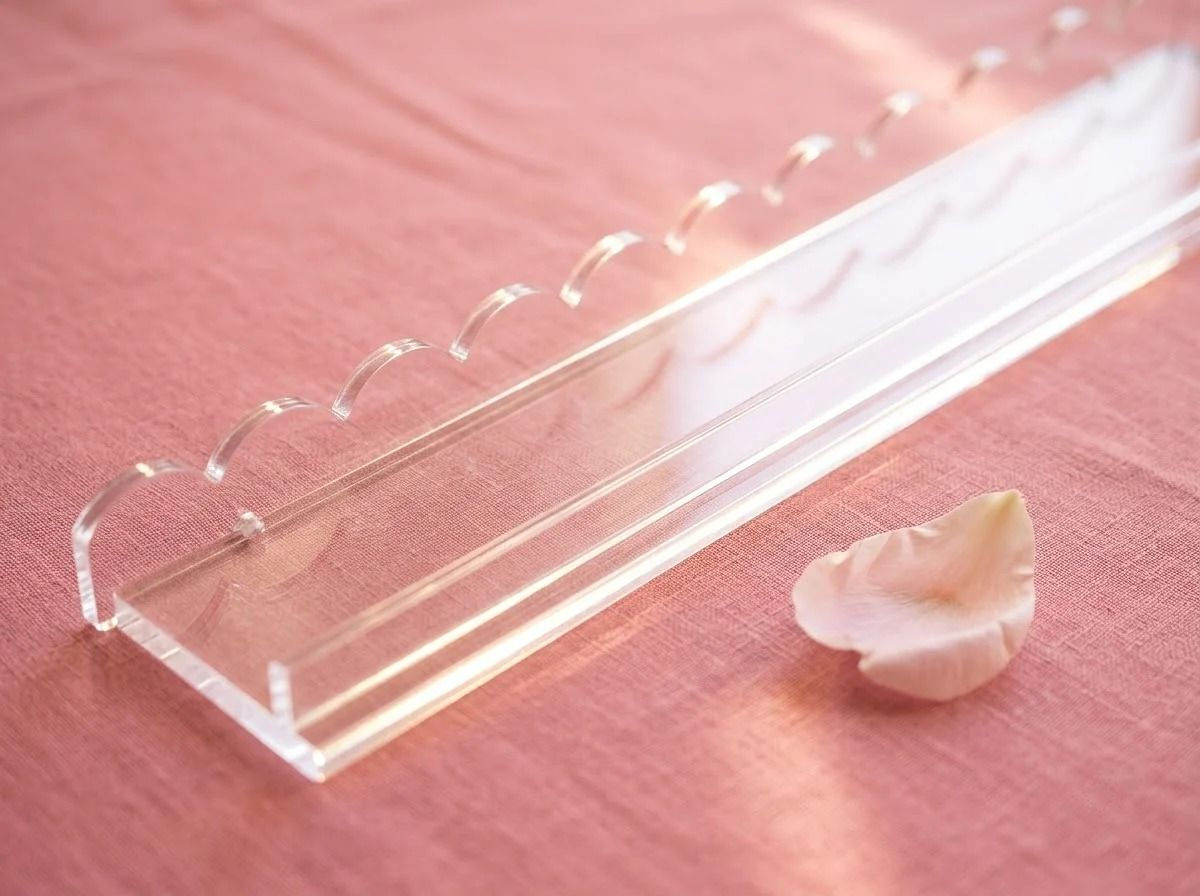
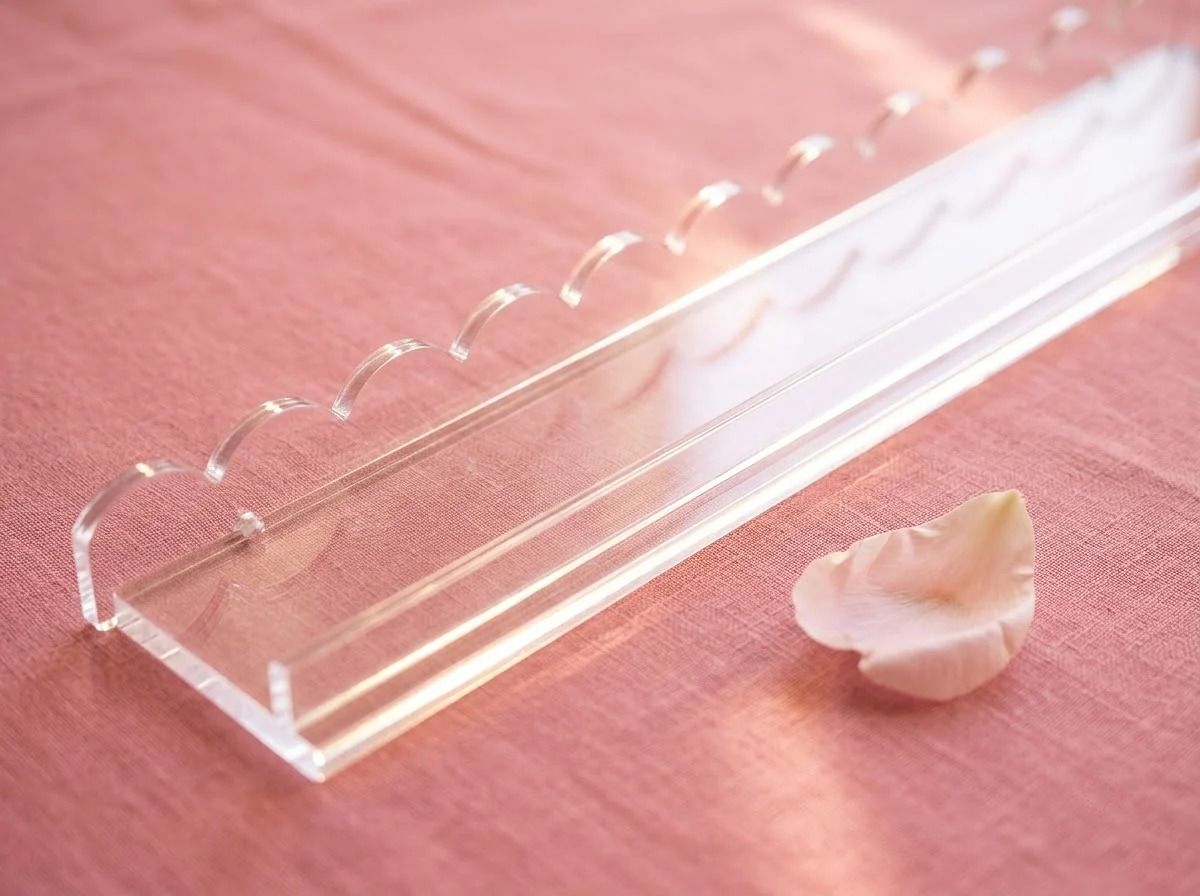
Mahjong racks with pushers are acrylic trays designed to hold and organize tiles during play; the pusher helps slide tiles smoothly without dropping them. American mahjong racks typically hold 14–16 tiles per player and are used in all four positions around the table. They require routine wiping to remove tile dust and residue, occasional gentle cleaning with mild soap and lukewarm water, and storage in a dry, temperature-stable environment away from direct sunlight. Avoid harsh chemicals, extreme heat, and stacking heavy items on top. Acrylic is durable but can scratch or cloud if mishandled. Most players report racks lasting years when stored flat in a mahjong bag or case between games; see our mahjong racks with pushers collection for options designed for frequent play.
We've been through hundreds of games, and the racks are always the first thing that shows wear. They take the brunt of every shuffle, every set-up, and every time someone packs the set hastily into a closet. The good news: with five minutes of attention per week and smart storage habits, your racks stay clear, functional, and ready for the next game.
Why do acrylic racks cloud or become sticky over time?
Acrylic absorbs dust, tile residue, and humidity. Over weeks, a dull film builds from tile chalk, hand oils, and airborne particles settling into micro-scratches. Sticky patches come from sugar or spilled drinks near the table. Clouding happens when acrylic is exposed to heat (radiators, direct sunlight, hot water) or stored in high humidity without airflow. A single rack left damp in a closed bag can become permanently hazy in days. The cloudiness isn't damage—it's accumulation and slight surface stress from temperature changes.
Prevention beats repair: wipe racks dry immediately after play, store them flat (never stacked or standing upright for weeks), and keep them in a breathable bag or case.
How do you clean racks without damaging them?
Use lukewarm tap water, a microfiber cloth, and one drop of dish soap. Wet the cloth (not the rack directly—excess water pools in corners), wipe both sides with gentle circular motions, then buff dry with a clean, dry cloth within 30 seconds. For stubborn residue, let the damp cloth sit on the spot for 10 seconds; never scrub hard or use abrasive sponges. Rinse the cloth frequently so you're not dragging dirt across the surface. Dry thoroughly before storing. For yearly deep cleaning, soak a cloth in warm soapy water, apply it to the rack for 60 seconds, then rinse and dry. Never use hot water, acetone, alcohol, or window cleaners—these crack or fog acrylic.
Most players find that a 30-second wipe after every game session prevents the need for heavy scrubbing. Keep a soft cloth and a small bottle of water in your game bag; it takes less time than shuffling the next set.
What storage setup prevents cracks and warping?
Racks must lie flat in a padded bag or case with dividers that prevent them from sliding into each other. Store in a cool, dry closet (65–75°F is ideal) away from radiators, AC vents, windows, and basements. Humidity above 70% encourages cloudiness; a dry closet or a bag with a small silica packet works well. Never store racks standing upright—acrylic can warp if weight isn't distributed evenly. Avoid stacking anything heavy on top. If you travel with racks, use a travel bag with padded compartments to cushion them from bumps and temperature swings in a car trunk.
A simple checklist: flat position, padded bag, cool room, dry air, no heavy weight. Racks stored this way rarely crack or yellow.
When should you replace or repair a cracked or scratched rack?
Fine surface scratches (hairline, barely visible) don't affect play—they're cosmetic. Deep scratches that catch your fingernail or cracks that run through the rack compromise strength and make tiles difficult to push. Small cracks (under 1 inch) may seal slightly with clear epoxy for acrylic, applied per product instructions and allowed to cure fully before use; large cracks or multiple breaks mean replacement is safer.
Most players replace a rack after 5–7 years of weekly play or if cracks appear after a drop or hard impact. Replacing one or two racks is cheaper than risking a tile spill mid-game or a full break that disrupts the table. Check our best-selling mahjong sets and mahjong racks collection to find replacement racks that match your set's style.
🎁 See our most-loved mahjong sets & accessories →

What common mistakes shorten a rack's lifespan?
Stacking racks (even empty ones) puts uneven weight on one edge and can cause cracks or permanent bends. Storing damp traps moisture inside acrylic, leading to cloudiness and mold on adjacent tiles. Using harsh cleaners (bleach, Windex, rubbing alcohol) melts the surface or causes crazing (small cracks). Leaving racks in a hot car for hours causes thermal stress and warping. Washing in a dishwasher exposes racks to extreme heat and chemicals—never do this. Dropping or banging racks against the table edge during tile draws chips and deep cracks.
We've seen players accidentally shorten their racks' lives by 2–3 years through one or two of these habits. A simple mindset shift—treating racks like eyeglasses, not cookware—adds years to their life.
Comparison: Storage Methods by Risk Level
Storage Method | Climate Risk | Accessibility | Breakage Risk | Best For |
Flat in padded mahjong bag, closet | Low | High | Very low | Weekly players; home storage |
Upright in open shelf | Medium | High | Medium | Short-term (days); not recommended long-term |
Stacked loose in cabinet | High | Medium | High | Avoid this |
Flat in plastic bin with silica packet | Very low | Low | Very low | Seasonal players; travel between homes |
Flat in hard case with foam inserts | Very low | Low | Very low | Frequent travel; maximum protection |
What to check before you buy replacement racks
Size: Standard American racks hold 14–16 tiles. Measure your current rack length to match; some sets have slightly narrower or wider designs. Pusher design: Some pushers are notched (easier to grip and push tiles), others smooth. Choose based on your preference—test both if possible. Color match: If replacing one or two racks, verify they match your existing set in shade and opacity; slight variations between batches are normal but noticeable. Material quality: Acrylic thickness matters—thicker racks (3–4mm) resist warping better than thin ones (2mm). Padding in your bag: Even durable racks need protection during storage and transport; a mahjong bag with dividers makes a huge difference.
✨ Find your Mahstead set — free US shipping →
Quick weekly maintenance checklist
After every game: wipe racks with a dry microfiber cloth to remove tile dust.
Once a month: gentle wash with damp cloth and one drop of dish soap; air-dry thoroughly.
Before storage: confirm racks are completely dry; store flat in a padded bag.
Quarterly: inspect for cracks, cloudiness, or sticky patches; address immediately.
Annually: deep soak and dry; check that your storage bag or case keeps them protected.
Most wear happens in the first game and the last store—the shuffle and the pack. Treat both carefully.
🀄 Shop best-selling mahjong sets →

FAQ
Can you use a dishwasher to clean mahjong racks?
No. Dishwashers use heat above 130°F and harsh detergents that melt or craze acrylic. Hand-wash only: lukewarm water, one drop of dish soap, damp cloth, dry immediately.
How do you remove permanent cloudiness from an acrylic rack?
Cloudiness from humidity or heat is usually permanent without professional polishing (expensive, risky). Prevention (dry storage, immediate drying after play) stops it. Light surface dust wipes away; deep fogging requires replacement.
Is it safe to store mahjong racks in a basement or garage?
Basements trap moisture and cause cloudiness; garages experience temperature swings that warp acrylic. A cool, dry closet is far better. If basement storage is necessary, use a sealed plastic bin with a silica packet and check every two weeks for moisture or mold.
What's the difference between acrylic racks and wooden or bamboo racks?
Acrylic is modern, durable, transparent (easy to see tiles), and easy to clean. Wooden or bamboo racks are heavier, absorb moisture, and require oil treatments. Acrylic is standard in American mahjong.
Do you need to replace all four racks if one cracks?
No. Replace individual racks as needed, provided they're the same size and color batch. Slight shade differences are normal and only noticeable if standing side by side, not during play.
How long do mahjong racks typically last with weekly play?
5–7 years with proper care (regular cleaning, flat dry storage, no dropping). Poor storage or neglect shortens this to 2–3 years. Racks stored carelessly often fail before tiles do.
Can you repair a small crack with epoxy or super glue?
Small hairline cracks (under 1 inch, not affecting strength) can be sealed with clear two-part epoxy for acrylic, per product instructions, then cured fully before use. Deep or multiple cracks are safer to replace rather than repair.
What humidity level is safe for acrylic racks?
Below 60% is ideal; up to 70% is acceptable. Above 70% causes cloudiness and mold risk. A closet without a basement or bathroom is usually safe; use a silica packet in humid regions.


View More
View More
View More
