
Mahjong Pushers: How to Choose the Right Rack for Your Game
Last updated: Nov 23, 2026
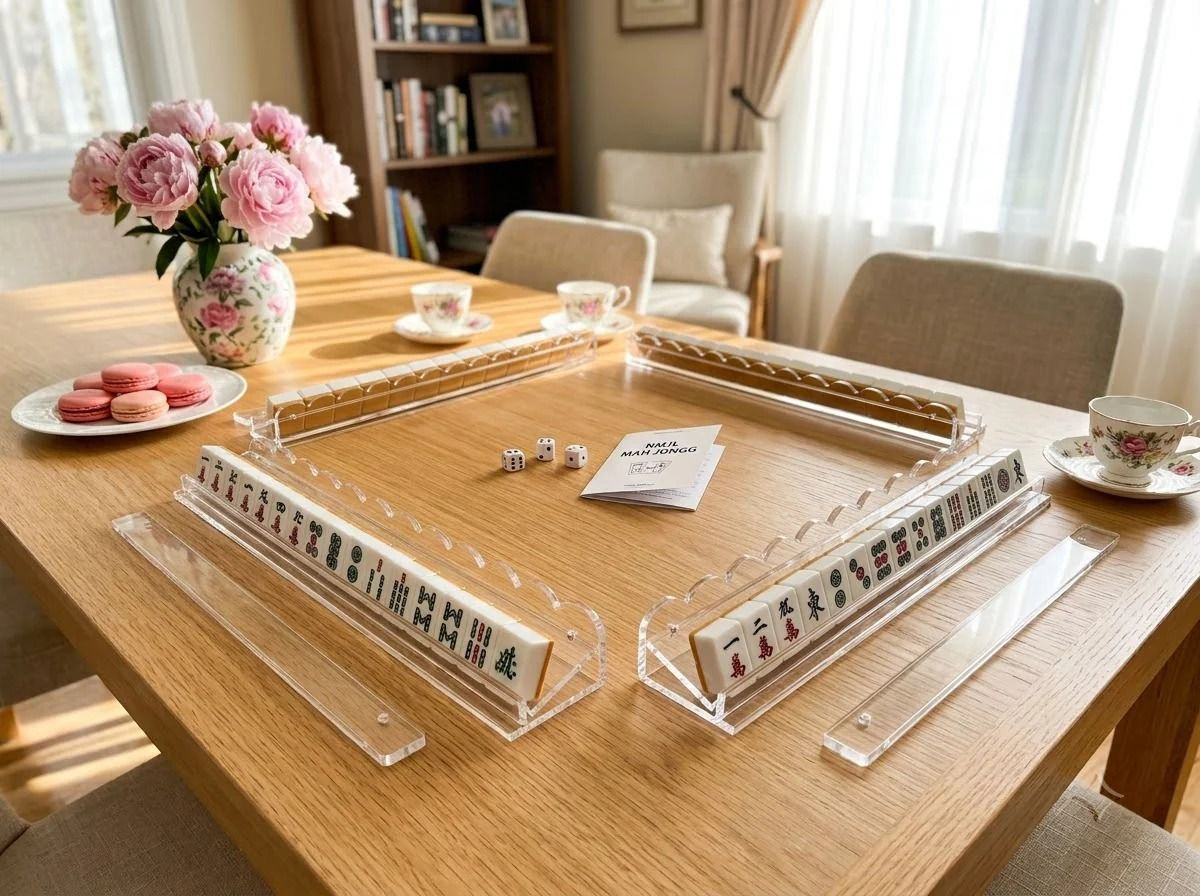
Mahjong pushers are small bamboo, plastic, or acrylic sticks—usually 3 to 5 inches long—built into or paired with tile racks to nudge tiles forward as you draw and discard during play. A complete rack system includes a base holder (typically cradling 18–20 tiles) and two pushers: one slides tiles toward you, the other pushes them away or into exposure. American players pair pushers with racks for speed and tile safety; pushers prevent fumbling and tile spillage. Mahstead stocks racks with pushers in bamboo, acrylic, and wood finishes, designed for both casual weekly games and regular club play. Quality matters: a smooth pusher mechanism reduces frustration and keeps your hand organized through the entire game, especially during fast Charleston exchanges or rapid discard cycles.
Mahjong pushers are hand-operated tools that organize and advance your tiles during American mahjong play. A complete rack system includes a base holder (typically cradling 18–20 tiles) and two pushers: one slides tiles toward you, the other pushes them away or into exposure. American players pair pushers with racks for speed and tile safety; pushers prevent fumbling and tile spillage. Mahstead stocks racks with pushers in bamboo, acrylic, and wood finishes, designed for both casual weekly games and regular club play. Quality matters: a smooth pusher mechanism reduces frustration and keeps your hand organized through the entire game, especially during fast Charleston exchanges or rapid discard cycles.
Why do you need pushers if tiles sit in a rack anyway?
A rack alone holds tiles upright so you can see your hand—but a pusher is what prevents chaos when drawing, discarding, and managing 13–17 tiles in rapid succession. Without pushers, tiles shift as you reach in, neighbors bump your hand, or you accidentally expose cards mid-play. Pushers glide tiles smoothly along the rack's groove, keeping your layout consistent and your tiles hidden from other players' view. In American mahjong, where the pace quickens during the Charleston (the pre-game tile exchange) and discard cycles run tight, a good pusher saves seconds and prevents costly errors like accidentally revealing a winning tile too early.
🀄 Shop best-selling mahjong sets →
What materials do pushers come in and which is best for you?
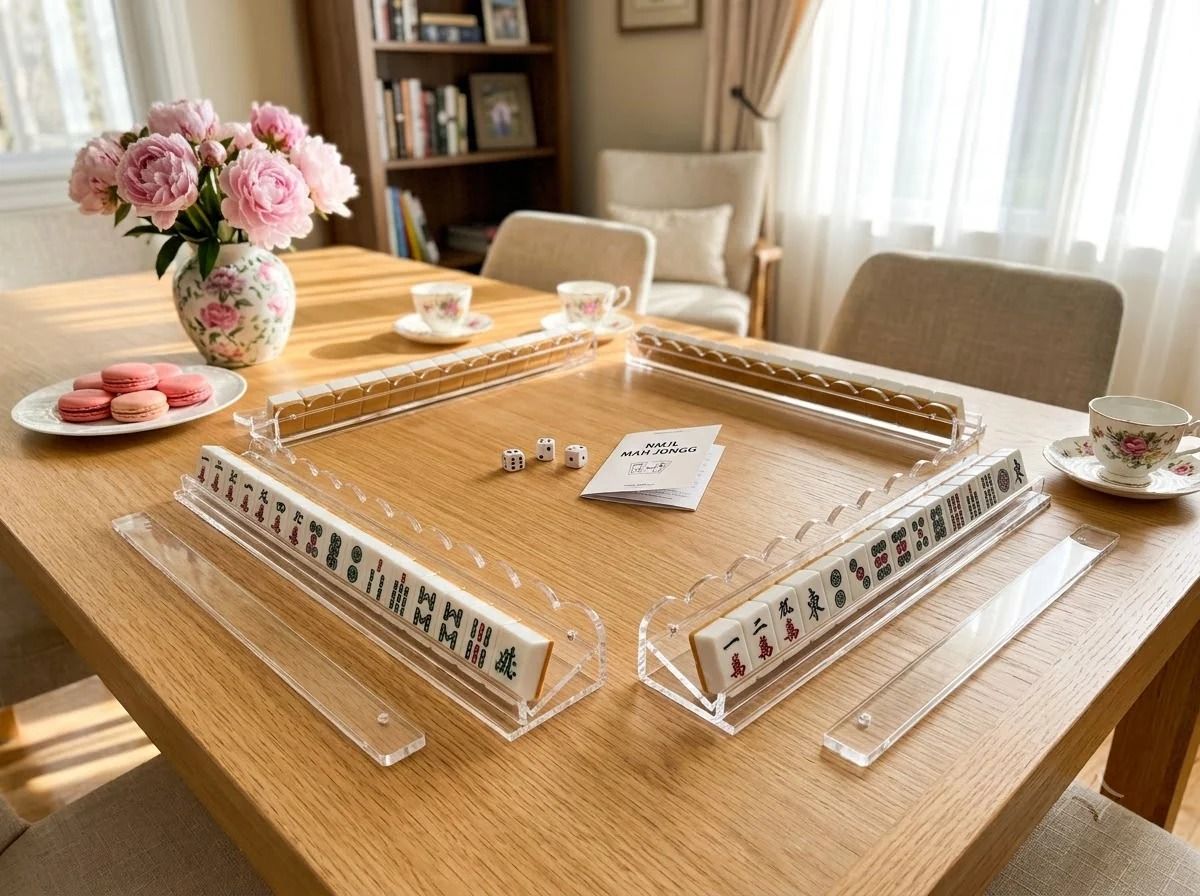
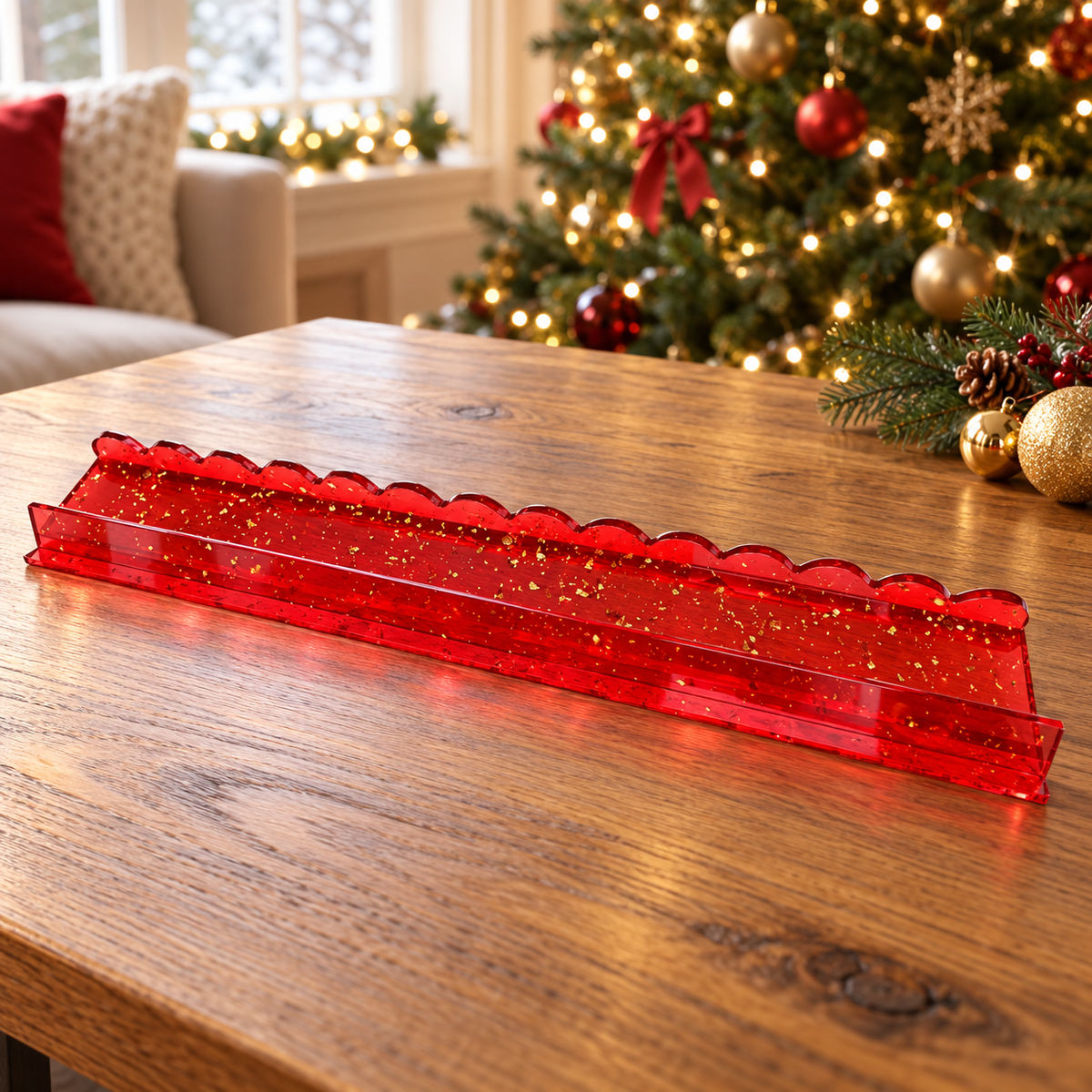
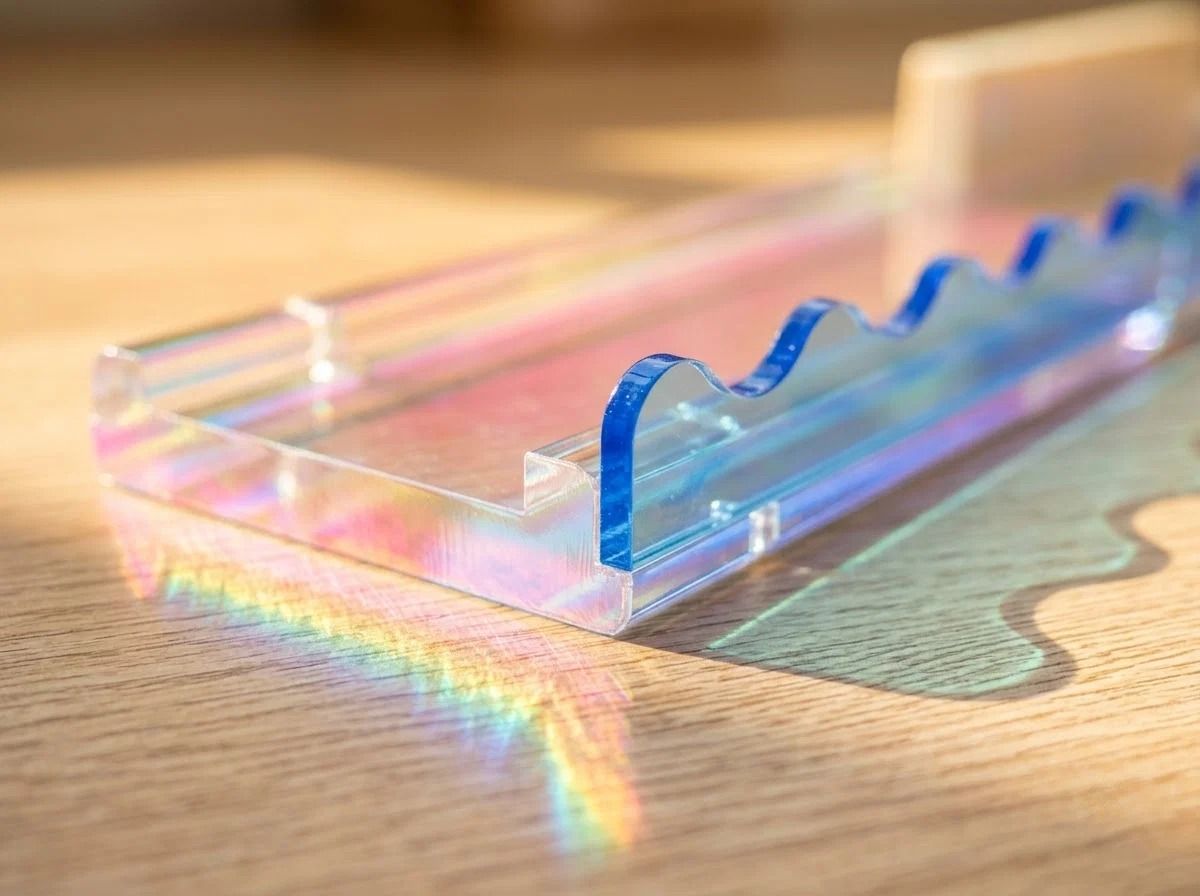
Pushers are typically made from bamboo, wood, or acrylic. Bamboo is lightweight, traditional, and warm to the touch—ideal for casual players who host weekly games and value classic feel. Wood pushers (often walnut or ash) offer durability and aesthetic appeal, blending with natural tile finishes. Acrylic pushers are modern, colorful, and easy to clean; they won't warp or stain and suit players who prioritize function over tradition. None is objectively "best"—your choice depends on your table style and durability priorities. If you're serious about weekly play and want a set that will last decades, bamboo or quality wood pays off. For a casual social group or a second set, acrylic offers excellent value and bright design options that match custom tile sets.
How do you measure rack and pusher dimensions before ordering?
Most American mahjong racks accommodate standard 1-inch tiles and hold 18–20 tiles per player's hand. Pusher length typically ranges from 3.5 to 5 inches—shorter pushers (3.5–4 inches) suit compact tables and smaller hands, while longer pushers (4.5–5 inches) give more leverage on crowded or larger playing surfaces. Rack depth (front to back) usually runs 2.5 to 3.5 inches; measure your table space and the typical distance from your body to the tile area to ensure the rack won't protrude awkwardly. If you're ordering mahjong racks with pushers for the first time, verify the tile capacity and pusher length on the product page. Most Mahstead racks display these dimensions; if you're unsure about fit, check before ordering—a slightly deeper or longer pusher can make the difference between comfortable play and frustration.
Should pushers be part of a matched set or can you mix and match?
You can mix materials (bamboo rack with acrylic pushers, for example), but a matched set is more comfortable and visually cohesive. Pushers within a matched pair should have identical length, weight, and glide resistance so your hand movement feels balanced; mismatched pushers can create an odd, jerky feel that distracts during rapid play. If you're building a premium setup for a regular game group, a matched set from one collection simplifies ordering and ensures long-term consistency. If you already own pushers or inherit them from a retired player, test them first: if they glide smoothly and feel balanced, mixing them with a new rack is fine. For beginners or tournament players, we recommend starting with a complete matched rack-and-pusher system rather than assembling components separately.
🎁 See our most-loved mahjong sets & accessories →
What are the main mistakes people make when choosing pushers?
Mistake | Why It Happens | How to Avoid It |
Buying pushers without a rack | Assumes you already have one or can improvise | Verify you have a matching rack first; buy as a system if new to the game |
Choosing pushers that are too short | Assumes 3 inches is universal; creates strain | Measure your table layout; opt for 4.5+ inches if uncertain |
Mismatched pusher weights | One pusher feels heavier or slower than the other | Test both pushers before accepting delivery; pairs should glide identically |
Using thick, blunt pushers on thin tiles | Assumes all acrylic pushers handle 1-inch standard tiles equally | Check pusher tip width and material; too-thick tips can snag tile edges |
Ordering without checking tile compatibility | Assumes all racks fit all standard American tiles | Confirm the rack is designed for 152-tile American sets, not Chinese or mini sets |
The most common error we see is buying a single pusher thinking it's a pair, or choosing a rack without confirming pusher availability. American mahjong is a four-player game, and each player needs a working pusher pair; don't assume one pusher per person is enough. Always order pushers as matched pairs, and if you're setting up a table for the first time, buy complete rack systems rather than mixing old and new components.
How do pusher and rack maintenance keep them playable for years?
Bamboo and wood pushers can warp if exposed to humidity or direct sunlight; store them in a cool, dry place (ideally in a mahjong bag or case alongside your tiles). Acrylic pushers won't warp but can develop micro-scratches; wipe them with a soft, dry cloth after play to prevent tile dust buildup that slows gliding. Check the groove where pushers slide at least twice a year—dust and dried-on tile paste can slow movement. If a wooden pusher's finish becomes sticky or tacky, a light sanding and re-oiling restores smoothness. If an acrylic pusher loses glide, a quick wipe-down often fixes it; if it remains stuck, you may need to replace it. Investing in a travel bag or case protects racks and pushers during transport and between games, extending their lifespan significantly. Most players who maintain their equipment see racks and pushers last 10+ years.
What distinguishes tournament-grade pushers from casual-play pushers?
Tournament-grade pushers (often used in National Mah Jongg League clubs) have tighter tolerances: the groove is precisely milled, the pusher tip is shaped to glide without catching, and the materials are premium bamboo or hardwood selected for consistency. Casual-play pushers, while functional, may have slightly rougher grooves or thicker tips that don't glide as smoothly. If you host a weekly social game, casual pushers are fine—your group adjusts to the feel within a few hands. If you play in a competitive environment or plan to join a league, tournament-grade pushers matter: they reduce hand fatigue, improve confidence during rapid discards, and feel professional. Mahstead's racks with pushers are built to intermediate-to-tournament standards, suitable for both weekly casual play and more serious competitive contexts. The difference is noticeable during a full game—tournament-grade pushers remain smooth after 20+ rapid tile cycles, while lower-quality pushers can feel sticky or unresponsive by mid-game.
✨ Find your Mahstead set — free US shipping →
What to check before you buy
Before ordering a rack-and-pusher system, verify:
Tile size compatibility: The rack must accommodate 1-inch standard American tiles (160-tile sets from Mahstead use standard sizing).
Pusher length: Confirm length fits your table layout—4 to 4.5 inches is standard; measure if your setup is compact.
Material and aesthetic: Decide whether bamboo, wood, or acrylic matches your game style and table décor.
Glide smoothness: If possible, handle a sample or review footage of pushers in action; smooth gliding is non-negotiable.
Rack depth: Ensure the rack doesn't protrude beyond your comfortable arm reach.
Pair confirmation: Always order pushers in matched pairs (one for each hand position at the table).
Delivery and included items: Confirm whether pushers come attached to the rack or as separate components requiring assembly.
Many first-time buyers underestimate how much pusher quality affects play comfort—invest in mid-to-premium options if you play weekly, and your hands will thank you.
FAQ
Can I use a Chinese mahjong rack with American pushers?
Chinese racks often hold different tile quantities and have shallower grooves. American pusher sizes may not fit properly, causing sticking or tiles to shift unexpectedly. Always match rack and pushers to the same regional variant and manufacturer standard.
What if my pusher becomes loose or wobbly in the rack groove?
Looseness is usually dust or debris in the groove. Gently brush out the groove with a soft cloth; if the pusher still rocks, the groove may be worn (common after 8+ years of heavy use). Contact the retailer or consider replacing the pusher if tightening isn't an option.
Do I need to oil or maintain the pusher groove?
Not typically, unless the pusher begins to feel sticky. A light dry-cloth wipe usually restores glide. If you live in a humid climate, occasional light waxing of wooden grooves can prevent warping. Acrylic racks need no maintenance beyond dusting.
Are there left-handed or right-handed pushers?
Pushers are symmetric and work equally well for both hands. Your personal comfort depends on rack placement at the table and your sitting position relative to other players, not the pusher design itself.
Can I buy replacement pushers separately if one breaks?
Yes—Mahstead and most retailers sell individual or replacement pusher pairs. Verify the original rack model to ensure the replacement pusher's length and groove diameter match. Buying replacements is far cheaper than replacing an entire rack system.
How many pushers do I need for a four-player game?
Eight pushers total—two per player (one pusher in each hand). If you host regular games, we recommend keeping one extra pair as spares in case a pusher becomes damaged or lost.


View More
View More
View More
