
Mahjong Pushers for Beginners: What to Buy & Why
Last updated: Nov 23, 2026
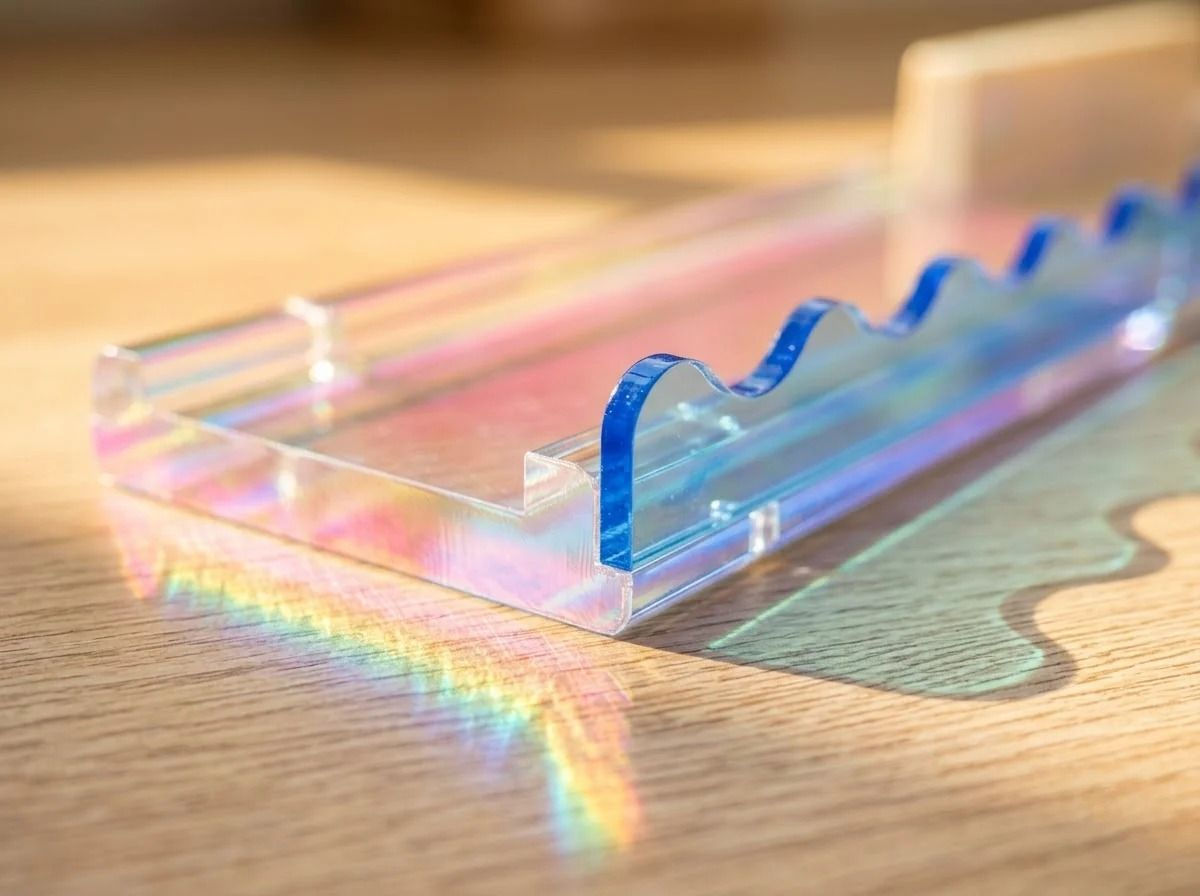
A mahjong pusher is a slim tool (usually wood, bamboo or acrylic) that sits in your rack to nudge tiles forward and backward without your fingers touching them directly. Pushers protect delicate tile edges, prevent accidental tile reveals, and keep hands tidy during play—especially critical when three other players are watching and the Charleston or a discard is happening fast. American mahjong racks come either without pushers (you manage tiles by hand) or with one or two pushers included. Beginners benefit most from a mahjong rack with pushers because they slow down tile handling, reduce misdeals, and build good habits; experienced players often prefer the control pushers give during fast-paced competitive rounds. Most racks ship with pushers already fitted; quality varies by material and fit, so checking reviews on the product page before ordering is wise. 🀄 Shop best-selling mahjong sets →
Why Do Pushers Matter for Beginners?
When you're learning American mahjong, your hands move slowly—you're reading the card, thinking about your strategy, reaching for the wrong tile, then correcting yourself. Without a pusher, your fingers are constantly sliding tiles around, and tiles shift out of alignment, get dented on the edges, or accidentally expose a neighbor to the player beside you. A pusher lets you nudge a tile an inch without gripping it; your fingers stay clean of the action. The bigger win: pushers make you pause before you move, which teaches you to commit to a tile choice rather than fumbling. By your third or fourth game, using a pusher becomes second nature, and your hand looks as calm as the experienced players' at the table.

Wood vs. Bamboo vs. Acrylic Pushers—Which Is Best?
Wood pushers (often hardwood or bamboo-finished) feel warm in hand and glide smoothly across modern acrylic tiles; they're the traditional choice and work well on most racks. Bamboo pushers offer a lighter touch, are slightly more flexible, and appeal to players who prefer natural materials. Acrylic pushers (clear or colored to match your set) are durable, lighter than wood, and less likely to scratch delicate tile finishes—especially useful if your tiles have hand-painted or engraved details like those in our collection of engraved American mahjong sets.
Material | Feel | Best for | Durability |
Wood | Warm, smooth | Traditional players | 5+ years with care |
Bamboo | Light, flexible | Eco-conscious players | 4–6 years |
Acrylic | Cool, precise | Detailed/engraved tiles | 7+ years |
The honest truth: any pusher works fine for beginners. What matters is having one, not which material you choose. Pick based on your budget and whether your racks come with pushers included (most do). Once you've played 20 games, you'll know your preference.
🎁 See our most-loved mahjong sets & accessories →
Do You Need One Pusher or Two?
Racks come with one, two, or no pushers. A single pusher handles 95 percent of beginners' needs: push tiles forward when you draw, pull them back when you discard. Competitive players often prefer two pushers—one for each hand—so they can manage the boundary between active and reserve tiles without reaching across the rack. For your first games, one pusher is sufficient; a second one is a luxury upgrade after you've logged 30+ hours of play and discovered your own rhythm.
Single vs. Dual-Pusher Racks: A Beginner's Comparison
Setup | Who It's For | Pros | Cons |
Single pusher | First-time players, casual games | Fewer moving parts, easier to manage | Can't separate active/reserve tiles visually |
Dual pushers | Intermediate+ players, serious weekly groups | Cleaner tile organization, faster play | Slight learning curve, risk of knocking one pusher with the other |
Start with a single pusher. If you and your group graduate to weekly games or tournament rules, upgrade to dual pushers then—no rush.

What to Check Before You Buy a Rack with Pushers
Before ordering, ask yourself these five questions:
Does the rack fit your tile set? American mahjong racks are designed for standard 160-tile sets with pushers already factored into the width. Check that your set (or the one you plan to buy from our best-selling collection) is listed as compatible on the product page.
Is the pusher removable or fixed? Removable pushers are easier to clean and replace if damaged; fixed pushers are sturdier but can't be swapped out. Beginners benefit from removable pushers so they can experiment with different materials as they improve.
What material are the tiles and rack? If your tiles are acrylic (most are), pair them with acrylic or bamboo pushers to avoid scratching. If your tiles are bone or resin, wood pushers work beautifully. Check the product description on the rack page; it should mention compatible tile types.
Is the pusher weighted? A slightly heavier pusher (not much, just enough to feel deliberate) helps beginners slow down and think. Lightweight pushers are faster for experienced hands.
Can you return it if the fit feels wrong? Mahstead ships racks and sets within the US free of charge, but sizing can feel different when you unbox it than it looked online. Confirm the return policy before checkout so you're not stuck with a pusher that slides too loose or grips too tight.
✨ Find your Mahstead set — free US shipping →
The Hidden Cost of Skipping Pushers (And Why It's Not Worth It)
Here's what happens when beginners try to play without pushers: tile edges crack from repeated finger pressure, hands take twice as long to organize because you're hunting for the right tile instead of nudging it into place, and neighbors catch glimpses of your tiles because your hand is a loose pile. After three games, someone will lean over and suggest "You should really use a pusher"—and by then you've already paid the price in damaged tiles and slower rhythm. For the small investment of a rack with pushers, you skip all that. Most racks with pushers cost less than replacing a single damaged tile set, and they last years. It's the best beginner investment outside the actual tiles.
Beginner Mistakes to Avoid with Pushers
Mistake 1: Using the pusher like a chopstick. You're not spearing tiles; you're nudging them. Light contact, short pushes. Heavy-handed pusher use defeats the purpose and can crack tiles.
Mistake 2: Forcing a pusher into a rack that's too tight. If the pusher doesn't slide smoothly, don't jam it. Contact Mahstead support (check the website for the link) and request a replacement or size adjustment. Forcing it will warp the rack channel.
Mistake 3: Buying a pusher separately instead of with a rack. Standalone pushers rarely fit standard racks perfectly. Always order them as a matched set so you know the geometry is correct.
Mistake 4: Leaving the pusher in the rack during transport. If you're taking your set to a friend's house or a mahjong club, remove the pushers and store them separately in a small pouch (our mahjong bags and cases often have a dedicated pocket). Pushers can shift during transit and scratch your tiles or the rack itself.
Mistake 5: Assuming one pusher style works for everyone. Your hands and your friend's hands are different sizes; what feels natural to you might feel clumsy to them. If you're hosting weekly games, have a couple of different pusher styles on hand so players can choose.
What You'll Need
A complete beginner setup includes a set, a rack with pushers, a mat to protect your table, and optionally a bag for transport. Our collection of mahjong racks with pushers pairs perfectly with our standard tile sets; if you're buying your first set, look for bundles that bundle the rack and pushers together. You'll also want a mahjong mat so tiles don't slide around on a bare table, and if you're playing at multiple locations, a sturdy case or bag keeps everything safe. We include free US shipping on all orders, so the total cost of entry is straightforward—no hidden fees or surprises when it arrives.
FAQ
Can I use any pusher with any rack?
No. Pushers are channel-specific; they must match the rack's groove width and depth. Always order racks and pushers as a matched set or confirm compatibility on the product page before buying separately.
Do I need to replace pushers, or do they last forever?
Quality pushers last 5–7 years with normal play. They wear smoothly, not suddenly; you'll notice the glide becoming slightly less smooth. Replacement pushers are inexpensive and can usually be ordered from the same vendor.
What if the pusher feels too loose in the rack?
A loose pusher is usually a sizing issue. Contact support with your set model; they can advise whether a shim (a thin spacer) fits the channel or if a replacement with a slightly wider base is warranted. Don't try to fix it yourself with glue or tape.
Can I use a pusher on vintage tiles or hand-painted sets?
Acrylic or bamboo pushers are safest on delicate finishes. Test on the back of one tile first to confirm no scratching occurs. Wood pushers can sometimes leave faint marks on rough tile surfaces, so proceed cautiously.
Is a pusher worth buying if I only play mahjong once or twice a year?
Yes. Pushers protect your tiles from damage, which saves money in the long run. Even casual players benefit from the controlled hand-management pushers provide. If storage space is tight, removable pushers can be stored in a small pouch or case.
What's the difference between a pusher and a rack stick (I've seen both terms)?
In American mahjong, these are the same thing—a thin tool that moves tiles within the rack. "Pusher" is the more common term in the US; some regions call them "rack sticks" or "tile pushers." They function identically.


View More
View More
View More
