
Mahjong Pushers Buying Guide: Choose Your Rack Type
Last updated: Nov 23, 2026
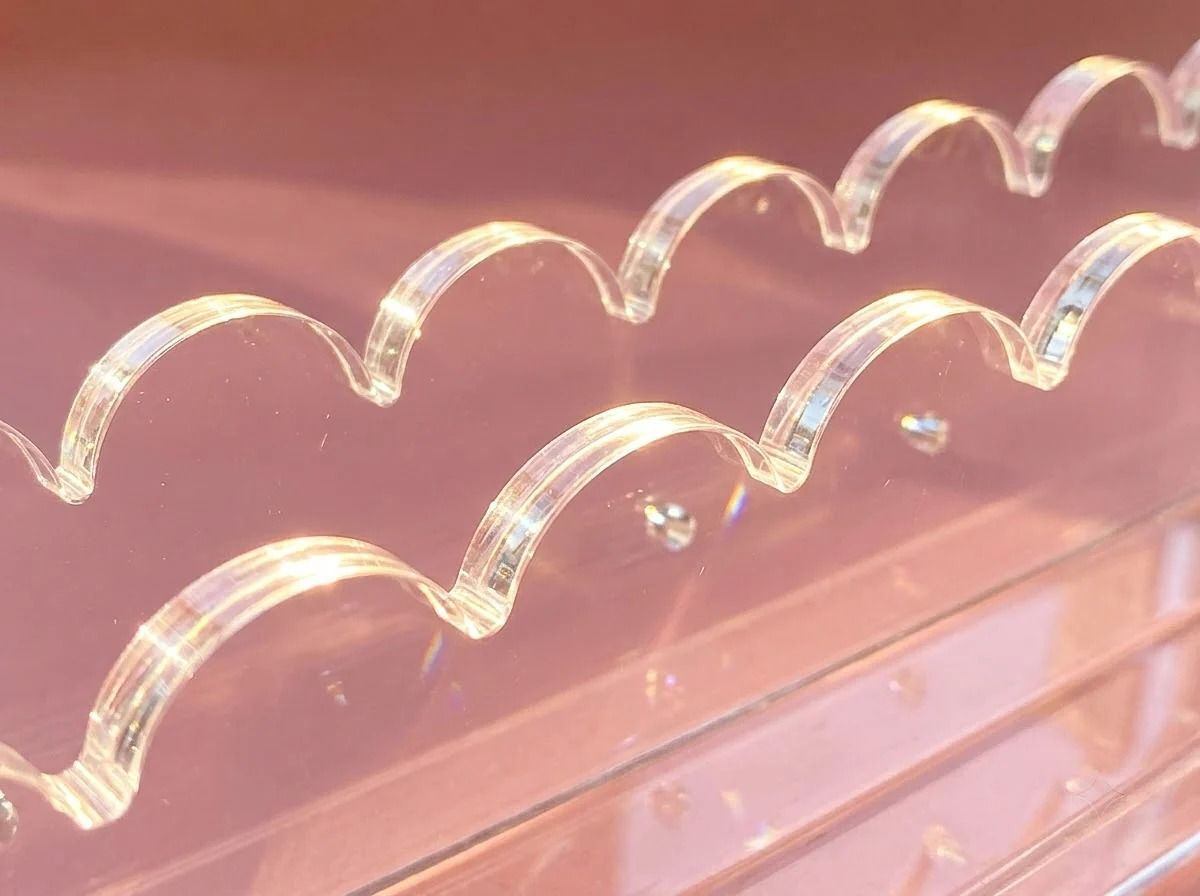
A mahjong pusher is a flat tool (usually wood, acrylic, or bamboo) you use to slide tiles into a rack or keep them neat on the table. Racks hold your 13 or 14 tiles upright so opponents cannot see your hand. Most players buy pushers and racks as a pair; some buy them separately. Pushers range from simple 5-inch single sticks to deluxe multi-tool designs with integrated scoring aids. American mahjong racks typically sit 2–4 inches high and hold tiles at a 45-degree angle. Cost depends on material and brand—acrylic sets with matching pushers often bundle both and ship free across the US. What to avoid: buying pushers alone without measuring your rack opening, or choosing a flimsy design that bends during tile-pushing. Quality pushers have a smooth, tapered edge that glides without scratching tiles. Our mahjong racks with pushers collection covers all common styles. 🀄 Shop best-selling mahjong sets →
What's the difference between a pusher and a rack?
A pusher is a tool; a rack is furniture for your tiles. The pusher slides tiles forward into the rack's open top so they stand upright, forming a wall that hides your 13–14 tiles from view. You can use a pusher without a rack (on a flat mat), but most players find a dedicated rack essential for speed and privacy. Some players buy only a pusher and prop tiles against a drinking glass—cheaper, messier, slower, and riskier with spills.

How do I know what size pusher to buy?
Measure the opening width of your rack (usually 4–6 inches for American racks) and the thickness of your tiles (typically ¼ inch). A pusher should be slightly narrower than the opening so it slides freely without jamming. If you're buying a pusher and rack as a set, they're pre-matched and you don't need to measure. If buying separately, contact the maker or your store with your rack's exact dimensions—guessing wrong means a non-functional tool. Standard American pusher length runs 4–6 inches; longer ones (8+ inches) are rare and suit only oversized custom racks.
Which pusher material works best: wood, acrylic, or bamboo?
Material comparison
Material | Glide feel | Durability | Price range | Best for |
Wood (maple, walnut) | Smooth, warm | 10+ years | Mid to high | Serious players, aesthetics |
Acrylic (clear or colored) | Very smooth, slick | 8+ years | Low to mid | Fast play, matches acrylic sets |
Bamboo | Smooth, eco-conscious | 5–8 years | Low to mid | Budget games, casual players |
Metal (aluminum) | Slick, cool | 15+ years | High | Competitive play, durability |
Wood pushers feel premium and glide beautifully; they also match engraved wood racks. Acrylic pushers pair perfectly with acrylic tile sets and mats—they're light, dishwasher-safe, and won't splinter. Bamboo is eco-friendly and affordable but dents more easily. Metal is rare and overkill for casual home games. If you're buying a best-selling acrylic set, pair it with an acrylic pusher for cohesion and free US shipping.
Should I buy a single pusher or a multi-tool pusher?
A single pusher is a straightforward flat stick—cheap, lightweight, does one job well. A multi-tool pusher might include a scoring-marker edge, a measuring notch, or a tile-flipping lip. Multi-tools cost more and are bulkier to carry but appeal to players who host often or travel with their sets. A beginner hosting a casual game once a month needs only a single pusher. A weekly game host or tournament player should invest in a multi-tool or a backup pusher. Single pushers are easier to teach new players (less to explain) and less likely to scratch tiles with protruding edges.
🎁 See our most-loved mahjong sets & accessories →
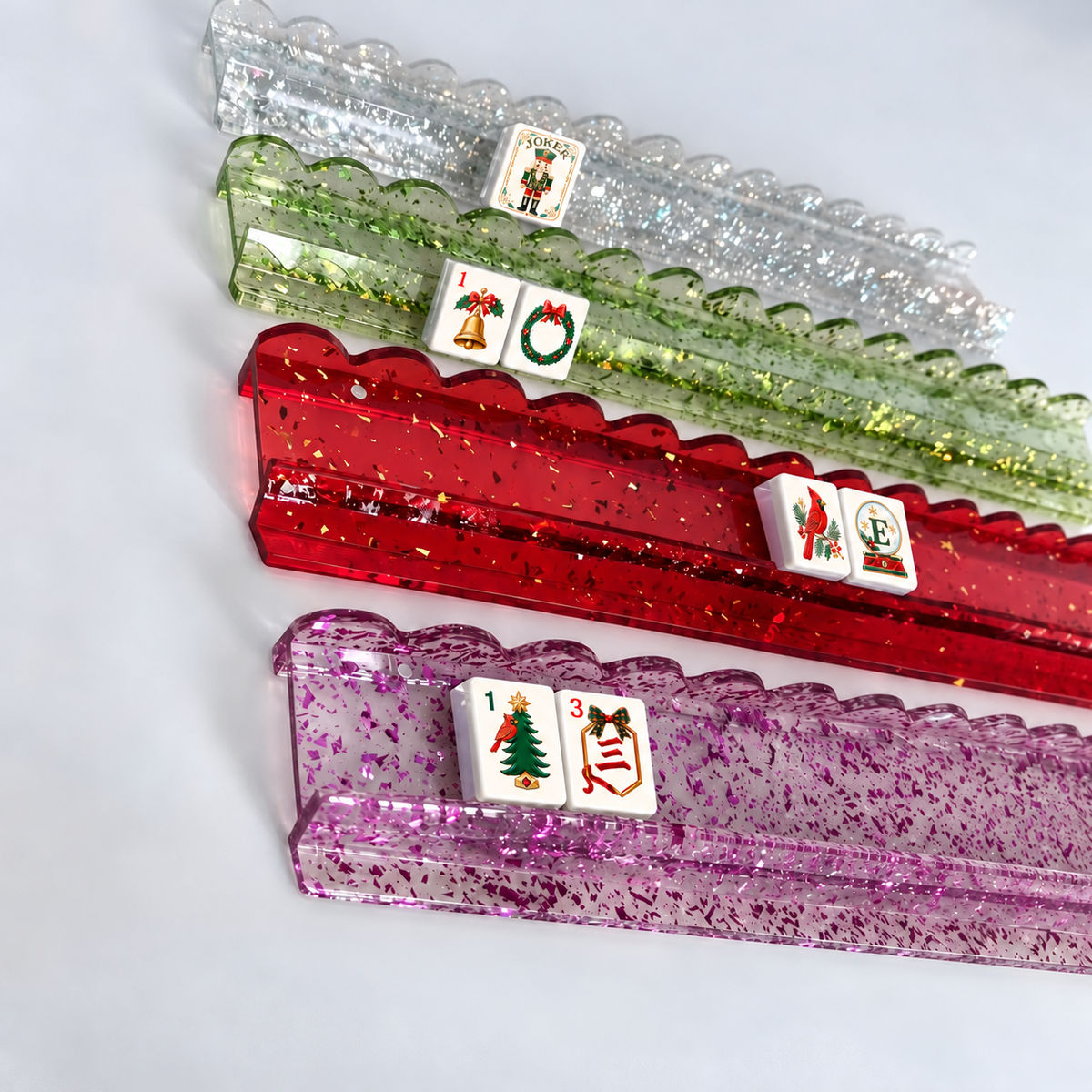
What should I look for when comparing rack-and-pusher sets?
Check these five points before buying:
Compatibility: Does the pusher fit your rack's opening? Sets sold together are pre-matched; if buying separately, confirm dimensions.
Tile thickness tolerance: Pushers should slide past tiles without wedging or scraping. A tapered edge helps.
Angle and height: American racks angle 45 degrees and sit 3–4 inches high, making tiles easy to read without exposing them to opponents.
Material pairing: Acrylic racks + acrylic pushers feel cohesive; wood + wood looks professional. Mixing rarely breaks function but looks odd.
Joker and blank storage: Some racks have a side tray for spare jokers or blanks—useful if your set includes extras beyond the standard 152 tiles.
A high-quality mahjong racks with pushers set will document all five points clearly in the product description.
Are there pushers designed specifically for travel or small tables?
Yes. Compact pushers (3–4 inches) exist for portable games and folding tables. Some come nested or collapsible. If you host on a standard dining table (4 ft × 6 ft or larger), a standard 5–6 inch pusher works fine. If you play on a card table (2 ft × 4 ft) or travel frequently, a compact pusher saves space and weight. Travel racks themselves fold or telescope, and they pair with short pushers; some players buy a travel bag with matching accessories to keep everything organized.
✨ Find your Mahstead set — free US shipping →
What's the most common mistake when buying pushers?
Buying a pusher without measuring your rack opening, or choosing the thinnest pusher available to save money—then discovering it bends under tile weight. A second mistake: pairing a flimsy plastic pusher with a nice wood rack, creating friction and a mismatch in feel. A third: buying a multi-tool pusher when a single one would do, adding bulk and cost for features you'll never use. The best outcome is simple: buy a pusher and rack as a matched set (pre-tested for fit), or measure carefully before ordering separately. If your existing rack or tiles have unusual dimensions, email photos to confirm compatibility before purchase.
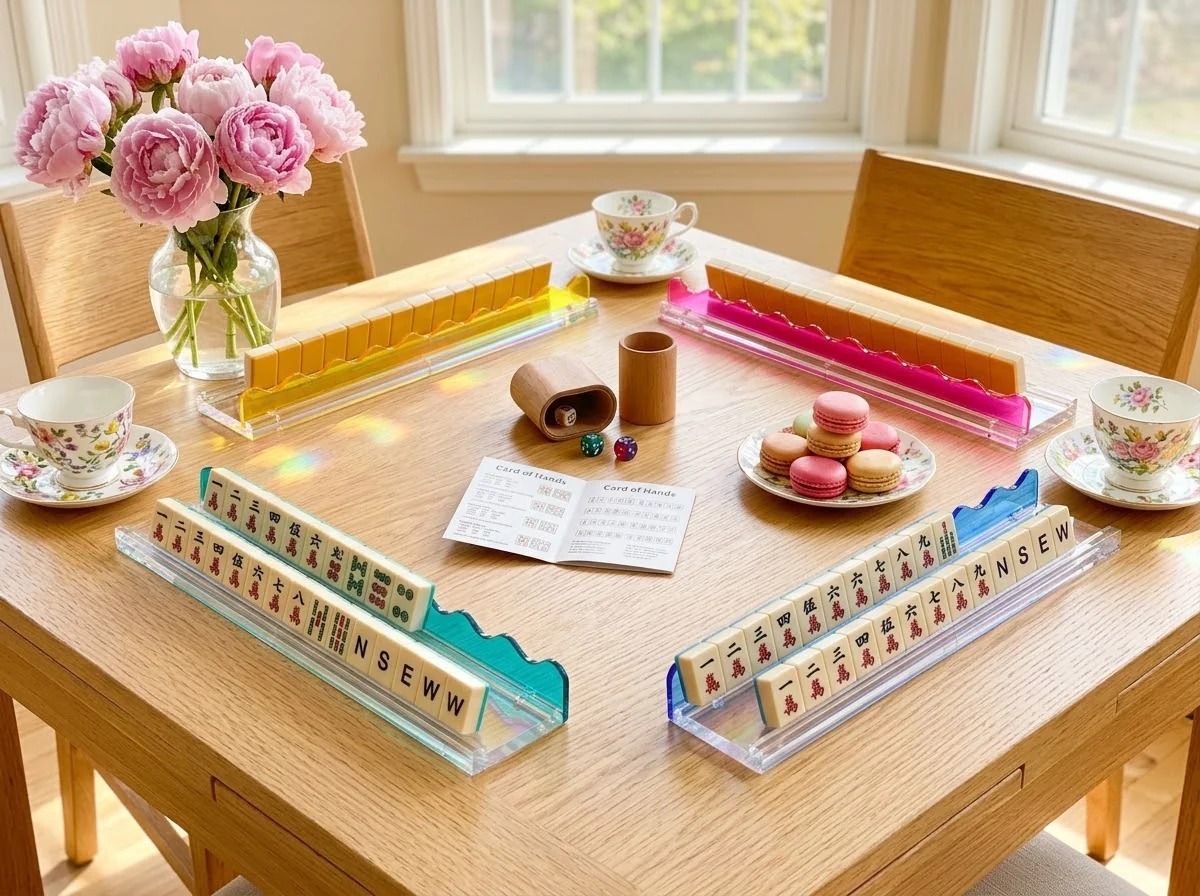
FAQ
Can I use a mahjong pusher on a mahjong mat without a rack?
Yes. Many casual players set tiles flat on a mat and use a pusher to align them in a row. It's slower than a rack and offers no privacy, but it works on any table. For weekly games with the full hand size, a rack is almost essential.
Do I need a pusher if I buy a mahjong rack?
No, but you'll want one. You can push tiles with your finger, but a pusher is faster, cleaner, and keeps fingerprints off tiles. It's cheap insurance.
What if my pusher doesn't fit my rack?
The gap is usually too small (pusher too thick) or too large (pusher too thin and falls through). Measure before buying. If it arrives wrong, contact the seller for a free swap or return.
Should I buy pushers for all four players or just one shared pusher?
Most groups share one pusher, passing it around each turn. Buying four is unnecessary unless you're running a tournament or teaching a class and need parallel demo stations.
Can I make my own pusher from a ruler or chopstick?
Yes, if you're careful. A wooden ruler works, but edges can be rough and damage tiles over time. A smooth-edged acrylic or bamboo stick is better. Store-bought pushers are inexpensive and designed for the job—worth the cost.
Do acrylic pushers scratch acrylic tiles?
Not if both are quality grade. Cheap acrylic can be abrasive. Buy matching sets from a reputable maker to avoid scratches over years of play.


View More
View More
View More
