
Mahjong Open Play in Milwaukee: Where & How to Join
Last updated: Nov 23, 2026
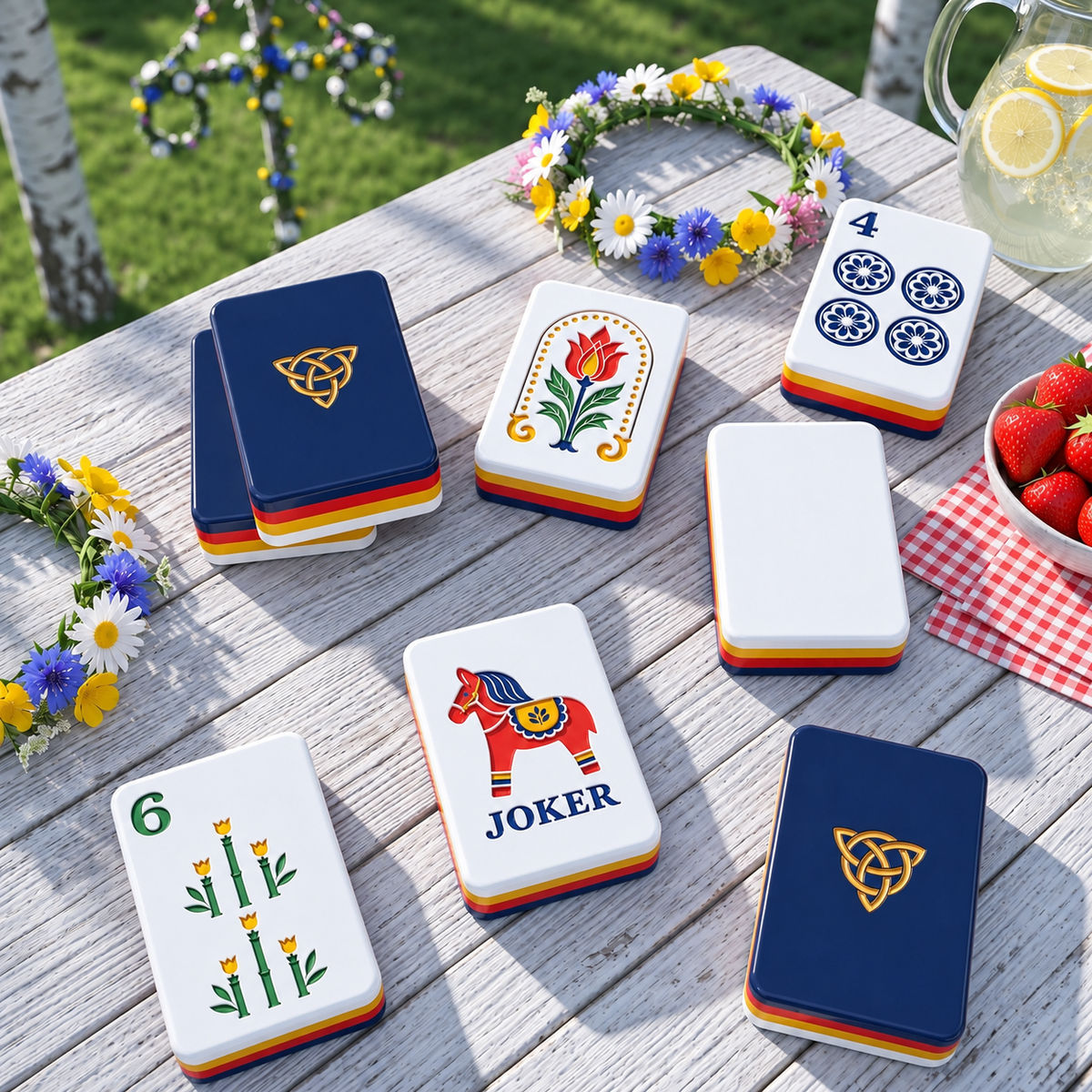
Open-play mahjong in Milwaukee happens at community centers, libraries, senior centers, synagogues, and country clubs scattered across the city and suburbs. Most groups meet weekly on weekday evenings or weekend afternoons; you typically don't need to join a formal club to drop in. Check your neighborhood library's activity board, search "[your area] mahjong" on community meetup platforms, call ahead to confirm times and table fees (if any), and bring a clear head and willingness to follow the National Mah Jongg League card for that year. New players are welcome at nearly every open game, though some groups move fast—learn the basics first from a beginner guide or watch a few rounds to get the rhythm. A full American mahjong set with rack system makes open play smoother for everyone at the table.
Where do Milwaukee players actually meet?
Milwaukee's main venues are community recreation departments, public library branches, senior centers (often free or low-cost), suburban Jewish community centers, and country clubs with game programs. Call ahead: hours and drop-in policies vary month to month. Libraries usually post game schedules in activity flyers or on websites; senior centers often host Tuesday or Thursday afternoons. Ask directly about whether you must bring your own set or if the group supplies one, and whether jokers are used (American mahjong always plays with 8 jokers—non-negotiable).

What's the skill level at open-play tables?
Open groups are a mixed bag: some tables host lifelong players who move with surgical speed, others welcome newcomers who play slowly and chat. Ask the host or a player before you sit what the pace and rule variant are. If you're brand-new, sit out one round to watch tiles flow and calls. Never feel rushed; most groups understand that fresh faces take time. Some Milwaukee tables play strict National Mah Jongg League American rules; others blend in house variations. Confirm which card year you're all using before you start.
How do I show up ready without embarrassing myself?
Bring a notebook to jot down hand patterns as you learn them. Know the basics: the three suits (Bam, Crak, Dot), winds, dragons, how a pung (three identical tiles) and kong (four) differ from a sequence (which you cannot call in American mahjong). Understand that every hand on that year's card is the goal—you don't invent hands. Watch one full game in silence if you're nervous. Players respect a learner who asks questions between rounds. Avoid touching live discards, asking mid-hand what tiles someone threw, or pulling tiles without turning your rack to face down first. Open-play groups thrive when everyone moves deliberately.
What you should bring | Why it matters | What happens without it |
Notebook & pen | Record hands you see; ask hosts for the card section names | You'll forget patterns and slow the table |
Water bottle | Rounds last 20–45 minutes; hydration helps focus | Dry throat makes calls harder to hear |
Open mind about house rules | Every group tweaks speed or scoring slightly | Rules disputes derail games and kill vibe |
Willingness to tip the host (if applicable) | Many open games rely on volunteer organizing | Venues close when organizers burn out |
A working mahjong set (optional but ideal) | Shared sets wear fast; your own feels familiar | You can't practice between sessions |
🀄 Shop best-selling mahjong sets →
Do I need to own my own set, or can I use the house set?
Most Milwaukee open-play groups have communal sets, often worn tiles mixed with replacements. If you show up regularly, owning your own set with racks and pushers speeds setup, prevents tile-mix confusion, and lets you practice at home. A 160-tile American set includes the full 152 tiles used in play plus extras. New players sometimes ask whether to buy a budget set or invest in a nicer one: if you're trying mahjong for the first time, borrow or use the club set for 3–4 weeks. Once you're hooked (and open-play players usually are), a durable set with smooth pushers and clear acrylic tiles makes every game feel more professional and reduces table fumbles.
What's the real cost to play open mahjong in Milwaukee?
Most open-play games are free or charge a small per-session fee (typically a few dollars) to cover space rental or host snacks. Call ahead to ask. Some venues take voluntary tips. If you want your own set, consider the investment: quality American mahjong sets range widely based on materials and finish. Since you'll play weekly, think of it as a long-term hobby investment rather than a per-session cost. Milwaukee's open groups are far cheaper than lessons or tournaments. Start by visiting a free library or community center session; if the bug bites, invest in your own best-selling mahjong set to keep at home.

How fast do open-play games move, and can I keep up?
Seasoned groups play a full four-player game in 30–50 minutes once tiles are shuffled. Newer groups take longer. First visit, watch quietly for speed and style. American mahjong involves the Charleston (a tile-passing ritual before play that we'll explain below), then drawing and discarding in turn, and exposing pungs or kongs as you build your hand to match one complete pattern from that year's card. The pace depends entirely on players' experience and the host's patience. If everyone is rapid-fire, you don't have to match that speed—call "slow down" if needed. Most open-play groups are deliberate and kind.
🎁 See our most-loved mahjong sets & accessories →
What should you check before you buy or bring your own set to open play?
Before you invest in a set for regular play:
Verify the tile count: American mahjong uses exactly 152 tiles in play (never add extra tiles to the game). A full set covers that.
Check the tile faces: Acrylic or bamboo tiles should have crisp, readable symbols and clear suit colors (Bams in red, Craks in blue, Dots in white or green).
Test the pushers: Racks with smooth pushers save time and reduce misdrawls. Wooden pushers on felt surfaces glide best.
Confirm the bag or case fits your table setup: If your group plays on a shared mat, a compact travel bag for mahjong works. If you host at home later, a case protects your investment.
Understand joker count: All American mahjong games use exactly 8 jokers (never more, never fewer). Any spare tiles in a 160-tile set are jokers or blanks; they don't go into play.
How do I actually find a group this week?
Step 1: Call or email your nearest Milwaukee library or senior center. Ask if they host mahjong and what day/time. Expect a wait on phone lines; early morning is faster.
Step 2: Search online. Google "[your neighborhood] Milwaukee mahjong meetup" or check community bulletin boards on Nextdoor, Craigslist community section, or Meetup.com for "mahjong" + "Milwaukee."
Step 3: Visit a local Jewish community center or country club. Ask the front desk if they run game nights. Many do but don't advertise heavily.
Step 4: Ask library staff in person. Printed schedules often sit at desks; online calendars lag behind. A live conversation uncovers informal games too.
Step 5: Show up 15 minutes early to your first game. Introduce yourself to the host. Most Milwaukee players are thrilled to welcome a sincere learner.
What to check before your first open-play session
Does the group use the current-year National Mah Jongg League card? (Verify the year: we're in 2026.)
Is there a fee, and does it include snacks or chips?
Do you need to bring a set, or does the group supply one?
What's the pace: fast, medium, or beginner-friendly?
Can you observe one round before joining in?
✨ Find your Mahstead set — free US shipping →

FAQ
I've never played mahjong. Can I really just walk into an open game in Milwaukee?
Yes. Call ahead to confirm the group welcomes newcomers, arrive 15 minutes early, and ask to watch one full round in silence. Most open-play hosts expect new faces and explain the flow as tiles move. Bring a notepad; ask questions between rounds.
Does American mahjong use 144 tiles or 152?
American mahjong always uses exactly 152 tiles in play, plus 8 jokers (160 total). You never add extra tiles or play with fewer. Other variants (Chinese, Hong Kong) use different counts, but open-play groups in Milwaukee follow American rules unless stated.
What if I bring my own set and it doesn't match the house tiles?
It's fine to own your own set for practice and home play. At the table, use the group's communal set so no one has to hunt for mixed tiles mid-hand. Mixing two old sets at one table slows games and causes disputes. Once you're a regular, ask if the group would ever switch to a newer shared set.
How much does a decent American mahjong set actually cost?
Prices vary based on tile material (acrylic, resin, bamboo), finish, and whether racks and pushers are included. See current pricing on our product page. Budget sets exist; quality sets with smooth pushers and durable tiles last years of weekly play and are worth the investment.
Do open-play groups in Milwaukee use house rules, or strict National Mah Jongg League rules?
Most follow the National Mah Jongg League card strictly for hand patterns, scoring, and the Charleston. Some groups tweak speed or snack policies. Call ahead and ask: "Do you play strict league rules?" A good host will say yes and explain any tiny tweaks.
What's the Charleston, and will I look confused on my first night?
The Charleston is a tile-passing ritual before each game: players pass tiles to the right, center, and left in a specific order per American rules. Watch one round and you'll understand it. We have a full guide covering how it works and why it matters to every hand.


View More
View More
View More
