
Mahjong Mat Care Guide: Keep Your Table Play-Ready
Last updated: Nov 23, 2026
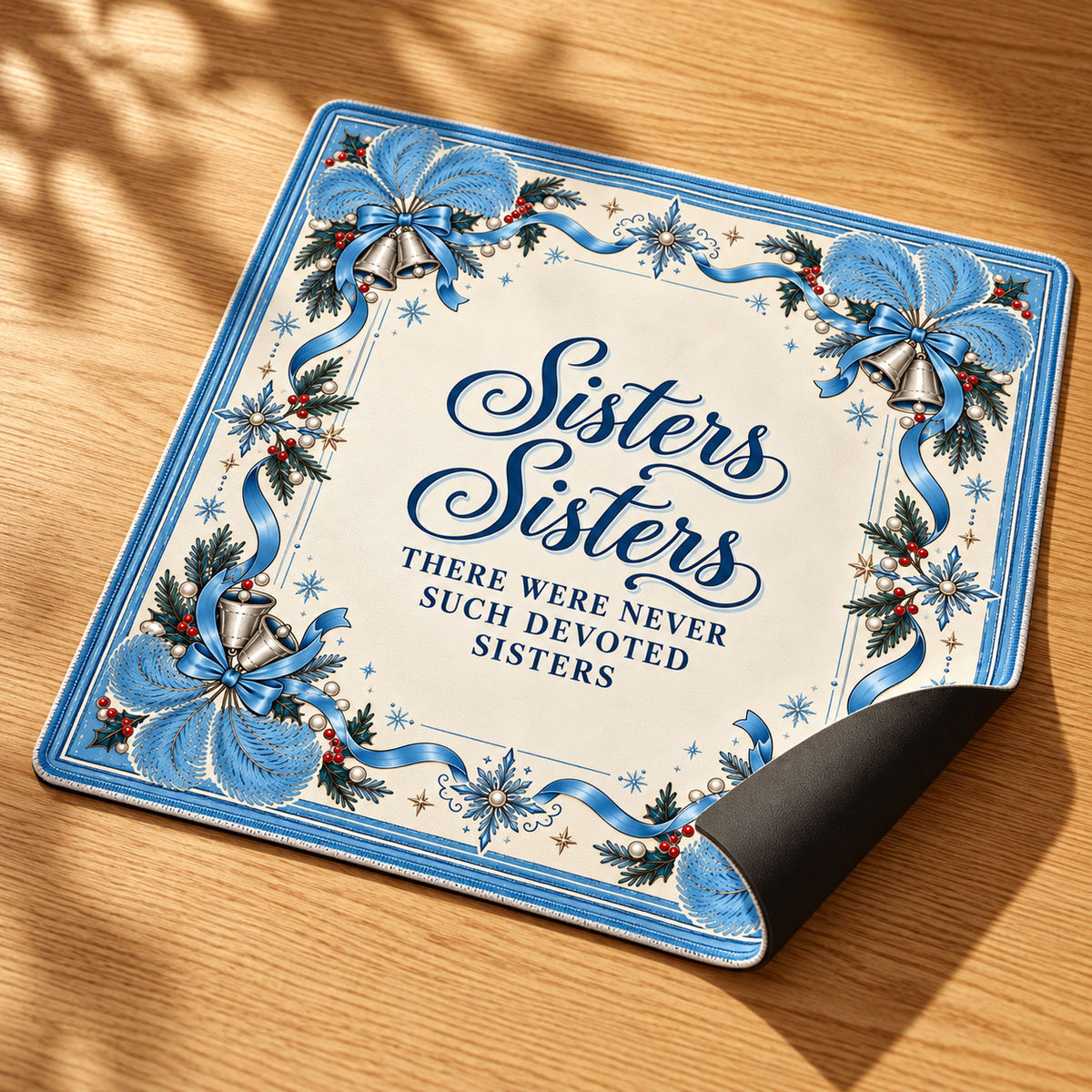
Mahjong mats are cloth or vinyl surfaces designed to grip tiles during shuffling and play while protecting your table underneath. They wear fastest on the shuffle zone (center) where tiles are stacked and pushed. Clean yours monthly with a soft, dry cloth; for spills, use a barely damp microfiber cloth and air-dry flat. Store rolled (not folded) in a breathable bag away from direct heat and sunlight—vinyl can crack, cloth can mildew. Avoid abrasive cleaners and machine washing. Most players replace mats every two to five years depending on use frequency. Mahstead's mats come in multiple designs and materials; choose based on your table size and whether you play weekly or casually.
A mahjong mat takes daily wear—tile shuffles, drink spills, dust—and needs practical maintenance to stay grippy and mark-free. We'll show you exactly how to care for yours.
Why does your mat feel sticky or dull over time?
Dust, tile residue, and oils from hands settle into the mat's surface texture, reducing grip and making tiles harder to push. Sunlight fades colors and weakens vinyl. Weekly play shows this faster than casual games; we've noticed a mat used four times per week degrades visibly in 18 months compared to twice-monthly use, which can last four years.
The shuffle zone (where you stack and push tiles) wears first because pressure concentrates there. If your mat feels tacky in one spot or slippery in another, uneven wear is likely—a sign of early aging, not a defect.
How do you clean a mahjong mat without damaging it?
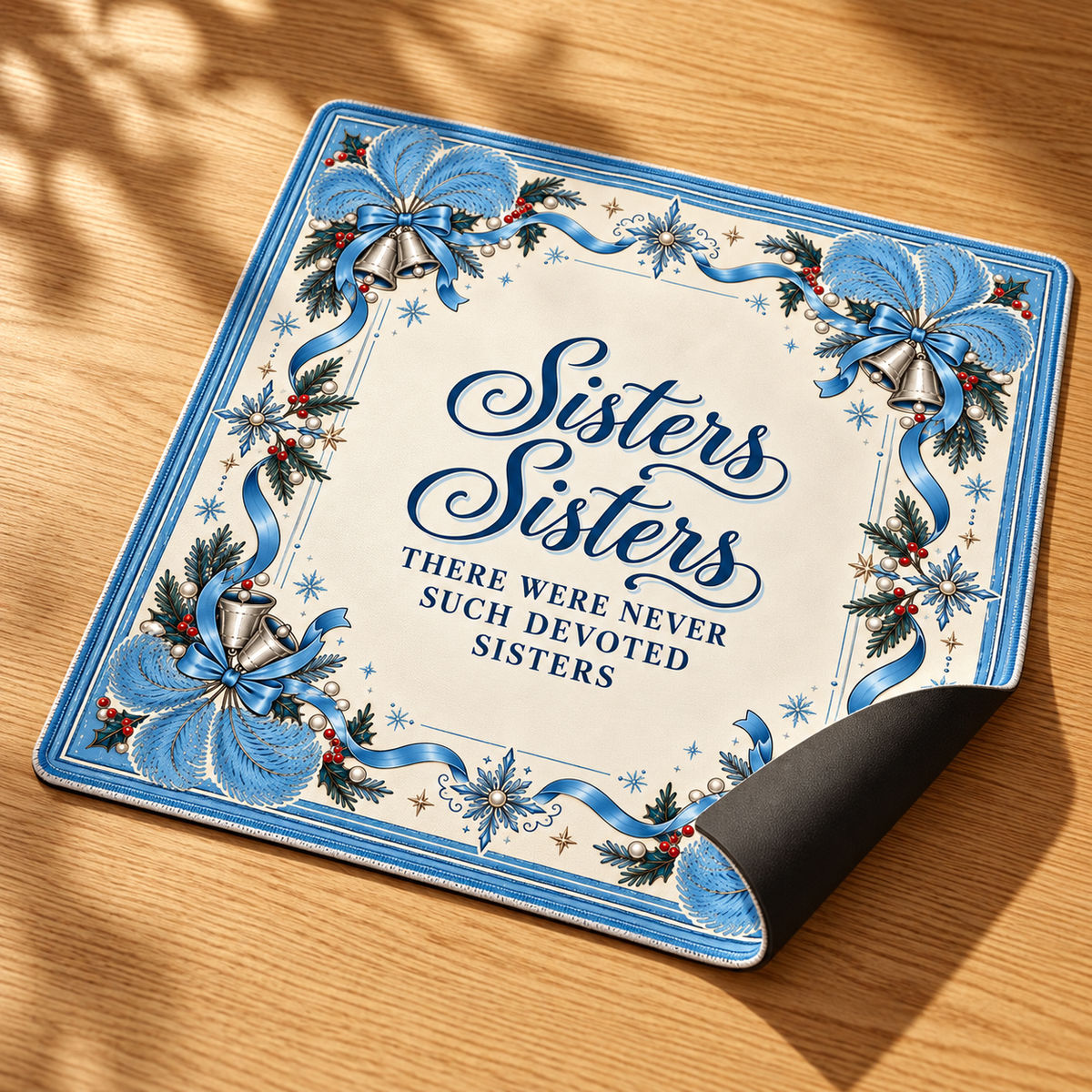
Use a soft, dry microfiber cloth weekly, brushing in one direction along the grain if visible. For sticky spots, wipe with a cloth barely dampened in lukewarm water—no soap, no vinegar solutions. Let it air-dry completely flat before rolling; any moisture trapped inside can mildew cloth mats or warp vinyl ones.
Never use machine washers, bleach, harsh solvents, or abrasive scrubbers. Avoid spray cleaners marketed for tables; they're too harsh and leave residue that makes tiles stick. Fold-and-wash methods popular on social media can ruin the mat's shape and backing.
For stubborn stains (wine, food), test a tiny corner first with water alone, then—if needed—a tiny drop of mild dish soap on the cloth. Rinse with a separate damp cloth and dry immediately.
What's the best way to store a mahjong mat between seasons?
Roll it loosely around a PVC pipe or cardboard tube (inside diameter at least 2–3 inches) so the playing surface faces outward. Store rolled mats in a cool, dry closet or shelf, away from radiators, AC vents, and direct sunlight. If space is tight, a breathable cotton bag works; plastic bags trap humidity and cause mildew.
Never fold a mat for long-term storage; creases can crack vinyl and permanently wrinkle cloth. If you must fold temporarily (a few weeks), do so along the grain and refold weekly to avoid permanent marks.
Heat and UV light are your mat's enemies. Vinyl becomes brittle over time in hot garages; cloth fades and weakens. A basement or linen closet beats a shed or car trunk.
How do you know when to replace your mat?
Replace it when tiles no longer grip smoothly, the surface is permanently stained, or cracks appear in vinyl. Cloth mats lose elasticity and may fray at edges; vinyl mats may peel or split. If you've owned it for five years and play weekly, replacement is likely overdue.
A mat that's 50% worn still works but requires slower, more deliberate shuffling—tile control suffers, and beginners especially struggle. Most players we host games with replace every two to four years depending on frequency.
Cost-wise, replacement is far cheaper than resurfacing. Our mahjong mat collection includes options in various sizes and designs; calculate your play frequency (weekly, bi-weekly, monthly) to estimate replacement timeline.
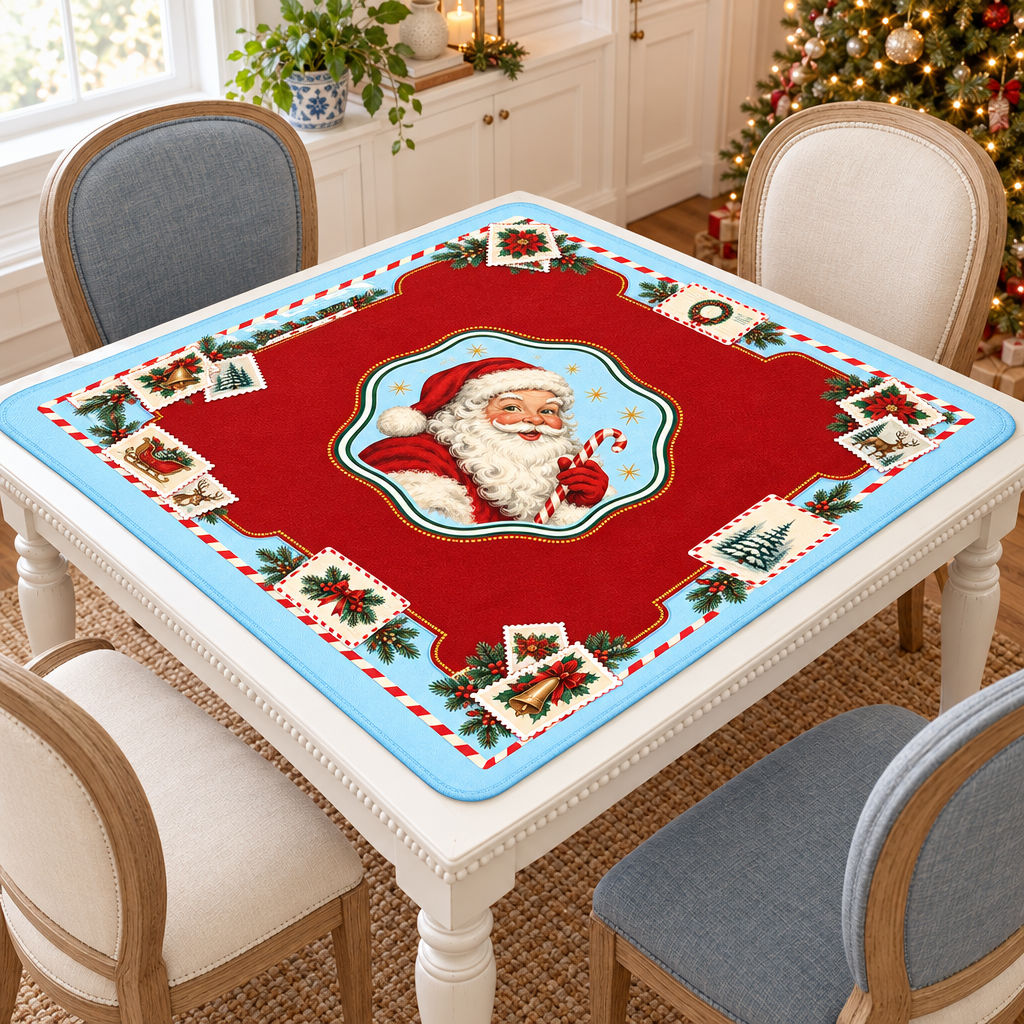
What mat material lasts longest—cloth or vinyl?
Material | Durability | Feel | Best for | Maintenance |
Cloth | 3–5 years, weekly play | Warm, grip-friendly, less slippery | Players who shuffle often; prefer traditional feel | Weekly dry brush; air-dry spills |
Vinyl | 2–4 years, weekly play | Cooler, smoother, slightly less grip | Those who prioritize cleanability and stains | Damp cloth OK; wipe dry quickly |
Cloth mats provide better tile grip and a traditional feel but stain more easily and can develop odors if damp. Vinyl is easier to wipe clean but may feel slippery on hot days and cracks over time from temperature swings. Neither material lasts forever—the key is knowing your use pattern and replacing proactively.
For casual players (once or twice monthly), either material works five+ years. For weekly players, budget replacement every three years.
✨ Find your Mahstead mat design →
What to check before you buy a replacement mat
Size: Measure your table length and width; mats typically fit 30"–48" tables. An undersized mat forces cramped shuffling; oversized mats hang off edges and catch shufflers' arms. Browse mat sizes in our collection.
Design fit: Engraved tile layouts help beginners track positions. Solid colors and graphics are purely aesthetic—choose what makes your game feel special.
Backing: Rubber or felt backing grips table surfaces; ensure it's designed for your table type (wood, metal, glass). Some mats slide on polished surfaces.
Thickness: ⅛"–¼" is standard; thicker mats provide more cushion but can feel spongy during fast shuffles.
Reversibility: Some mats are single-sided, others double-sided (extending life if one side wears first).
🀄 Browse engraved & custom mat designs →
Real-world care timeline for weekly players
Month 1–3: Dust gathers; weekly dry-brush cleaning keeps grip optimal. Month 4–8: First visible wear in shuffle zone; stains appear despite care. Month 9–18: Tiles no longer glide smoothly; grip noticeably reduced. Month 18–36: Cracks or permanent wrinkles; replacement becomes urgent.
We've found that paying attention to spills immediately (not letting wine or coffee dry on the mat) cuts wear by 40% compared to ignoring them. One player in our group replaced mats yearly until she started air-drying spills within the hour; now her mats last three years.
🎁 See mahjong mats & complete sets →
Caring for your mahjong mat is an investment in smoother games and a longer relationship with your equipment. Start with a dry-brush routine, handle spills promptly, store rolled and cool, and replace on a schedule that matches your play frequency—not when the mat fails suddenly. Most players find this rhythm prevents frustration and keeps tiles moving the way they should.
FAQ
Can you machine-wash a mahjong mat?
No. Machine washing warps, damages, or tears the mat and weakens its backing. Stick to gentle hand-cleaning with a dry or barely damp cloth and air-dry flat only.
How often should you clean a mahjong mat?
Weekly dry-brushing is ideal for regular players. Wipe immediately after spills; deeper cleans (damp cloth) happen monthly or as needed.
What's the difference between mat care and tablecloth care?
Mats are durable, textured playing surfaces with gripping backing; tablecloths are thinner, aesthetic-only covers. Mats need regular maintenance; tablecloths are washable but don't serve play function.
Will sunlight damage my mat if I store it near a window?
Yes. UV light fades colors, weakens vinyl, and ages cloth fibers. Store rolled mats in dark closets or drawers, away from direct sun.
Is it normal for a new mat to feel slippery?
Lightly, yes—new cloth mats need a few shuffles to build grip texture. If it stays slippery after a game or two, it may be vinyl, which has different feel; that's not a defect.
Can you use furniture polish or pledge on a mahjong mat?
No. These leave residue that makes tiles stick unpredictably. Stick to water only and avoid any chemical sprays.


View More
View More
View More
