
Mahjong Lessons in the Hamptons: Where to Learn & What to Bring
Last updated: Nov 23, 2026
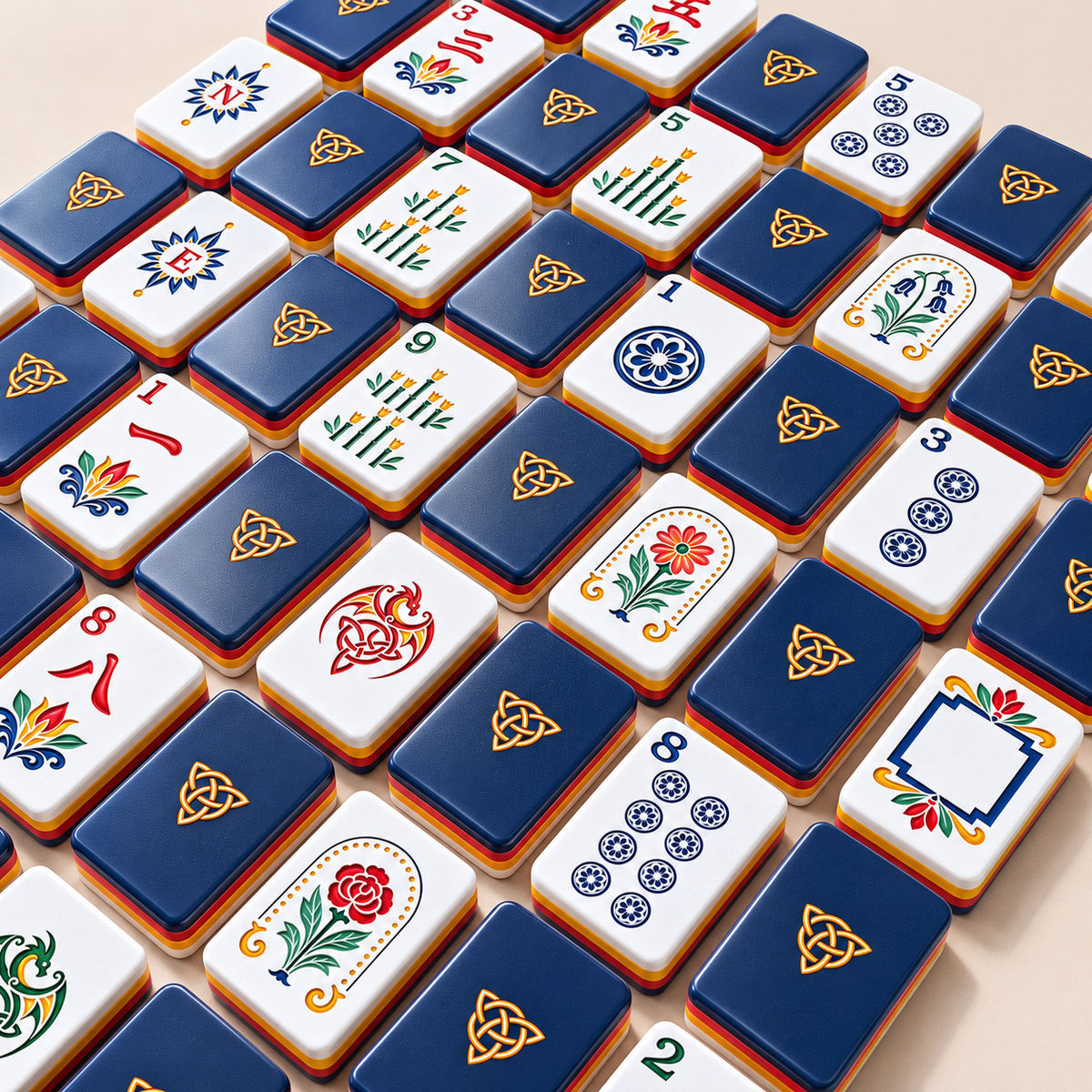
Mahjong lessons in the Hamptons are offered through community centers, libraries, country clubs, and informal house groups—search local meetup boards, synagogue bulletin boards, and community recreation schedules. Most beginner classes run 6–12 weeks, meeting weekly for 1.5–2 hours, and teach American mahjong (152 tiles, hand-reading from the National Mah Jongg League card, the Charleston passing ritual, exposing pungs and kongs). Instruction cost varies but typically ranges from free (informal groups) to modest per-session fees. Bring or buy a personal 160-tile set with clear tile markings so you practice between lessons—Mahstead acrylic sets are durable and ship free across the US, letting you start immediately without tracking down local stock. Avoid betting-focused groups as a beginner; look for teaching-first environments where the instructor pauses play to explain strategy.
The Hamptons' summer residents and year-round community have sustained recreational mahjong for decades. Unlike casual online play, in-person lessons teach you to read tiles quickly, manage a rack, handle the Charleston smoothly, and read the current year's National Mah Jongg League card—skills no video can fully replace. We'll walk you through finding instruction, what a real beginner class looks like, how to prepare, and what equipment actually helps you learn fastest.
Where do I find mahjong lessons in the Hamptons?
Search community centers, libraries, and parks-and-recreation websites first; many post seasonal course catalogs online. Check synagogue bulletin boards and country club activity lists—these are traditional hubs for mahjong in the region. Meetup.com, Facebook community groups, and Craigslist "lessons" sections sometimes list informal house games welcoming beginners. Call ahead and ask: Does the instructor teach, or is it play-only? Do they use the current-year card? Will they pause mid-game to explain? Beginner-friendly groups say yes to at least two of those.

What happens in your first mahjong lesson?
Your instructor will explain the 152-tile set structure (three suits, winds, dragons, flowers, jokers), walk through tile names and rankings, then teach the Charleston—the ritual tile-passing that starts every game. You'll learn to build a wall, deal tiles, and recognize the current year's hand patterns on the card. Early sessions focus on one or two simple hand types so you can actually complete a game without frustration. Expect to play at least one full round (usually 4 games, rotating the dealer position) by week two. Most instructors teach American mahjong unless they specify otherwise; if you want to learn Chinese, Hong Kong, or Riichi variants, ask explicitly because the rules differ significantly.
🀄 Shop best-selling mahjong sets →
Should you buy your own set before or during lessons?
Buy before lessons start. Owning a set means you can practice shuffling, building walls, and reading tiles at home—the muscle memory pays off in class. Borrowing sets from the group delays your learning because you're unfamiliar with tile size, weight, and rack feel. A 160-tile acrylic set with large print is ideal for beginners: acrylic tiles are durable, printed characters stay legible through hundreds of games, and you won't worry about chipping bamboo or bone sets. Many of our players started with best-selling sets and played for years without upgrading. If you live in the Hamptons year-round, the investment in a quality personal set—mats, racks, a carrying bag—means you're ready to host or join a house game whenever the group meets.
How do you prepare for your first class?
Arrive 10–15 minutes early so you can ask the instructor which hand-pattern section the group is covering that week. Bring a notebook and pen to jot down which tile combinations make a winning hand (many groups share photocopies of simplified card sections). Wear comfortable clothes and sit where you can reach the center discard pile easily. If you've never shuffled large tiles, practice at home first—most players take 4–5 games before shuffling feels natural and fast. Learn the basics in our beginner guide before your first session so you're not learning "tile names 101" in real time. Instructors appreciate students who've done 30 minutes of homework.
🎁 See our most-loved mahjong sets & accessories →

What's the difference between beginner and intermediate play?
Beginner classes (weeks 1–6) focus on 3–4 hand types, teach you to spot matches quickly, and emphasize speed over strategy. Intermediate play (weeks 7+) adds 10+ hand patterns, introduces strategy like throwing tiles that reduce your opponents' options, and teaches you to track discards and deduce what other players are holding. Most Hamptons groups transition students naturally; you stay at beginner pace until you win consistently, then graduate. The National Mah Jongg League card is updated every spring, so even intermediate players spend the first few games of a new season re-learning hand layouts. Instructors always mention this shift—there's no test or formal promotion, just the group saying, "Okay, now we're playing faster patterns."
Skill Level | Hand Types | Speed | Focus | Typical Week |
Beginner | 3–4 | Slow; 15+ min/game | Tile recognition, Charleston | 1–8 |
Intermediate | 10–15 | Medium; 8–12 min/game | Strategy, discard reading | 9–20 |
Advanced | 20+ | Fast; 5–8 min/game | Probability, psychology | 20+ |
Based on our players' progression, most reach intermediate confidence by week 8–10 and then choose whether to keep playing casually or dive deeper into competitive scoring and strategy.
What equipment makes lessons easier to follow?
A personal set is essential, but racks with pushers genuinely speed up your play and reduce hand strain during long beginner sessions. A mat defines the play area, keeps tiles from shifting, and helps you organize your hand visually—crucial when you're still learning to spot matches fast. A carrying bag means your set and mat are portable, so you can bring them to class, a friend's house, or a local club game without fumbling. Dice are included in most sets and are used to determine seating and wall-breaking positions each round. If your instructor asks you to bring tiles to the next week's game at someone's house, having your own set and a bag ready eliminates excuses and builds your habit. Many of our players in seasonal communities keep a complete Mahstead travel set at their Hamptons home so they're always ready to play.
✨ Find your Mahstead set — free US shipping →
What to check before you buy a beginner set for lessons
Tile size and print clarity: Beginner eyes tire quickly reading small tiles. Look for sets where tiles are at least 1 inch across and characters are printed boldly, not faint. Acrylic is forgiving; cheap plastic fades.
Rack design: Does the set include racks, or do you need to buy them? Racks should hold 14 tiles comfortably with a pusher rod to advance them as you draw. Without a rack, you juggle tiles in your hand, slowing play and hurting your wrist.
Bag and carrying case: If you're traveling to lessons or group games, a padded bag saves you from a cracked set after one season.
Spare jokers: A 160-tile set includes spares so you can replace a lost or damaged joker without buying a new set. This matters over months of weekly play.
Mat included or separate?: Some sets ship with a mat; others don't. Learn mat styles and why they matter for your play style. If you're playing at a table weekly, a mat is worth the small additional cost—it's not luxury, it's functional.

FAQ
Can I learn mahjong online and then join a Hamptons group?
Online tutorials teach tile names and hand patterns, but online play doesn't train your speed or the physical skill of shuffling, building walls, and reading tiles in real time. Most instructors welcome online-trained players but expect 2–3 extra sessions to catch up on pace and card-reading. In-person lessons from the start are faster.
How much does a beginner mahjong set cost, and is acrylic worth it over bamboo or bone?
See current price on the product page. Acrylic is lighter, more durable in regular play, and printed characters survive hundreds of games—bamboo and bone sets are beautiful for collectors but chip more easily. For weekly lessons over months, acrylic is practical.
What's the difference between American mahjong and the game my grandmother played?
American mahjong uses 152 tiles, reads from a printed card updated yearly, allows joker substitution, and has no scoring variation—you either win or lose. Chinese and Hong Kong variants use 144 tiles, allow sequences (chows), and have complex scoring rules. If your grandmother played in China or Hong Kong, it's a different game. Ask your instructor which variant the Hamptons group plays.
Do I need to learn the current 2026 card before my first lesson?
No. Your instructor will teach hand patterns from the current card during class. Bring a set to practice shuffling and tile names at home, but don't memorize hands before week one—the instructor will do that with you.
Is it rude to ask an established group if I can join mid-season?
No. Call the host or instructor and say you're interested in learning. Most groups welcome mid-season additions if you commit to finishing the session and bring a set. Arriving mid-season means you're 2–3 weeks behind on patterns, so expect light ribbing and patience from players.
Can I play mahjong alone or with just two people while learning?
American mahjong requires exactly four players—the hand design, tile distribution, and scoring only work with four. Two and three player variants exist but are not standard in the Hamptons. Solo practice involves shuffling, wall-building, and reading the card, but not actual play.


View More
View More
View More
